If your concern goes beyond packaging structure or technical details, our managing team is ready to step in. You can speak with us directly about pricing, urgent timelines, special requirements, or unresolved issues that need higher-level project decisions.
We focus on finding practical solutions that keep your packaging project moving forward, whether that means reviewing costs, adjusting production plans, coordinating export details, or discussing long-term wholesale cooperation.
Talk to Packaging Engineer
Engineering Team
Get expert guidance on box structure, paperboard selection, dieline setup, printing, finishing, MOQ, sampling, and production details before starting your custom packaging quote.
Packaging engineering typically covers structure, materials, manufacturing process, cost efficiency, and product protection, so this wording is aligned with real branded packaging decision points.
2025 Brand Packaging Revolution: How Customized Packaging Reshapes Business Competitiveness
In 2025, packaging isn’t a “nice extra.” It’s the first physical brand touch, a quality signal, a logistics tool, and a repeat-order driver. When you treat custom packaging like a system—not a one-off design—you make your business easier to scale and harder to copy.
Zhibang is a Shenzhen paper packaging factory focused on custom boxes & printing, bulk wholesale, and OEM/ODM support. That matters because competitive packaging needs two things at the same time: brand polish and factory-grade consistency.
Below are the key arguments from the “2025 Brand Packaging Revolution” perspective, rewritten in a more practical, real-world way, with scenarios you can use right now.
Packaging is the first touchpoint in e-commerce
Your customer meets the box before they touch the product. If the package arrives crushed, scuffed, or messy inside, the buyer doesn’t separate “shipping” from “brand.” They see one experience.
DTC unboxing and conversion
If you run DTC or cross-border e-commerce, you already know the grind: high CAC, tighter returns policies, and customers who judge fast. Packaging helps you control that first impression.
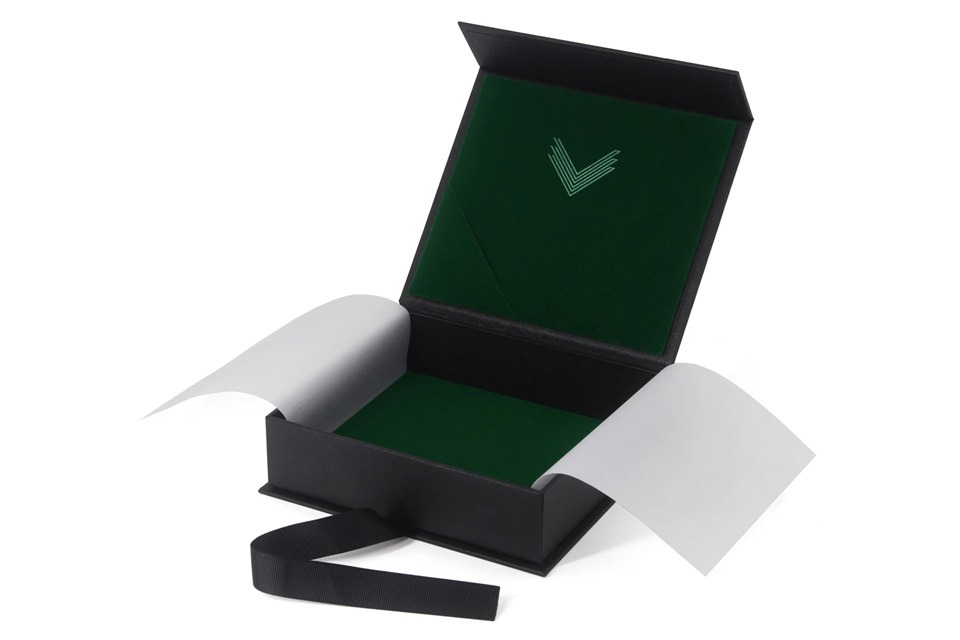
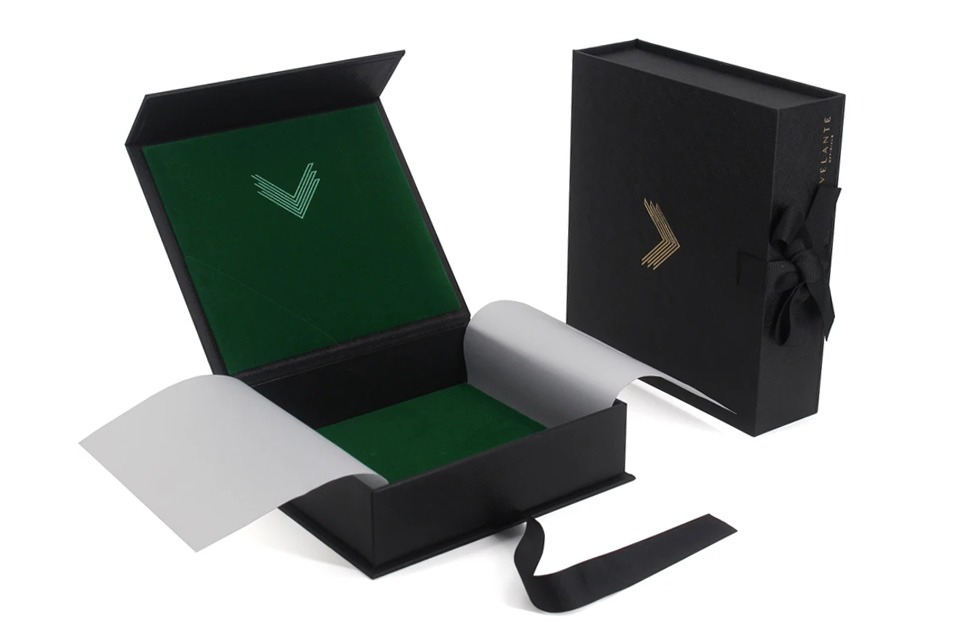
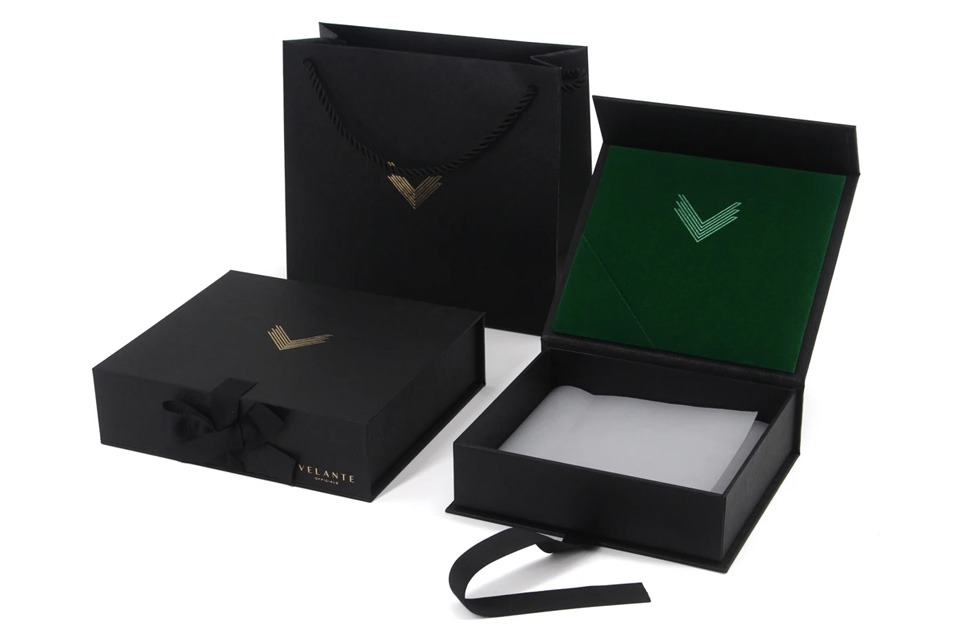
A simple move that works in a lot of categories: use a rigid-feel structure that still ships flat. It looks premium, it’s quick to assemble, and it’s easy to standardize for bulk runs. For example, a folding magnetic gift box gives you a clean “lift-the-lid” moment without slowing down fulfillment.
Shipping-ready structure
If damage claims and bad reviews keep showing up, fix the structure before you touch the artwork. Your goal is simple: reduce movement, protect corners, and stop the product from “floating” inside the box.
For larger items or sets, a mailer-style format can keep the pack tight and warehouse-friendly. A foldable corrugated laptop packaging box is a good reference for how brands balance protection, assembly speed, and presentation.
Branded packaging drives social sharing and organic reach
People share experiences, not specs. If your packaging looks giftable and camera-ready, customers create content for you. That lowers your content pressure and keeps your brand visible between ad cycles.
UGC-ready details
You don’t need to throw every finish at the box. Keep it tight and intentional. The goal is “looks good in one shot”:
One clear logo placement (don’t scatter branding)
A strong outer color that stays consistent across batches
A clean inside reveal that feels organized
Jewelry is a classic case. A drawer-style rigid box builds a natural “reveal” with zero extra parts. This sliding open jewelry packaging box shows how you can combine structure, holder, and a small insert to create a shareable unboxing.
Unboxing experience improves brand recall and repeat purchase
Unboxing is where “brand story” turns into something physical. When everything fits, opens smoothly, and feels intentional, customers remember you as the brand that “does things right.”
This is where many teams slip. They focus on graphics and forget the mechanics: tolerances, glue lines, insert fit, and repeatable assembly.
Inserts, holders, and “gift-like” moments
If you sell kits, bundles, or multi-SKU sets, your insert design can reduce packing time and reduce support tickets. That’s a quiet win your ops team will actually notice.
Common insert moves that solve real pain:
Cardboard holders that lock the product in place
Foam/EVA when you need a snug fit and fewer scratches
A simple setup card to cut “how do I use this?” tickets
Paper tubes also work well for items that need protection and shelf impact. They resist crushing and give you 360° branding. This cardboard cylinder paper tube packaging is a solid example of structure + holder + premium feel in one format.
Premium packaging builds B2B trust and reduces procurement friction
In B2B and wholesale, buyers don’t just judge the product. They judge your reliability. Packaging quality signals whether you can handle scale, compliance, and reorders without drama.
If your box looks inconsistent across batches, distributors worry about shelf complaints and returns. If your labeling zones are messy, warehouses get annoyed. If your master carton info is unclear, you become “that supplier” people avoid.
Consistency for distributors and retailers
Here’s what B2B buyers read between the lines:
Stable materials and board grade across bulk orders
Color control that stays tight over long runs
Planned barcode / label zones (no last-minute stickers)
Clean master carton labeling for scanning and inventory flow
When you lock specs and keep production stable, you shorten re-order cycles and reduce back-and-forth with procurement. That’s real commercial value.
Sustainable packaging and PPWR compliance are becoming table stakes
Sustainability isn’t just marketing anymore. More brands face retailer requirements, platform guidelines, and regional regulation pressure—especially if you sell into Europe or plan to.
That pressure shows up in daily decisions: material choices, recyclability, right-sizing, and documentation.
Eco-friendly materials and right-sizing
If you want sustainability that actually works in operations, keep it practical:
Right-size the shipping pack to reduce void fill and damage
Favor paper-based structures when they meet protection needs
Avoid overbuilt packaging that creates “waste perception”
Make the packaging easy to sort and recycle
This isn’t about preaching. It’s about staying procurement-ready and avoiding redesign panic later.
Smart packaging with QR codes and NFC turns the box into an engagement channel
Most brands let the relationship end at delivery. That’s a miss. Your packaging can push customers into the next step—without sounding pushy.
Post-purchase flows
A simple QR can route customers to:
Setup or how-to content (fewer returns, fewer complaints)
Warranty registration (clean first-party data capture)
Refill or reorder pages (better repeat rate)
Authenticity checks (anti-counterfeit support)
Keep the rule: one QR, one job, one clean landing page. If you stack too many actions, customers ignore all of them.
OEM/ODM custom boxes and bulk wholesale execution
Ideas don’t scale. Systems scale. The brands winning in 2025 run packaging like a production program: consistent specs, clear QC standards, and reorder-ready files.
Here’s a simple factory-friendly workflow that protects your timeline:
Confirm structure first (size, dieline, insert logic)
Choose print and finishing that your brand can repeat
Approve a pre-production sample
Run mass production with QC checkpoints
Lock reorder specs to protect consistency across batches
If you want to explore more packaging formats and get a feel for what’s possible, start here: Custom Packaging Products. If you need to brief OEM/ODM requirements or bulk purchasing specs, use: Contact Us. For a quick overview of capabilities and positioning, visit the homepage: Shenzhen Paper Packaging Factory | Custom Boxes & Printing. If you want background on the factory and production approach, see: About Us.
Key arguments and supporting evidence table
Argument (headline you can reuse)
What it means in plain terms
Practical scenario
Evidence source
Packaging is the first touchpoint in e-commerce
The box sets trust before the product does
Cross-border seller reduces “arrived damaged” complaints by fixing structure + fit
If you want results this quarter, don’t redesign everything. Start with one high-volume SKU and one channel.
Pick your flagship SKU or your highest reorder item
Define the job: protection, shelf impact, gifting, or subscription flow
Choose a scalable structure (mailer, rigid drawer, folding magnetic, tube)
Add one operational win (insert fit, faster packing, cleaner labeling)
Lock specs for repeatability so every batch looks like the same brand
That’s how customized packaging reshapes competitiveness in 2025: it reduces friction, improves perceived value, and turns packaging into a repeatable growth asset—built for bulk, built for OEM/ODM, built for scale.