If your concern goes beyond packaging structure or technical details, our managing team is ready to step in. You can speak with us directly about pricing, urgent timelines, special requirements, or unresolved issues that need higher-level project decisions.
We focus on finding practical solutions that keep your packaging project moving forward, whether that means reviewing costs, adjusting production plans, coordinating export details, or discussing long-term wholesale cooperation.
Talk to Packaging Engineer
Engineering Team
Get expert guidance on box structure, paperboard selection, dieline setup, printing, finishing, MOQ, sampling, and production details before starting your custom packaging quote.
Packaging engineering typically covers structure, materials, manufacturing process, cost efficiency, and product protection, so this wording is aligned with real branded packaging decision points.
E-commerce Packaging Revolution: Environmental Innovation and Business Opportunities for a Sustainable Future
E-commerce packaging used to be simple: protect the product, ship it fast, call it a day. Now it’s a moving target. Regulations tighten, customers notice waste, and platforms push sellers to reduce damage and returns. If you’re a brand owner, a cross-border seller, or a wholesaler, packaging has quietly become part of your growth strategy.
That’s where Zhibang fits in. As a Shenzhen-based paper packaging manufacturer focused on custom boxes, bulk wholesale, OEM/ODM, and reliable quality control, Zhibang helps teams ship smarter without turning packaging into a science project. You can start at the Zhibang homepage and browse Products to get a feel for the range.
Environmental pressure and e-commerce packaging waste
The environmental side isn’t abstract anymore. Every extra layer of paper, every oversized shipper, every plastic insert shows up as waste, shipping volume, and customer complaints. And when regulators talk about packaging, they rarely mean “nice-to-have” guidelines. They mean requirements that influence how you design, label, and recover packaging materials.
In plain terms: less material, easier recycling, and cleaner supply chains are becoming the default expectations.
Right-sizing packaging and void fill reduction
If you’ve ever shipped a small item in a big box packed with filler, you already know the problem. Oversized packaging creates a domino effect: more void fill, higher dimensional shipping impact, more crushed corners, more returns.
Keep it simple so the packout team doesn’t slow down.
For shipping-focused formats, a mailer-style structure is often the quickest win because it’s built for throughput and protection. A good reference is a tuck-top mailer concept like this holographic paper shipping mailer box (structure idea, not just the finish).
Mono-material and recyclable packaging design
Many recycling systems struggle with mixed materials. When packaging combines paper, plastic laminations, magnets, foam, and multiple adhesives, it gets harder to sort and recycle.
So the trend is clear:
Push toward mono-material thinking (paper-first where possible).
Replace complex mixed inserts with paper-engineered holders when the product allows.
Standardize materials across SKU families to make procurement and QC easier.
This isn’t about making everything “plain.” It’s about designing packaging that fits real-world recovery systems while still looking premium.
Biodegradable kraft paper tube packaging and fiber-based materials
For certain products, paper tubes and fiber-based structures solve multiple problems at once: shelf presence, protection, and a cleaner material story.
A solid example is a kraft paper tube approach like this biodegradable recycled kraft paper tube. It’s a format many brands use for personal care, food-grade categories, or giftable sets because it stacks well and feels sturdy in-hand.
Reusable packaging systems and reverse logistics
Reusable packaging sounds great until you hit the operational wall: how do you get it back?
Reusable systems work best when you design around:
Durability + cleanability (so the packaging survives multiple cycles)
If your business already has returns flowing back, reusable packaging can slot into the existing pipeline. If returns are rare, recyclable and right-sized packaging usually delivers faster results.
EPR compliance and packaging regulation readiness
Extended Producer Responsibility (EPR) programs and packaging regulations don’t care whether you’re a huge brand or a growing seller. If you ship into regulated markets, you’ll need packaging that’s easier to classify, easier to document, and less likely to trigger compliance issues.
What helps in the real world:
Consistent material specs
Clear labeling options
Supplier documentation that matches production reality (not just marketing language)
Stable QC so batches don’t drift
If you’re onboarding new markets, your packaging supplier shouldn’t be the risky part of the launch.
Consumer unboxing experience and brand trust
Customers don’t separate packaging from product quality. If the box arrives crushed, looks cheap, or feels wasteful, it hits brand trust—even if the product is perfect.
This is where paper packaging can do a lot:
A clean opening experience
A premium surface finish without overbuilding the structure
Inserts that hold the product tight so it doesn’t rattle
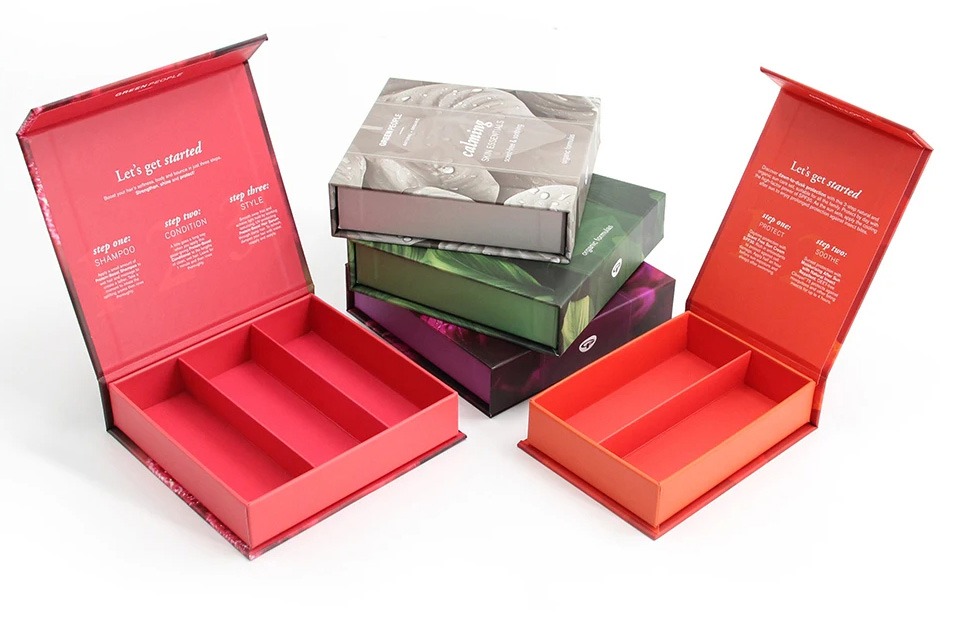
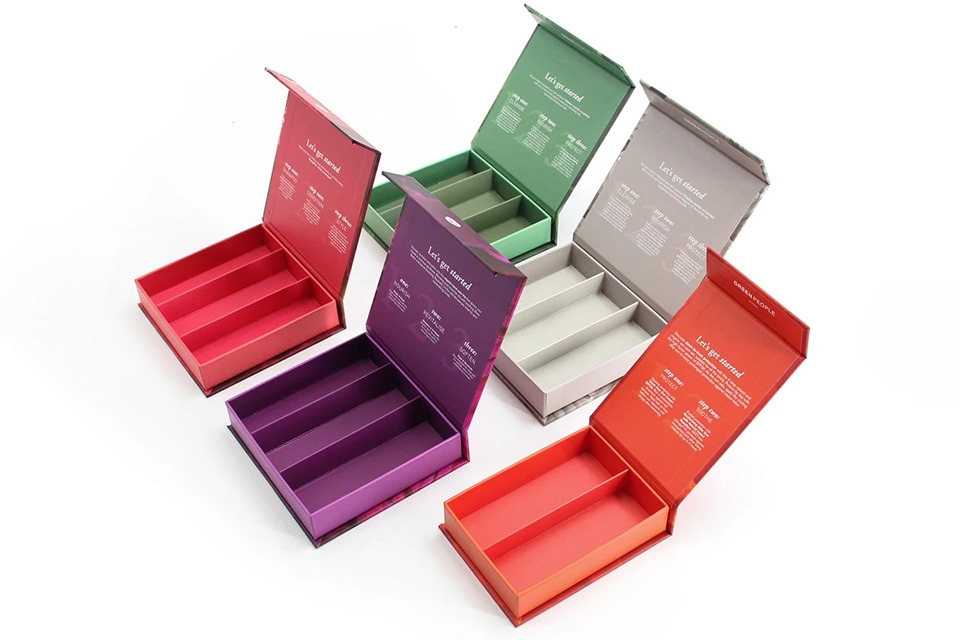
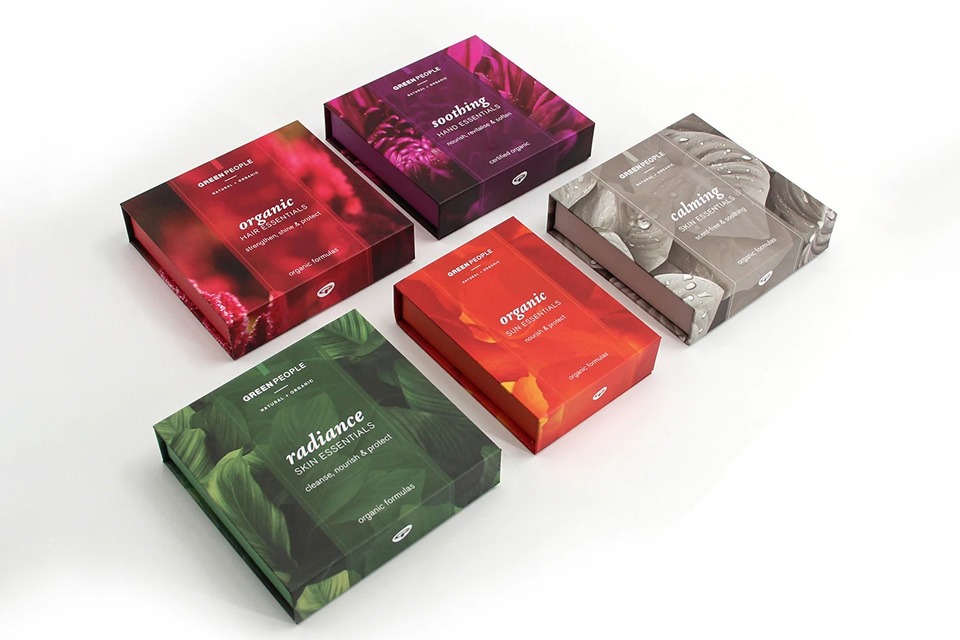
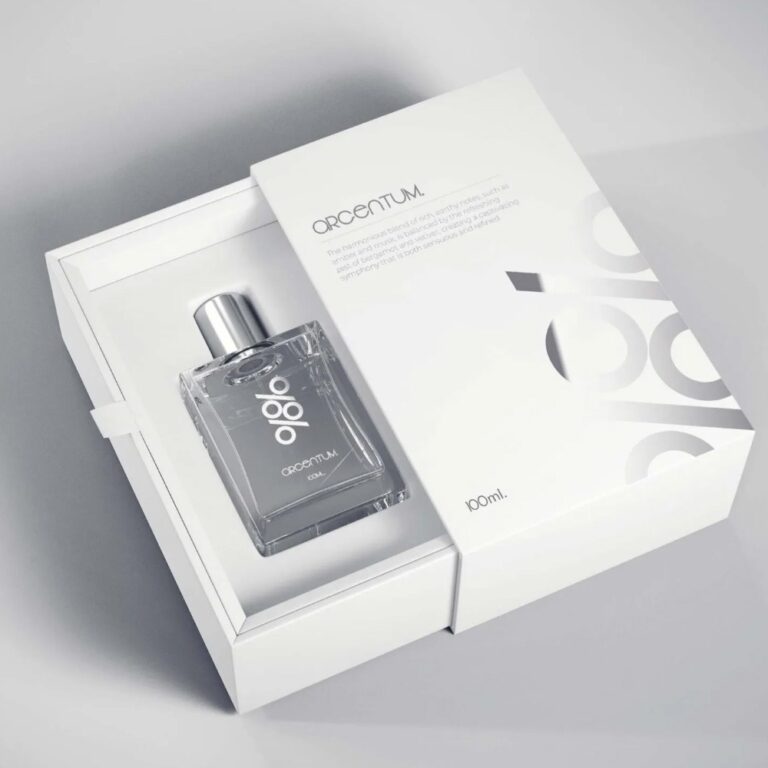
For cosmetics and beauty, structure and presentation matter even more. A packaging direction like this custom cosmetics packaging box shows how brands combine retail feel with production scalability.
Supply chain optimization and damage reduction
Packaging is part of supply chain performance. In fulfillment, you’ll hear the same pain points again and again:
packout speed is inconsistent
damage rate spikes during peak season
too many box sizes create inventory headaches
inserts don’t fit after a product revision
This is where packaging engineering pays off. You don’t need “fancy.” You need repeatable.
For heavier items or electronics, corrugated solutions tuned for handling are common. You can look at a corrugated direction like this custom printed corrugated carton box as a reference for structure and handling features.
Argument table: environmental innovation meets business outcomes
Below is a practical argument map you can use in a strategy deck or a supplier briefing. “Source” here means the type of authority behind the claim (regulatory direction, packaging engineering practice, or common e-commerce ops reality). No external links, just clean attribution.
Argument title
What it really means
Operational signal you can track
Source type
Environmental pressure and e-commerce packaging waste
Packaging waste becomes a business constraint, not a PR topic
If your product story leans natural, packaging should match it. Tubes and kraft formats work well for:
soaps, bath items, shampoo bars
gift sets
seasonal bundles
See the biodegradable kraft paper tube direction for how brands package in a way that feels sturdy and more material-consistent.
Where Zhibang creates business value in custom boxes and printing
If you’re buying packaging in bulk, you don’t just need a pretty sample. You need a supplier that can hold the line when volumes rise and timelines tighten.
Zhibang’s value is straightforward:
OEM/ODM support for custom structures, inserts, and printing workflows
Built for bulk wholesale and repeat production runs
A manufacturing mindset with quality control that protects your brand reputation
If you want to learn how the team works, check About Us. If you’re ready to brief a project, go straight to Contact Us.
A simple next step: packaging that sells and ships better
The “packaging revolution” isn’t about being trendy. It’s about making packaging do more jobs at once: protect the product, reduce waste, support compliance, and build trust.
If you’re planning a refresh, start small:
pick your top SKUs
right-size the structure
simplify materials
lock specs and QC
scale the winning format across the line
When you’re ready to explore options, browse Products and build from there.