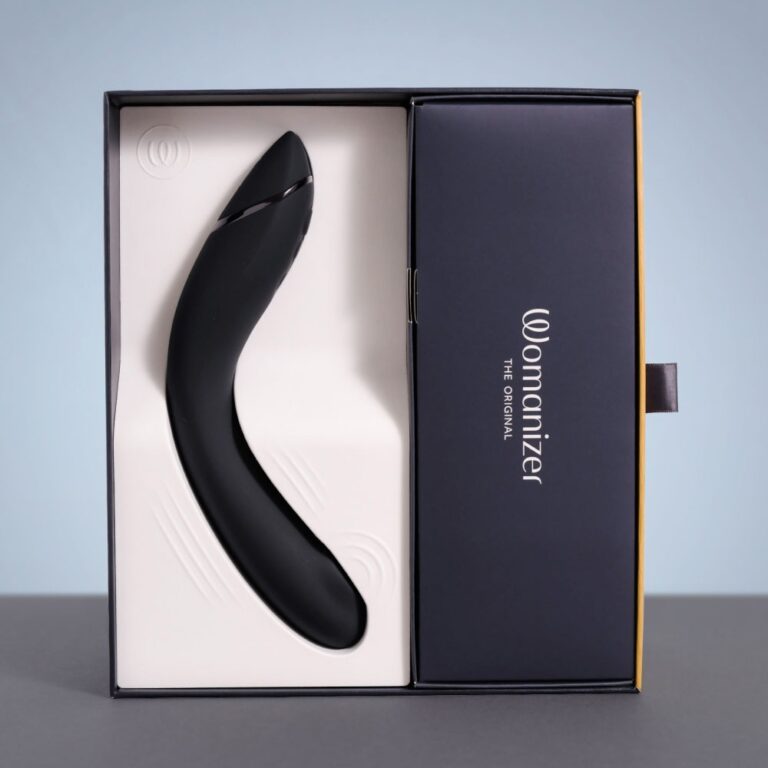
إذا تجاوزت مخاوفك هيكل التغليف أو التفاصيل الفنية، فإن فريقنا الإداري مستعد للتدخل. يمكنك التحدث معنا مباشرةً بشأن التسعير أو الجداول الزمنية العاجلة أو المتطلبات الخاصة أو المشكلات التي لم يتم حلها والتي تحتاج إلى قرارات على مستوى أعلى للمشروع.
نحن نركز على إيجاد حلول عملية تحافظ على تقدم مشروع التعبئة والتغليف الخاص بك، سواء كان ذلك يعني مراجعة التكاليف أو تعديل خطط الإنتاج أو تنسيق تفاصيل التصدير أو مناقشة التعاون طويل الأجل في مجال البيع بالجملة.
تحدث إلى مهندس التغليف
الفريق الهندسي
احصل على إرشادات الخبراء بشأن هيكل الصندوق، واختيار الورق المقوى، وإعداد خط الإنتاج، والطباعة، والتشطيب، وموك وموك وأخذ العينات وتفاصيل الإنتاج قبل البدء في عرض أسعار التغليف المخصص.
تغطي هندسة التعبئة والتغليف عادةً الهيكل والمواد وعملية التصنيع وكفاءة التكلفة وحماية المنتج، لذا فإن هذه الصياغة تتماشى مع نقاط قرار التغليف الحقيقي للعلامة التجارية.
2025 ثورة تغليف العلامات التجارية: كيف يعيد التغليف المخصص تشكيل القدرة التنافسية للأعمال التجارية
في عام 2025، التغليف ليس “إضافة لطيفة”. إنها أول لمسة مادية للعلامة التجارية، وإشارة للجودة، وأداة لوجستية، ومحرك لتكرار الطلبات. عندما تتعامل مع التغليف المخصص على أنه نظام - وليس تصميماً لمرة واحدة - فإنك تجعل عملك أسهل في التوسع وأصعب في التقليد.
زيبانغ هو مصنع شنتشن للتغليف الورقي ركز على الصناديق والطباعة المخصصة, البيع بالجملة بالجملة, و تصنيع المعدات الأصلية/التصنيع حسب الطلب الدعم. وهذا أمر مهم لأن التغليف التنافسي يحتاج إلى أمرين في نفس الوقت: تلميع العلامة التجارية والاتساق من حيث المصنع.
فيما يلي الحجج الرئيسية من منظور “ثورة تغليف العلامات التجارية لعام 2025”، مع إعادة كتابتها بطريقة أكثر عملية وواقعية، مع سيناريوهات يمكنك استخدامها الآن.
التعبئة والتغليف هي نقطة الاتصال الأولى في التجارة الإلكترونية
يقابل العميل الصندوق قبل أن يلمس المنتج. إذا وصل الطرد مكسورًا أو مبعثرًا أو فوضويًا من الداخل، لا يفصل المشتري بين “الشحن” و“العلامة التجارية”. فهو يرى تجربة واحدة.
فك العلبة والتحويل DTC
إذا كنت تدير تجارة إلكترونية في السوق الموازية أو التجارة الإلكترونية عبر الحدود، فأنت تعرف بالفعل ما هي المشاكل: ارتفاع معدل التكلفة الإجمالية للرسوم الجمركية، وسياسات الإرجاع الأكثر صرامة، والعملاء الذين يحكمون بسرعة. يساعدك التغليف على التحكم في هذا الانطباع الأول.
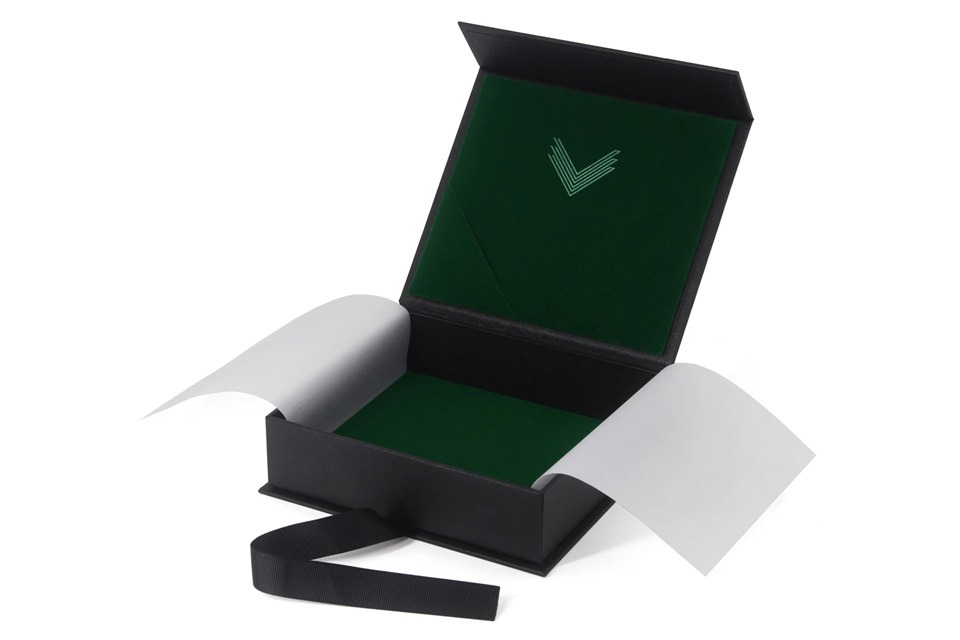
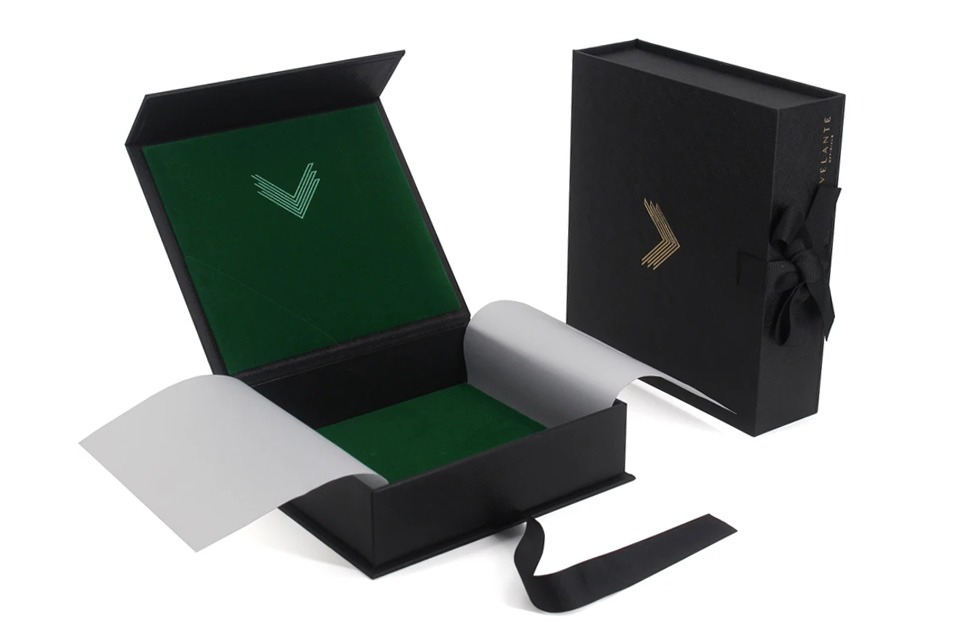
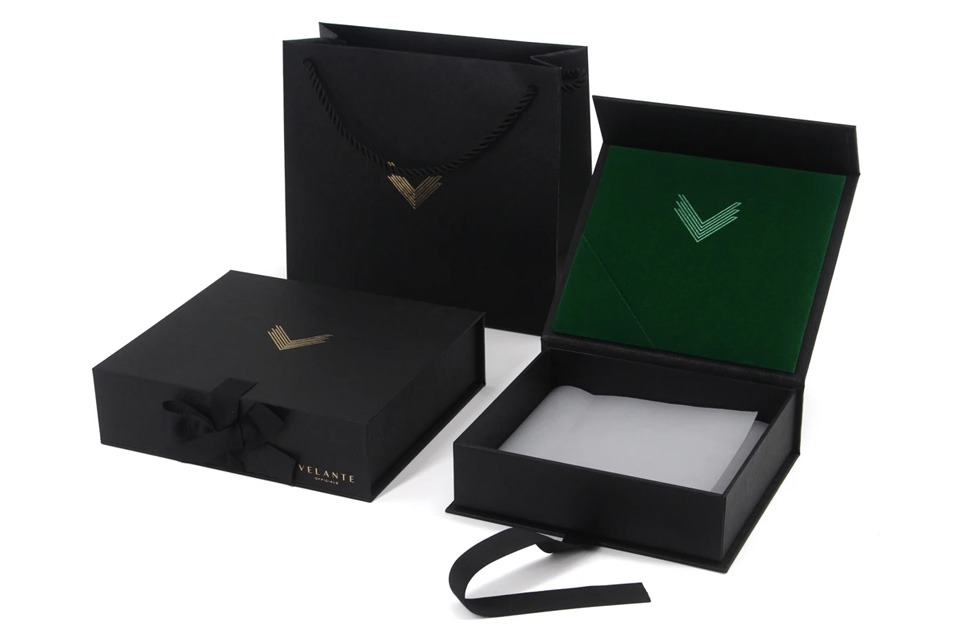
خطوة بسيطة تنجح في الكثير من الفئات: استخدم هيكل صلب الملمس لا يزال يشحن بشكل مسطح. تبدو متميزة، وسريعة التجميع، وسهلة التجميع، ومن السهل توحيدها لعمليات التشغيل بالجملة. على سبيل المثال صندوق هدايا مغناطيسي قابل للطي يمنحك لحظة “رفع الغطاء” النظيفة دون إبطاء الإنجاز.
هيكل جاهز للشحن
إذا استمرت مطالبات التلف والمراجعات السيئة في الظهور، أصلح الهيكل قبل أن تلمس العمل الفني. هدفك بسيط: تقليل الحركة وحماية الزوايا ومنع المنتج من “الطفو” داخل الصندوق.
بالنسبة للعناصر أو المجموعات الأكبر حجمًا، يمكن أن يحافظ الشكل الذي يتخذ شكل الطرود البريدية على العبوة محكمة وملائمة للمستودعات. A صندوق تغليف كمبيوتر محمول مموج قابل للطي مرجع جيد لكيفية موازنة العلامات التجارية بين الحماية وسرعة التجميع والعرض.
التغليف ذو العلامة التجارية يحفز المشاركة الاجتماعية والوصول العضوي
يتشارك الناس التجارب، وليس المواصفات. إذا بدت عبواتك قابلة للهدايا وجاهزة للكاميرا، يقوم العملاء بإنشاء محتوى لك. وهذا يقلل من ضغط المحتوى ويحافظ على علامتك التجارية مرئية بين الدورات الإعلانية.
تفاصيل جاهزية UGC
لا تحتاج إلى رمي كل نهاية في الصندوق. اجعلها محكمة ومتعمدة. الهدف هو “تبدو جيدة في لقطة واحدة”:
وضع شعار واحد واضح (لا تبعثر العلامات التجارية)
لون خارجي قوي يحافظ على ثباته على دفعات مختلفة
كشف داخلي نظيف يكشف لك عن مظهر نظيف ومنظم
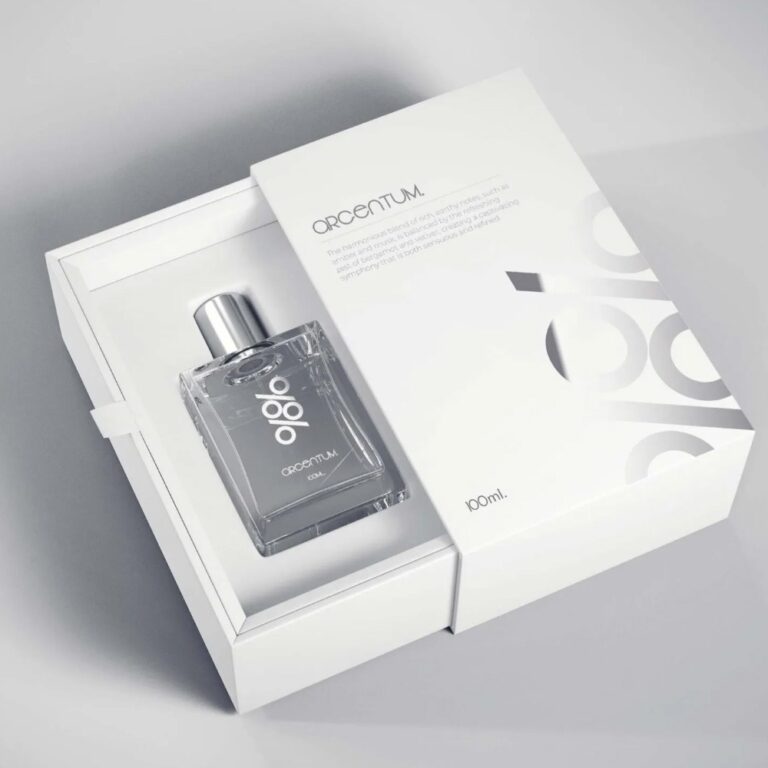
المجوهرات علبة كلاسيكية. صندوق صلب على شكل درج يبني “كشفاً” طبيعياً بدون أي أجزاء إضافية. هذا صندوق تغليف مجوهرات مفتوح منزلق مفتوح يوضح لك كيف يمكنك الجمع بين الهيكل والحامل والملحق الصغير لإنشاء ملحق صغير قابل للمشاركة.
تعمل تجربة فتح العلبة على تحسين تذكر العلامة التجارية وتكرار الشراء
فتح العلبة هو المكان الذي تتحول فيه “قصة العلامة التجارية” إلى شيء مادي. عندما يكون كل شيء ملائمًا وينفتح بسلاسة ويشعر العميل بأنه مقصود، يتذكرك العملاء كعلامة تجارية “تقوم بالأشياء بشكل صحيح”.”
هذا هو المكان الذي تنزلق فيه العديد من الفرق. فهم يركزون على الرسومات وينسون الميكانيكا: التفاوتات وخطوط الصمغ وملاءمة الإدخال والتركيب القابل للتكرار.
إدخالات وحوامل ولحظات “تشبه الهدايا”
إذا كنت تبيع أطقم، أو حزم، أو مجموعات متعددة من وحدات متكاملة متعددة الأغراض، يمكن أن يقلل تصميم الإدراج الخاص بك من وقت التعبئة ويقلل من تذاكر الدعم. وهذا مكسب هادئ سيلاحظه فريق عملياتك بالفعل.
حركات الإدراج الشائعة التي تحل مشكلة حقيقية:
حوامل كرتونية تثبت المنتج في مكانه
إسفنج/إيفا عندما تحتاج إلى ملاءمة مريحة وخدوش أقل
بطاقة إعداد بسيطة لقطع تذاكر “كيف أستخدم هذه البطاقة؟
تعمل الأنابيب الورقية أيضًا بشكل جيد للعناصر التي تحتاج إلى حماية وتأثير على الرف. فهي تقاوم السحق وتمنحك علامة تجارية بزاوية 360 درجة. هذه عبوة أنبوبية ورقية اسطوانية من الورق المقوى هو مثال قوي للهيكل + الحامل + الإحساس المتميز في شكل واحد.
التغليف المتميز يبني الثقة بين الشركات ويقلل من الاحتكاك في المشتريات
في B2B والبيع بالجملة، لا يحكم المشترون على المنتج فقط. بل يحكمون على موثوقيتك. تشير جودة التعبئة والتغليف إلى ما إذا كان بإمكانك التعامل مع الحجم والامتثال وإعادة الطلبات دون مشاكل.
إذا كانت علبتك تبدو غير متناسقة عبر الدفعات، يقلق الموزعون من شكاوى الرفوف والمرتجعات. إذا كانت مناطق الملصقات الخاصة بك فوضوية، فإن المستودعات تنزعج. إذا كانت معلوماتك الكرتونية الرئيسية غير واضحة، تصبح “ذلك المورد” الذي يتجنبه الناس.
الاتساق للموزعين وتجار التجزئة
إليك ما يقرأه مشترو B2B بين السطور:
استقرار المواد ودرجة اللوح عبر الطلبات بالجملة
تحكّم في اللون يبقى محكمًا على المدى الطويل
مناطق الباركود / الملصقات المخطط لها (لا توجد ملصقات في آخر لحظة)
ملصقات كرتونية رئيسية نظيفة للمسح الضوئي وتدفق المخزون
عندما تقفل المواصفات وتحافظ على استقرار الإنتاج، فإنك تقلل من دورات إعادة الطلب وتقلل من عمليات الشراء ذهابًا وإيابًا. وهذه قيمة تجارية حقيقية.
أصبح التغليف المستدام والامتثال لمعايير PPWR رهانًا أساسيًا
لم تعد الاستدامة مجرد تسويق بعد الآن. تواجه المزيد من العلامات التجارية متطلبات بائعي التجزئة وإرشادات المنصة وضغوط اللوائح التنظيمية الإقليمية - خاصةً إذا كنت تبيع في أوروبا أو تخطط لذلك.
يظهر هذا الضغط في القرارات اليومية: خيارات المواد، وقابلية إعادة التدوير، والحجم المناسب، والتوثيق.
المواد الصديقة للبيئة والحجم المناسب
إذا كنت تريد الاستدامة التي تعمل بالفعل في العمليات، فاحرص على أن تكون عملية:
تحديد الحجم المناسب لحجم عبوة الشحن لتقليل ملء الفراغ والتلف
تفضيل الهياكل الورقية عندما تلبي احتياجات الحماية
تجنب الإفراط في التعبئة والتغليف الذي يخلق “تصور النفايات”
اجعل العبوات سهلة الفرز وإعادة التدوير
لا يتعلق الأمر بالوعظ. إنه يتعلق بالبقاء جاهزًا للمشتريات وتجنب الذعر من إعادة التصميم لاحقًا.
التغليف الذكي مع رموز QR و NFC يحول الصندوق إلى قناة مشاركة
معظم العلامات التجارية تترك العلاقة تنتهي عند التسليم. وهذا خطأ. يمكن للتغليف الخاص بك أن يدفع العملاء إلى الخطوة التالية - دون أن يبدو انتهازيًا.
تدفقات ما بعد الشراء
يمكن للرد السريع البسيط توجيه العملاء إلى:
الإعداد أو المحتوى الإرشادي (عدد أقل من المرتجعات، عدد أقل من الشكاوى)
تسجيل الضمان (تسجيل بيانات الطرف الأول النظيفة)
إعادة ملء الصفحات أو إعادة ترتيبها (معدل تكرار أفضل)
فحوصات الأصالة (دعم مكافحة التزييف)
حافظ على القاعدة: رد سريع واحد، ووظيفة واحدة، وصفحة هبوط واحدة نظيفة. إذا قمت بتكديس الكثير من الإجراءات، سيتجاهلها العملاء جميعًا.
تصنيع المعدات الأصلية/التصنيع حسب الطلب (OEM/ODM) وتنفيذ الجملة بالجملة
الأفكار لا تتوسع. الأنظمة تتوسع. العلامات التجارية الفائزة في عام 2025 تدير التغليف مثل برنامج الإنتاج: مواصفات متسقة، ومعايير واضحة لمراقبة الجودة، وملفات جاهزة لإعادة الطلب.
إليك سير عمل بسيط مناسب للمصنع يحمي جدولك الزمني:
تأكيد البنية أولاً (الحجم، والخطوط، ومنطق الإدراج)
اختر الطباعة والتشطيبات التي يمكن أن تكررها علامتك التجارية
الموافقة على عينة ما قبل الإنتاج
تشغيل الإنتاج الضخم مع نقاط فحص مراقبة الجودة
قفل مواصفات إعادة الترتيب لحماية الاتساق عبر الدفعات
إذا كنت ترغب في استكشاف المزيد من تنسيقات التغليف والتعرف على ما هو ممكن، ابدأ من هنا: منتجات التعبئة والتغليف المخصصة. إذا كنت بحاجة إلى إيجاز متطلبات OEM/ODM أو مواصفات الشراء بالجملة، استخدم: اتصل بنا. للحصول على نظرة عامة سريعة على الإمكانيات والموقع، تفضل بزيارة الصفحة الرئيسية: مصنع شينزين للتغليف الورقي | علب مخصصة وطباعة. إذا كنت تريد خلفية عن المصنع ونهج الإنتاج، انظر: نبذة عنا.
جدول الحجج الرئيسية والأدلة الداعمة
الحجة (العنوان الرئيسي الذي يمكنك إعادة استخدامه)
ما يعنيه ذلك بعبارات واضحة
السيناريو العملي
مصدر الدليل
التعبئة والتغليف هي نقطة الاتصال الأولى في التجارة الإلكترونية
يضع الصندوق الثقة قبل المنتج
يقلل البائع عبر الحدود من شكاوى “وصل تالفًا” من خلال إصلاح الهيكل + الملاءمة
موضوع Zhibang “ثورة تغليف العلامة التجارية لعام 2025” + منطق تنفيذ المصنع
التغليف ذو العلامة التجارية يحفز المشاركة الاجتماعية والوصول العضوي
موضوع زيبانغ “ثورة تغليف العلامات التجارية لعام 2025”
تعمل تجربة فتح العلبة على تحسين تذكر العلامة التجارية وتكرار الشراء
الملاءمة والتشطيب والترتيب يخلقان الذاكرة
تضيف مجموعة الاشتراكات نظام الحامل لإيقاف القعقعة وتقليل المرتجعات
ممارسة التعبئة والتغليف Zhibang + أولويات مراقبة الجودة في الإنتاج
التغليف المتميز يبني الثقة بين الشركات ويقلل من الاحتكاك في المشتريات
الاتساق يجعل إعادة الطلبات سهلة
يعمل خط الموزعين على توحيد المواصفات ومناطق وضع العلامات لتبسيط عمليات المستودعات
منطق Zhibang OEM/ODM + البيع بالجملة بالجملة
أصبح التغليف المستدام والامتثال لمعايير PPWR رهانًا أساسيًا
المشترون يتوقعون عبوات قابلة لإعادة التدوير وذات حجم مناسب
تحولات العلامة التجارية التي تواجه الاتحاد الأوروبي إلى التنسيقات الورقية والتواصل المادي الأكثر وضوحًا
اتجاه زيبانج للاستدامة + ضغط الامتثال للسوق
التغليف الذكي مع رموز QR و NFC يحول الصندوق إلى قناة مشاركة
يمكن للتغليف أن يحفز إجراءات ما بعد الشراء
يستخدم بائع الإلكترونيات QR للإعداد + تسجيل الضمان لخفض تذاكر الدعم
زاوية “التغليف الذكي” من Zhibang + حالة استخدام الاحتفاظ بـ Zhibang
كيفية البدء دون تعقيد الأمر أكثر من اللازم
إذا كنت تريد نتائج في هذا الربع، لا تقم بإعادة تصميم كل شيء. ابدأ بوحدة تخزين واحدة كبيرة الحجم وقناة واحدة.
اختر وحدة حفظ المخزون الرئيسية أو العنصر الأكثر طلباً لديك
تحديد الوظيفة: الحماية أو تأثير الرف أو الإهداء أو تدفق الاشتراكات
اختر هيكل قابل للتطوير (جهاز إرسال بريدي، درج صلب، مغناطيسي قابل للطي، أنبوب)
إضافة مكسب تشغيلي واحد (إدراج ملاءمة، تعبئة أسرع، وضع ملصقات أنظف)
قفل المواصفات لقابلية التكرار بحيث تبدو كل دفعة مثل نفس العلامة التجارية
هذه هي الطريقة التي يعيد بها التغليف المخصص تشكيل القدرة التنافسية في عام 2025: فهو يقلل من الاحتكاك ويحسن القيمة المتصورة ويحول التغليف إلى أصل قابل للتكرار - مصمم للحجم الكبير ومصممة لمصنعي المعدات الأصلية/التصنيع حسب الطلب، ومصممة للتوسع.