إذا تجاوزت مخاوفك هيكل التغليف أو التفاصيل الفنية، فإن فريقنا الإداري مستعد للتدخل. يمكنك التحدث معنا مباشرةً بشأن التسعير أو الجداول الزمنية العاجلة أو المتطلبات الخاصة أو المشكلات التي لم يتم حلها والتي تحتاج إلى قرارات على مستوى أعلى للمشروع.
نحن نركز على إيجاد حلول عملية تحافظ على تقدم مشروع التعبئة والتغليف الخاص بك، سواء كان ذلك يعني مراجعة التكاليف أو تعديل خطط الإنتاج أو تنسيق تفاصيل التصدير أو مناقشة التعاون طويل الأجل في مجال البيع بالجملة.
تحدث إلى مهندس التغليف
الفريق الهندسي
احصل على إرشادات الخبراء بشأن هيكل الصندوق، واختيار الورق المقوى، وإعداد خط الإنتاج، والطباعة، والتشطيب، وموك وموك وأخذ العينات وتفاصيل الإنتاج قبل البدء في عرض أسعار التغليف المخصص.
تغطي هندسة التعبئة والتغليف عادةً الهيكل والمواد وعملية التصنيع وكفاءة التكلفة وحماية المنتج، لذا فإن هذه الصياغة تتماشى مع نقاط قرار التغليف الحقيقي للعلامة التجارية.
نادرًا ما تبدأ أعطال التعبئة والتغليف في الإنتاج، فهي تبدأ في الهياكل غير المحددة المواصفات
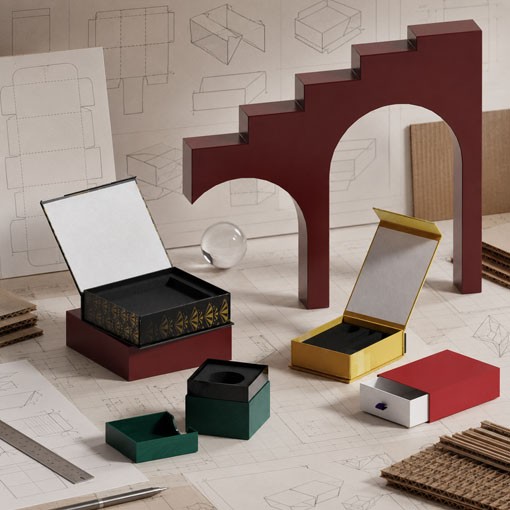
يمكن أن تفشل العلبة الجميلة إذا كانت درجة اللوح أو هندسة الإدخال أو علامة القفل أو اتجاه الفلوت أو شكل الضغط خاطئًا. تحوّل الهندسة الإنشائية مقصد العلامة التجارية إلى نظام تغليف قابل للتصنيع والاختبار وجاهز لوجستيًا.
المشكلة: التغليف الزائد عن الحد أو الهش
يؤدي الورق المقوى الزائد إلى تضخيم تكلفة الوحدة والشحن. وتزيد الهياكل الضعيفة من التلف والمرتجعات وإعادة التغليف وشكاوى العملاء قبل أن تحصل العلامة التجارية على رصيد على الرف.
التحريض: التكاليف الخفية تتراكم بسرعة
يمكن أن يؤدي عدم ملاءمة 2 مم إلى إجراء مراجعات للأدوات. يمكن لمكعب المنصة النقالة الرديء أن يرفع تكلفة الهبوط. يمكن للإدخال الذي يتغير أثناء النقل أن يحول فتح العلبة الممتازة إلى حدث استرداد.
الحل: قم بالهندسة قبل الشراء
نحدد الهيكل، والركيزة، والتفاوتات المسموح بها، ومسار النموذج الأولي، ومسار الاختبار، ومعايير إصدار الإنتاج قبل بدء تصنيع الأدوات والإنتاج بكميات كبيرة.
اختر الهيكل المناسب قبل أن تحدده لك قيود التكلفة أو التلف أو موك قبل أن تحدده لك قيود التكلفة أو التلف أو موك.
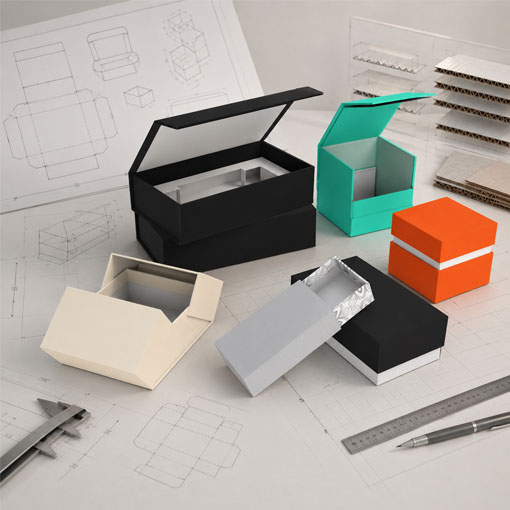
يتطلب كل شكل من أشكال التعبئة والتغليف منطق ركيزة مختلف، وفحوصات تفاوت التحمل، وقيود الاستيفاء، ومسارات التحقق من الصحة. تمنح هذه المصفوفة فرق التوريد والمهندسين أساسًا أسرع للمقارنة.
تنسيق التغليف
الركائز الشائعة
نقاط التفتيش الهندسية
مسار التحقق من الصحة
حالة الاستخدام الأنسب
كرتون قابل للطي
SBS، C1S، C1S، CCNB، لوح كرافت، نطاقات الفرجار 12-24 نقطة
عمق التجاعيد، وملاءمة قفل الثنية، وعرض رفرف الغراء، وحمل علامة التعليق، والمناطق الآمنة للأعمال الفنية
أسئلة هندسة التغليف الإنشائية التي يطرحها المشترون قبل الإنتاج
إجابات مباشرة لفرق المشتريات، ومسوّقي المنتجات، ومهندسي التغليف، وأصحاب المصلحة في العمليات.
ما هي هندسة التغليف الهيكلي؟
تحدد هندسة التغليف الإنشائية البنية الفيزيائية للعبوة: درجة اللوح، وخطوط الألواح، والطيات، والطيات، والإغلاق، والإدخالات، ومناطق الحماية، والتغليف على منصات نقالة وتفاوتات الإنتاج. والغرض منها هو جعل التغليف جذاباً وقابلاً للتصنيع والحماية وفعالاً من حيث التكلفة.
كيف يختلف تصميم التغليف الهيكلي عن تصميم التغليف الجرافيكي؟
يحدد التصميم الهيكلي للتغليف بنية العبوة، بما في ذلك الخطوط والطيات والإغلاق والركائز والإدخالات ومتطلبات الأداء. يركز التصميم الجرافيكي للتغليف على الهوية المرئية والطباعة والصور والألوان ورسائل العلامة التجارية المطبقة على هذا الهيكل الهندسي.
ما هي معايير اختبار التغليف التي يجب أخذها في الاعتبار؟
تأخذ العديد من البرامج في الاعتبار الفحص على غرار ISTA أو إجراءات المحاكاة العامة واختبار التوزيع ASTM D4169. ويعتمد المسار الصحيح على وزن المنتج وهشاشته ومسار التنفيذ وتعرض ناقل الطرود والتوزيع على منصات نقالة ومتطلبات بائع التجزئة.
كيف يمكن للهندسة تقليل تكلفة التغليف دون إضعاف الحماية؟
يأتي خفض التكلفة من الحجم الصحيح، واستبدال المواد، والاتجاه الأمثل للفلوت، وتحسين هندسة الحشوات وشحن العبوات المسطحة، وتحسين عدد الكرتون الرئيسي، وانخفاض الوزن البعدي. الهدف هو إزالة النفايات مع الحفاظ على نقاط الحماية الحرجة.
هل يمكن أن تظل المواد المستدامة تفي بمتطلبات القوة؟
نعم، ولكن يجب تصميم مطالبات الاستدامة هندسيًا. يجب تقييم الورق المقوى المعتمد من مجلس رعاية الغابات والورق المموج ذي المحتوى المعاد تدويره والألياف المصبوبة والطلاءات القائمة على الماء واستراتيجيات تقليل البلاستيك مقابل متطلبات الضغط وجودة الطباعة وحساسية الرطوبة والتشطيب.
ما هي المدخلات المطلوبة للحصول على عرض أسعار؟
قدم أبعاد المنتج، ووزن المنتج، ومخاوف الهشاشة، وكمية الطلب، وشكل التغليف المستهدف، وطريقة الشحن، وقناة البيع بالتجزئة، وحالة العمل الفني، ومتطلبات الاستدامة، وأي عينات حالية من العبوات أو ملاحظات عن الأعطال.
ما هو خط التصميم بمساعدة الحاسوب في التعبئة والتغليف؟
خط التصميم بمساعدة الحاسوب هو المخطط الفني للحزمة. وهو يحدد خطوط القطع وخطوط التجاعيد ومناطق الصمغ ومناطق التسييل وهوامش الأمان وعلامات القفل والإدخالات والطيات وتفاوتات الإنتاج التي تستخدمها فرق التصميم وما قبل الطباعة والأدوات والتصنيع.
كيف تعمل النماذج الأولية على تحسين أداء التغليف؟
تسمح النماذج الأولية للفرق بتقييم مدى ملاءمة المنتج وسرعة التجميع وقوة الإغلاق والاحتفاظ بالملحقات وعرضها على الرفوف وتجربة فتح العلبة ومخاطر النقل قبل الالتزام بتصنيع الأدوات أو الإنتاج بكميات كبيرة.
يمكن تقليل الوزن من حيث الأبعاد عن طريق تحديد الحجم المناسب للهيكل، وتحسين تداخل المنتجات، وتقليل المساحة الفارغة، وتحسين هندسة الإدخال، وتسطيح أشكال الشاحن، وتحسين عدد الكراتين الرئيسية، وزيادة كفاءة مكعبات المنصات النقالة.
هل يمكن تصميم الحشوات الواقية بدون رغوة بلاستيكية؟
نعم. اعتمادًا على هشاشة المنتج ومتطلبات القناة، قد تشمل البدائل إدراج الورق المقوى المطوي، وأنظمة الاحتفاظ المموج، وصواني الألياف المقولبة، واللب المقولب، والأغلفة الورقية، والهياكل الهجينة التي تقلل من الاعتماد على البلاستيك.
ما هي فحوصات الجودة اللازمة قبل الإنتاج بكميات كبيرة؟
تشمل الفحوصات الرئيسية دقة الخطوط وتأكيد الركيزة والتحقق من الركيزة والتحقق من الفرجار ومحاذاة الطيات والتجاعيد وقوة الغراء وملاءمة الغراء وملاءمة الإغلاق والاحتفاظ بالإدخال وتسجيل الطباعة ووضع الطلاء وقابلية قراءة الباركود وضغط الكرتون واعتماد المادة الأولى.
حوّل أبعاد منتجك إلى نظام تغليف قابل للتصنيع
استخدم هذا المدخل الهندسي لإيجاز الهيكل والمواد واحتياجات الاختبار والقيود اللوجستية قبل البدء في أخذ العينات أو الأدوات أو عروض أسعار الإنتاج.