If your concern goes beyond packaging structure or technical details, our managing team is ready to step in. You can speak with us directly about pricing, urgent timelines, special requirements, or unresolved issues that need higher-level project decisions.
We focus on finding practical solutions that keep your packaging project moving forward, whether that means reviewing costs, adjusting production plans, coordinating export details, or discussing long-term wholesale cooperation.
Talk to Packaging Engineer
Engineering Team
Get expert guidance on box structure, paperboard selection, dieline setup, printing, finishing, MOQ, sampling, and production details before starting your custom packaging quote.
Packaging engineering typically covers structure, materials, manufacturing process, cost efficiency, and product protection, so this wording is aligned with real branded packaging decision points.
Unlocking Business Success: The Significance of Custom Packaging
If you sell a physical product, your packaging isn’t “extra.” It’s part of the product. It shapes how people judge quality, how safely items arrive, how fast your brand gets recognized, and how smooth your ops run.
That’s why many retail brands, cross-border sellers, wholesalers, and private-label teams treat packaging like a growth lever. At Zhibang, we build custom paper packaging in Shenzhen for bulk orders and OEM/ODM workflows, so you can keep your brand consistent and your supply chain steady. You can start from the Shenzhen paper packaging factory homepage , browse the products , learn more about us , or reach out on the contact page .
Before we get into real-world scenarios, here’s a quick map of the core business arguments.
Argument (what packaging does)
What you can measure (no math needed)
Typical buyer pain point it fixes
Zhibang reference pages
Better customer experience
Repeat orders, reviews, unboxing photos
“My product is good, but it doesn’t feel premium.”
People don’t say it out loud, but they judge your product before they even touch it. The box, the print, the way it opens, and how the item sits inside all send a message.
Here’s a common scene: a customer opens a skincare order and the jar looks great, but the packaging feels thin, the insert shifts, and the logo looks dull. That customer now wonders if your formula is “just okay,” even if it’s excellent. Packaging creates that first impression fast, so it’s worth designing on purpose.
What usually works well in real sales scenarios
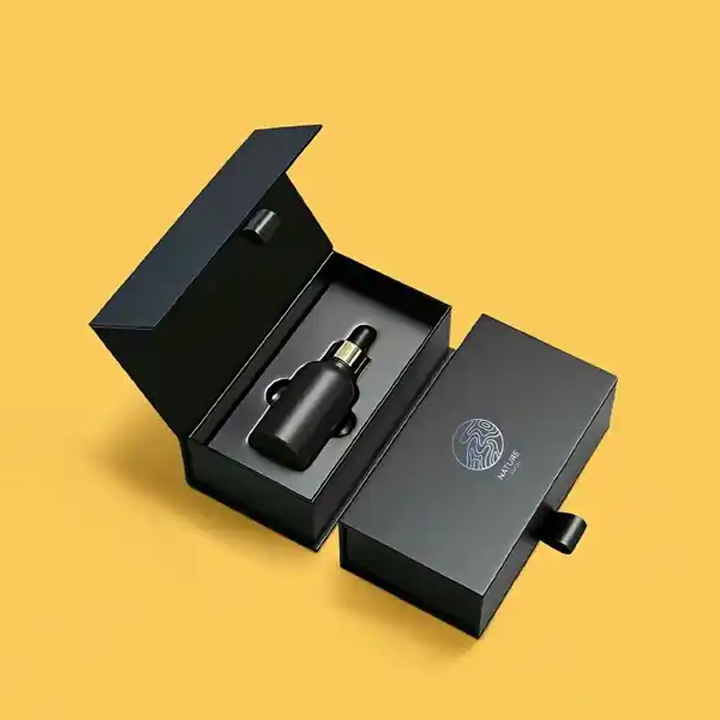
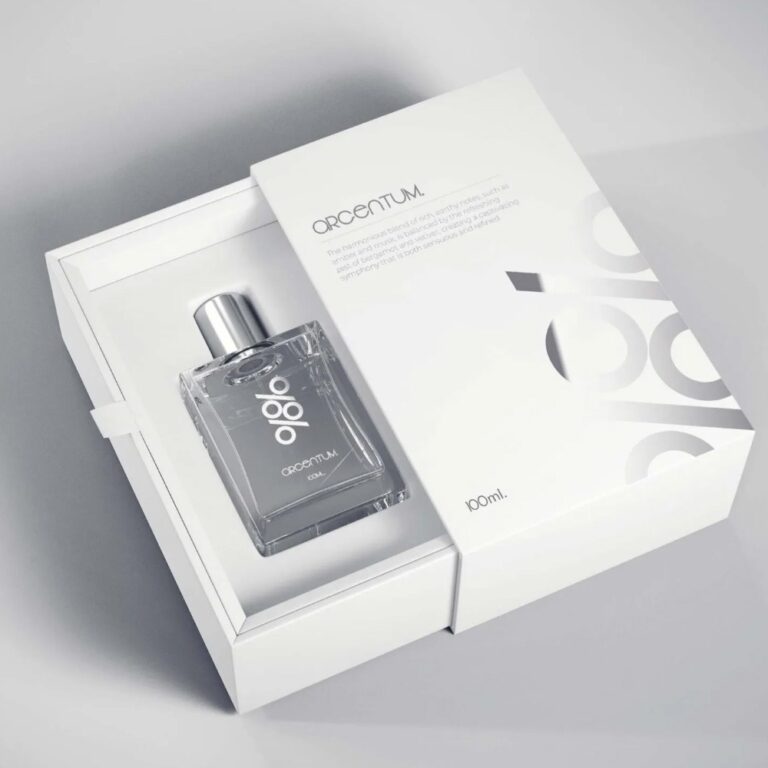
Rigid boxes for premium sets and gift-ready items (skincare kits, fragrance, high-end cosmetics).
Clean finishes like matte lamination, hot foil, emboss/deboss, or spot UV when you want a “brand-level” feel.
Inserts that fit (EVA/foam/paperboard) so the product doesn’t rattle like loose change.
If your catalog includes makeup or skincare, a product-style reference is this custom cosmetic box . You can use that style as a starting point, then adjust size, structure, and print specs.
Unboxing experience for DTC and subscription boxes
Subscription brands live and die on retention. The easiest retention win often looks boring: make the unboxing feel tidy and intentional. When customers open a box and everything “clicks,” they trust you more. They also complain less.
Small touches help:
A consistent color system across SKUs (so your lineup looks like one brand, not five suppliers).
A structured insert (so the product sits straight, even after long-distance shipping).
A lid style that opens smoothly and doesn’t tear.
Better protection
Protection sounds like an operations topic, but it hits revenue directly. Damage creates refunds, reships, chargebacks, and bad reviews. That’s a brutal chain reaction, especially for cross-border ecommerce.
Custom packaging helps because you stop guessing. You pick the board grade, the structure, and the insert based on the product’s risk.
Protective packaging for ecommerce shipping
If you ship across countries or through multiple carriers, build your packaging like a tiny logistics system:
Use corrugated cartons when you need stacking strength.
Use inner protection (EVA/foam/paperboard) for fragile or scratch-prone items.
Reduce movement inside the box. Movement is where damage starts.
A practical reference is a printed corrugated carton . It’s the kind of structure many sellers use for shipping stability while still keeping brand print visible.
Insert design: EVA, foam, and paperboard holders
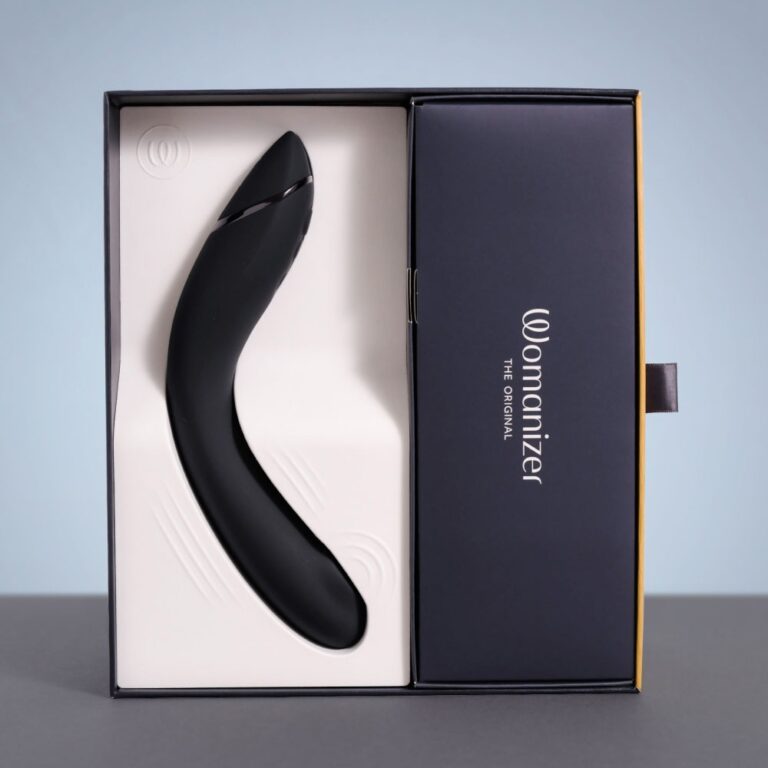
Inserts do two jobs at once: they protect the product and make it look expensive. That’s why brands love EVA/foam for electronics, beauty devices, and glass containers. Paperboard inserts work well when you want lighter weight and clean recycling.
If you’re building a kit (multiple items in one pack), inserts also keep pick-and-pack simple. Your packing team won’t need to “figure it out” each time.
Stronger branding
Your packaging travels farther than your ads. It hits shelves, warehouses, living rooms, and social feeds. It also sits around after purchase, which means it keeps reminding customers about you.
Branding isn’t just the logo. It’s the whole system:
Color accuracy (CMYK vs Pantone decisions)
Typography that stays readable
Finishes that match your positioning (minimal, luxury, playful, clinical)
Retail packaging and shelf impact
Retail moves fast. If your box looks generic, shoppers will treat your product like a commodity. If your packaging looks coherent and premium, it earns a second look.
If your business includes offline retail or pop-ups, paper shopping bags are a cheap way to keep your brand visible in the real world. A reference style is these custom cosmetic shopping paper bags . They work well for boutiques, counters, and gift purchases.
OEM/ODM packaging consistency across SKUs
Brands scaling into bulk orders often hit the same headache: different SKUs come from different factories, and packaging starts drifting. Colors shift. Materials change. Finishes look “close enough.”
That’s where a packaging supplier with OEM/ODM experience helps. You lock the spec once (dieline, materials, print standard, finishing), then repeat it across product lines. That’s how big brands keep the shelf looking clean.
More memorability and sharing
People share what looks good and feels special. They don’t share a plain brown box unless something went wrong.
If you want more organic content, don’t beg for it. Make the packaging worth posting.
Jewelry and gift packaging that triggers “keep the box” behavior
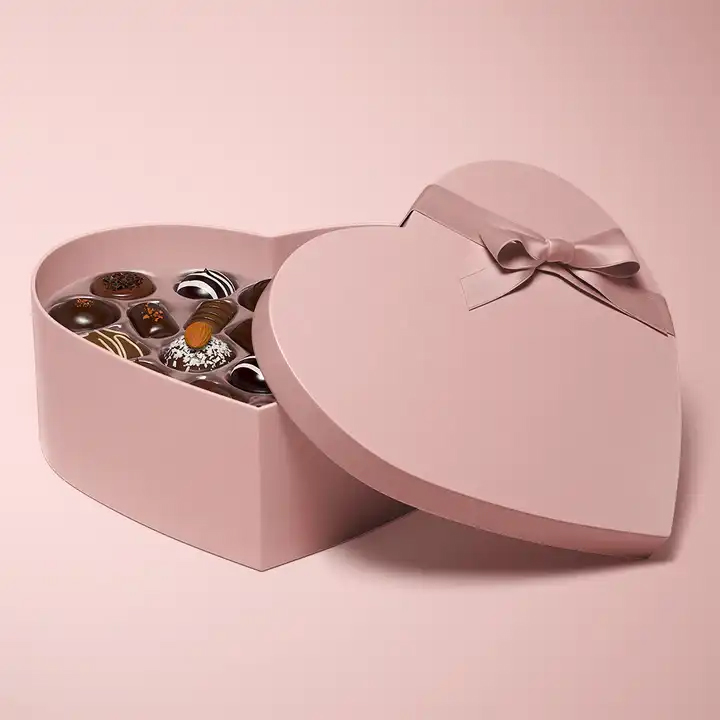
Jewelry is a great example because packaging doesn’t just protect. It becomes part of the gift. When the box feels premium, customers keep it. That extends your brand presence.
A strong reference style is a jewelry drawer gift box with velvet tray . Drawer structures often photograph well, open smoothly, and feel like a “real gift” without extra wrapping.
Brand storytelling without extra words
You don’t need long copy. You need one clear story:
Who is this for?
What does it solve?
Why should I trust it?
Packaging can carry that story with simple design choices: a short tagline, a clean icon set, a consistent color code, and premium finishing in the right places.
Cost savings via right-sizing
This isn’t about squeezing pennies. It’s about removing friction in your process.
Oversized packaging creates chaos:
More void fill
Slower packing speed
Messier storage
Higher chance of damage from movement
Right-sizing fixes that because every layer has a job. The product fits. The insert holds. The outer carton stacks. Your team packs faster, and customers receive cleaner deliveries.
Right-size packaging for warehouse efficiency
If your packing line feels slow, look at these signals:
Too many box sizes in the warehouse
Staff “building a solution” for each order
Extra tape, extra filler, extra handling
Custom sizing and repeatable structures reduce those choices. It makes your workflow predictable, which is what ops teams want.
Custom packaging workflow: design, sampling, bulk production
If you buy packaging in bulk, you’ll move faster when you treat it like a simple workflow:
Define the use case: retail shelf, DTC shipping, gift set, distributor cartons
Confirm the structure: rigid box, folding carton, drawer box, corrugated carton, paper bag
Lock print specs: colors, finishing, logo placement, barcodes, compliance text
Build a sample: confirm fit, color, and opening feel
Scale into production: keep QC consistent and repeat the spec across SKUs
You can start by scanning the products page to align on box types, then share your dieline or product dimensions through the contact page . If you want background on the factory and capabilities, the about us page is a good place to begin .