If your concern goes beyond packaging structure or technical details, our managing team is ready to step in. You can speak with us directly about pricing, urgent timelines, special requirements, or unresolved issues that need higher-level project decisions.
We focus on finding practical solutions that keep your packaging project moving forward, whether that means reviewing costs, adjusting production plans, coordinating export details, or discussing long-term wholesale cooperation.
Talk to Packaging Engineer
Engineering Team
Get expert guidance on box structure, paperboard selection, dieline setup, printing, finishing, MOQ, sampling, and production details before starting your custom packaging quote.
Packaging engineering typically covers structure, materials, manufacturing process, cost efficiency, and product protection, so this wording is aligned with real branded packaging decision points.
Exploring Key Elements of Child-Resistant Packaging and Regulations
If you sell anything a kid could grab—vape cartridges, CBD oil, nicotine products, topical creams, even some household items—your packaging isn’t just “a box.” It’s part of your risk control, your compliance story, and your brand’s first impression.
At Zhibang, we build custom paper packaging in Shenzhen for bulk buyers: OEM/ODM runs, wholesale orders, and brands that need stable quality control. If you’re browsing our site, start at the homepage and then jump to Products to see styles, inserts, and structures you can adapt to child-resistant (CR) requirements.
Child-Resistant Packaging Definition
Child-resistant doesn’t mean “childproof.” It means kids under 5 will struggle to open it in a set time, while adults can still use it the right way. That balance drives every decision: structure, locking method, materials, and even how you explain opening steps.
Here’s the mistake we see a lot: brands chase “harder to open” and end up with angry customers, high returns, and bad reviews. The smarter route is “hard for kids, reasonable for adults,” then prove it with testing.
PPPA and 16 CFR 1700 Requirements
In the U.S., the big keyword is PPPA (Poison Prevention Packaging Act) and the test framework lives in 16 CFR Part 1700. You don’t need to memorize legal text. You do need to understand what buyers, distributors, and compliance teams look for:
Performance thresholds come from standardized child/adult panels.
Testing matters more than claims. Saying “CR” on a box without test support can become a liability.
Primary packaging is the focus. A fancy outer box doesn’t help if the immediate pack can be opened easily.
If you’re shipping into regulated categories (vape, cannabis, nicotine), your buyer may also ask for state-level alignment. That’s where specs like opacity, warning panels, and “no kid-attracting graphics” show up.
ISO 8317 Testing Standard
If you sell across regions, ISO 8317 is a common reference for reclosable child-resistant packaging. Many teams use it as a shared language when the market mix gets messy: the U.S. buyer talks CFR, the EU buyer talks ISO, and your factory needs one clear test plan.
You don’t have to choose one forever. In real life, brands often design one structure and validate against the standard that fits the destination market and product type.
Child-Resistant Mechanisms
Most CR solutions follow one simple idea: make the opening action multi-step or require a specific sequence. Kids don’t fail because they’re weak. They fail because the motion needs coordination, timing, or understanding.
Common paper-pack CR directions you’ll see in the field:
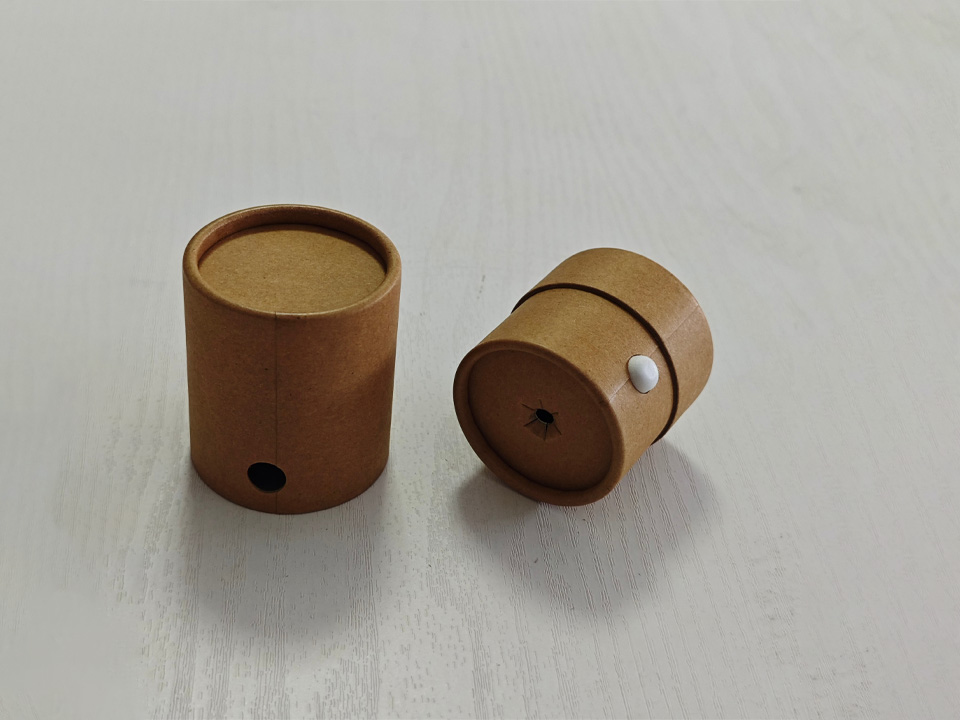
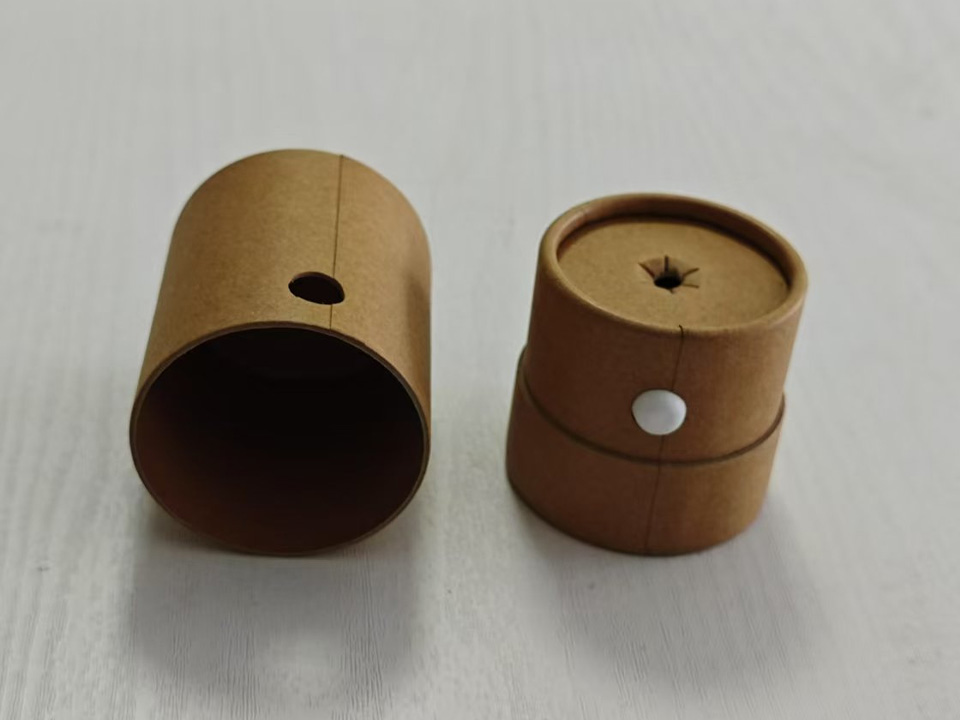
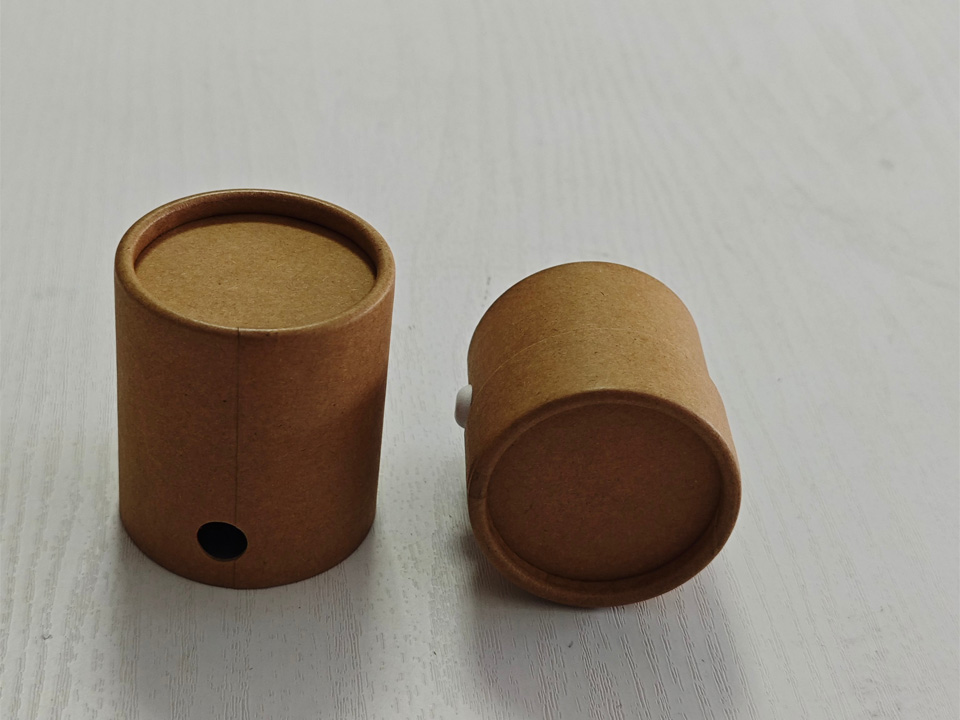
Press-and-slide (push button + drawer release)
Push-and-turn (more common in caps, but can inspire hybrid paper locks)
Squeeze points (two-side pinch + pull)
Hidden tabs (a “find it first” step slows down children fast)
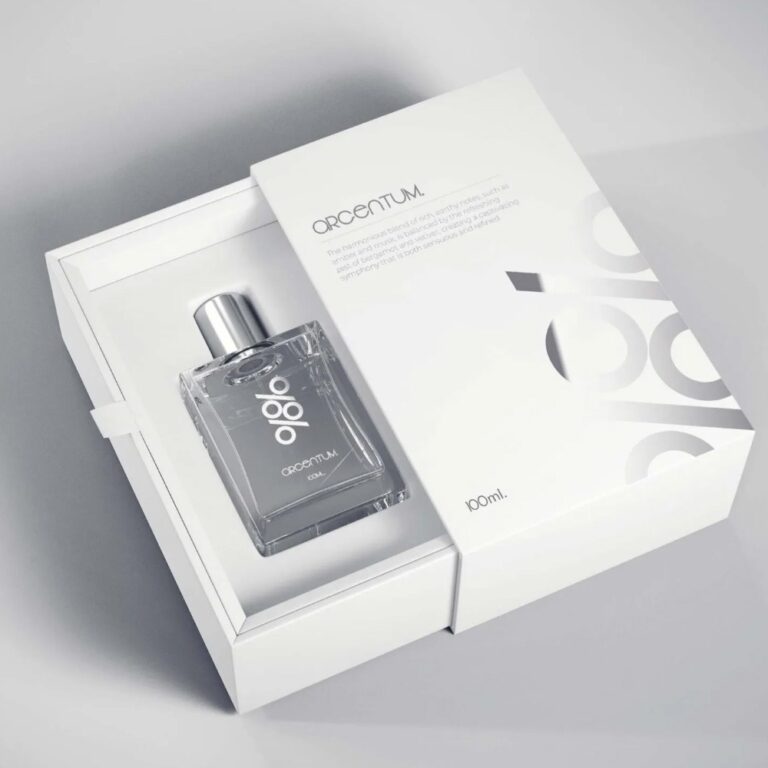
If your product is a vape cartridge, a drawer box with a press-button lock is a clean fit because it looks premium and it’s easy to scale. A good starting reference on our side is a structure like Custom Child-Resistant Vape Cartridge Packaging Box.
Primary Packaging vs Secondary Packaging
This one causes expensive rework.
Primary (immediate) packaging is what directly contains the product. Secondary packaging is the outer carton, gift box, or shipper.
If your cartridge sits in a simple blister or inner tube that opens easily, then an outer rigid box won’t always satisfy compliance needs. Many buyers will ask: “Is the immediate pack child-resistant, or only the outer box?”
Paper-based CR solutions often combine:
A CR outer structure (locked drawer box / locked tube)
A secure insert (EVA, paperboard holder, or molded pulp)
Optional tamper-evidence (seal labels or tear strips)
CR structure is only half the job. The other half is what your customer reads in 2 seconds.
Good compliance-focused labeling usually includes:
Clear open instructions (“Press here, then slide out”)
Warning panels (age restriction, keep out of reach of children)
Dosage / strength cues (common for oils, creams, and regulated items)
Batch codes or traceability marks for QA workflows
And yes—your design team still gets room to flex. We often place warnings in a controlled layout while keeping premium finishes on brand zones: hot foil, emboss, spot UV, soft-touch lamination. That’s how you protect both compliance and shelf impact.
If you package oils, a rigid box with insert control can look high-end while staying practical for bulk runs. Example style reference: Wholesale CBD Oil Packaging Lid and Base Box.
Opaque Packaging Requirements
Opacity sounds simple, but it hits design, materials, and printing.
Some regulated categories prefer or require opaque packaging so kids can’t see bright product shapes or candy-like colors. In paper packaging, opacity isn’t hard—you control it with:
Board thickness and inner liner
Coatings and lamination choices
Window removal (or switching to non-clear structures)
If your current design uses a clear window for merchandising, you may need a version split: one for non-regulated channels, one for regulated SKUs.
Child-Resistant Testing and Certification
Here’s what a practical workflow looks like when you don’t want surprises:
Dieline + prototype (white sample first, then printed sample)
Panel testing plan aligned to PPPA/16 CFR or ISO 8317
Pilot run to confirm consistency (this step saves you headaches)
Bulk production with QC checkpoints (lock function, fit, friction, insert tolerance)
A lot of brands skip step 4 and pay for it later. Small tolerances change lock performance. Paper is not plastic; humidity, coating, and die-cut accuracy all matter.
“State-level requirements can add opacity + warnings”
You may need opaque board + warning layout
Category-dependent
State cannabis/nicotine packaging rules (varies by market)
Real-World Use Cases
Vape cartridge packaging
You’re fighting two problems at once: compliance and damage rates. A locked drawer structure plus EVA holder reduces rattle, keeps the cartridge centered, and gives you a clean unboxing.
Pre-rolls create a “multi-unit” headache: more parts, more movement, more chances to fail drop tests. A press-button drawer with fixed cavities can keep sticks from snapping and helps retail staff handle packs fast.
Your buyers care about premium look, but they also care about leakage stories and customer trust. Inserts (EVA or paperboard) stop the bottle from knocking around, while a rigid build supports bulk shipping.
If you’re buying at scale, you’ll care about the “factory truths” that decide whether CR packaging stays CR after 50,000 units:
Die-cut precision controls lock alignment.
Coating choice controls friction (too smooth can slip, too tacky can jam).
Insert tolerance controls movement and perceived quality.
Inline QC needs function checks, not just visual checks.
That’s where Zhibang’s OEM/ODM workflow fits: you bring a concept or a competitor sample, we build the dieline, prototype it, then lock down the spec for stable bulk output. If you want the quick overview of who we are, hit About Us. If you need RFQ-ready communication, go straight to Contact Us.
Zhibang Packaging Options
If you’re trying to ship into regulated channels without killing your brand look, start simple:
Pick one CR structure (drawer lock or press-button tube)
Build two art layers: compliance panel + brand panel
Choose inserts that reduce movement and returns
Plan testing early, not after you print 20,000 sleeves
Browse Products for structures you can remix into CR builds, then share your target market, SKU size, and expected order volume. We’ll push a practical spec: strong structure, clean print, and the kind of consistency your distributors won’t complain about.