If your concern goes beyond packaging structure or technical details, our managing team is ready to step in. You can speak with us directly about pricing, urgent timelines, special requirements, or unresolved issues that need higher-level project decisions.
We focus on finding practical solutions that keep your packaging project moving forward, whether that means reviewing costs, adjusting production plans, coordinating export details, or discussing long-term wholesale cooperation.
Talk to Packaging Engineer
Engineering Team
Get expert guidance on box structure, paperboard selection, dieline setup, printing, finishing, MOQ, sampling, and production details before starting your custom packaging quote.
Packaging engineering typically covers structure, materials, manufacturing process, cost efficiency, and product protection, so this wording is aligned with real branded packaging decision points.
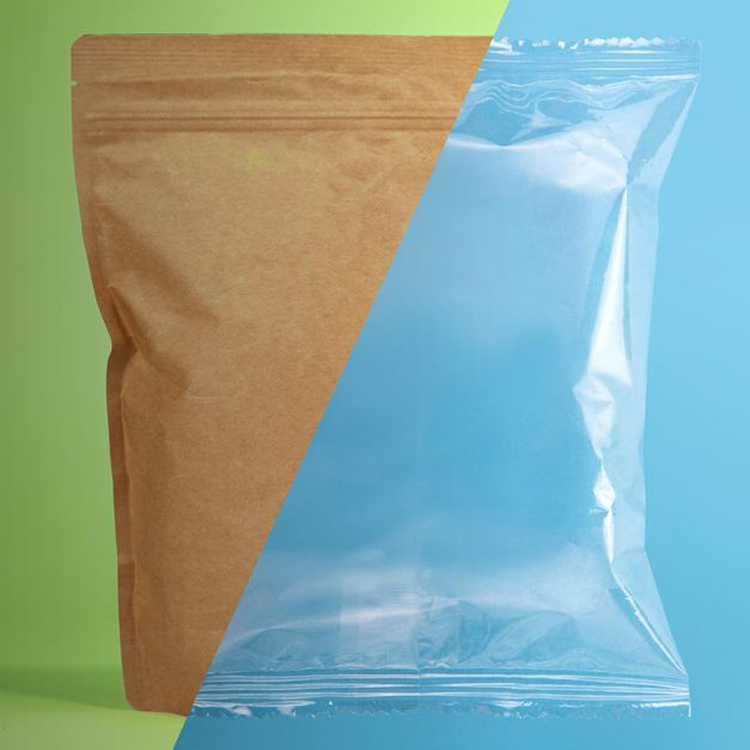
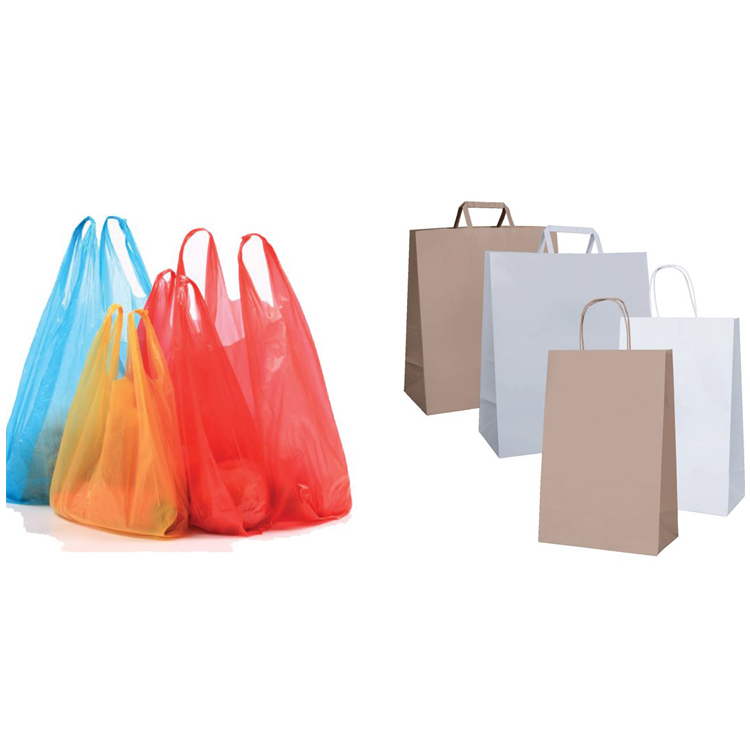
Comparison of advantages of paper packaging and plastic packaging
If you’re picking between paper packaging and plastic packaging, don’t start with “which one is greener.” Start with your product risk, your shipping route, and your customer promise. A lipstick box has a different job than a coffee bag. A TikTok-first brand has different needs than a bulk distributor.
Zhibang sits in the middle of these real-world trade-offs. We build custom paper boxes, cartons, and printing for bulk buyers, OEM/ODM programs, and brand teams that care about both shelf impact and supply-chain stability. You can browse the full catalog on the Zhibang homepage .
Paper packaging advantages
Recyclability and recycling rates
Paper packaging usually wins when the big goal is easy recycling. In many markets, paper and corrugated board ride on mature collection systems. That matters because “recyclable” on paper doesn’t help if your customer can’t recycle it at the curb.
Data point you can cite in a pitch deck: US EPA (2018) reported much higher recycling rates for paper/paperboard than plastics overall (paper & paperboard ~68.2%, corrugated boxes ~96.5%, plastics ~8.7%). This doesn’t mean paper always has a lower footprint, but it does show why paper packaging often feels like the safer choice for brands that want fewer complaints and fewer “where do I throw this?” emails.
Brand feel and unboxing value
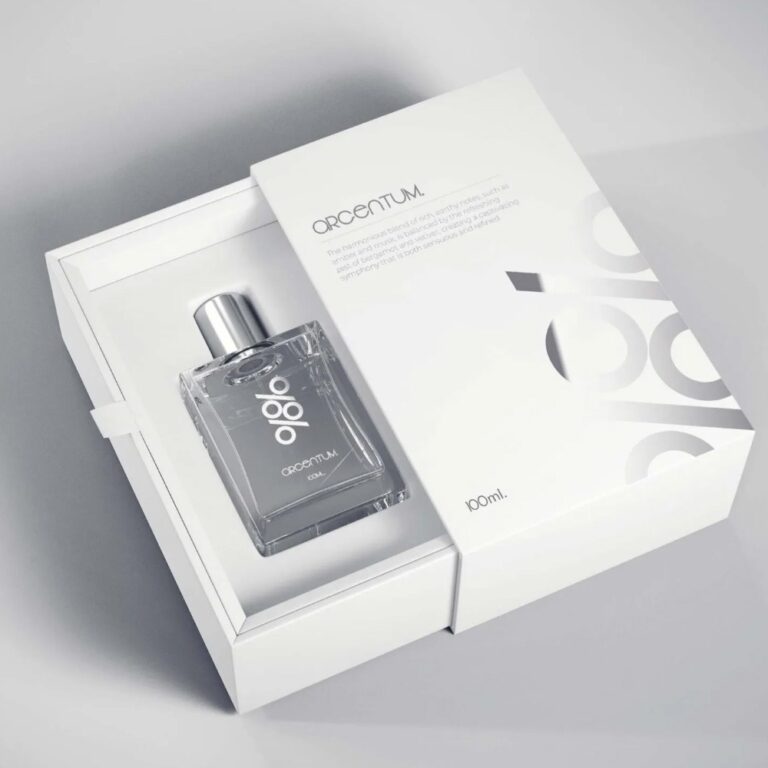
Paperboard gives you a lot of tools for brand building: texture paper, emboss/deboss, hot foil, spot UV, rigid structure, drawer-style openings. You can make the box feel like a product, not just a container.
If you sell fragrance, for example, a rigid box with premium finishing can lift perceived value without changing what’s inside. Here’s a real format buyers use for that: custom printed perfume boxes .
Print quality and retail readiness
Paper takes ink well and supports clean color control. That’s why brands lean on paper for retail-facing SKUs where the box acts like a mini billboard.
For stores and pop-ups, you can match the box to your bag and keep the whole set consistent. If you need branded carry bags in bulk, see paper shopping bags with handles .
Plastic packaging advantages
Moisture resistance and water resistance
Plastic packaging is strong at one thing paper struggles with: water. If your product faces humidity, splashes, condensation, or oily migration, plastic often buys you time and reduces leakage risk.
This shows up in everyday pain points:
cartons getting soft in a humid warehouse
labels wrinkling in cold-chain
oily products staining paper fibers
Barrier performance and shelf-life protection
Plastic films can deliver strong barrier performance for oxygen, moisture, and aroma when engineered correctly. That’s why many food and personal-care formats still use plastic layers somewhere in the structure, especially when shelf life is tight.
Lightweight shipping and damage control
Plastic is usually lighter per unit of protection, and it can reduce breakage when the product is fragile. Some teams choose plastic for “damage rate first” reasons, then offset the brand experience with a paper outer box.
Paper vs plastic packaging: quick comparison table
Decision factor (keywords)
Paper packaging
Plastic packaging
What it means in practice
Recyclability
Often easier to recycle
Often harder to recycle at scale
Fewer disposal questions for customers
Moisture resistance
Weaker without coating
Strong
Better for humid lanes and wet-use products
Barrier performance
Needs coatings/liners
Strong with films
Shelf-life and aroma protection
Print & finishing
Excellent
Limited (depends on substrate)
Better for premium branding and gifting
Unboxing experience
Strong
Usually weaker
Paper wins for “giftable” moments
Shipping abuse
Good with corrugated structure
Good with flexible toughness
Choose based on breakage vs crush risk
Break Up Long Sentences: the “mixed-material” reality
Here’s the part many sellers miss. You don’t always choose paper or plastic. You often choose a paper box + insert combo to hit both protection and branding goals.
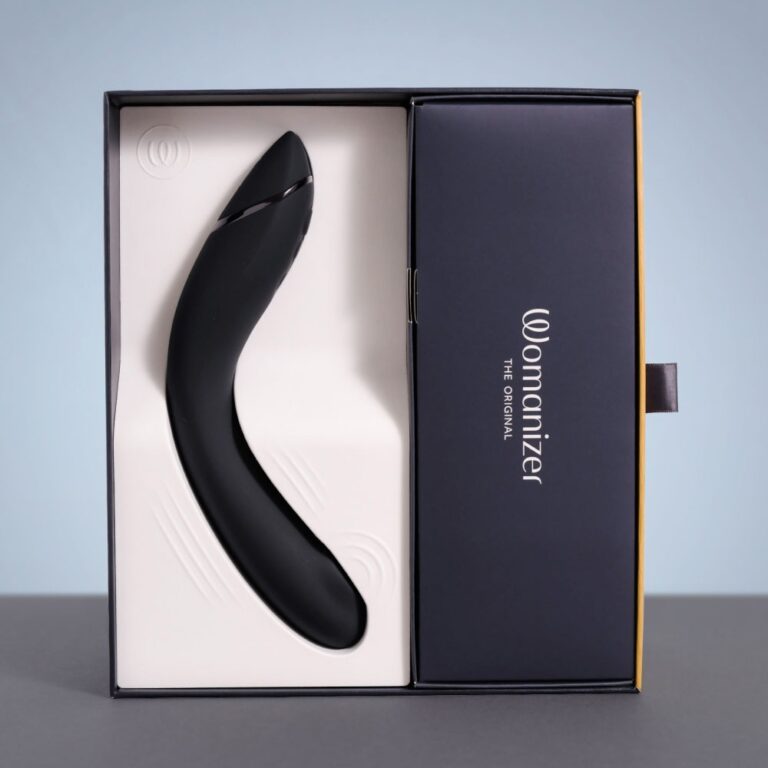
Example: electronics and fragile items. A rigid paper box looks premium, but you may still need a plastic tray or EVA foam insert to stop rattling. That’s a normal build. This is a typical format: lid and base paper box with plastic holder .
If you care about recyclability messaging, you can also switch to paperboard inserts where it works, then reserve plastic only for the high-risk parts.
Practical scenarios: when paper packaging makes more sense
E-commerce shipping mailer boxes and corrugated cartons
If you ship DTC orders, you fight three enemies: drop tests, compression, and returns. Corrugated mailers handle stacking well and keep the unboxing tidy.
Beauty buyers care about look, feel, and consistency across batches. Paper packaging lets you run tight brand colors and premium finishes at scale. If you’re building a seasonal drop, a rigid magnetic closure can also make the box “keepsake,” which helps retention.
Paper tubes work well for premium foods, coffee, and gift sets when you want a strong shelf presence and a clean label area. Some designs add valves or liners depending on the product needs.
Practical scenarios: when plastic packaging makes more sense
Wet environments and bathroom products
If the box will sit near water, paper needs protection. Without it, the edges fuzz, and the box can deform. Plastic handles this more naturally.
Leak risk and oil migration
Oils, serums, and some concentrates can stain paper and weaken glue lines. Plastic packaging or inner liners reduce the “mess in transit” problem.
High-speed packing lines
If you run fast lines, flexible plastic can keep up with automation more easily in some cases. Paper can still work, but you’ll want solid dielines, stable folds, and consistent tolerances.
Business fit: OEM/ODM, bulk buying, and quality control
If you buy packaging in bulk, you don’t just buy a box. You buy repeatability.
Here’s what teams usually care about:
Color consistency across reorders (no “why is this batch warmer?”)
Fit and tolerance so inserts don’t shake
Surface durability so scuffs don’t kill shelf appeal
Lead-time control so launches don’t slip
Zhibang is set up for that kind of work: custom boxes, cartons, eco-friendly printing, OEM/ODM support, and production-level QC. If you’re comparing formats and want a fast path to a quote, use the Contact Us page , or check About Us for factory context . If you want to scan options quickly, start from Products .
A simple way to choose (without overthinking it)
Pick paper packaging when branding, recyclability expectations, and retail presence matter most.
Pick plastic packaging when moisture, leakage, and barrier performance are the main risks.
Pick a hybrid build when you need both: paper outside for brand + engineered insert/liner inside for protection.