If your concern goes beyond packaging structure or technical details, our managing team is ready to step in. You can speak with us directly about pricing, urgent timelines, special requirements, or unresolved issues that need higher-level project decisions.
We focus on finding practical solutions that keep your packaging project moving forward, whether that means reviewing costs, adjusting production plans, coordinating export details, or discussing long-term wholesale cooperation.
Talk to Packaging Engineer
Engineering Team
Get expert guidance on box structure, paperboard selection, dieline setup, printing, finishing, MOQ, sampling, and production details before starting your custom packaging quote.
Packaging engineering typically covers structure, materials, manufacturing process, cost efficiency, and product protection, so this wording is aligned with real branded packaging decision points.
The Advantages of Child-Resistant Paper Boxes for Pre-Roll Packaging
If you sell pre-rolls, you already know the two things that can wreck a launch fast: compliance risk and damaged units. Child-resistant paper boxes help you cover both, while still keeping the unboxing clean and brand-forward.
This isn’t just about “adding a lock.” It’s about building a pack that survives real life: busy dispensary counters, e-commerce drop zones, co-packer handoffs, and customers who want a smooth open-close experience.
Below, I’ll break down the advantages using practical scenarios and the same decision points buyers use in RFQs. The internal product examples and site links come from the Zhibang Pack link list.
Child-Resistant Packaging Requirements
In many markets, child-resistant (CR) packaging is a baseline requirement for pre-rolls. When you ship into strict regions, a “regular tuck box” can trigger compliance issues, retailer rejections, or forced repacks.
A CR paper box gives you a safer starting point for regulated channels and helps you keep your SKU plan stable. That matters when you’re juggling multiple states, multiple labels, and tight retailer onboarding windows.
Real-world scenario: A buyer wants to roll out a new pre-roll line to 30+ stores. The brand can’t afford to redesign packaging halfway through onboarding. A CR paper box reduces that “surprise rework” risk.
Child-Resistant Testing Standards
CR isn’t a vibe. It’s something you validate, usually under recognized testing methods and regulations (for example, PPPA / 16 CFR-style requirements in the U.S., and similar frameworks elsewhere). The takeaway is simple: buyers and regulators care about proof, not promises.
When you spec CR packaging, ask for:
What standard the closure targets
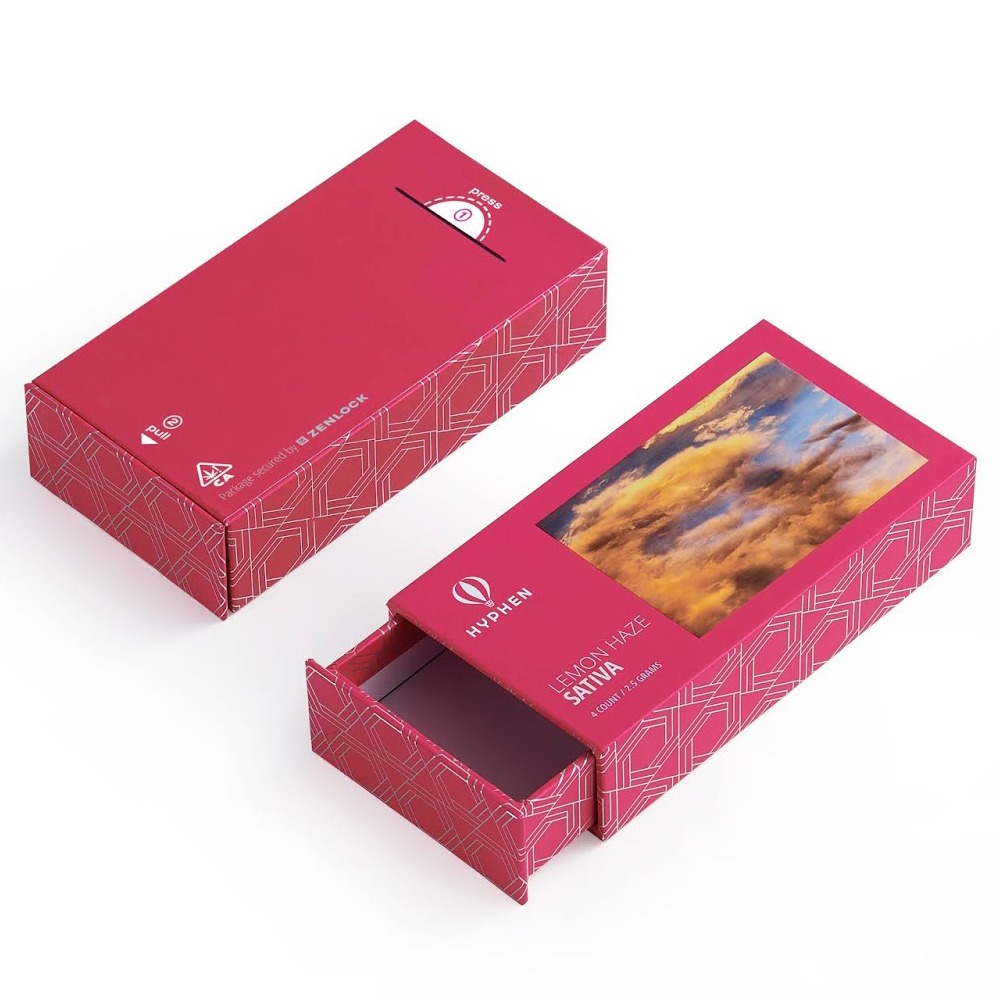
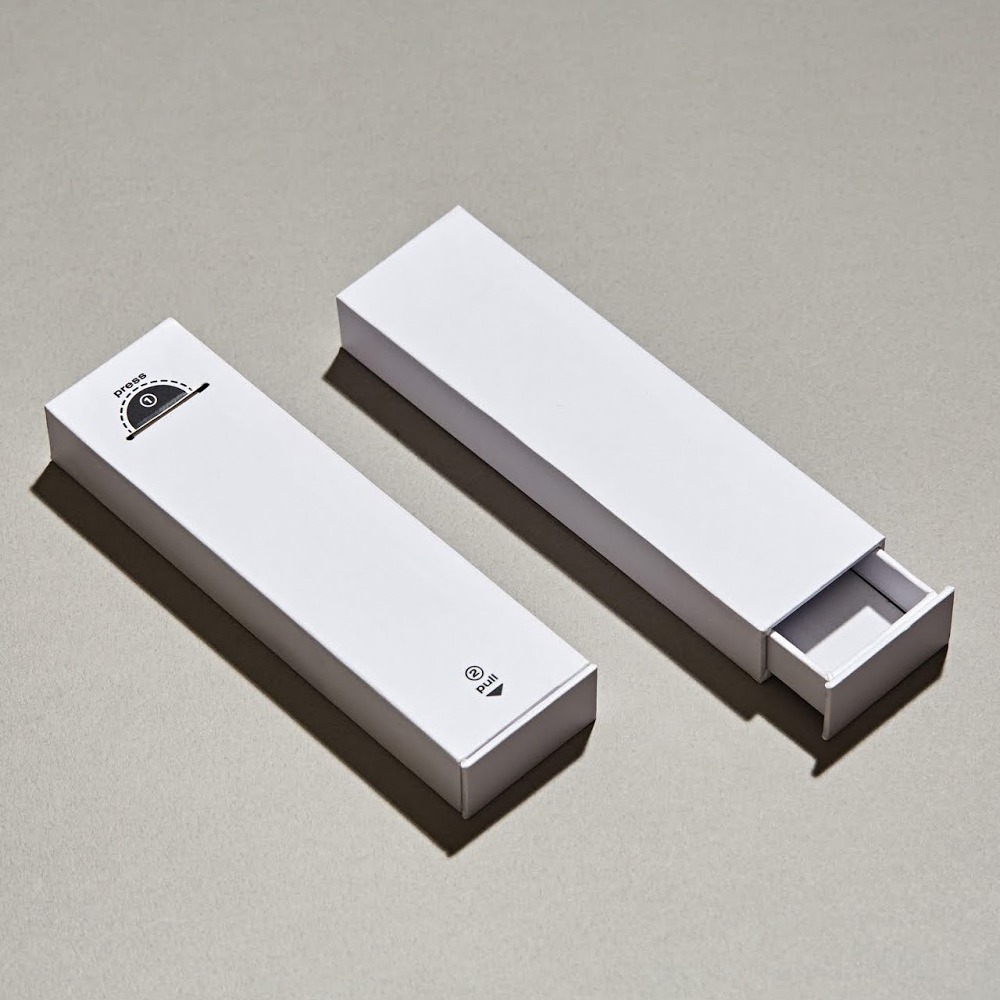
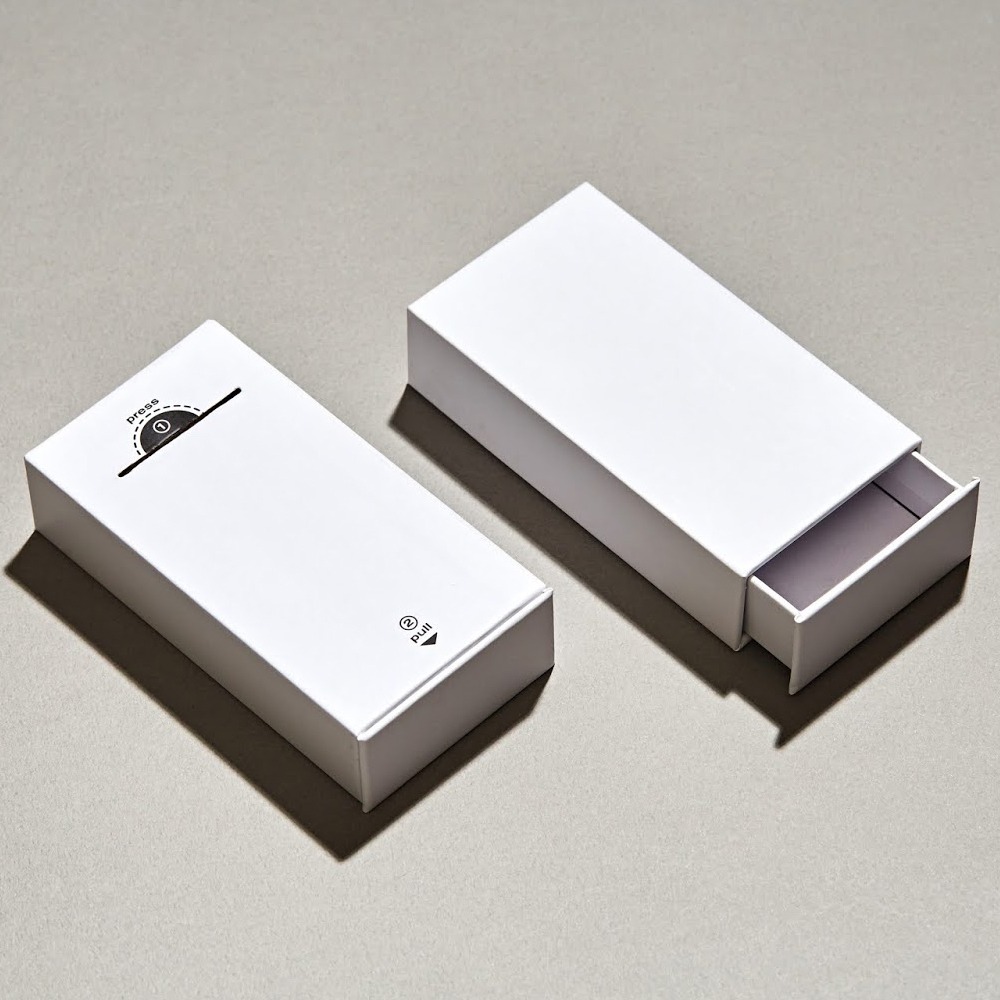
How the closure is supposed to work (two-step, push-and-slide, press-button, etc.)
Whether the design supports re-close performance across repeated openings
That last point gets overlooked. If your closure works on day one but loosens after heavy use, you’ll hear about it in reviews. Worse, you might hear about it from retailers.
Paperboard Child-Resistant Mechanisms
Paperboard can do CR well when the structure is designed right. The mechanism matters more than fancy coatings.
Common paper-based CR structures include:
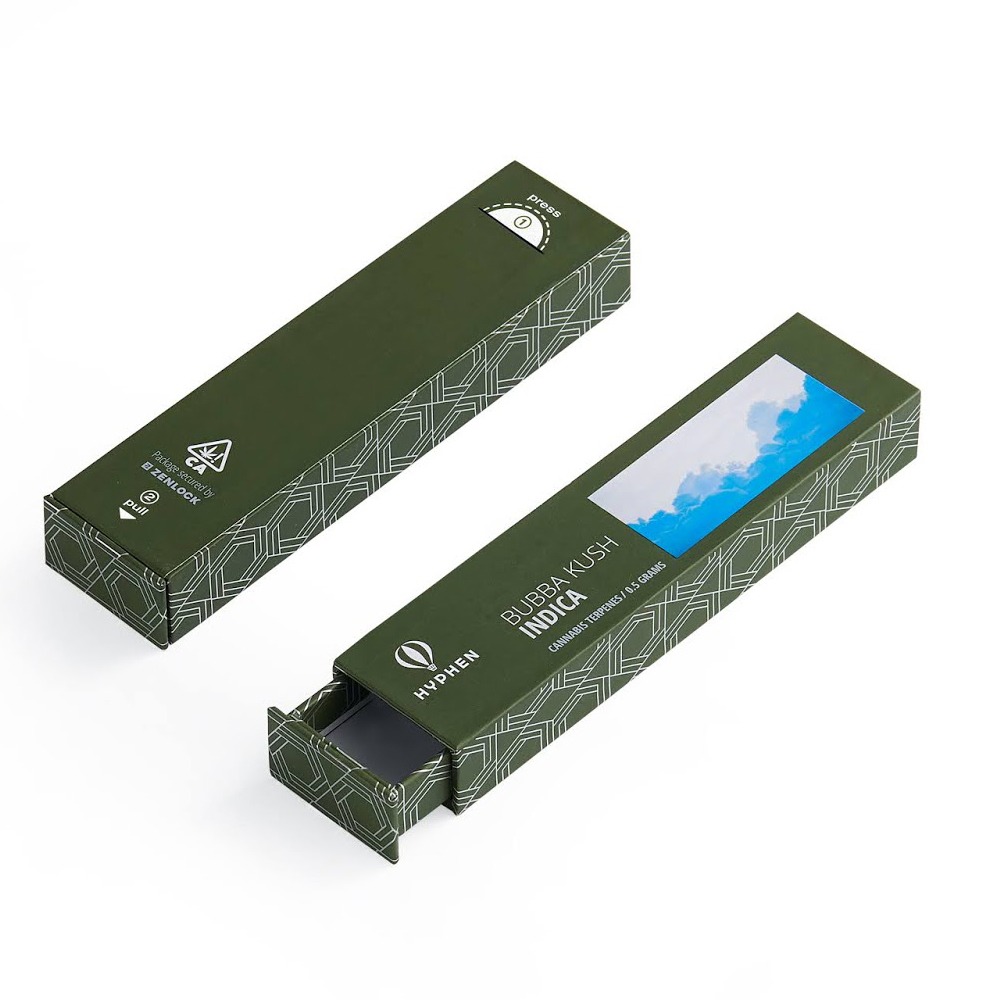
Press-button security lock (easy adult access, harder for kids)
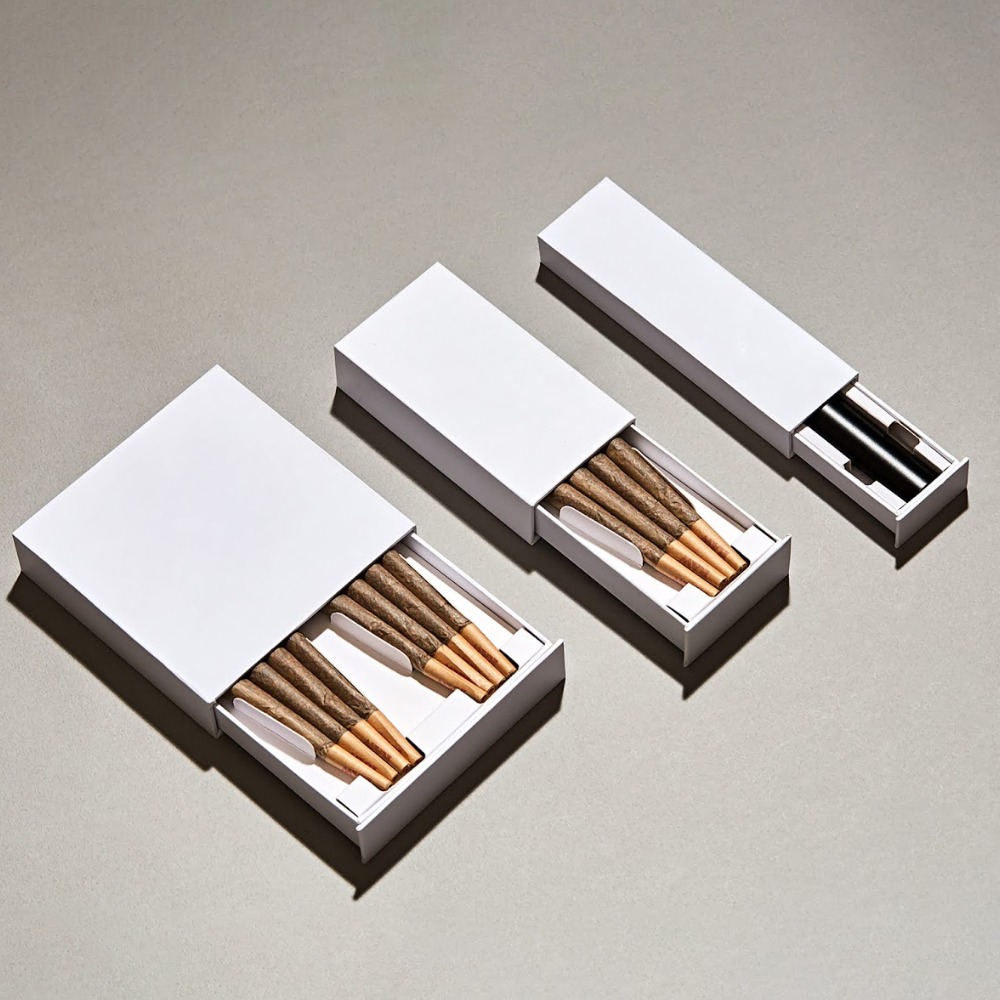
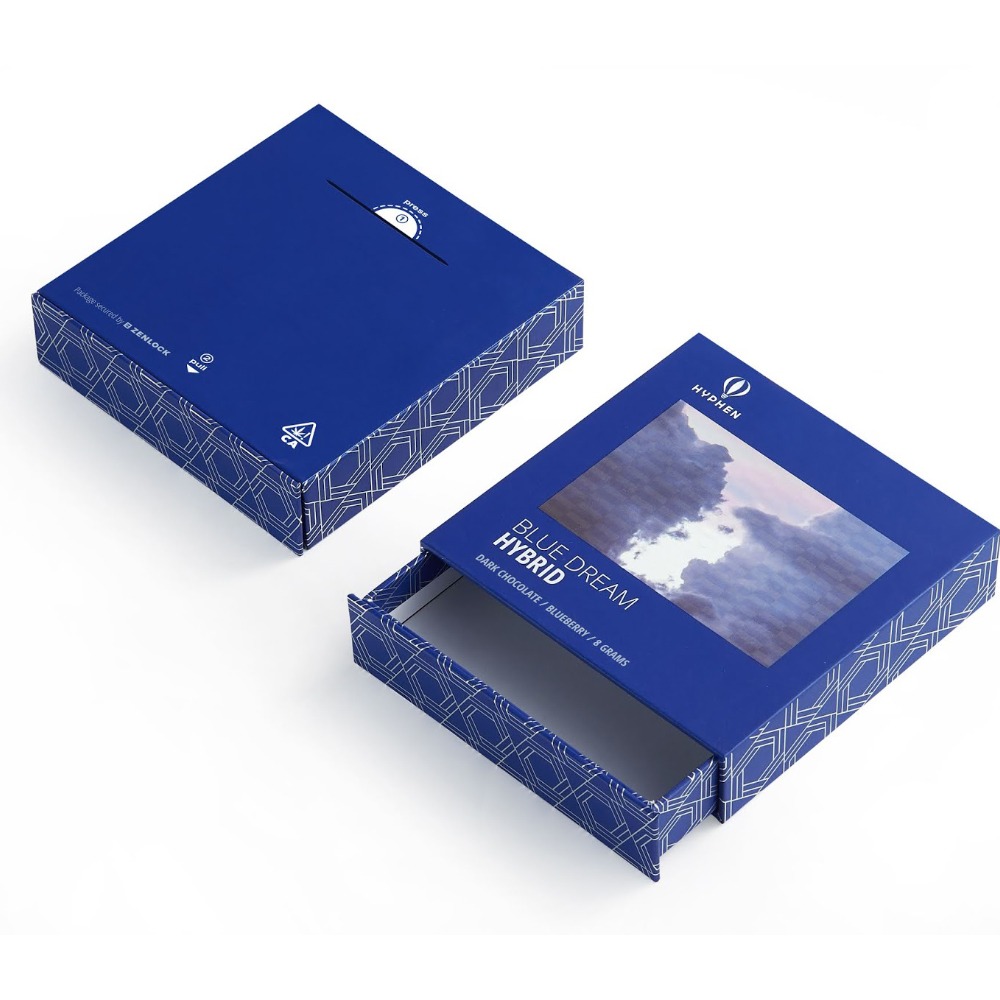
If you want a packaging style that already fits the “two-step open” logic, start with a drawer concept. For example, a child-resistant paper sliding box works well when you want a premium feel and reliable daily use: custom printing child-resistant paper sliding boxes.
CR is one layer. Tamper-evident is another layer buyers expect, especially for regulated goods.
Paper boxes make tamper cues easy to build in:
Tear strips
Sealing labels
Destructible closures
Locked trays that show clear disturbance when opened
Retail scenario: In a dispensary, staff move fast. If a package looks “off,” it slows checkout. A clean tamper cue helps staff spot issues in seconds and helps customers trust the product before they open it.
Pre-Roll Protection in Shipping
Pre-rolls look tough until shipping proves otherwise. Common failure modes include:
Tips crushed from top pressure in cartons
Cones bent from side compression
Loose units rattling and scuffing the finish
Rigid paperboard structures protect better than thin cartons because they resist crush and keep the product aligned. You can also add inserts (paper or foam) to lock positioning.
For multi-pack formats, a shaped structure can reduce movement and keep each unit seated. If you sell variety packs or holiday drops, a structured multipack box helps a lot: premium hexagonal pre-roll multipack box.
Lightweight Packaging for Logistics
Paper packaging usually ships lighter than glass-heavy options, and it stacks well. That helps with:
Cross-border fulfillment (less stress on outer cartons)
Even small improvements here can reduce headaches across the chain. You’ll see fewer dents at receiving, and your retail team won’t need to “pick the best-looking boxes” for display.
Custom Printing for Branding
Pre-roll buyers make quick decisions. Your packaging does a lot of the selling before a budtender says a word.
Paper boxes give you strong tools for brand control:
CMYK or Pantone color matching
Hot foil, emboss, deboss
Spot UV for contrast
Matte or soft-touch lamination
Clean panels for compliance labeling
Shelf scenario: On a crowded shelf, your brand wins when the pack reads clearly at a glance: strain name, pack count, and a simple visual system. Paperboard makes that easier because the print surface is stable and consistent.
Many buyers want packaging that feels responsible without looking cheap. Paperboard helps because:
It fits common recycling expectations in many places
It supports “less plastic” brand positioning
It still delivers a sturdy premium feel
If your product line includes cartridges and you want a press-button CR style, you can keep the same brand look across formats using a tube structure: recyclable child-resistant cardboard tubes.
Risk Reduction for Accidental Ingestion
This is the point you don’t need to over-explain, but you shouldn’t ignore it. CR packaging helps reduce the chance that kids access products in the home. That protects families and it protects your brand.
Customer scenario: A customer tosses a pre-roll pack into a bag at the end of a long day. They get home, the bag ends up on the floor, and a kid finds it. A proper CR mechanism adds a meaningful barrier in that moment.
Packaging Lifecycle Durability
A lot of packaging looks great in photos. Then it fails after a week of real use.
For pre-rolls, durability shows up in three places:
The closure still works after repeated opens
Corners don’t blow out in pockets and bags
The print doesn’t scuff into a “gray mess” on store shelves
If you want premium durability, choose a structure that supports re-close performance and an outer finish that fits your channel. E-commerce and delivery services are rough. Dispensaries are rough in a different way. Plan for both.
Key Claims and Proof Points
Here’s a quick table you can use in your internal spec doc or vendor comparison sheet.
Advantage (claim)
What it solves
Proof / reference type (no outbound links)
Zhibang internal example
Child-resistant packaging requirements
Keeps regulated SKUs viable across stricter channels
When you scale, packaging becomes an operations project. You need stable supply, repeatable quality, and vendor communication that doesn’t slow your launch.
Zhibang Pack positions itself as a Top Custom Paper Tube Boxes Manufacturer, with a modern food packaging purification workshop, a 12,300m² warehouse, and high daily output capacity. That combination supports OEM/ODM workflows, bulk wholesale orders, and multi-SKU programs for retailers, brand owners, and distributors.
If you want the full company profile, start here: About Us. If you want to browse options first, use the Products catalog.
Packaging Specification Checklist for Buyers
Use this as a quick RFQ checklist so you don’t get vague quotes that hide problems.
Child-resistant closure
Closure type: press-button, push-and-slide, or two-step open
Re-close expectation: daily use without loosening
Target test framework: PPPA / 16 CFR-style, ISO-type methods, or local equivalent
Structure and protection
Paperboard thickness target
Insert type: paper holder or foam insert
Drop/stack conditions: retail handling vs parcel shipping
Printing and finishing
Color matching: CMYK or Pantone
Finish: matte, soft-touch, or gloss
Premium add-ons: foil, emboss, spot UV (only where it helps)
Program fit
MOQ planning for each SKU
Lead time and re-order cadence
Barcode/label zones for multi-market compliance
Where to Start
If you want a fast path, pick one structure that matches your main sales channel and build from there: