If your concern goes beyond packaging structure or technical details, our managing team is ready to step in. You can speak with us directly about pricing, urgent timelines, special requirements, or unresolved issues that need higher-level project decisions.
We focus on finding practical solutions that keep your packaging project moving forward, whether that means reviewing costs, adjusting production plans, coordinating export details, or discussing long-term wholesale cooperation.
Talk to Packaging Engineer
Engineering Team
Get expert guidance on box structure, paperboard selection, dieline setup, printing, finishing, MOQ, sampling, and production details before starting your custom packaging quote.
Packaging engineering typically covers structure, materials, manufacturing process, cost efficiency, and product protection, so this wording is aligned with real branded packaging decision points.
Why do a series of jewelry set packaging boxes use more paper instead of plastic?
When you sell a jewelry set (ring + necklace + earrings, or a bundle with a bracelet), the box isn’t just “packaging.” It’s part of the product. It affects how the set looks on a shelf, how it survives fulfillment, and how customers feel when they open it.
That’s why many brands choose paper-based jewelry set packaging boxes more often than plastic. Paper gives you better structure control, cleaner branding, and smoother bulk production—especially when you’re building a collection line with multiple SKUs that must look consistent.
Below, I’ll walk through the real reasons, using Zhibang examples and only Zhibang internal pages.
Jewelry set packaging boxes: paper vs plastic
Plastic boxes can look neat, but they often push you into fixed shapes and limited finishes. They also tend to feel “bulky” in hand, which is a problem for gifting and retail carry.
Paperboard (rigid board wrapped with paper) gives you a wider toolset:
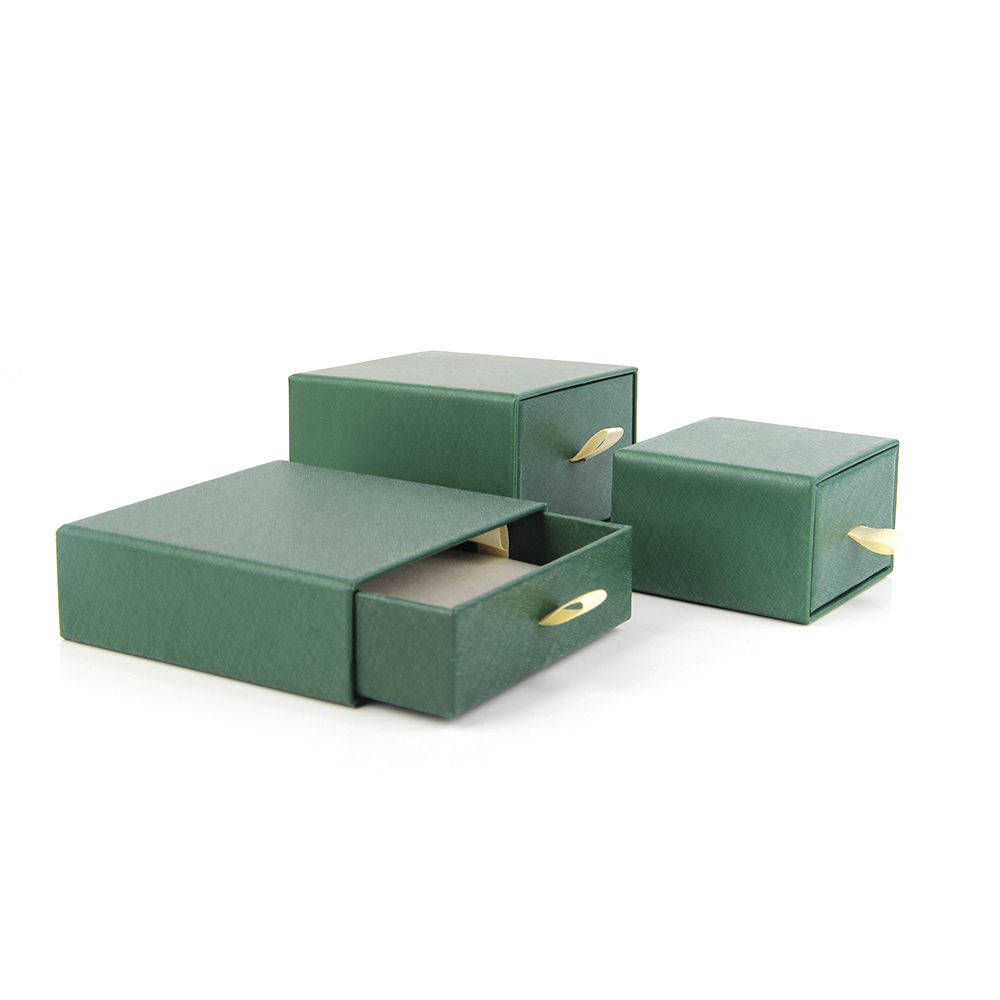
You can control the box geometry (height, footprint, opening style).
You can control the surface feel (texture paper, matte, foil, emboss).
You can build a proper insert system so every piece sits still.
That flexibility matters when you want a lineup that looks like one family, not random packaging from different factories.
Better carrying and stacking for jewelry set packaging boxes
A big reason brands move away from plastic is simple: plastic set boxes often come out too tall and hard to stack. In retail, that turns into messy bagging. In a warehouse, it turns into wasted space and unstable cartons.
Paper structures let you “design for stacking.” That means smoother shelf display, cleaner kitting, and fewer dents caused by pressure points.
Lower profile packaging for paper shopping bags
Think about a customer buying two sets at checkout. Tall plastic boxes make the paper bag bulge. The handle twists. The boxes rub each other. It looks cheap, even if the jewelry isn’t.
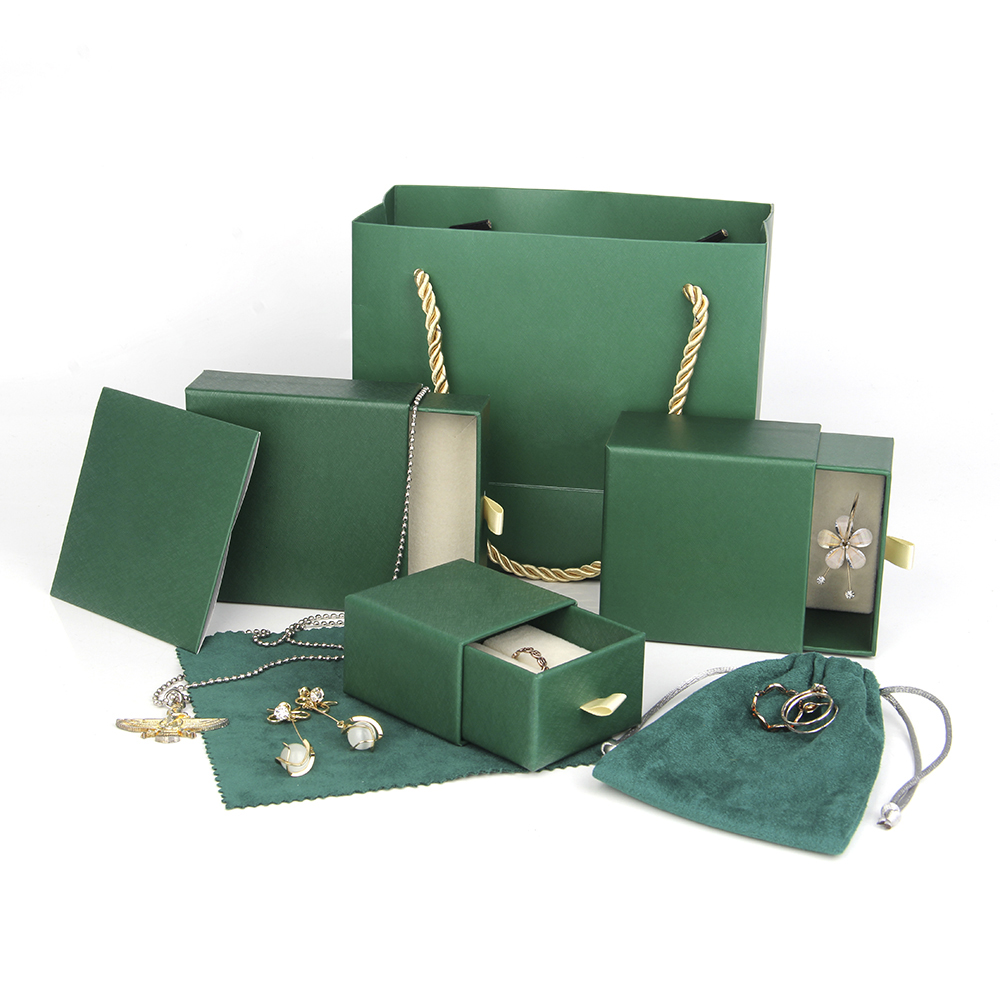
A paper rigid box can stay flatter and more stable. It packs like books, not like awkward blocks. If you also provide a branded bag, the whole experience looks planned, not improvised.
More finish options: specialty paper, printing, foil stamping
When you build a jewelry set series, consistency sells. Customers notice tiny differences—logo sharpness, color tone, surface texture, and even how the light hits the box.
Paper packaging makes it easier to lock in those details across SKUs.
Specialty paper and texture for luxury jewelry boxes
Specialty paper can give you a premium feel without relying on heavy plastic shells. The texture becomes part of the brand signal. It also photographs well for e-commerce because the surface catches light in a controlled way.
This helps in two common sales situations:
Cross-border listings: Your box shows up in product images and unboxing videos.
Gifting: The receiver judges value before they even touch the jewelry.
Hot foil stamping, embossing, spot UV for brand identity
Paperboard boxes handle finishing processes with strong repeatability. That’s huge for a collection line because you want “brand codes” that never drift:
Drop-resistance thinking for cross-border fulfillment
If you ship via platforms or 3PL, your “gift box” becomes part of the shipping system. Plastic shells can crack. Rigid paperboard tends to absorb impact better. It might dent, but it often protects the jewelry more reliably.
If you want fewer returns, focus on:
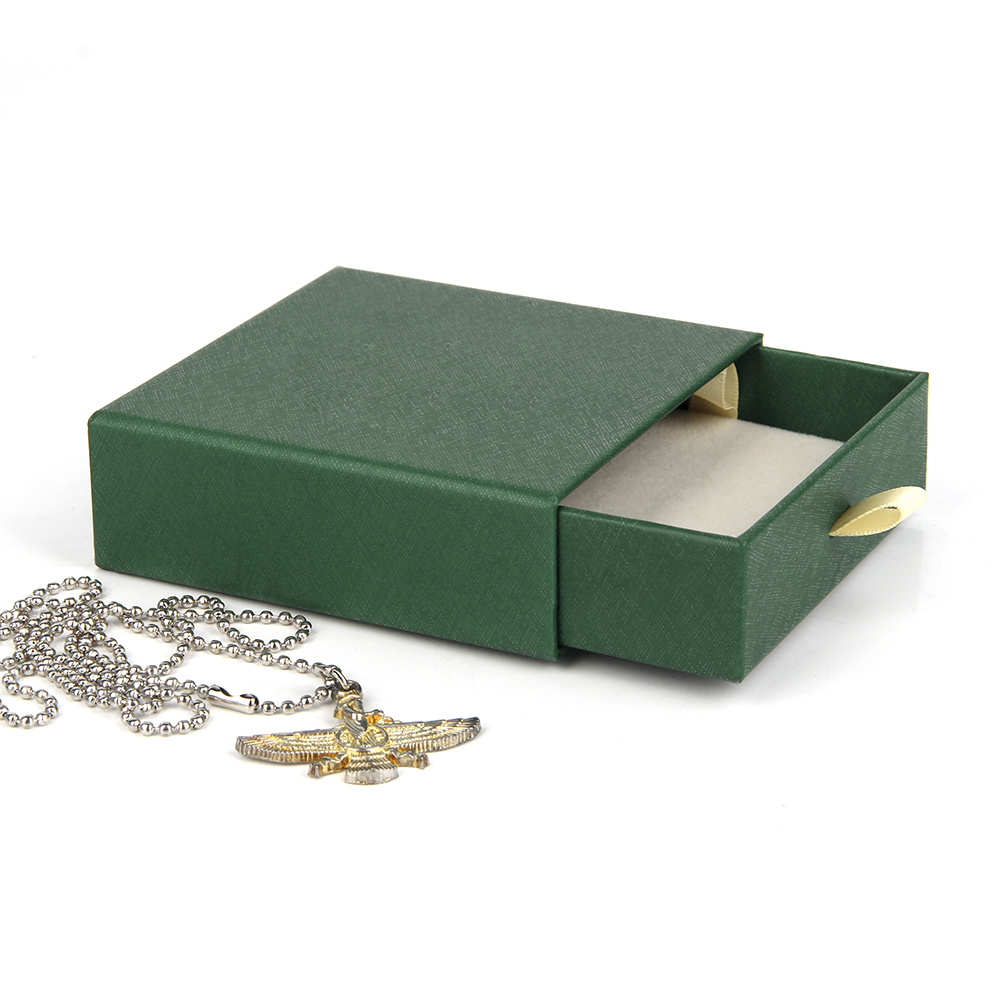
Corner strength (especially for drawer boxes)
Insert fit (stop lateral movement)
Outer wrap quality (reduce scuffs in fulfillment)
That’s how you protect margins without turning the package into an overbuilt brick.
Sustainability and recyclability for paper jewelry packaging
Customers often expect premium jewelry packaging to look “paper-forward.” When the box feels plastic-heavy, it can look less refined, especially in gifting.
Paper packaging also helps you tell a cleaner sustainability story—if you build it the right way.
Avoid mixed materials and over-packaging
If you want the “eco-friendly” message to feel real, keep the build simple:
Don’t stack too many mixed materials that can’t separate easily.
Keep components consistent across the lineup.
Choose a structure you can scale without adding random layers later.
For brands, this isn’t just image. It reduces SKU chaos in your supply chain and keeps future reorders predictable.
Brands don’t choose paper only for looks. They choose it because it’s easier to run a series at scale with fewer surprises.
Faster sampling with dielines and mockups
A jewelry set series always needs tweaks. You’ll adjust the insert layout, logo placement, and opening feel. Paper packaging supports faster dieline changes and easier mockups, which speeds up your go-to-market rhythm.
This is especially helpful for:
Seasonal collections
New brand launches
Fast-moving cross-border stores
Bulk wholesale reorders with stable quality control
When you buy in bulk, you want batch-to-batch stability. That’s where production SOP and QC checkpoints matter:
Color consistency across the lineup
Finish consistency (foil, emboss, matte feel)
Fit consistency (drawer slide, lid tightness)
Zhibang’s model fits brands that need custom packaging, bulk wholesale, and OEM/ODM support, especially when you’re managing multiple SKUs and want one factory to own the system.
If you want to align specs and move toward sampling, use: Contact Us.
Argument table: why paper is used more than plastic for jewelry sets
Argument title
What it changes for a jewelry set lineup
What you can tune in production
Zhibang internal source
Better carrying and stacking
Cleaner retail bagging, easier storage and kitting
How to choose the right paper jewelry set box for your brand
If you’re building a series, use this quick decision logic:
Retail-first: Drawer rigid box + branded bag system. You’ll get cleaner checkout handling and better shelf presentation.
E-commerce-first: Rigid structure with a tight insert. Prioritize scuff resistance and transit stability.
Gift-first: Texture paper + controlled logo finishes (foil/emboss). Keep the opening feel consistent across SKUs.
If you want a factory that can run the full flow—structure, insert, printing, and bulk production under one roof—start on the Zhibangpack homepage and share your set dimensions, SKU count, and target style through Contact Us.