إذا تجاوزت مخاوفك هيكل التغليف أو التفاصيل الفنية، فإن فريقنا الإداري مستعد للتدخل. يمكنك التحدث معنا مباشرةً بشأن التسعير أو الجداول الزمنية العاجلة أو المتطلبات الخاصة أو المشكلات التي لم يتم حلها والتي تحتاج إلى قرارات على مستوى أعلى للمشروع.
نحن نركز على إيجاد حلول عملية تحافظ على تقدم مشروع التعبئة والتغليف الخاص بك، سواء كان ذلك يعني مراجعة التكاليف أو تعديل خطط الإنتاج أو تنسيق تفاصيل التصدير أو مناقشة التعاون طويل الأجل في مجال البيع بالجملة.
تحدث إلى مهندس التغليف
الفريق الهندسي
احصل على إرشادات الخبراء بشأن هيكل الصندوق، واختيار الورق المقوى، وإعداد خط الإنتاج، والطباعة، والتشطيب، وموك وموك وأخذ العينات وتفاصيل الإنتاج قبل البدء في عرض أسعار التغليف المخصص.
تغطي هندسة التعبئة والتغليف عادةً الهيكل والمواد وعملية التصنيع وكفاءة التكلفة وحماية المنتج، لذا فإن هذه الصياغة تتماشى مع نقاط قرار التغليف الحقيقي للعلامة التجارية.
لماذا تستخدم سلسلة علب تغليف أطقم المجوهرات المزيد من الورق بدلاً من البلاستيك؟
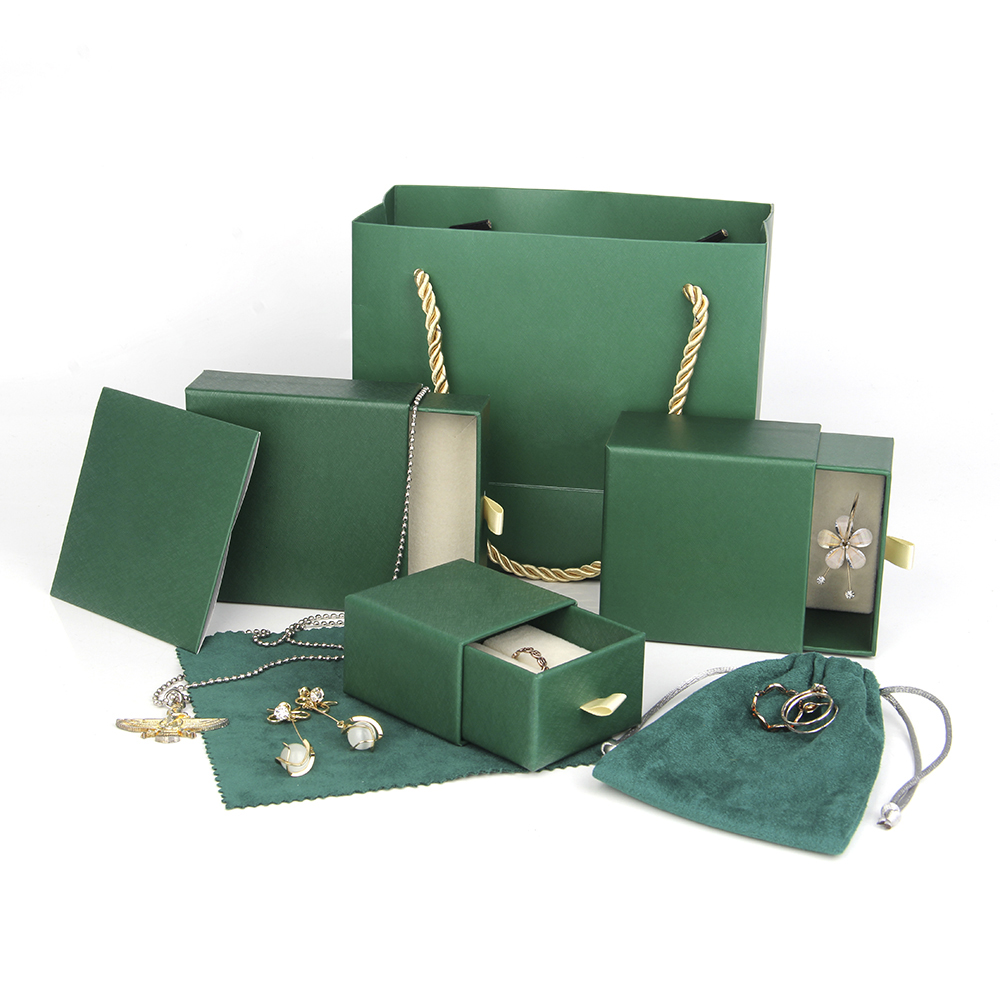
عندما تبيع طقم مجوهرات (خاتم + قلادة + أقراط، أو باقة مع سوار)، فالعلبة ليست مجرد “تغليف”. إنه جزء من المنتج. فهو يؤثر على شكل الطقم على الرف، وعلى كيفية استمراره في التنفيذ، وعلى شعور العملاء عند فتحه.
لهذا السبب تختار العديد من العلامات التجارية صناديق تغليف أطقم المجوهرات الورقية أكثر من البلاستيك. يمنحك الورق تحكماً أفضل في الهيكل، وعلامة تجارية أنظف، وإنتاجاً أكثر سلاسة - خاصةً عندما تقوم ببناء خط التجميع مع العديد من وحدات حفظ المخزون التي يجب أن تبدو متسقة.
فيما يلي، سأستعرض الأسباب الحقيقية، باستخدام أمثلة Zhibang وصفحات Zhibang الداخلية فقط.
علب تغليف أطقم المجوهرات: الورق مقابل البلاستيك
يمكن أن تبدو الصناديق البلاستيكية أنيقة، لكنها غالبًا ما تدفعك إلى أشكال ثابتة وتشطيبات محدودة. كما أنها تميل إلى أن تبدو “ضخمة” في اليد، وهي مشكلة في الإهداء والحمل بالتجزئة.
الورق المقوى (لوح صلب مغلف بالورق) يمنحك مجموعة أدوات أوسع:
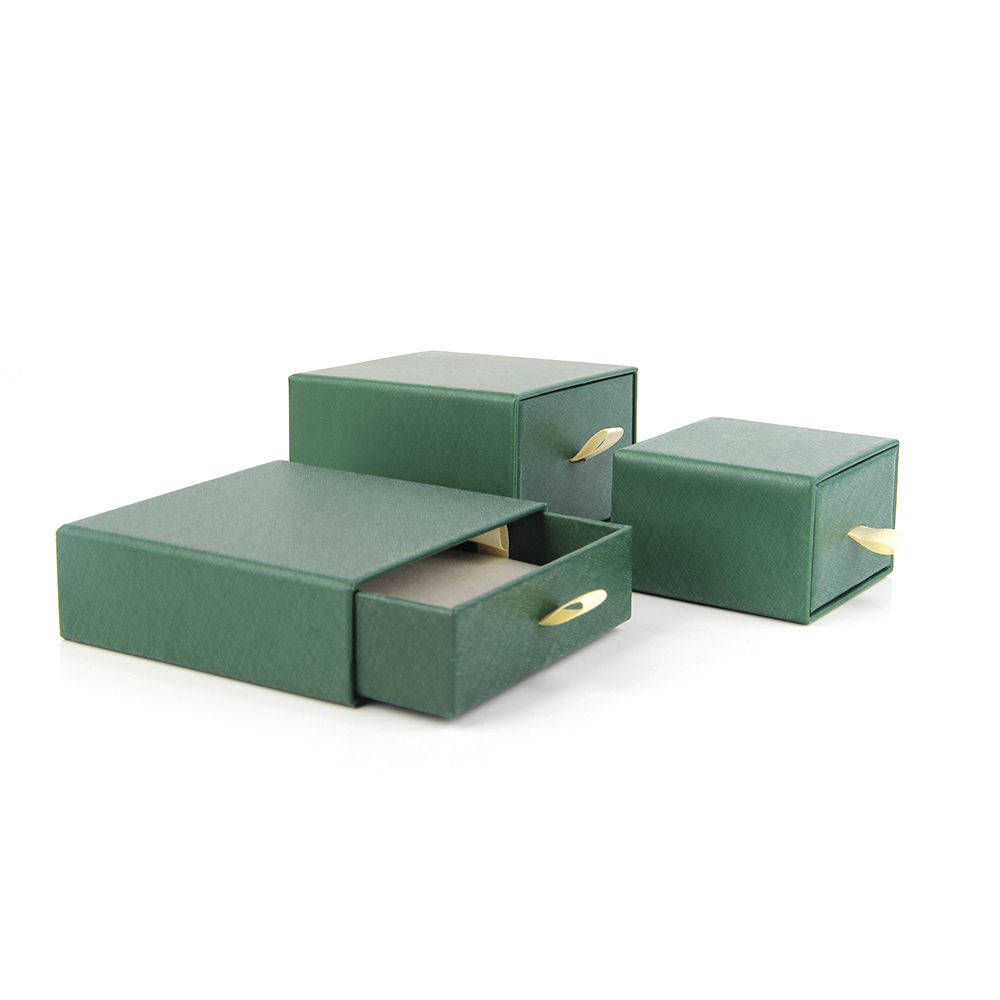
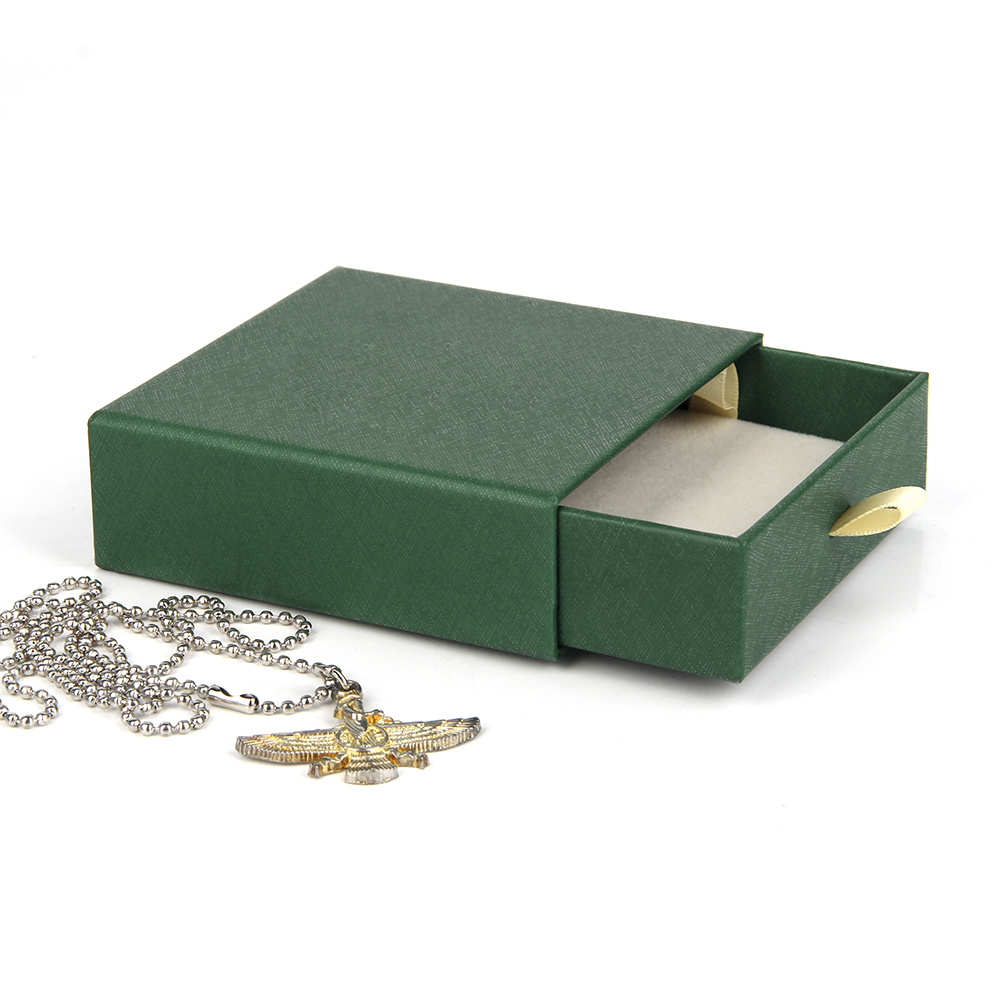
يمكنك التحكم في هندسة الصندوق (الارتفاع، والبصمة، وأسلوب الفتح).
يمكنك التحكم في ملمس السطح (ورق ذو نسيج، ورق غير لامع، ورق معدني غير لامع، ورق مزخرف).
يمكنك بناء إدراج النظام لذا فإن كل قطعة تستقر في مكانها.
هذه المرونة مهمة عندما تريد تشكيلة تبدو كعائلة واحدة، وليس عبوات عشوائية من مصانع مختلفة.
حمل وتكديس أفضل لصناديق تغليف أطقم المجوهرات بشكل أفضل
أحد الأسباب الرئيسية وراء ابتعاد العلامات التجارية عن البلاستيك بسيط: غالبًا ما تخرج علب المجموعات البلاستيكية طويل جداً و يصعب تكديسها. في البيع بالتجزئة، يتحول ذلك إلى أكياس فوضوية. وفي المخازن، يتحول ذلك إلى مساحة مهدرة وكراتين غير مستقرة.
تتيح لك الهياكل الورقية “التصميم من أجل التكديس”. وهذا يعني عرضًا أكثر سلاسة على الرفوف، وتجهيزًا أنظف، وانبعاجات أقل ناتجة عن نقاط الضغط.
عبوات منخفضة الشكل لأكياس التسوق الورقية
فكر في عميل يشتري مجموعتين عند الخروج. الصناديق البلاستيكية الطويلة تجعل الكيس الورقي منتفخاً. يلتوي المقبض. الصناديق تحتك ببعضها البعض. تبدو رخيصة، حتى لو لم تكن المجوهرات رخيصة.
يمكن للصندوق الصلب الورقي أن يظل مسطحًا وأكثر ثباتًا. إنه يحزم مثل الكتب، وليس مثل الكتل المحرجة. إذا قمت أيضًا بتوفير حقيبة ذات علامة تجارية، ستبدو التجربة بأكملها مخططة وليست مرتجلة.
المزيد من خيارات اللمسات النهائية: الورق المخصص، والطباعة، وختم الرقائق المعدنية
عندما تقوم ببناء سلسلة أطقم مجوهرات، فإن التناسق يبيع. يلاحظ العملاء الاختلافات الصغيرة - حدة الشعار، ودرجة اللون، وملمس السطح، وحتى كيفية سقوط الضوء على العلبة.
تجعل العبوات الورقية من السهل تثبيت هذه التفاصيل عبر وحدات حفظ المخزون.
ورق وملمس خاص لصناديق المجوهرات الفاخرة
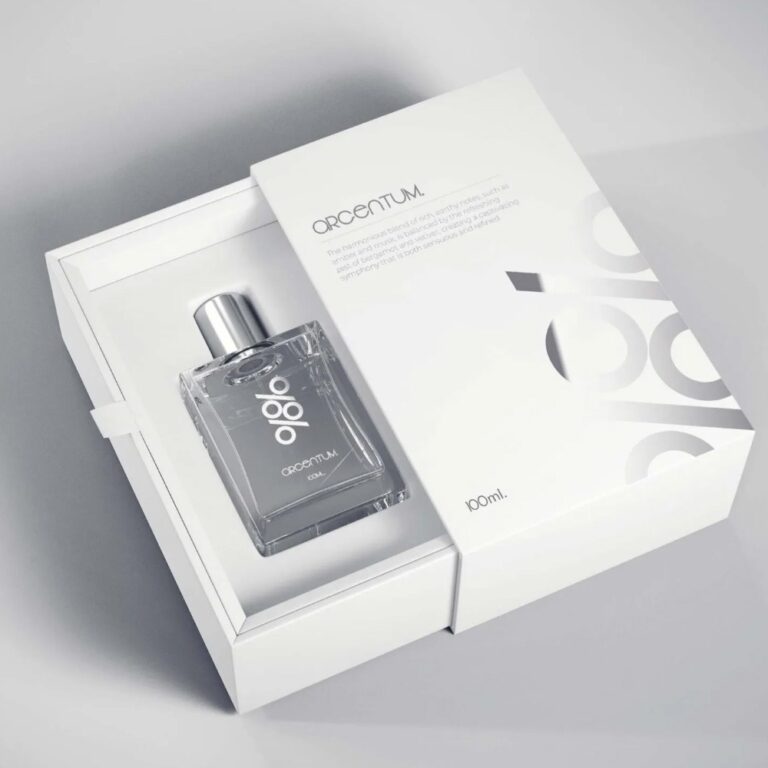
يمكن للورق المتخصص أن يمنحك ملمسًا متميزًا دون الاعتماد على الأغلفة البلاستيكية الثقيلة. يصبح الملمس جزءًا من إشارة العلامة التجارية. كما أنه يصور بشكل جيد للتجارة الإلكترونية لأن السطح يلتقط الضوء بطريقة محكومة.
وهذا يساعد في حالتين من حالات البيع الشائعة:
القوائم العابرة للحدود: يظهر صندوقك في صور المنتج وفيديوهات فتح العلبة.
الإهداء: يحكم المتلقي على القيمة حتى قبل أن يلمس المجوهرات.
الختم بالرقائق المعدنية الساخنة والنقش والنقش بالأشعة فوق البنفسجية الموضعية لهوية العلامة التجارية
تتعامل صناديق الورق المقوى مع عمليات التشطيب بتكرار قوي. وهذا أمر ضخم بالنسبة لخط التجميع لأنك تريد “رموز العلامة التجارية” التي لا تنحرف أبدًا:
إذا كنت تشحن عبر المنصات أو 3PL، يصبح “صندوق الهدايا” جزءًا من نظام الشحن. يمكن أن تتشقق الأغطية البلاستيكية. يميل الورق المقوى الصلب إلى امتصاص الصدمات بشكل أفضل. قد ينبعج، لكنه غالباً ما يحمي المجوهرات بشكل أكثر موثوقية.
إذا كنت تريد عوائد أقل، ركّز على:
قوة الزاوية (خاصة لصناديق الأدراج)
تركيب الإدخال (إيقاف الحركة الجانبية)
جودة الغلاف الخارجي (تقليل الخدوش في الاستيفاء)
هذه هي الطريقة التي تحمي بها الهوامش دون تحويل الحزمة إلى لبنة مفرطة البناء.
الاستدامة وقابلية إعادة التدوير لتغليف المجوهرات الورقية
غالبًا ما يتوقع العملاء أن تبدو عبوات المجوهرات الفاخرة “ورقية”. عندما تبدو العلبة ثقيلة من البلاستيك، يمكن أن تبدو أقل رقياً، خاصة في الإهداء.
تساعدك العبوات الورقية أيضًا على سرد قصة استدامة أنظف - إذا قمت ببنائها بالطريقة الصحيحة.
تجنب المواد المختلطة والإفراط في التغليف
إذا كنت تريد أن تبدو رسالة “صديق للبيئة” حقيقية، حافظ على بساطة التصميم:
لا تكدس الكثير من المواد المختلطة التي لا يمكن فصلها بسهولة.
حافظ على اتساق المكونات في جميع أنحاء المجموعة.
اختر بنية يمكنك توسيع نطاقها دون إضافة طبقات عشوائية لاحقاً.
بالنسبة للعلامات التجارية، هذه ليست مجرد صورة. فهو يقلل من فوضى وحدات حفظ المخزون في سلسلة التوريد الخاصة بك ويحافظ على إمكانية التنبؤ بإعادة الطلبات المستقبلية.
واقع التصنيع: موك والأدوات واتساق تصنيع المعدات الأصلية/التصنيع حسب الطلب
لا تختار العلامات التجارية الورق من أجل المظهر فقط. فهم يختارونه لأنه من الأسهل تشغيل سلسلة على نطاق واسع مع عدد أقل من المفاجآت.
أخذ العينات بشكل أسرع باستخدام خطوط ونماذج بالحجم الطبيعي
سلسلة أطقم المجوهرات تحتاج دائماً إلى تعديلات. سوف تقوم بتعديل تخطيط الإدخال، وموضع الشعار، ومظهر الافتتاح. يدعم التغليف الورقي تغييرات أسرع في الخطوط وأسهل في النماذج بالحجم الطبيعي، مما يسرع من إيقاع وصولك إلى السوق.
هذا مفيد بشكل خاص لـ
المجموعات الموسمية
إطلاق علامة تجارية جديدة
متاجر سريعة الحركة سريعة الحركة عبر الحدود
إعادة الطلبات بالجملة بالجملة مع مراقبة مستقرة للجودة
عندما تشتري بكميات كبيرة، فأنت تريد الاستقرار من دفعة إلى أخرى. وهنا تكمن أهمية إجراءات التشغيل الموحدة للإنتاج ونقاط فحص مراقبة الجودة:
تناسق الألوان عبر التشكيلة
تناسق الطلاء النهائي (رقائق معدنية، زخرفة، ملمس غير لامع)
تناسق الملاءمة (انزلاق الدرج، إحكام الغطاء)
يناسب نموذج Zhibang العلامات التجارية التي تحتاج إلى تغليف مخصص, البيع بالجملة بالجملة, و تصنيع المعدات الأصلية/التصنيع حسب الطلب الدعم، خاصة عندما تدير وحدات SKU متعددة وتريد أن يمتلك النظام مصنع واحد.
إذا كنت ترغب في مواءمة المواصفات والتحرك نحو أخذ العينات، استخدم: اتصل بنا.
جدول الحجج: سبب استخدام الورق أكثر من البلاستيك في أطقم المجوهرات
عنوان الحجة
ما الذي يغير تشكيلة مجموعة المجوهرات
ما يمكنك ضبطه في الإنتاج
مصدر داخلي لزيبانغ
حمل وتكديس أفضل
تغليف أنظف للبيع بالتجزئة وأسهل في التخزين والتركيب
كيفية اختيار علبة طقم المجوهرات الورقية المناسبة لعلامتك التجارية
إذا كنت تبني سلسلة، استخدم منطق القرار السريع هذا:
البيع بالتجزئة أولاً: درج صندوق صلب للدرج + نظام الأكياس ذات العلامات التجارية. ستحصل على مناولة أنظف عند الخروج وعرض أفضل على الرفوف.
التجارة الإلكترونية أولاً: هيكل صلب مع إدراج محكم. إعطاء الأولوية لمقاومة الاحتكاك وثبات العبور.
الهدية أولاً: ورق الملمس + تشطيبات الشعار الخاضعة للتحكم (رقائق معدنية/زخرفة). الحفاظ على المظهر الافتتاحي متناسق عبر وحدات حفظ المخزون.
إذا كنت تريد مصنعًا يمكنه تشغيل التدفق الكامل - الهيكل والإدخال والطباعة والإنتاج بالجملة تحت سقف واحد - فابدأ بـ الصفحة الرئيسية لـ Zhibangpack ومشاركة أبعاد مجموعتك، وعدد وحدات حفظ المخزون ونمط الهدف من خلال اتصل بنا.