If your concern goes beyond packaging structure or technical details, our managing team is ready to step in. You can speak with us directly about pricing, urgent timelines, special requirements, or unresolved issues that need higher-level project decisions.
We focus on finding practical solutions that keep your packaging project moving forward, whether that means reviewing costs, adjusting production plans, coordinating export details, or discussing long-term wholesale cooperation.
Talk to Packaging Engineer
Engineering Team
Get expert guidance on box structure, paperboard selection, dieline setup, printing, finishing, MOQ, sampling, and production details before starting your custom packaging quote.
Packaging engineering typically covers structure, materials, manufacturing process, cost efficiency, and product protection, so this wording is aligned with real branded packaging decision points.
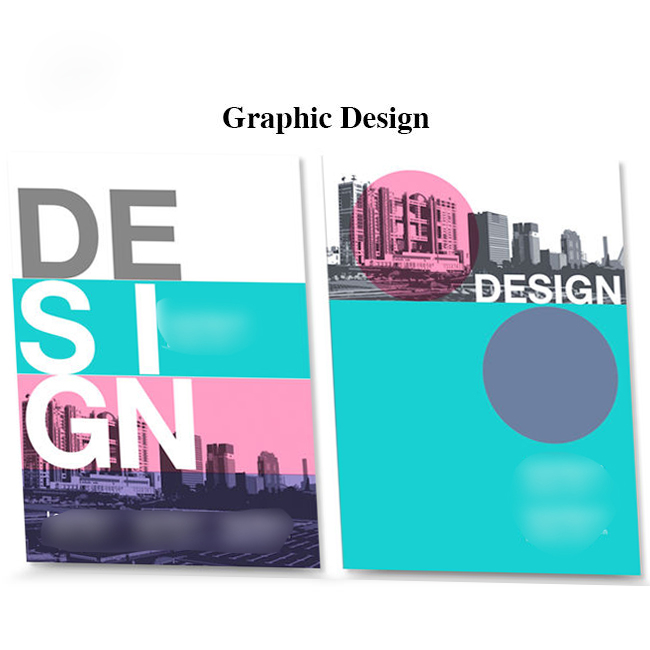
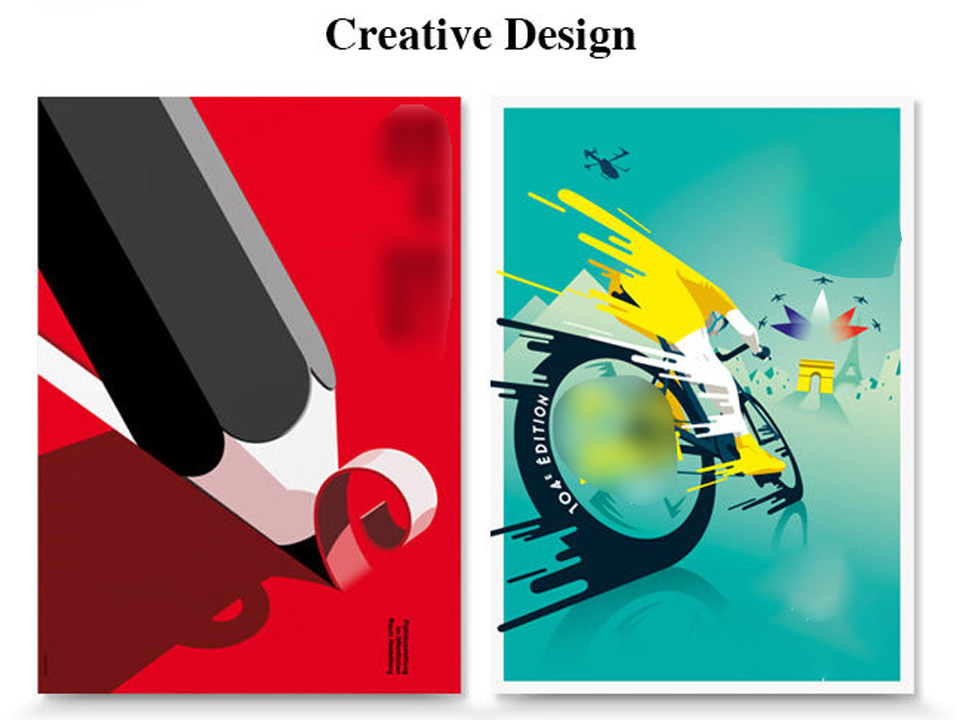
Top 8 Guidelines for Creating Stunning Visuals in Packaging Graphic Design
If your box looks “fine” but sales feel flat, the problem often isn’t the product. It’s the visual story on the pack. In retail, you get a split second on the shelf. In eCommerce, you get a tiny thumbnail on a product detail page. Either way, your packaging visuals have one job: make people stop, understand, and trust you—fast.
That’s exactly where Zhibang fits in. As a Shenzhen paper packaging factory focused on custom boxes and printing, Zhibang supports bulk orders, OEM/ODM builds, and consistent quality control—so your design doesn’t just look good on screen, it lands cleanly in production. You can start from the Shenzhen Paper Packaging Factory | Custom Boxes & Printing and jump into the products catalog when you’re ready to spec materials, inserts, and finishes.
Before we dive into the 8 guidelines, here’s a practical cheat sheet you can share with your designer, brand team, or packaging supplier.
Visual guideline cheat sheet table (what to use, where it wins, what to watch)
If you want help aligning design + manufacturing, your fastest path is usually: define what you need → confirm structure → choose print effects → move to sampling. For business workflow, keep Contact Us handy.
Image Representation
This one sounds basic, but it’s the easiest place to lose money.
If shoppers can’t identify your brand in one glance, you’re paying traffic to educate people. That’s rough for cross-border sellers, wholesale buyers, and private label brands trying to scale SKUs.
What to do
Put your logo where eyes naturally land first: top-center or a strong left alignment.
Use a consistent “brand block” across variants (same placement, same spacing, same rules).
Keep trust marks and compliance icons organized, not scattered.
Where it shines
Retail-ready packaging
Multi-SKU product lines
OEM/ODM builds where the factory makes many variants under one master brand
If you’re building a full line, keep a single navigation hub for your team: the products catalog helps you match visual systems to actual box structures and finishes.
Image Representation keywords: logo placement, brand hierarchy, private label packaging
A simple rule: brand first, product second, details last. When you flip that order, your pack starts “talking” before it introduces itself.
Visual Representation of Products
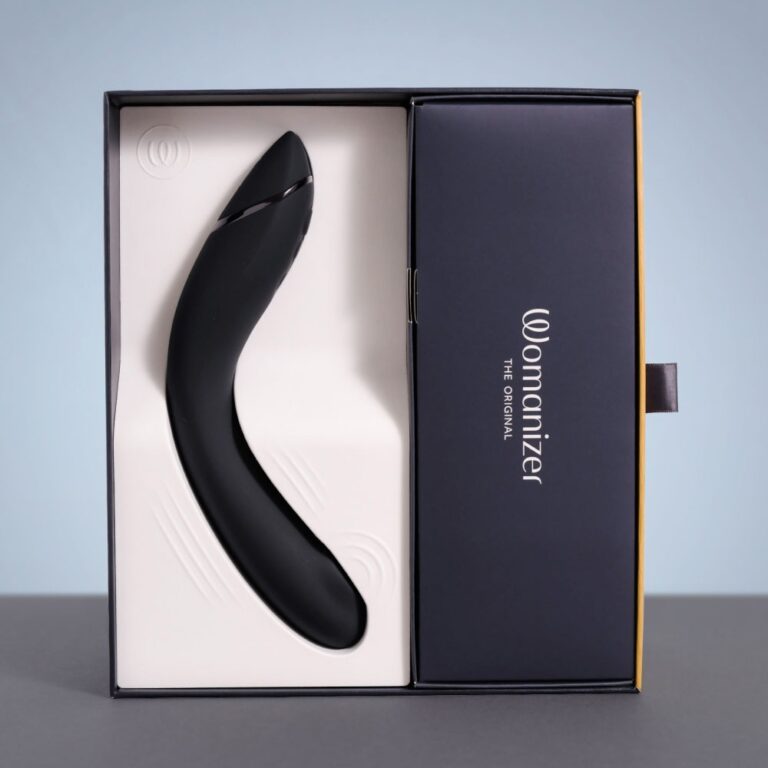
Sometimes the product is the marketing. That’s common in cosmetics, consumer electronics, and giftable items. If you hide the product, shoppers can’t judge quality.
What to do
Use a hero image that matches the actual item (shape, finish, color).
Add one detail crop: texture, tip, applicator, surface finish, whatever sells the tactile story.
If your box has a window, design around it instead of treating it like a hole.
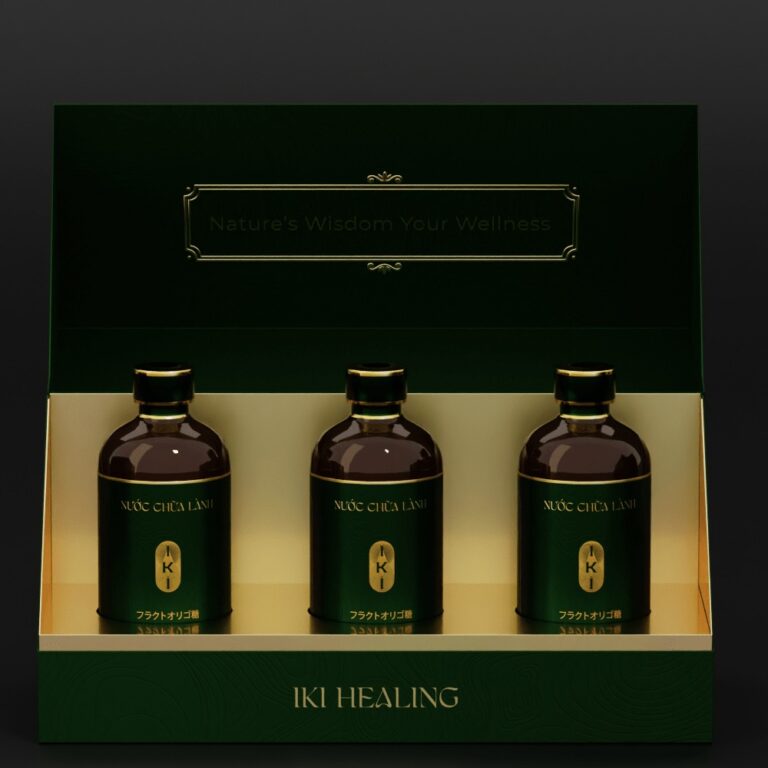
A strong internal example is tailored beauty product packaging, where visuals often need to carry “premium” without overwhelming the brand.
Factory-side reality check (so your art survives production): glossy lamination can add glare. If your hero photo is dark, push contrast and simplify the background so it still reads under lighting.
Place of Origin Image
Origin visuals work because they shortcut trust. People see “where it’s from” and fill in the story themselves: craftsmanship, freshness, tradition, or rarity.
What to do
Use one strong origin cue: a map line, a skyline silhouette, a landscape pattern, or a local motif.
Keep it supporting, not dominant. Your origin shouldn’t compete with the product name.
Pair origin imagery with a short, plain-language line. No poetry. Just clarity.
Origin storytelling fits gifting categories like chocolate, where the box needs to feel “worth giving,” not just “worth eating.” A relevant internal reference is this magnetic chocolate packaging gift box.
Place of Origin Image keywords: origin story, premium gifting, brand trust
Buyer pain point this fixes: fewer “What is this?” messages from distributors and fewer returns from shoppers who thought they were buying something else.
Product Image
This is different from “Visual Representation of Products.” Here you show the result—what it looks like when used, worn, poured, applied, or unboxed.
What to do
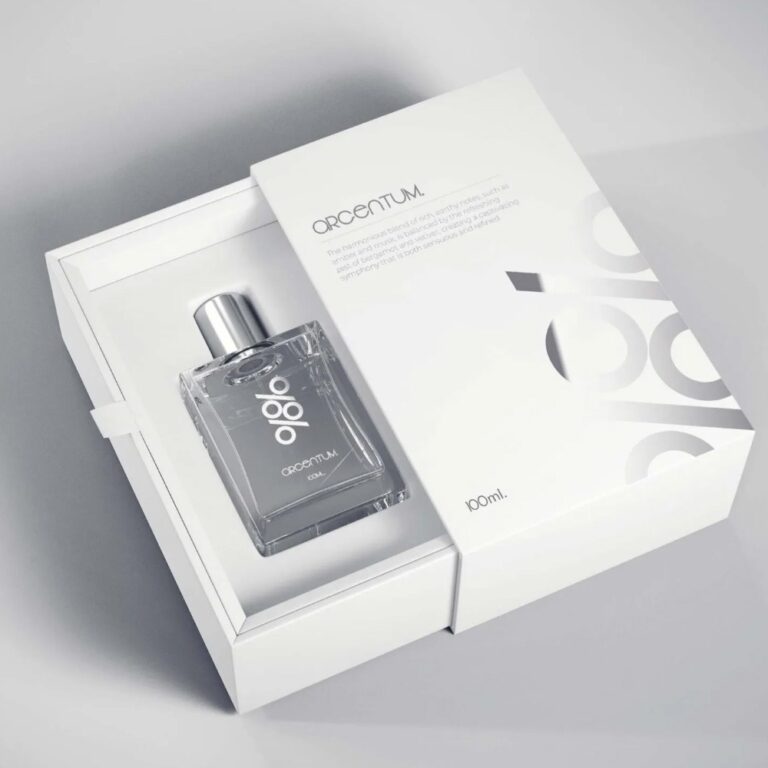
For fragrance: show the bottle mood and ritual cues, not a busy lifestyle scene.
For skincare: show texture or the “set” experience (step system).
For food: show the plated result, clean and appetizing, with no clutter.
Commercial upside: product-result imagery typically lifts conversion in online listings because it reduces “imagination work.” People buy faster when the outcome is obvious.
Raw Material Image
When products look similar, ingredients become the differentiator. Think botanical skincare, tea, coffee, chocolate, supplements, and “clean” positioning.
What to do
Pick one hero ingredient and show it clearly. One cocoa pod beats a dozen tiny beans.
Use macro texture shots (paper, powder, leaf veins) to build “realness.”
Avoid messy collages. They look cheap fast.
Raw Material Image keywords: ingredient-led packaging, clean label, texture photography
Print finish tip: if you want raw materials to feel tactile, pair the visuals with subtle texture decisions (soft-touch, emboss, spot gloss accents). That combo sells “quality you can feel” without shouting.
Usage Image
Usage visuals are pure support. They cut confusion, reduce customer service load, and help buyers feel confident—especially for kits, devices, and routines.
What to do
Use 3–5 steps, max.
Use icons + microcopy. Keep text short enough to scan.
Place it where it won’t fight the front panel (often side panel or inner flap).
Industry note: symbolic visuals pair well with higher-end structures like magnetic closures and rigid setups because the box already signals value before a single word is read.
Supplementary Image
These are your “supporting actors”: patterns, textures, borders, secondary graphics. They don’t sell alone, but they make the pack feel finished.
What to do
Use supplementary graphics to guide the eye, not fill space.
Leave negative space around key text. Breathability reads premium.
Match the pattern style to your market: bold patterns for youth categories, refined textures for luxury.
A practical internal reference is a multi-color printed corrugated carton, where secondary graphics can help a shipping-friendly box still look brand-forward.