If your concern goes beyond packaging structure or technical details, our managing team is ready to step in. You can speak with us directly about pricing, urgent timelines, special requirements, or unresolved issues that need higher-level project decisions.
We focus on finding practical solutions that keep your packaging project moving forward, whether that means reviewing costs, adjusting production plans, coordinating export details, or discussing long-term wholesale cooperation.
Talk to Packaging Engineer
Engineering Team
Get expert guidance on box structure, paperboard selection, dieline setup, printing, finishing, MOQ, sampling, and production details before starting your custom packaging quote.
Packaging engineering typically covers structure, materials, manufacturing process, cost efficiency, and product protection, so this wording is aligned with real branded packaging decision points.
People don’t “study” a cream bottle pack. They scan it. In a few seconds, they decide if it looks safe, premium, and worth trying. That’s why cosmetic cream bottle packaging has to work like a good salesperson: clear message, strong presence, zero friction.
If you’re sourcing from a Shenzhen paper packaging factory that supports custom boxes, bulk wholesale, and OEM/ODM, you can turn packaging into a repeatable system instead of a one-off design. Zhibang’s catalog and production style fits that workflow, from concept to mass production. You can start at the Zhibang Packaging homepage and browse Products when you’re mapping your packaging lineup.
Brand Story + Product Protection
Cream packaging lives in a tough world: humid bathrooms, oily hands, shipping shocks, and retail shelves with harsh lighting. Your box can’t just look nice. It must protect the formula and communicate the brand idea fast.
Packaging must do two jobs: protect the cream and tell a brand story
If you sell a “clinical repair” cream, the pack should feel clean, structured, and precise. If you sell a “botanical calming” cream, the same box style can feel softer with texture paper, muted tones, and calmer finishes.
A quick way to align story + protection is to decide these early:
Secondary pack role: shelf impact, protection in transit, gift-ready unboxing
Finish language: matte lamination vs. soft-touch, hot foil vs. spot UV, emboss/deboss
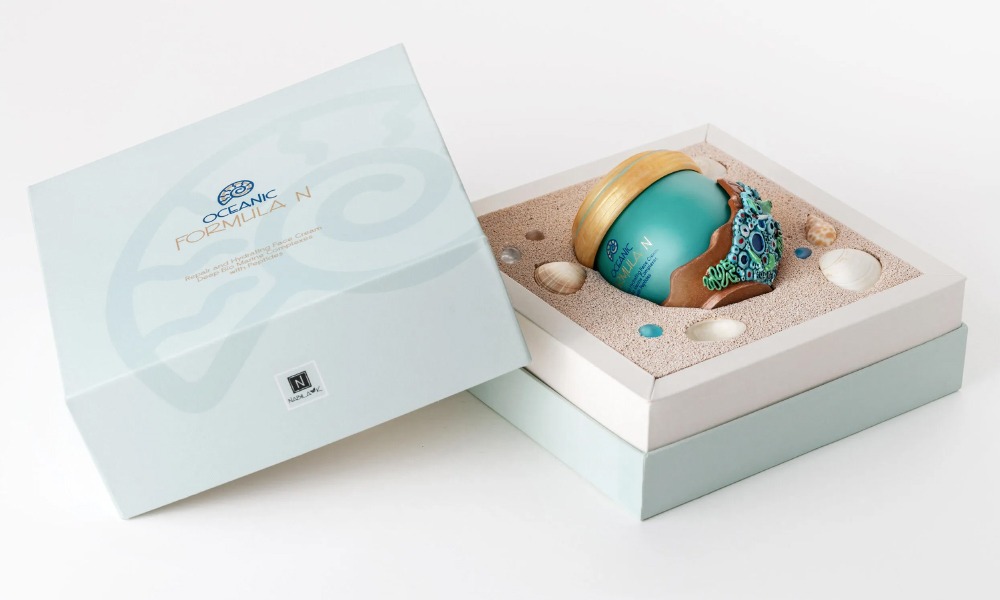
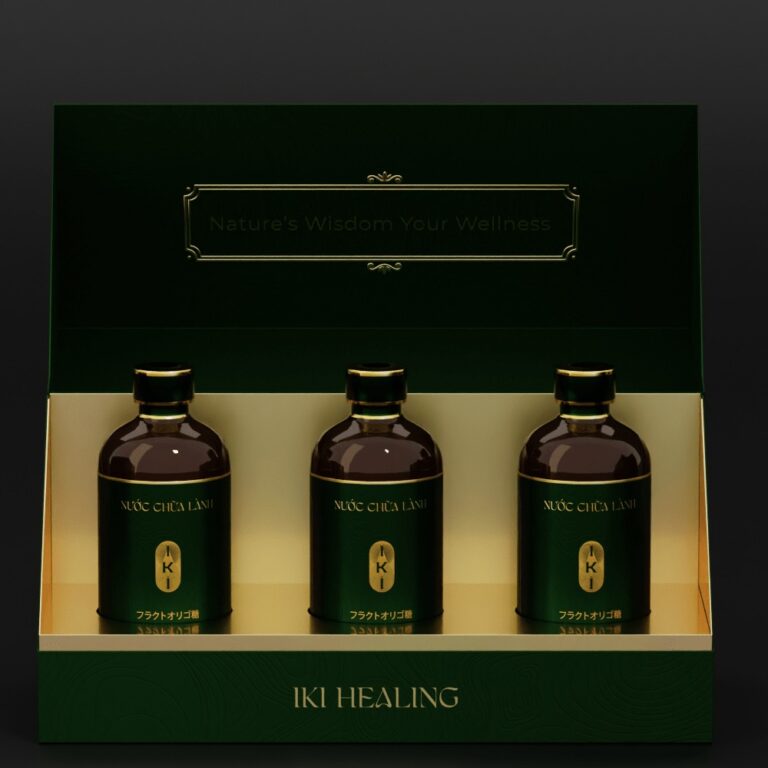
When you need a solid base for a skincare SKU, a “beauty gift packaging” style rigid option gives you a premium look without overcomplicating the assembly line. One example style direction is a rigid cosmetic set box format like this custom cosmetic box for makeup, skincare, and beauty products .
Ergonomics and Unboxing Experience
A pack can look perfect in a render and still annoy customers in real life. That annoyance shows up as returns, bad reviews, and low repurchase.
Ergonomics matters: grip, daily use, and dosing
A cream bottle pack should match how people actually use it:
One hand holding the bottle, the other hand busy
Slippery fingers from lotion
Fast access during a morning routine
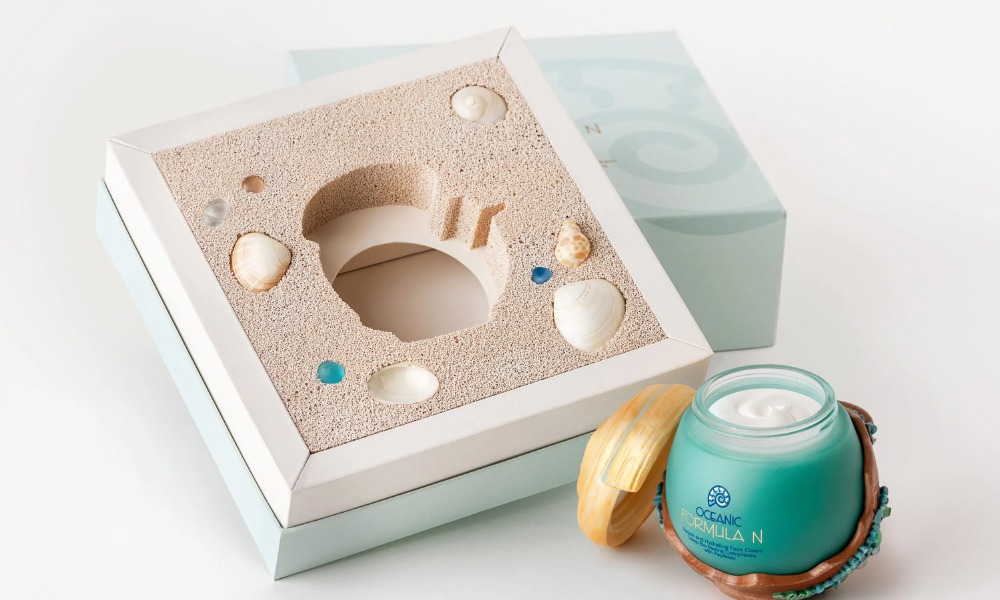
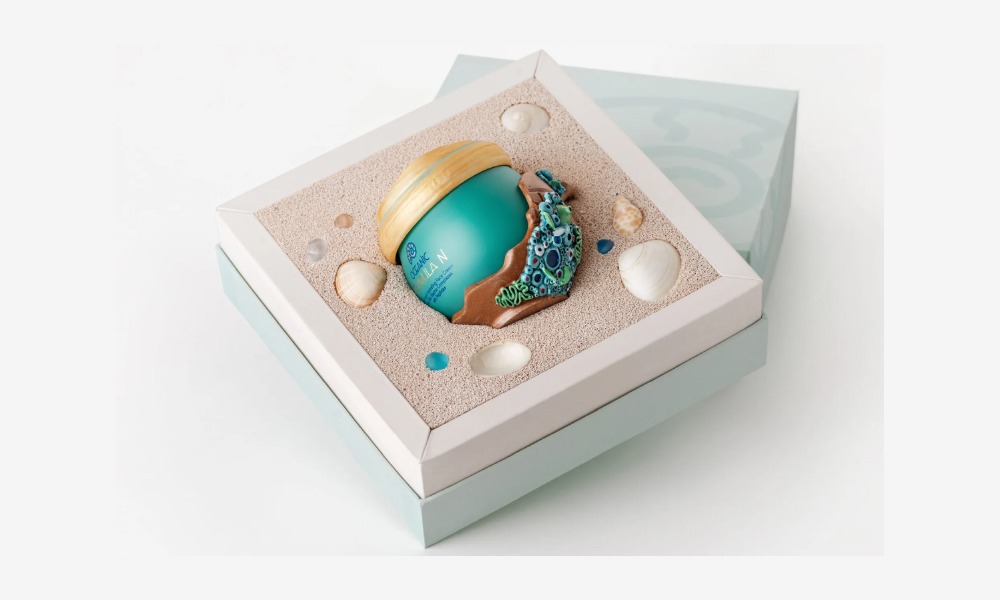
This is where secondary packaging helps too. A rigid box with a snug insert keeps the bottle from rattling. It also makes the first open feel intentional, not messy.
Rigid setup boxes increase perceived value and reduce transit damage
Rigid setup packaging does two things that matter commercially:
It raises perceived value (better “gift feel,” better shelf posture).
It reduces damage rate (less crush, less scuff, fewer corner splits).
If you sell premium skincare or you ship DTC across borders, rigid setup is a reliable baseline.
Material Compatibility and Formula Safety
Packaging isn’t only “outside.” It’s part of the product system. If the formula and the packaging fight each other, you’ll see discoloration, scent drift, or leakage complaints.
Material choice protects formula performance
Treat this as a mini quality gate:
Compatibility test: formula + insert + inner coating + any adhesives
Heat exposure check: warehouse and summer transit
Seal integrity: closure fit + vibration exposure
For thick creams, inserts matter. A foam or EVA holder controls movement and protects the bottle shoulder and pump head.
Hygiene and preservation: airless pump vs jar (decision logic)
If your positioning leans “clean,” “sensitive skin,” or “low preservative,” you’ll likely want to avoid wide-mouth jars. Airless pumps cut contamination risk and help slow oxidation because users don’t dip fingers into the product and don’t keep exposing it to air.
You don’t need to overexplain it. Just anchor it to a real usage moment: bathroom steam + wet hands + daily opening.
Rigid Setup Box + Lift-Off Lid Box
Luxury skincare loves a controlled reveal. It builds anticipation and makes unboxing feel tidy.
Lift-off lid box creates a clean reveal
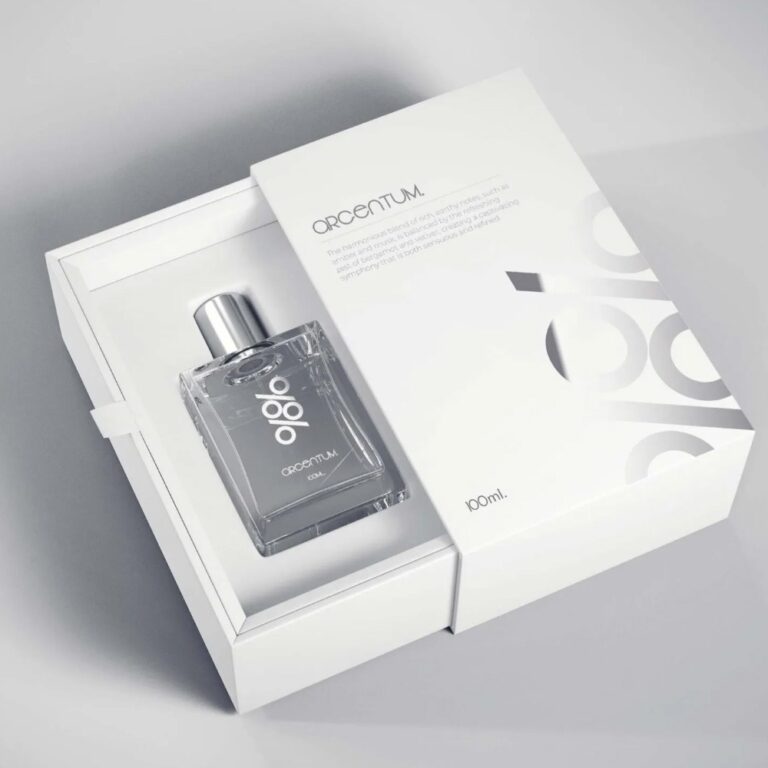
A lift-off lid structure is simple, but it feels ceremonial. Customers open it, see the bottle centered, and instantly read “premium.”
For creams that sit in gift sets or holiday bundles, a lift-off lid format works well. Here’s a structure example tied to a beauty use case: face mist lid lift-off gift box packaging .
Magnetic Closure Gift Box and Premium Finishes
If you want a pack that closes with a “click” and stays neat on a shelf, magnetic closure styles get the job done.
Magnetic closure gift box supports premium positioning
Magnetic closures add:
Better re-close behavior (customers keep it, not toss it)
Stronger gifting cues
More surface area for finishing (foil, spot UV, emboss)
Cream brands rarely sell only one SKU. They build a line: cleanser, cream, serum, mask, travel sizes. Packaging should scale with that plan.
Cosmetic tube packaging boxes help you keep a consistent shelf look
Tube cartons and cylinder-style boxes help you keep the same design language across sizes. They also make it easier to manage artwork and dielines when you expand the line.
Sustainability: Recyclable Design, PCR, and Refill Formats
Sustainability is real, but customers also hate flimsy packaging. The goal is a balanced structure that still survives shipping and keeps the premium look.
Reduce complexity with recyclable material choices
A simple rule that helps both recycling and production stability: avoid unnecessary mixed-material structures when you don’t need them. Fewer layers and fewer materials usually means smoother QC and fewer supplier variables.
PCR and refill formats work best when they fit customer behavior
PCR materials can support a more eco-forward message, but you still need stable color and clean surface results. Refill formats can cut waste, but only if refills feel easy and not messy. If refills make customers struggle, they won’t reorder.
Labeling and Compliance in Cosmetics Packaging
Compliance isn’t a “later” task. It’s part of layout planning. If you run out of space for required text, you’ll redesign late and waste time.
Plan space for key labeling content
Even when the bottle carries core info, the box often needs more:
Ingredient and usage blocks
Warnings
Net contents and company info
Batch/traceability areas
Build a print-safe “info zone” early, then lock it before mass production. That keeps your artwork changes from hitting production schedules.
Quick Packaging Decision Table for Cream Bottles
Use this as a fast matching tool when you’re picking structures.
OEM/ODM and Bulk Wholesale: How to Keep Packaging From Slowing Launch
Most packaging problems aren’t “design problems.” They’re production workflow issues: too many revisions, unclear specs, mismatched inserts, or last-minute print changes.
Here’s a tighter, factory-friendly flow that reduces rework:
Lock the structure first (rigid, lift-off lid, tube, drawer, etc.)
Confirm insert concept (EVA/foam/paper holder) based on bottle shape and transit risk
Do a pre-production sample before mass production
Freeze artwork once compliance zones and barcodes are correct
Run QC checkpoints on color, finishing, and assembly fit
If you’re building a long-term supply chain, get to know the team behind the factory. You can see the company profile on About Us and move straight to inquiry on Contact Us .
Closing: Make Packaging a System, Not a One-Off
The best cosmetic cream bottle packaging doesn’t rely on luck. It follows a system: protect the formula, make the shelf look sharp, keep unboxing smooth, and make production stable for bulk orders.
When you’re ready to standardize your structures and finishes across SKUs, start with the Products page , then pick 2–3 structures that fit your price tier and channel. From there, you can scale into OEM/ODM runs without constant redesign.