If your concern goes beyond packaging structure or technical details, our managing team is ready to step in. You can speak with us directly about pricing, urgent timelines, special requirements, or unresolved issues that need higher-level project decisions.
We focus on finding practical solutions that keep your packaging project moving forward, whether that means reviewing costs, adjusting production plans, coordinating export details, or discussing long-term wholesale cooperation.
Talk to Packaging Engineer
Engineering Team
Get expert guidance on box structure, paperboard selection, dieline setup, printing, finishing, MOQ, sampling, and production details before starting your custom packaging quote.
Packaging engineering typically covers structure, materials, manufacturing process, cost efficiency, and product protection, so this wording is aligned with real branded packaging decision points.
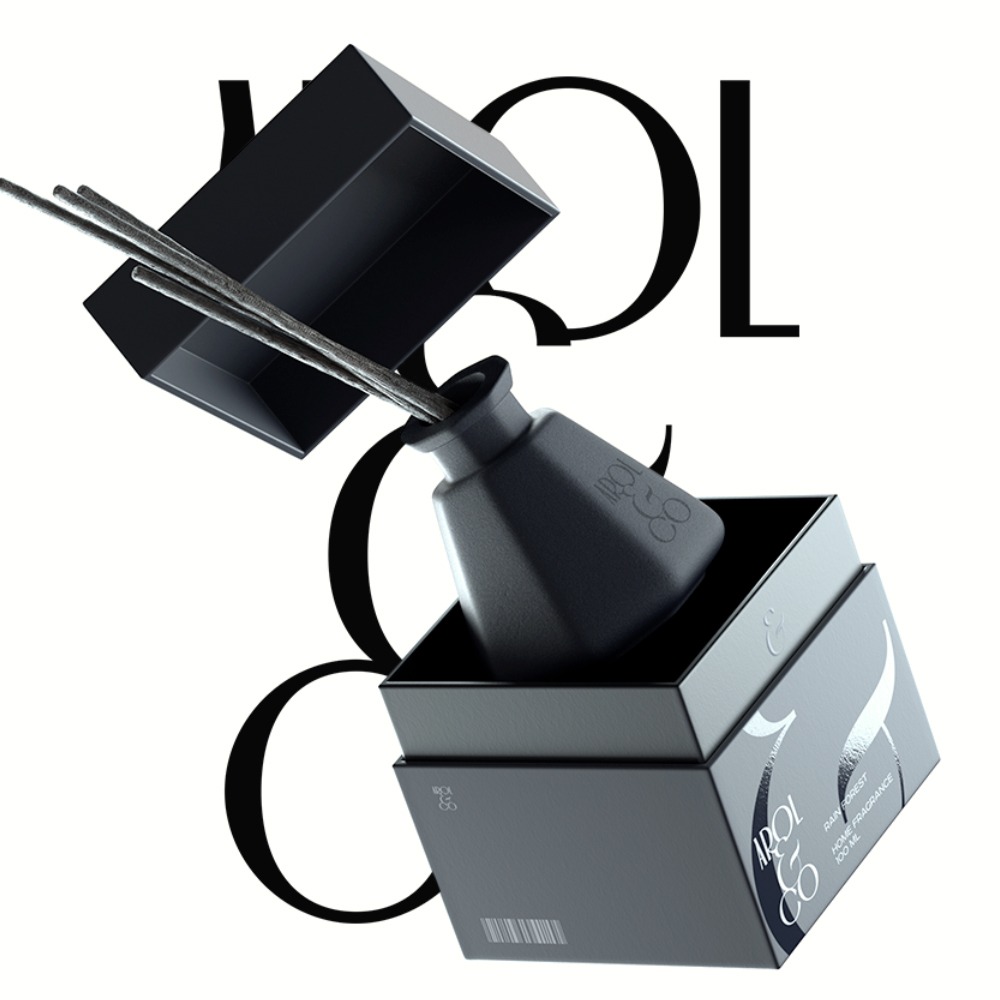
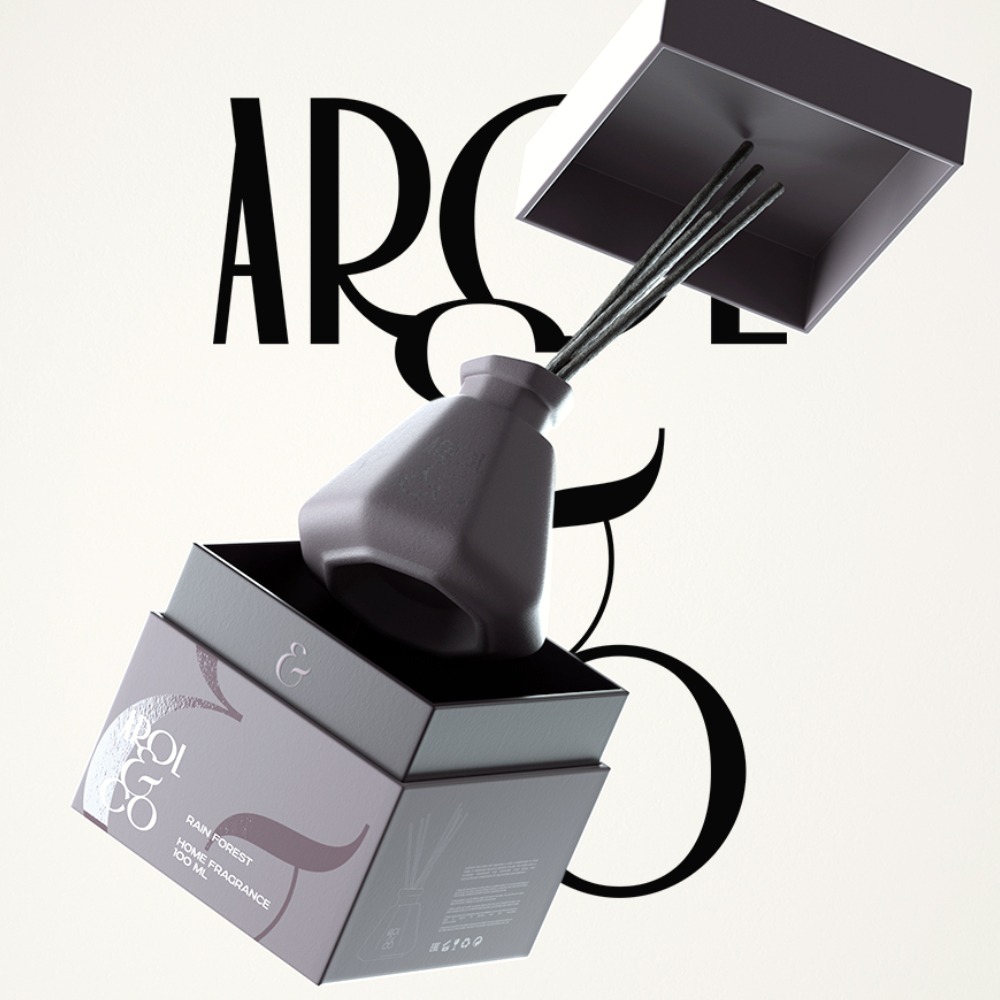
Minimalist packaging works in home fragrance for one simple reason: your product lives out in the open. A candle jar sits on a coffee table. A reed diffuser stays in a bathroom for weeks. If the box looks noisy, people hide it. If it looks calm and intentional, people keep it, reuse it, and remember the brand.
At Zhibang, we see the same pattern across bulk buyers, private-label sellers, and design agencies: minimal doesn’t mean “plain.” It means clean hierarchy, tight structure, and smart material choices—so your packaging looks premium, ships safely, and scales for wholesale/OEM.
If you’re new here, start from the Zhibang homepage: Zhibang Packaging.
Minimalist packaging design for home fragrance
Minimalism isn’t a style you “add.” It’s a set of decisions you remove—without losing clarity.
Here’s what that looks like in real production terms:
Less front-panel text, stronger hierarchy (brand, scent name, size). Everything else moves to the side/back.
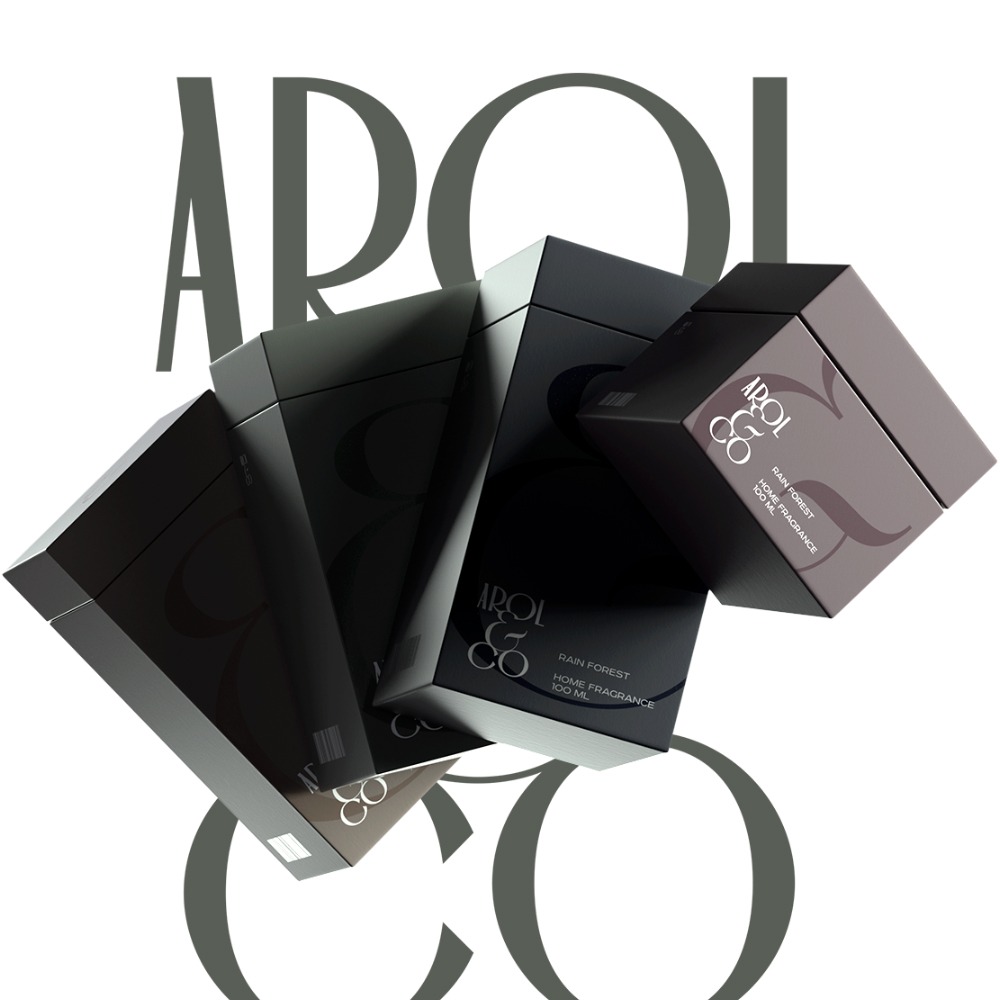
One dominant color family (matte white, soft black, warm kraft, deep navy). You keep contrast for readability.
Tight structure so the box feels solid when someone picks it up. Rigid set-up boxes or drawer boxes do this well for fragrance gifts.
Finishing used as an accent, not a full outfit: a small hot-foil logo, subtle emboss, or a spot UV hit can be enough.
If you’re building a fragrance line that needs a gift-ready feel, browse rigid options under Products.
Avoid repetition by designing a “label system,” not a one-off box
A lot of brands redesign every scent SKU from scratch. That kills consistency and makes print production messy. Instead, build a system:
Same layout grid for every SKU
Scent family changes color and one small icon
Same dieline across the line to simplify procurement and QC
Same insert logic (EVA/foam/paperboard holder) to reduce breakage and returns
That’s minimalism with operational discipline. Your warehouse team will thank you.
Color psychology for fragrance packaging
Color is your shortcut to emotion. People sniff with their eyes first.
Soft neutrals signal “clean” and “spa-like.”
Deep tones (black/navy/forest) feel “quiet luxury.”
Kraft and textured paper cues “eco, natural, botanical.”
On shelf, you’re fighting clutter. Online, you’re fighting scroll speed. A controlled palette creates instant recognition.
Sustainable materials for home fragrance packaging
Minimalist brands often talk about sustainability. What matters is what you can actually execute at scale:
Mono-material thinking where possible (paper-based structure, fewer mixed layers)
Reduced lamination when the surface needs to stay recyclable
Refill-friendly formats (keep the container, replace the inner unit)
Strong structure so the box survives the shipping chain and doesn’t become “single-trip trash”
For essential oils and smaller fragrance items, paper tubes can be a strong match: stable, premium, and easy to brand with clean graphics. Here’s a relevant format: Essential Oil Bottle Packaging | Paper Tube Box.
Refillable packaging for home fragrance
Refills aren’t only about eco messaging. They’re also a retention tool.
If a customer keeps your outer container, you’ve won permanent shelf space in their home. The refill becomes a repeat purchase with less friction.
To make refill packaging work, keep these practical points in mind:
The refill pack needs easy opening (no messy tears, no glue drama)
Graphics should stay minimal so the refill feels “clean,” not cheap
The outer pack should have durability cues (weight, texture, crisp edges)
Inserts should be designed for repeated use, not one-time fit
Rigid box packaging for candles and diffusers
Home fragrance is sensitive: glass, ceramic, and heavy wax need protection. Minimalist packaging fails fast if it dents or collapses.
That’s why rigid structures show up so often in premium fragrance:
A rigid box keeps sharp corners and clean lines (the visual language of minimalism).
It supports premium finishes without looking overdone.
It holds inserts better, so jars don’t rattle in transit.
Practical scenarios for minimalist home fragrance packaging
Here’s how minimalist packaging choices shift depending on where you sell.
DTC eCommerce shipping
Your pain points: damage claims, scuffed corners, returns, bad reviews.
Use rigid or reinforced structures for heavy jars
Add internal fitment to pass real-world drop handling
Keep exterior ink coverage controlled to reduce scuff visibility
Build a simple unboxing moment (pull tab, clean tray, single message card)
Retail shelf and boutique display
Your pain points: shelf clutter, brand confusion, low pick-up rate.
Strong color discipline across SKUs
Large scent name, small supporting copy
Matte or soft-touch surface to avoid glare under store lighting
A small foil hit can lift perceived value without “busy” graphics
Wholesale / distribution / OEM lines
Your pain points: long lead times, SKU sprawl, inconsistent quality.
Standardize dielines across SKUs
Lock Pantone/CMYK specs early
Choose finishes that QC can verify easily (foil position, emboss depth, spot UV registration)
Use packaging that’s easy to assemble at scale (reduce manual labor steps)
If you need a factory partner for OEM/ODM workflows, the quick background is here: About Us. If you want to move straight to quoting and specs, go to Contact Us.
Fewer layers reduces waste and simplifies recycling
Less mixing = easier disposal
Avoid unnecessary plastic windows/over-lamination
Strong structure reduces transit loss
Minimal looks bad when damaged
Rigid box + insert to cut breakage and returns
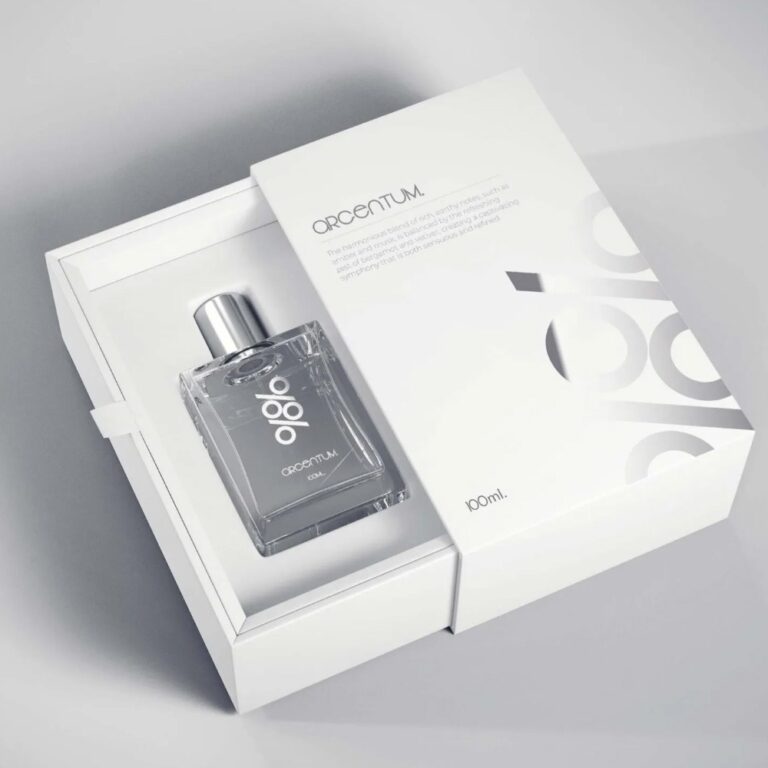
Drawer/sleeve structures create premium unboxing
Reveal moment without extra graphics
Use drawer/sleeve boxes for sets and discovery kits
Where Zhibang fits in a minimalist fragrance packaging plan
If you want minimalist packaging that still performs in real supply chains, here’s the practical path:
Pick one core structure (rigid / drawer / tube) for your whole line
Build a scent-family color system (not random per SKU)
Lock insert strategy based on bottle/jar weight and shipping route
Keep finishes minimal but sharp (foil/emboss/spot UV as accents)
Scale with consistent dielines for bulk ordering and OEM runs
That’s how minimal packaging stays clean on the outside and tough in the back-end—so your brand looks premium, ships safely, and stays consistent across channels.