إذا تجاوزت مخاوفك هيكل التغليف أو التفاصيل الفنية، فإن فريقنا الإداري مستعد للتدخل. يمكنك التحدث معنا مباشرةً بشأن التسعير أو الجداول الزمنية العاجلة أو المتطلبات الخاصة أو المشكلات التي لم يتم حلها والتي تحتاج إلى قرارات على مستوى أعلى للمشروع.
نحن نركز على إيجاد حلول عملية تحافظ على تقدم مشروع التعبئة والتغليف الخاص بك، سواء كان ذلك يعني مراجعة التكاليف أو تعديل خطط الإنتاج أو تنسيق تفاصيل التصدير أو مناقشة التعاون طويل الأجل في مجال البيع بالجملة.
تحدث إلى مهندس التغليف
الفريق الهندسي
احصل على إرشادات الخبراء بشأن هيكل الصندوق، واختيار الورق المقوى، وإعداد خط الإنتاج، والطباعة، والتشطيب، وموك وموك وأخذ العينات وتفاصيل الإنتاج قبل البدء في عرض أسعار التغليف المخصص.
تغطي هندسة التعبئة والتغليف عادةً الهيكل والمواد وعملية التصنيع وكفاءة التكلفة وحماية المنتج، لذا فإن هذه الصياغة تتماشى مع نقاط قرار التغليف الحقيقي للعلامة التجارية.
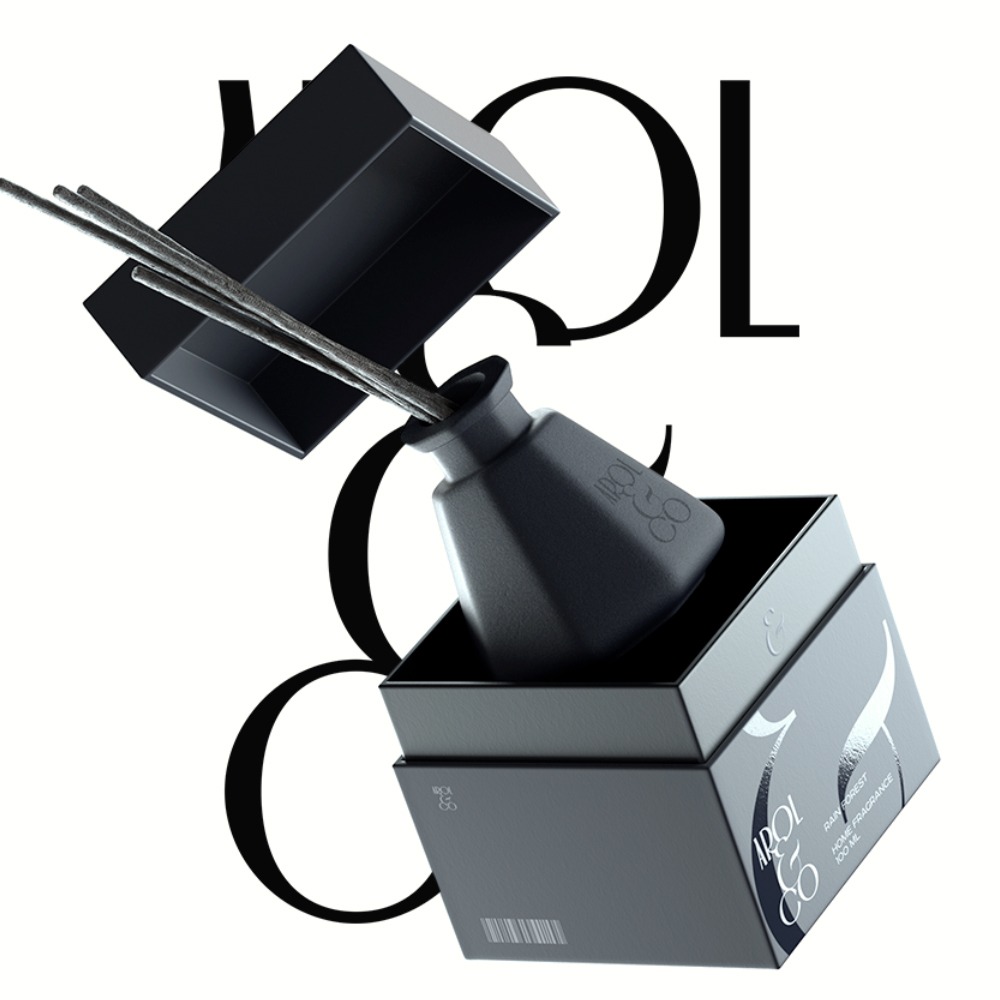
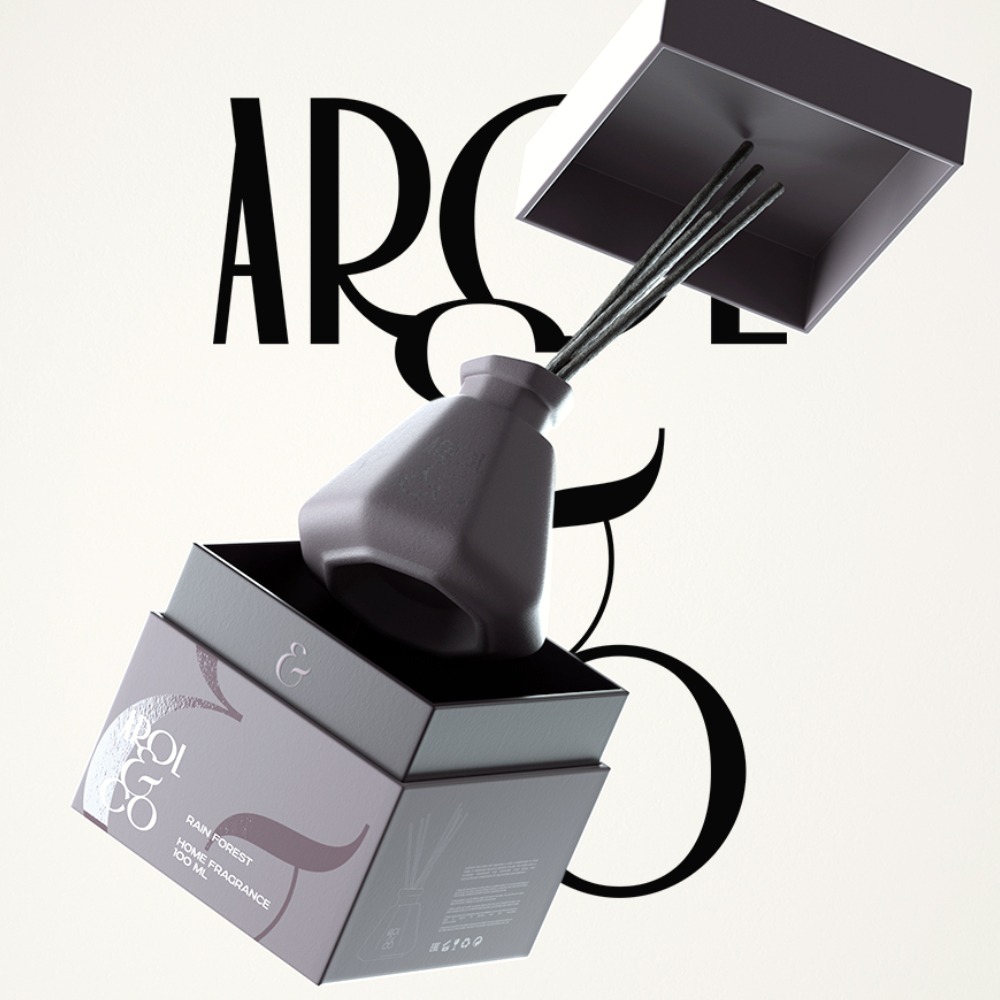
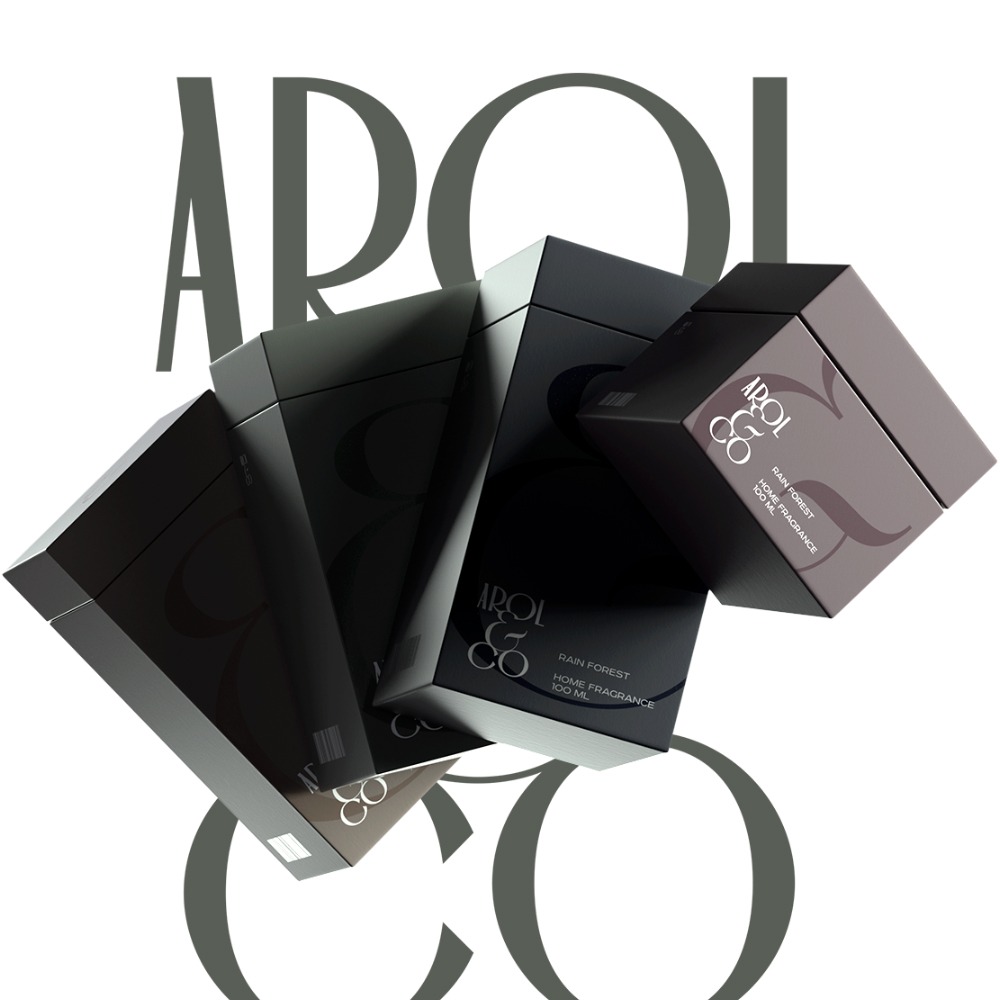
يعمل التغليف البسيط في مجال العطور المنزلية لسبب واحد بسيط: منتجك يعيش في العراء. جرة شمعة توضع على طاولة القهوة. ويبقى موزع القصب في الحمام لأسابيع. إذا كانت العلبة تبدو صاخبة، يخفيها الناس. إذا كانت تبدو هادئة ومتعمدة، يحتفظ بها الناس ويعيدون استخدامها ويتذكرون العلامة التجارية.
في Zhibang، نرى نفس النمط لدى المشترين بالجملة، وبائعي العلامات التجارية الخاصة، ووكالات التصميم: الحد الأدنى لا يعني “عادي”. إنه يعني تسلسل هرمي نظيف وهيكل محكم وخيارات مواد ذكية-حتى تبدو عبواتك ممتازة وتشحن بأمان وتتناسب مع البيع بالجملة/المصنعين الأصليين.
غالباً ما تتحدث العلامات التجارية البسيطة عن الاستدامة. ما يهم هو ما يمكنك تنفيذه فعلياً على نطاق واسع:
التفكير الأحادي المادة حيثما أمكن (هيكل ورقي، عدد أقل من الطبقات المختلطة)
تصفيح مخفض عندما يحتاج السطح إلى أن يظل قابلاً لإعادة التدوير
تنسيقات ملائمة لإعادة التعبئة (احتفظ بالحاوية، واستبدل الوحدة الداخلية)
بنية قوية حتى ينجو الصندوق من سلسلة الشحن ولا يصبح “سلة مهملات أحادية الرحلة”
بالنسبة للزيوت الأساسية والعطور الأصغر حجماً، يمكن أن تكون الأنابيب الورقية مناسبة جداً للزيوت العطرية والعطور الأصغر حجماً: فهي مستقرة ومتميزة وسهلة العلامة التجارية برسومات نظيفة. إليك التنسيق المناسب: عبوة زجاجة زيت عطرية | صندوق أنبوب ورقي.
عبوة قابلة لإعادة الملء للعطر المنزلي
إعادة التعبئة لا تتعلق فقط بالرسائل البيئية. فهي أيضاً أداة استبقاء.
إذا احتفظ العميل بالعبوة الخارجية الخاصة بك، تكون قد فزت بمساحة رفوف دائمة في منزله. تصبح إعادة التعبئة عملية شراء متكررة مع احتكاك أقل.
لإنجاح عملية إعادة التعبئة والتغليف، ضع هذه النقاط العملية في الاعتبار:
تحتاج عبوة إعادة التعبئة إلى سهولة الفتح (بدون دموع فوضوية، بدون دراما الغراء)
يجب أن تظل الرسومات في حدها الأدنى حتى تبدو إعادة التعبئة “نظيفة” وليست رخيصة
يجب أن تحتوي العبوة الخارجية على إشارات المتانة (الوزن والملمس والحواف الهشة)
يجب أن تكون الحشوات مصممة للاستخدام المتكرر، وليس لمرة واحدة فقط
عبوات صندوقية صلبة للشموع والموزعات
العطر المنزلي حساس: يحتاج الزجاج والسيراميك والشمع الثقيل إلى الحماية. تفشل العبوات البسيطة بسرعة إذا انبعجت أو انهارت.
لهذا السبب تظهر الهياكل الصلبة في كثير من الأحيان في العطور الفاخرة:
صينية داخلية خالية من الغبار حتى يبقى فتح العلبة نظيفاً
تصميم مضاد للخشخشة حتى لا “يتحدث” المنتج أثناء الشحن
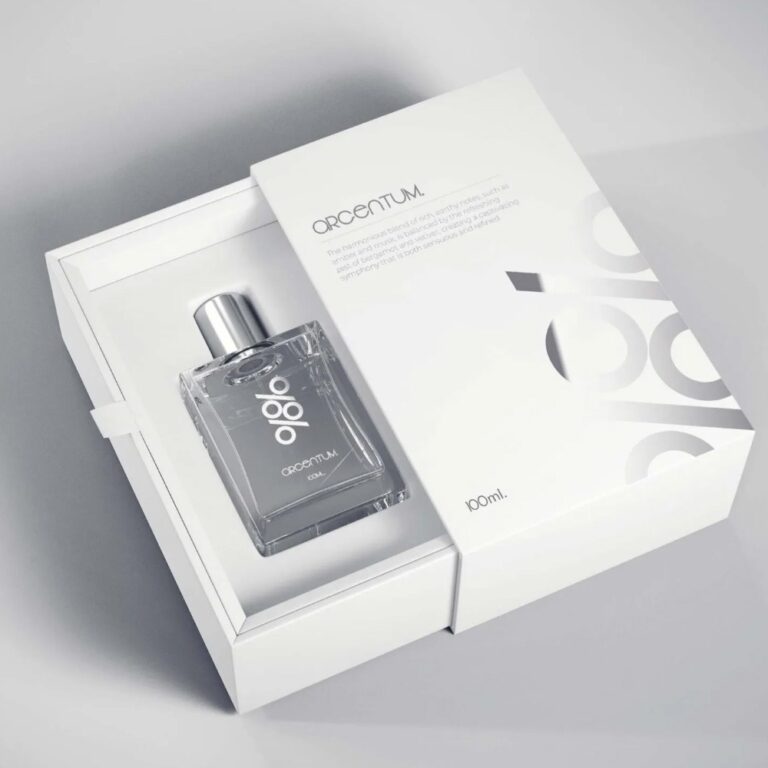
إذا كان منتج العطر الخاص بك يستخدم زجاجة تحتاج إلى عرض مرئي وإمساك آمن، يمكن أن تعمل تخطيطات الأكمام + الدرج بشكل جيد: صناديق الأكمام الكرتونية لتغليف العطور.
سيناريوهات عملية لتغليف العطور المنزلية البسيطة
إليك كيف تتغير خيارات التغليف البسيطة حسب المكان الذي تبيع فيه.
شحن التجارة الإلكترونية عبر الإنترنت
نقاط ضعفك: مطالبات التلف، والزوايا المشوهة، والمرتجعات، والمراجعات السيئة.
استخدام الهياكل الصلبة أو المقواة للجرار الثقيلة
إضافة تركيبات داخلية لاجتياز مناولة السقوط في العالم الحقيقي
حافظ على التحكم في تغطية الحبر الخارجي لتقليل ظهور الجرجرة
بناء لحظة بسيطة لفتح العلبة (لسان سحب، علبة نظيفة، بطاقة رسالة واحدة)
رف البيع بالتجزئة والعرض في المتاجر
نقاط ضعفك: فوضى الأرفف، وارتباك العلامة التجارية، وانخفاض معدل الاستلام.
انضباط لوني قوي عبر وحدات حفظ المخزون
اسم العطر الكبير، نسخة داعمة صغيرة الحجم
سطح غير لامع أو ناعم الملمس لتجنب الوهج تحت إضاءة المتجر
يمكن لضربة رقائق معدنية صغيرة أن ترفع القيمة المدركة دون رسومات “مشغولة”
خطوط البيع بالجملة/التوزيع/ تصنيع المعدات الأصلية
نقاط ضعفك: المهل الزمنية الطويلة، وامتداد وحدة SKU، والجودة غير المتسقة.
توحيد خطوط بيانات موحدة عبر وحدات حفظ المخزون
قفل مواصفات Pantone/CMYK مبكرًا
اختر التشطيبات التي يمكن أن تتحقق منها مراقبة الجودة بسهولة (موضع الرقائق، وعمق النقش، والتسجيل الموضعي للأشعة فوق البنفسجية)
استخدام عبوات سهلة التجميع على نطاق واسع (تقليل خطوات العمل اليدوي)
إذا كنت بحاجة إلى شريك مصنع لتصنيع المعدات الأصلية/التصنيع حسب الطلب، فإن الخلفية السريعة هنا: نبذة عنا. إذا كنت ترغب في الانتقال مباشرةً إلى عرض الأسعار والمواصفات، انتقل إلى اتصل بنا.
جدول ملخص الحجج الرئيسية
عنوان الحجة
ما يعنيه ذلك بعبارات واضحة
ما يجب عليك فعله على الصندوق
بساطتها تحتفظ بالمعلومات الضرورية فقط
لا تزاحم اللوحة الأمامية
الجهة الأمامية: العلامة التجارية + الرائحة + الحجم. انقل كل شيء آخر إلى الجانب/الخلف
يجب أن تتناسب العبوة مع ديكور المنزل
يعامل الناس العطر كقطعة ديكور
اختر الألوان الهادئة، والطباعة النظيفة، والبنية الصلبة
اللون يحدد توقعات الرائحة
اللون يخلق المزاج قبل الرائحة
استخدام قواعد لوحة الألوان ذات الرائحة العطرية عبر وحدات حفظ المخزون
المواد التي تشير إلى موقف العلامة التجارية
اختيار المواد هو تحديد المواقع
ورق الملمس، كرافت، لوح صلب، أنبوب ورقي على أساس لون العلامة التجارية