إذا تجاوزت مخاوفك هيكل التغليف أو التفاصيل الفنية، فإن فريقنا الإداري مستعد للتدخل. يمكنك التحدث معنا مباشرةً بشأن التسعير أو الجداول الزمنية العاجلة أو المتطلبات الخاصة أو المشكلات التي لم يتم حلها والتي تحتاج إلى قرارات على مستوى أعلى للمشروع.
نحن نركز على إيجاد حلول عملية تحافظ على تقدم مشروع التعبئة والتغليف الخاص بك، سواء كان ذلك يعني مراجعة التكاليف أو تعديل خطط الإنتاج أو تنسيق تفاصيل التصدير أو مناقشة التعاون طويل الأجل في مجال البيع بالجملة.
تحدث إلى مهندس التغليف
الفريق الهندسي
احصل على إرشادات الخبراء بشأن هيكل الصندوق، واختيار الورق المقوى، وإعداد خط الإنتاج، والطباعة، والتشطيب، وموك وموك وأخذ العينات وتفاصيل الإنتاج قبل البدء في عرض أسعار التغليف المخصص.
تغطي هندسة التعبئة والتغليف عادةً الهيكل والمواد وعملية التصنيع وكفاءة التكلفة وحماية المنتج، لذا فإن هذه الصياغة تتماشى مع نقاط قرار التغليف الحقيقي للعلامة التجارية.
الارتفاع الصديق للبيئة: رحلة تغليف القنب القابل للتسميد
إذا كنت تبيع منتجات القنب، فأنت تعرف بالفعل الألم: لا يمكن أن تبدو العلبة جيدة فقط. يجب أن يجتاز فحوصات الامتثال، ويحمي ما بداخله، ويشحن نظيفاً، ويظل يبدو كعلامتك التجارية. والآن يتوقع المشترون أيضاً مواد أقل تأثيراً. وهنا يأتي دور عبوات القنب الورقية القابلة للتحويل إلى سماد.
يحافظ هذا الدليل على الطابع العملي. سترى ما الذي تعنيه كلمة “قابل للتحويل إلى سماد” حقًا من حيث التعبئة والتغليف، وأين يعمل الورق بشكل أفضل، وكيفية بناء عبوة لا تفسد سير عملك. سأوجهك أيضًا إلى هياكل التعبئة والتغليف الحقيقية من الصفحة الرئيسية لـ Zhibangpack حتى تتمكن من مطابقة الأفكار مع التنسيقات الفعلية.
عبوات القنب القابلة للتحويل إلى سماد
“تبدو كلمة ”قابل للتحويل إلى سماد" بسيطة، ولكن التفاصيل هي التي تحدد ما إذا كان مشروعك يسير بسلاسة أو يتحول إلى حلقة إعادة العمل.
العبوات القابلة للتحويل إلى سماد 100%
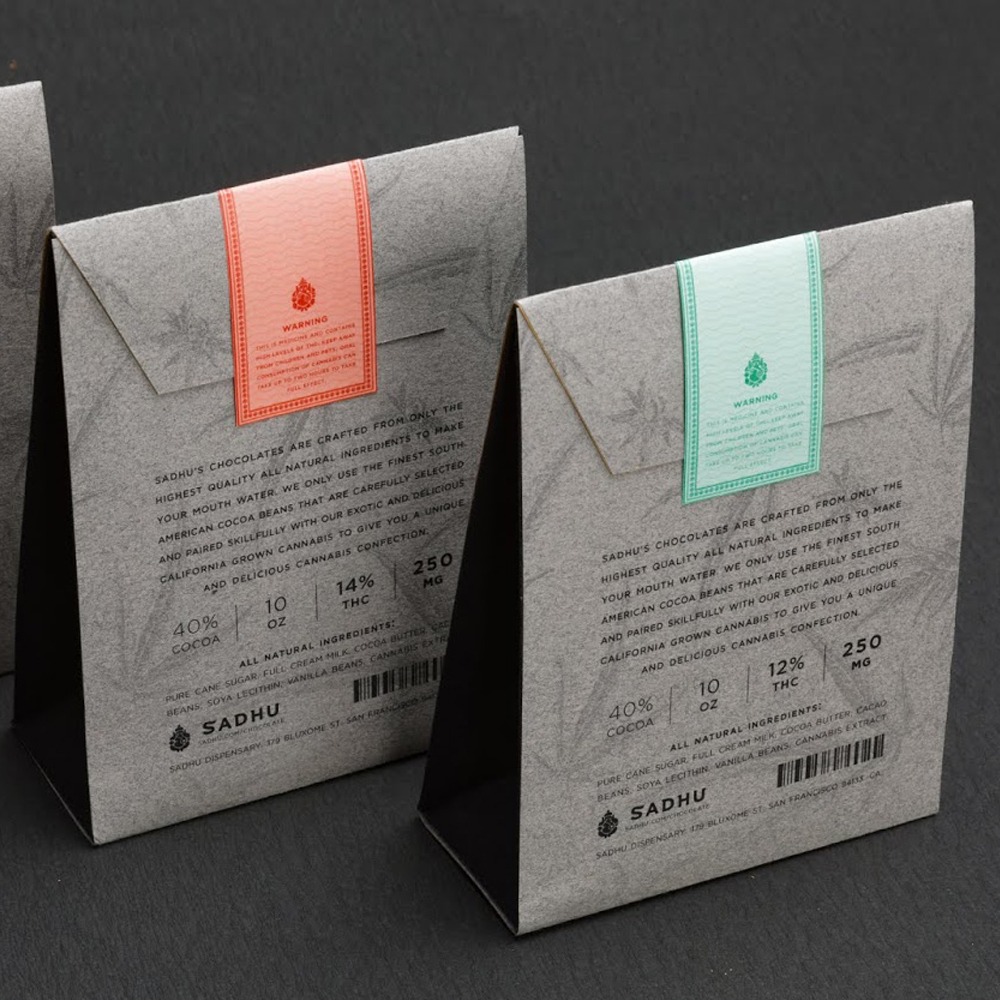
إذا كنت تهدف إلى الحصول على أجواء “الورق فقط”، فستحتاج إلى الحفاظ على نظافة الهيكل: ورق مقوى خارجي، وإدخالات ورقية، والحد الأدنى من المواد المختلطة. في اللحظة التي تضيف فيها بطانة أو نافذة غشاء أو نظام غراء خاطئ، يمكن أن تصبح مطالبتك القابلة للتحويل إلى سماد فوضوي.
ماذا تفعل بدلاً من ذلك:
اجعل البناء معظمه من الورق المقوى حيثما استطعت.
استخدم الحشوات التي تثبت المنتج بإحكام دون استخدام مواد بلاستيكية إضافية (فكر في الألواح المقطوعة أو لب الورق أو الطيات الذكية).
تعامل مع رقائق الألومنيوم والتصفيح والنوافذ على أنها “ترقيات للعلامة التجارية” لا تضيفها إلا عندما تحتاج إليها حقًا.
العبوات القابلة للتحويل إلى سماد مقابل العبوات القابلة للتحلل
يختلط الأمر على الناس طوال الوقت. “قابلة للتحلل” غامضة. “قابل للتحلل” أكثر صرامة وترتبط عادةً بسلوك محدد للتحلل في بيئة محددة. إذا كنت تكتب ادعاءات على العبوة، فأنت بحاجة إلى صياغة متسقة، وإلا ستدعو بائعي التجزئة إلى التراجع وشكاوى العملاء.
قاعدة بسيطة: إذا لم تستطع أن تشرح بوضوح حيث يُسمِّد و ما هي الشروط يحتاج، لا تطبع مطالبة كبيرة.
تجربة العلامة التجارية وفتح العلبة
يتسوق مشترو القنب بأعينهم وأيديهم. فهم يلاحظون الملمس والإغلاق وكيفية فتح العلبة. العبوات القابلة للتحويل إلى سماد لا تعني “أساسية”. يمكن للورق المقوى أن يعطي شعوراً بالتميز بسرعة مع بنية ذكية.
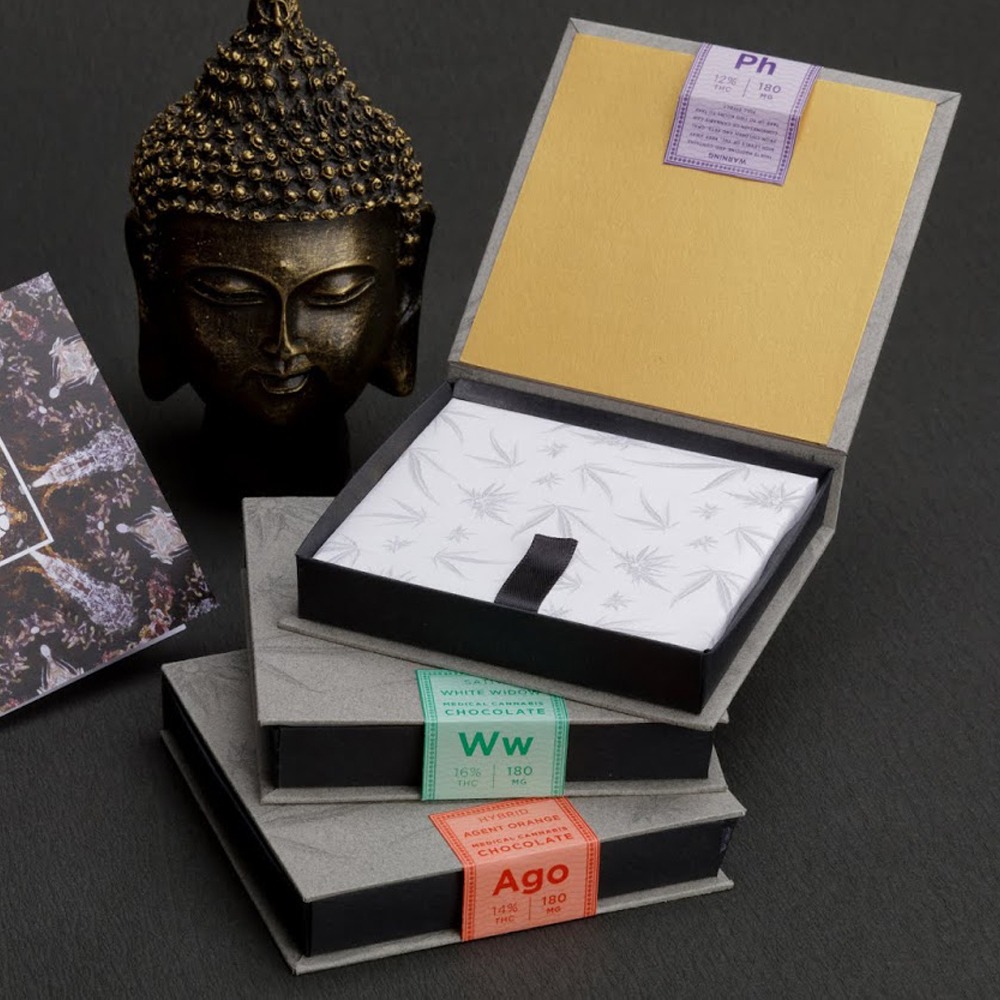
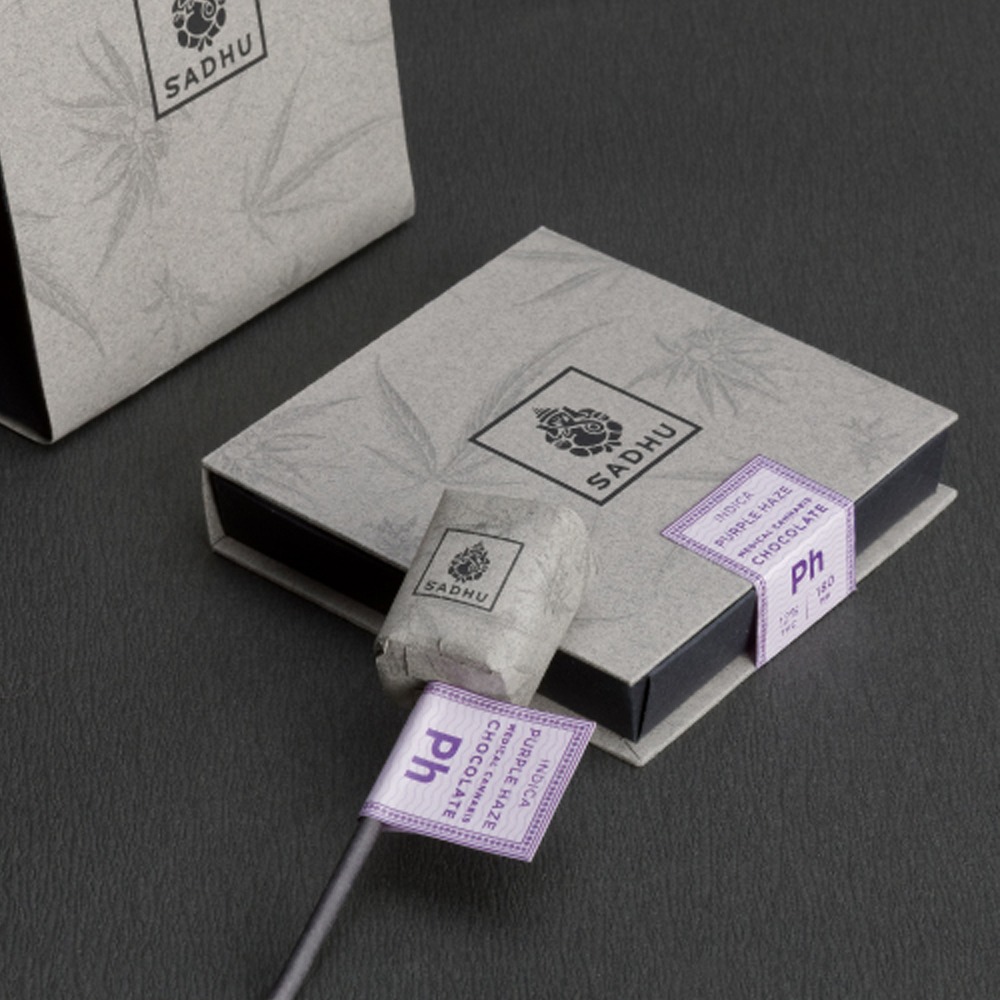
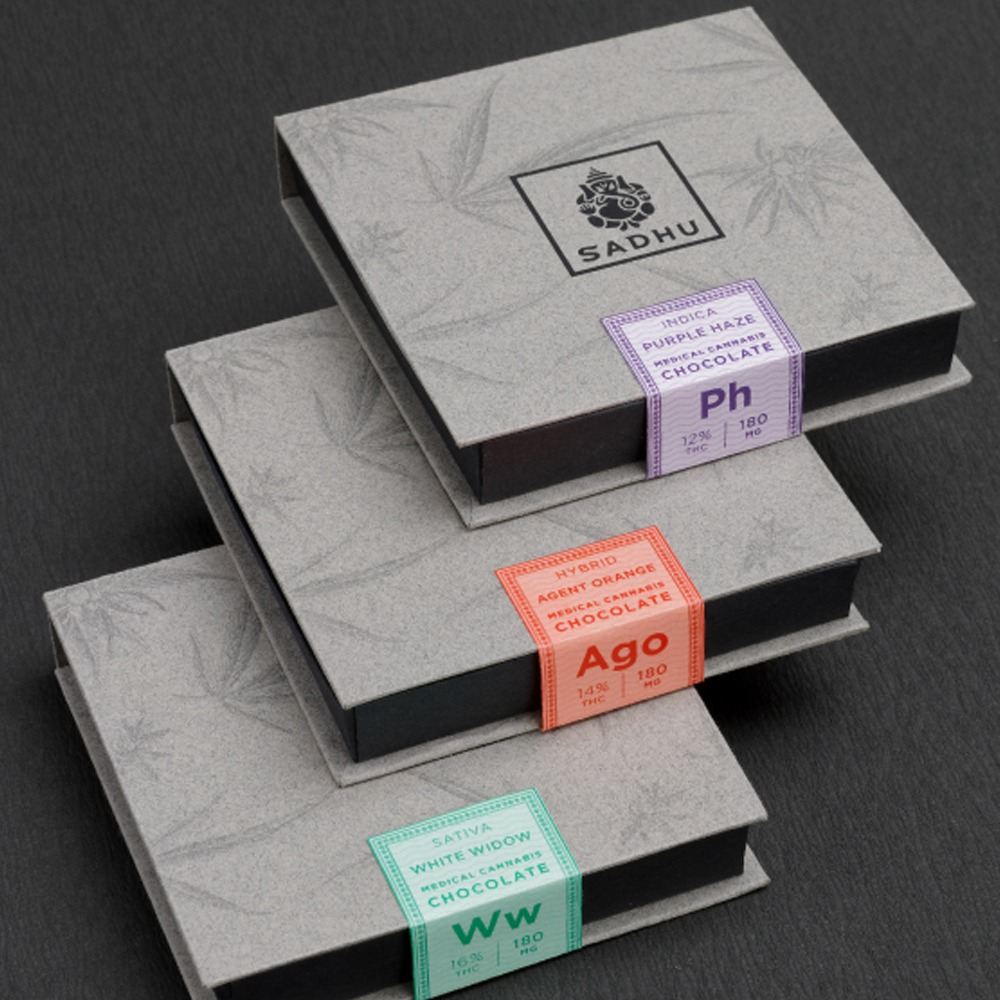
ومن الأمثلة الواضحة على ذلك شكل صندوق الهدايا الصلب مع حركة فتح/إغلاق مرضية. إذا كنت تنشئ خط كريم أو وحدة تخزين “صحية”، تحقق من بنية مثل صناديق تغليف القنب ذات الإغلاق المغناطيسي الصلب وقم بتخطيط علامتك التجارية بنفس النوع من التدفق اللمسي.
مواد التعبئة والتغليف الورقية
الورق مرن. كما أن له حدودًا. تكمن الحيلة في مطابقة الركيزة والهيكل مع الوظيفة.
صناديق الورق المقوى الصلبة
تتناسب الصناديق الصلبة مع الوضع المتميز ورفوف البيع بالتجزئة ومجموعات الهدايا. يمكنك إقرانها برغوة EVA أو حشوات من الورق المقوى أو صواني مصبوبة حسب منتجك.
عندما يكون الصلابة منطقياً
مركزات في عبوات زجاجية
الحزم ذات الهامش المرتفع
قطرات محدودة حيثما كان فتح العلبة مهماً
بالنسبة للعبوات المركزة، انظر إلى تنسيقات مثل صناديق تغليف مركزات القنب . إنها الفكرة الأساسية نفسها التي تستخدمها في خط البرطمانات “الجاهزة للعرض”: جدران ثابتة، وملاءمة محكمة، وحضور قوي على الرف.
عبوات ورق الكرافت
يلعب كرافت بشكل جيد مع الوضع “الطبيعي”. كما أنه يخفي الخدوش بشكل أفضل في الشحن. إذا كانت قاعدة عملائك تميل إلى الاهتمام بالبيئة، فيمكن أن تؤدي كرافت الكثير من القصص دون حيل الحبر الإضافية.
استخدم كرافت عندما:
أنت تريد مظهراً بسيطاً وهادئاً
تقوم بشحن DTC وتحتاج إلى ملمس سطح أكثر صلابة
تريد مسارًا أسهل لرسائل المواد الأبسط
عبوات القنب المقاومة للأطفال
الامتثال يقود الهيكل. لا يمكنك “تصميم طريقك حوله”. أنت تصمم من خلال ذلك.
عبوات الأنابيب الورقية المقاومة للأطفال
تعمل الأنابيب بشكل رائع مع خراطيش الـ vape والعوامل الصغيرة. كما أنها تبدو أنظف من الحقيبة الناعمة. إذا كنت تريد الاتجاه الورقي أولاً، فإن أنبوب CR هو خيار قوي.
الصناديق المخصصة لتصنيع المعدات الأصلية/التصنيع حسب الطلب والبيع بالجملة
معظم العلامات التجارية لا تفشل بسبب ذوق التصميم. فهي تفشل في التسليم.
تحتاج إلى:
خط القالب الذي يتطابق مع كيفية وضع منتجك بالفعل
مواصفات الطباعة التي يمكن للمورد الخاص بك تكرارها على نطاق واسع (CMYK/Pantone، والأشعة فوق البنفسجية الموضعية والرقائق المعدنية والنقش)
حشوات تعبأ بسرعة ولا تنحرف أثناء النقل
Zhibang هو مصنع لتغليف الورق مقره في شنتشن يركز على الصناديق المخصصة والطباعة، مع دعم تصنيع المعدات الأصلية/التصنيع حسب الطلب وسير العمل بالجملة. إذا كنت تاجر تجزئة أو موزعًا أو مالك علامة تجارية أو وكالة تتعامل مع وحدات تخزين متعددة، فهذا أمر مهم لأنك تريد الاتساق والسرعة وليس المفاجآت.
طريقة عملية للبدء
اختر بنية واحدة تناسب أكثر وحدات SKU مبيعاً لديك
أقفل الإدخال والإغلاق أولاً
ثم قم بتوسيع نطاق نفس “المنصة” عبر النكهات أو السلالات أو الأحجام
مراقبة الجودة والأسعار السريعة
في التعبئة والتغليف، “مراقبة الجودة” ليست شعارًا. إنها الفحوصات المملة التي تحافظ على هوامش أرباحك.
ما الذي يجب أن تطلبه مبكراً
أهداف مطابقة الألوان (حتى لا تنحرف عملية إعادة الطلب التالية)
تركيب العينات (حتى لا يتذبذب البرطمان/الأنبوب)
ملاحظات التعبئة (حتى لا يرتجل فريقك في الصفوف)
إذا كنت ترغب في التحرك بسرعة، ابدأ من المنتجات المكتبة، وقائمة مختصرة من 2-3 بنيات، ثم إرسال مواصفات نظيفة من خلال اتصل بنا الصفحة . هكذا تحصل على عرض أسعار أسرع دون إهدار الدورات.
سيناريوهات العالم الحقيقي
فيما يلي حالات الاستخدام الشائعة التي تعمل فيها عبوات القنب القابلة للتحويل إلى سماد، والتي تميل إلى الورق بشكل جيد:
رفوف البيع بالتجزئة في المستوصفات: تمنحك الصناديق الصلبة والكراتين الصلبة الشكل كتلة رفوف أقوى وزوايا محطمة أقل.
شحن DTC: يقلل ورق الكرافت والورق المقوى السميك من ظهور الخدوش ويساعد في الحفاظ على مظهر الصندوق طازجاً عند التسليم.
قطرات ممتازة: تُضفي التصميمات الصلبة ذات الإغلاق المغناطيسي الصلب طابع “التذكار” الذي يتذكره المشترون.
خراطيش VAPE أنابيب مقاومة للأطفال تحافظ على عامل الشكل محكم وتحسّن التعامل معها في التخزين والعرض.
المركزات: تقلل حشوات البرطمانات والجدران الصلبة من التلف وتحافظ على توسيط المنتج.
اللقطة الأخيرة
عبوات القنب القابلة للتحويل إلى سماد ليست مادة سحرية واحدة. إنه خيار نظام: الهيكل، والإدراج، والإغلاق، ومواصفات الطباعة كلها تعمل معًا. إذا احتفظت بالورق إلى الأمام حيثما كان ذلك منطقيًا، والتزمت بالصدق مع المطالبات، وصممت من أجل الامتثال من اليوم الأول، فسوف تشحن بشكل أسرع وستقل مجادلتك مع سلسلة التوريد الخاصة بك.
تصفح الصفحة الرئيسية لـ Zhibangpack , ثم انتقل إلى الهياكل الجاهزة للقنب أعلاه. إذا أخبرتنا بنوع وحدة SKU الخاصة بك (ما قبل اللفافة أو السيجارة الإلكترونية أو المركز أو الكريم) وتدفق التعبئة الخاص بك، يمكننا أن نحدد لك نمط صندوق قابل للتطبيق دون تحويله إلى عملية طويلة مليئة بالنماذج.