If your concern goes beyond packaging structure or technical details, our managing team is ready to step in. You can speak with us directly about pricing, urgent timelines, special requirements, or unresolved issues that need higher-level project decisions.
We focus on finding practical solutions that keep your packaging project moving forward, whether that means reviewing costs, adjusting production plans, coordinating export details, or discussing long-term wholesale cooperation.
Talk to Packaging Engineer
Engineering Team
Get expert guidance on box structure, paperboard selection, dieline setup, printing, finishing, MOQ, sampling, and production details before starting your custom packaging quote.
Packaging engineering typically covers structure, materials, manufacturing process, cost efficiency, and product protection, so this wording is aligned with real branded packaging decision points.
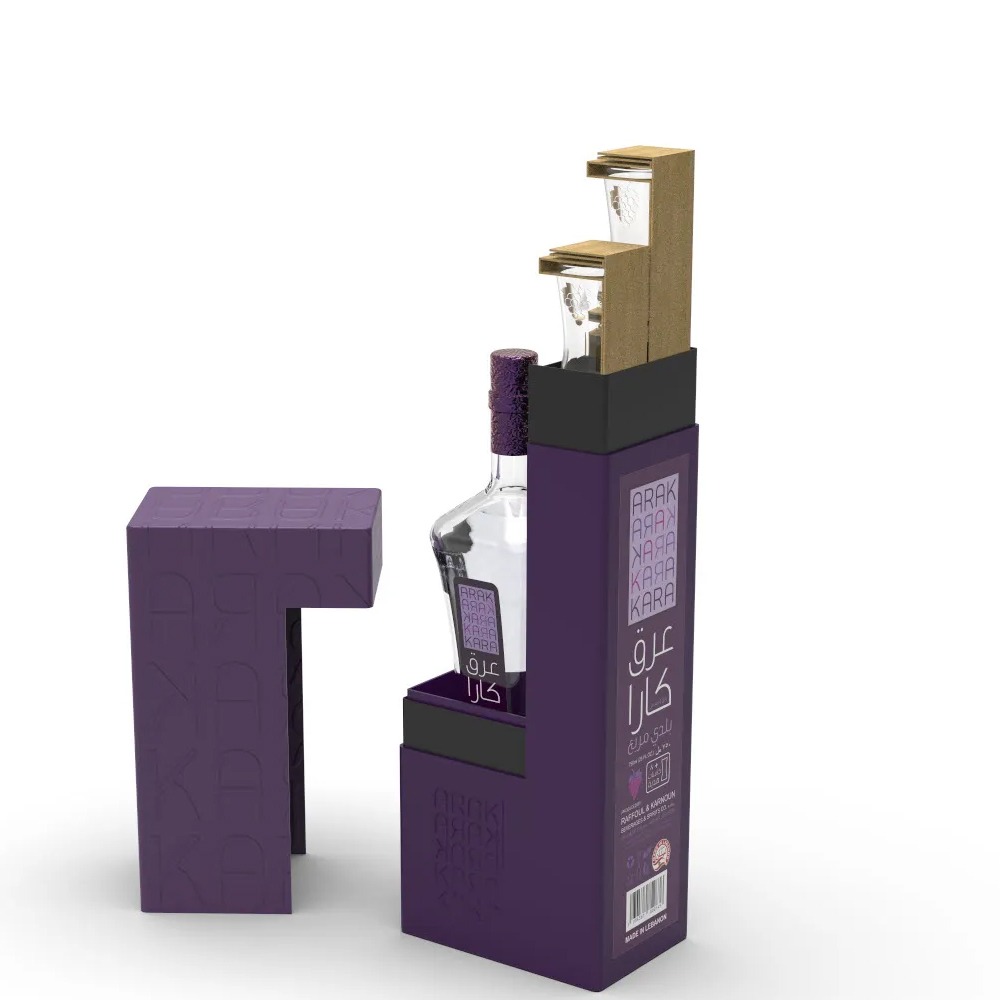
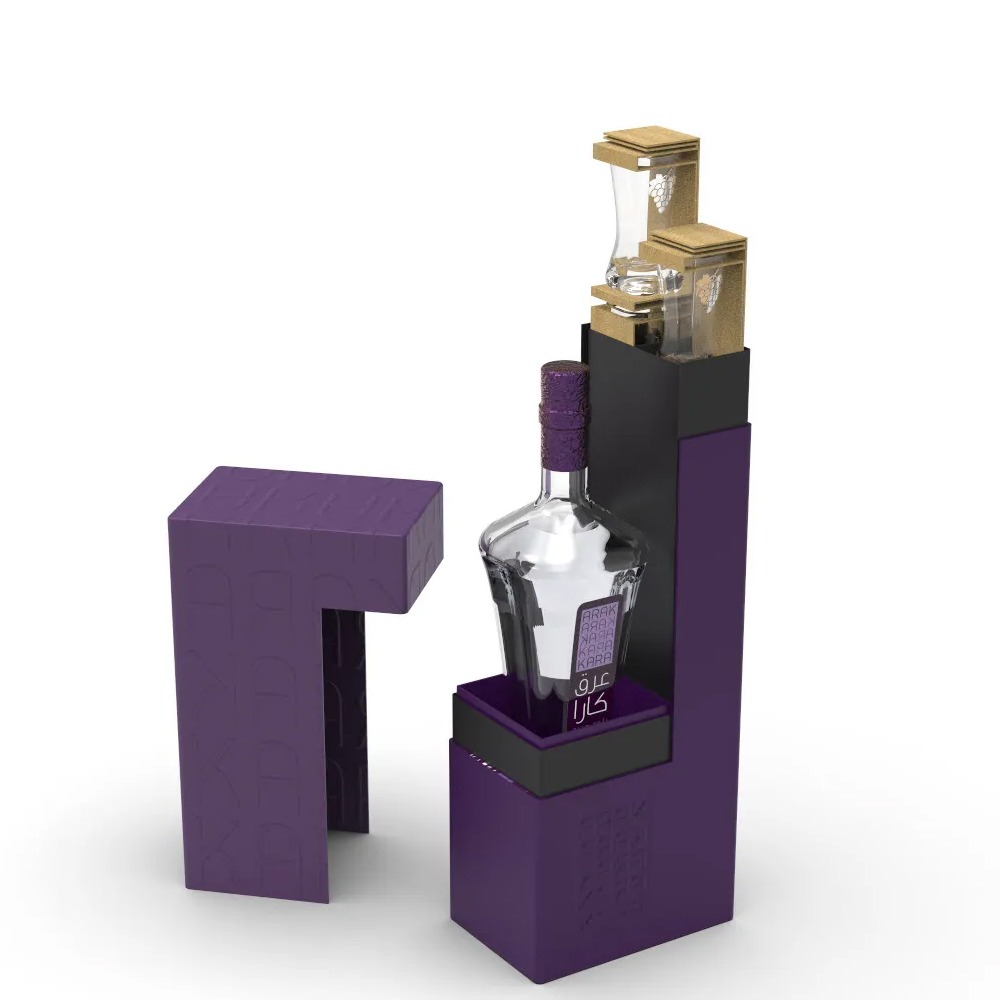
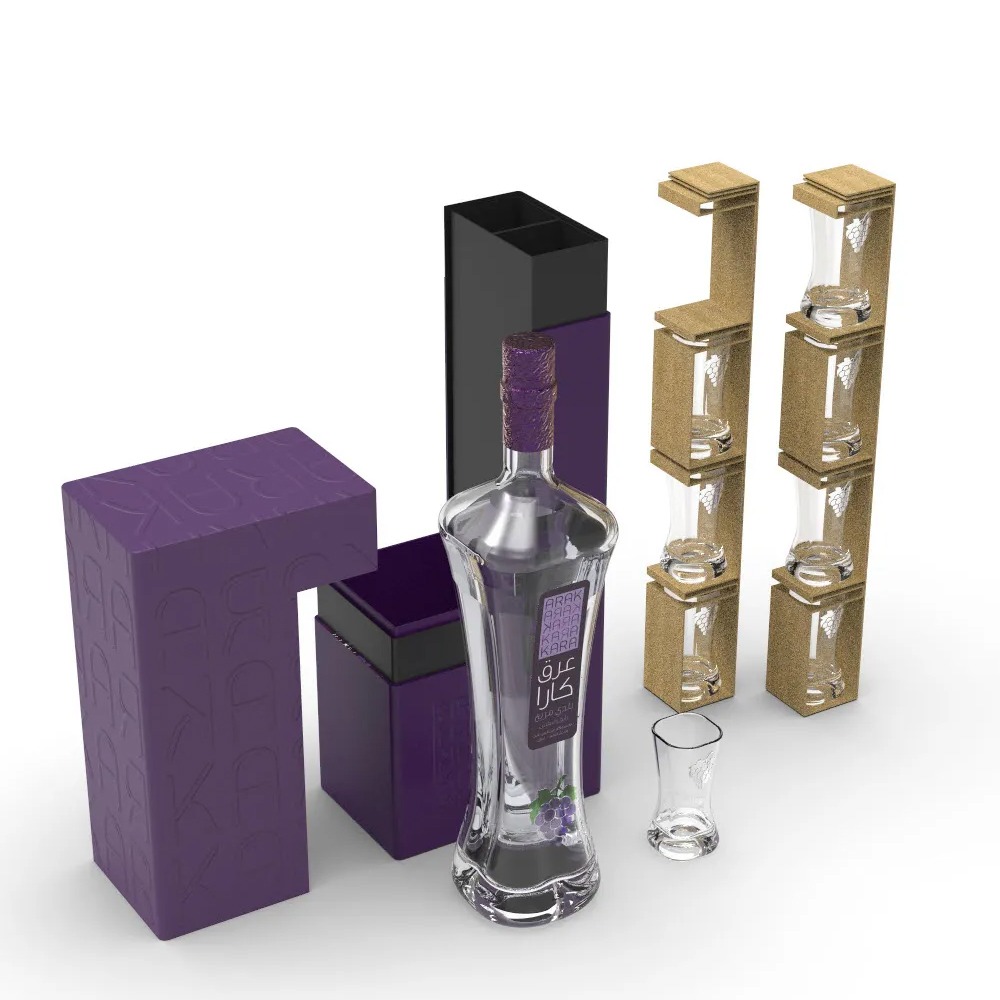
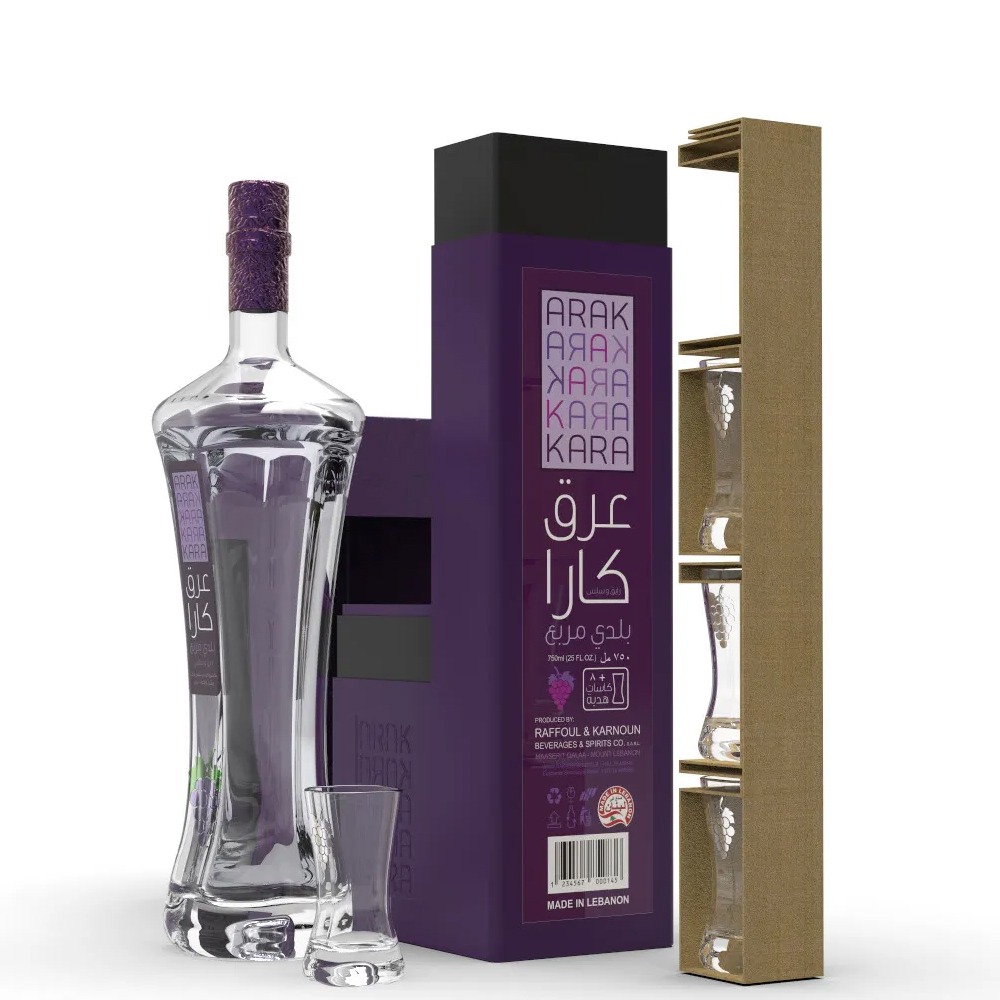
Elevated Red Wine Experience with Premium Rigid Box Packaging
Red wine already has a story. Your packaging either sells that story, or it mutes it.
If you’re a brand owner, a winery, a retailer, a cross-border seller, or a distributor, you’ve probably seen the same problem: the bottle looks premium, but the box feels “just okay.” That gap hurts perceived value, gifting appeal, and repeat buys.
That’s where premium rigid box packaging comes in. At Zhibangpack, we support bulk wholesale and OEM/ODM buyers who need custom structures, stable quality, and consistent delivery.
Premium rigid box packaging for red wine
Rigid boxes (also called rigid setup boxes) feel solid in the hand. They don’t collapse like a folding carton. They protect better. They also give you more room to build a “moment” with texture, weight, and fit.
For red wine, that matters because the bottle is heavy, fragile, and usually bought for sharing or gifting. One dropped package can trigger refunds, bad reviews, and distributor complaints. One good unboxing can trigger photos, word-of-mouth, and higher trust.
Key arguments for premium rigid wine gift box packaging
Below are the core points buyers use when they upgrade from basic cartons to rigid wine gift boxes. I’m keeping them practical, so you can turn each one into a spec decision.
Outer box packaging increases willingness to pay for premium wine
People judge value fast. When the outer box looks and feels premium, buyers assume the wine inside belongs in a higher tier. That helps you defend your price positioning without changing the liquid.
In practice: a tight lid fit, heavier board, and clean edges often do more than extra graphics.
Wine packaging influences quality expectations and flavor perception
Packaging sets expectations before the cork pops. A luxury box tells your customer, “slow down, this is special.” That expectation shapes the tasting moment, especially for gifting and first-time buyers.
If you sell online, packaging does the “first impression job” that a tasting room staff would normally do.
Rigid boxes signal “premium” in the same way a hardcover signals “keeper.” They also give your brand more space for details: foam trays, inserts, message cards, and small extras like openers.
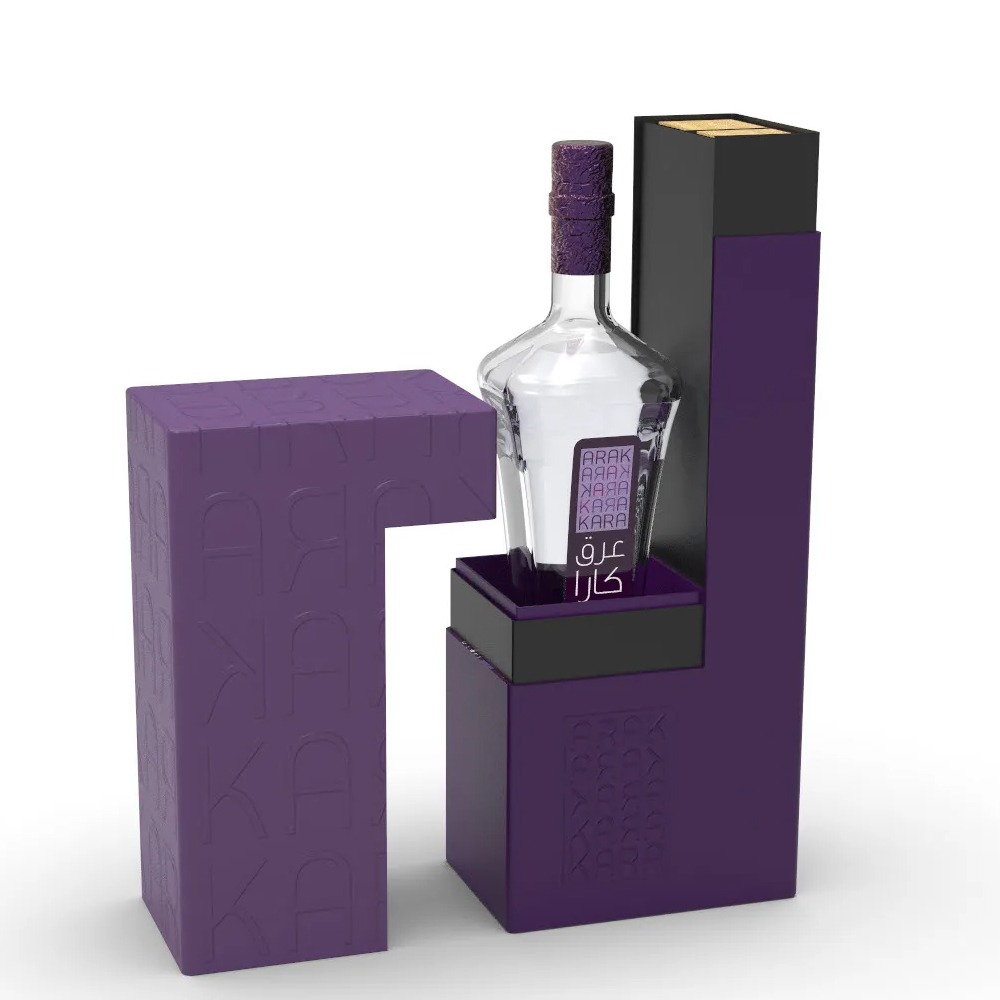
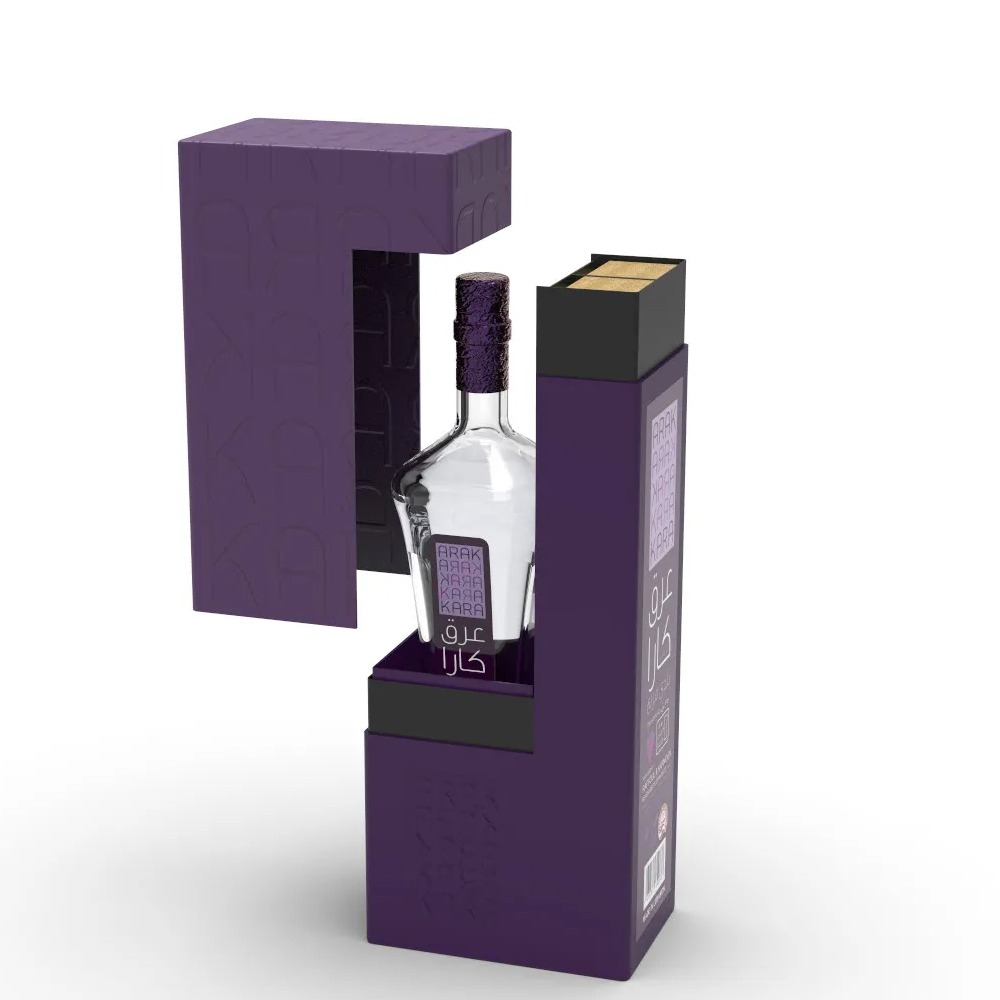
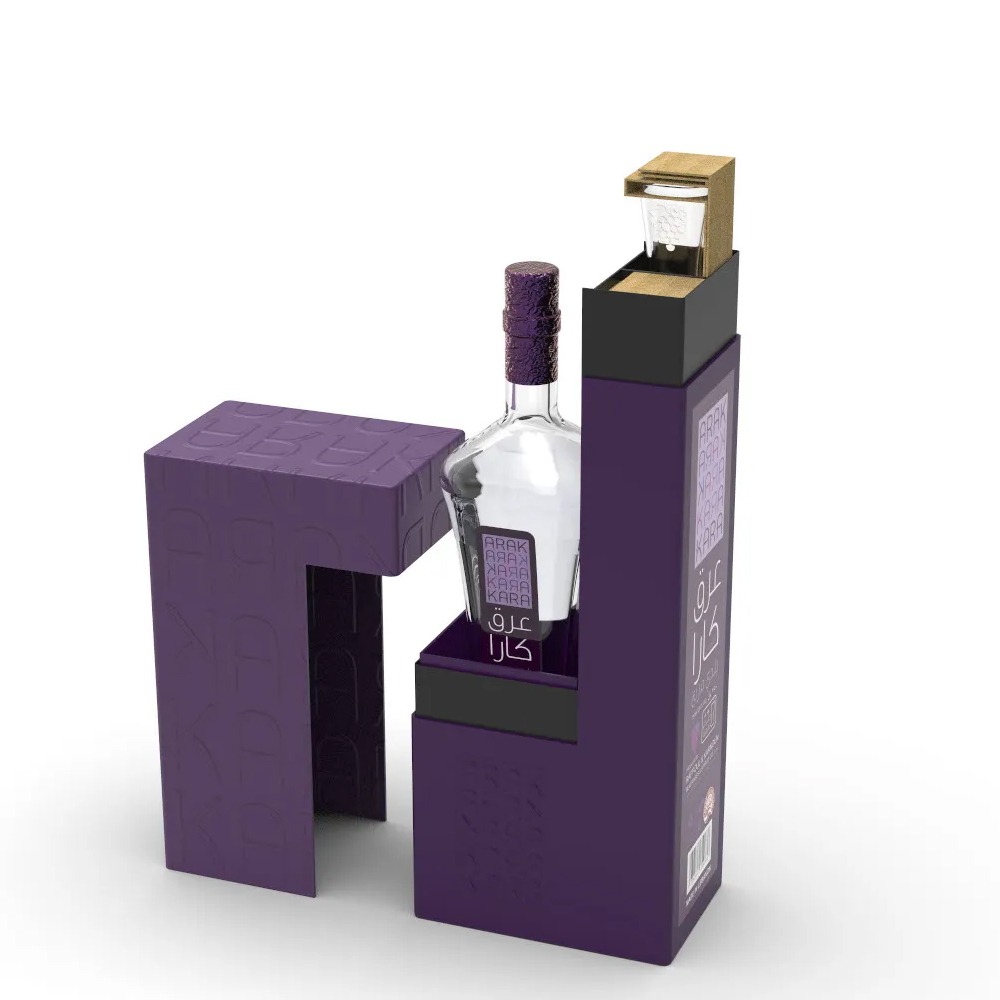
A common example is a magnetic wine gift box with a foam tray and hot foil branding.
Transit protection needs drop, vibration, and compression test logic
Wine doesn’t fail only from a single drop. It also fails from vibration (long shipping routes) and compression (stacking in cartons, trucks, and warehouses).
So don’t just “make the box thicker.” Build protection like a system:
Outer rigid box for structure
Insert to stop movement
Master carton to handle logistics pressure
This approach cuts damage claims and reduces the back-and-forth with fulfillment partners.
Foam insert and EVA holder reduce bottle movement
Movement is the enemy. If the bottle can slide, it can crack. If it can rattle, the label scuffs. If it can rotate, the neck can hit the wall.
Foam or EVA holders lock the bottle in place. They also make the unboxing look organized and “intentional,” which helps premium perception.
Unboxing experience builds memory and social share
You can’t control how someone tastes your wine. You can control how they open it.
A rigid wine box turns opening into a small ritual. That’s gold for:
influencer seeding
wine club drops
holiday bundles
corporate gifts
Make it easy to open, easy to photograph, and hard to forget.
Sustainable paper packaging and premium look can coexist
Many buyers want premium packaging that still feels responsible. Paper-based rigid boxes can hit that balance when you avoid unnecessary plastic parts and design the box for reuse.
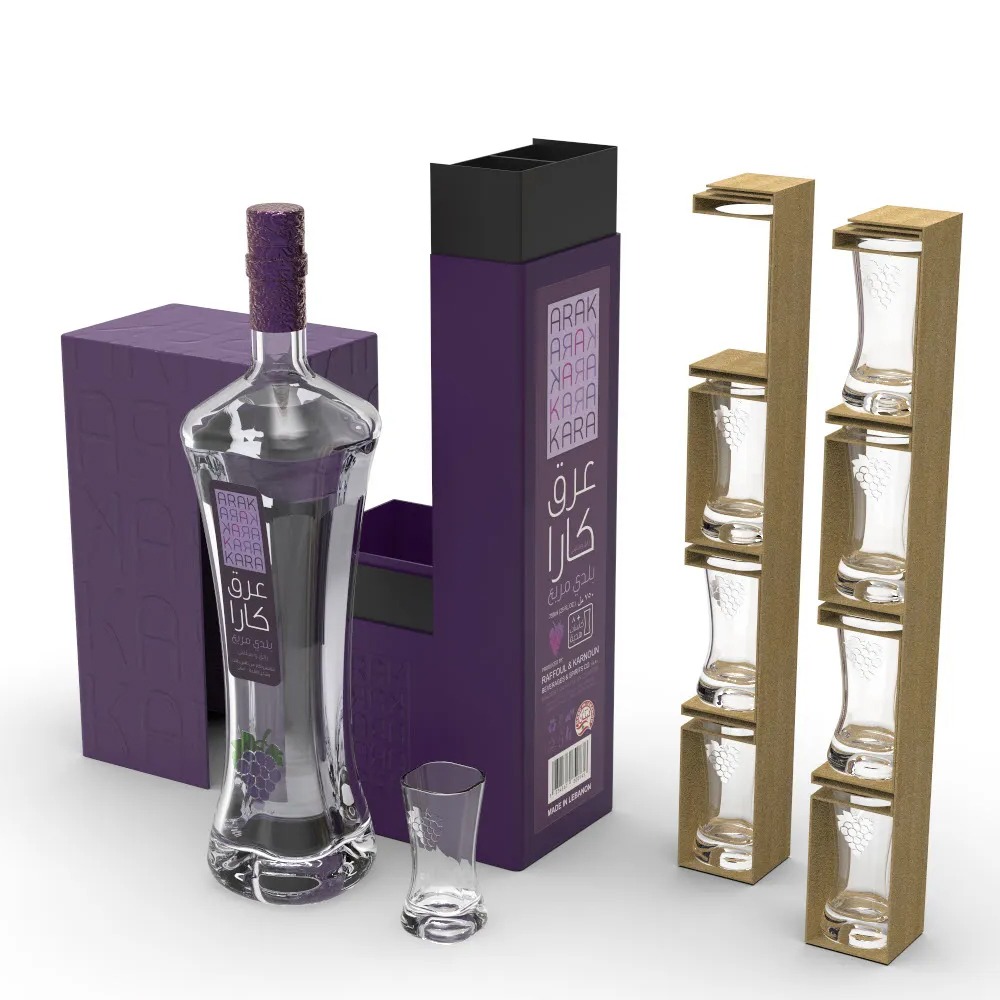
Kraft options also signal a “natural” vibe while staying premium. For example, kraft telescopic gift boxes can pair well with wineware sets.
Gift and retail display scenarios benefit from luxury wine box packaging
A wine gift box isn’t only a shipper. It’s also a display tool.
In retail, it boosts shelf impact. In gifting, it boosts “presentation value.” In distribution, it reduces complaints because the product arrives looking clean and premium.
Argument summary table with sources
Argument
What pain it solves
Evidence source type
What to specify in your packaging RFQ
Outer box packaging increases willingness to pay
Weak premium perception, low conversion
Consumer behavior patterns in premium FMCG packaging
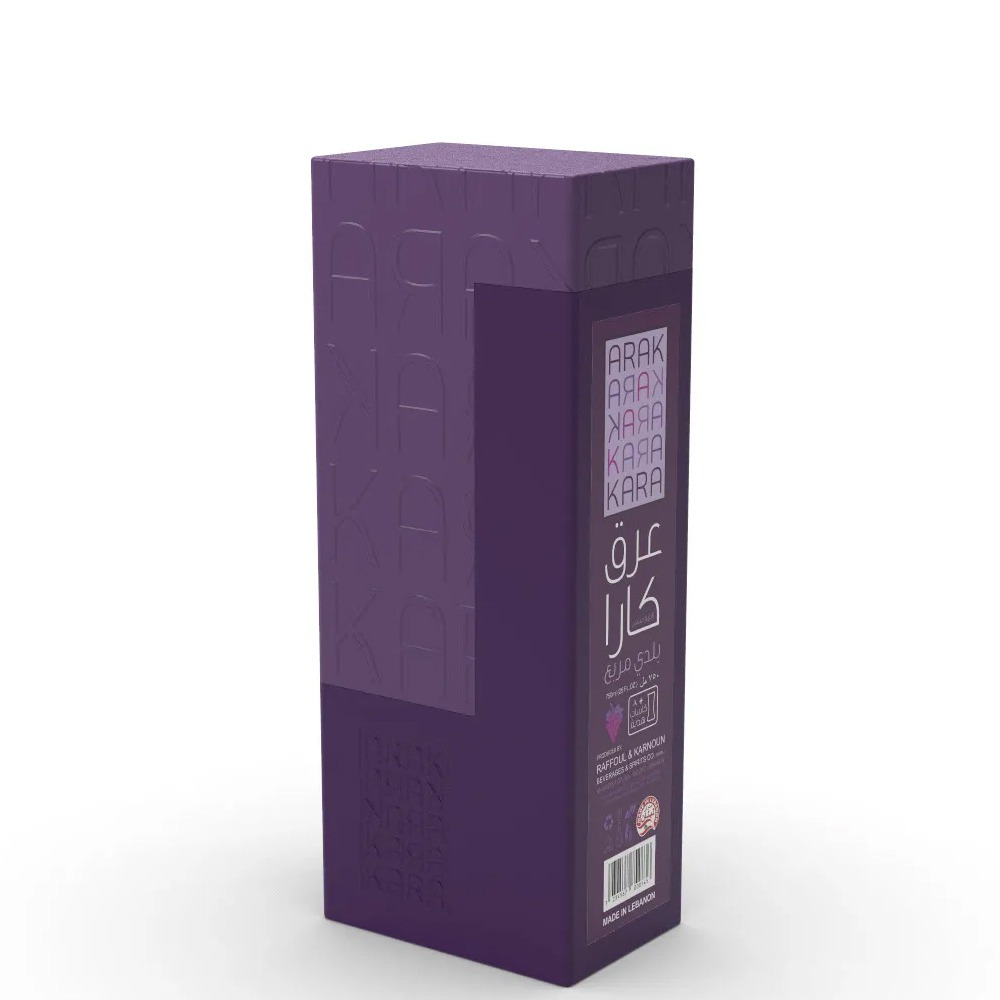
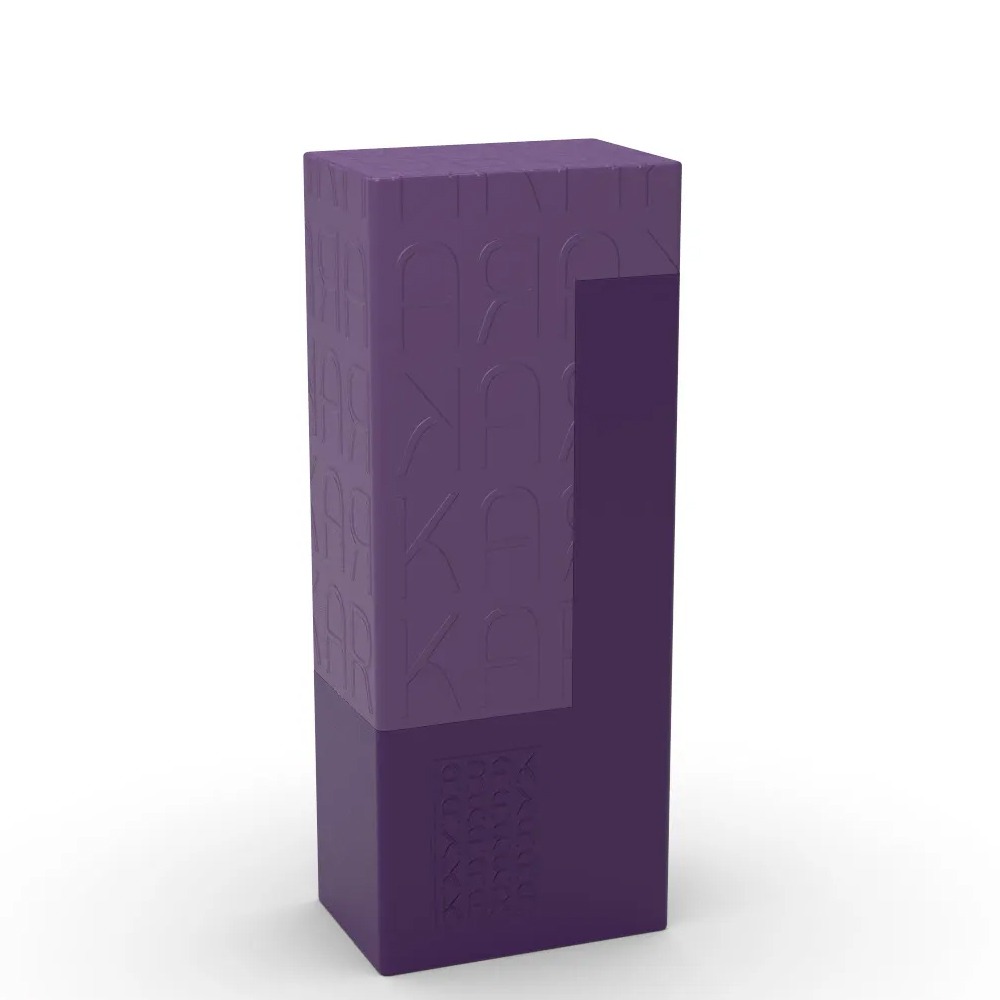
Rigid wine box structures: magnetic closure box, lid and base box, drawer box, paper tube packaging
Picking the right structure is where buyers win or lose. Here’s how to think about it.
Magnetic closure rigid box for wine bottle
Magnetic closure feels smooth and premium. It also helps the box stay closed during handling. It’s a strong fit for single-bottle gifting, DTC premium bundles, and corporate gift programs.
A ready reference is a magnetic wine bottle gift box with foam tray and hot foil branding. If you also sell spirits, the same closure style works well for whisky gift boxes too. Example style page: magnetic closure whisky gift box packaging
Two-piece lid and base rigid box for wine
This is the classic “lift-off lid” look. It feels premium but stays simple to produce and pack. It’s also great for sets: bottle + glasses, bottle + accessories, or mini tasting kits.
Sliding drawer rigid box for wine sets
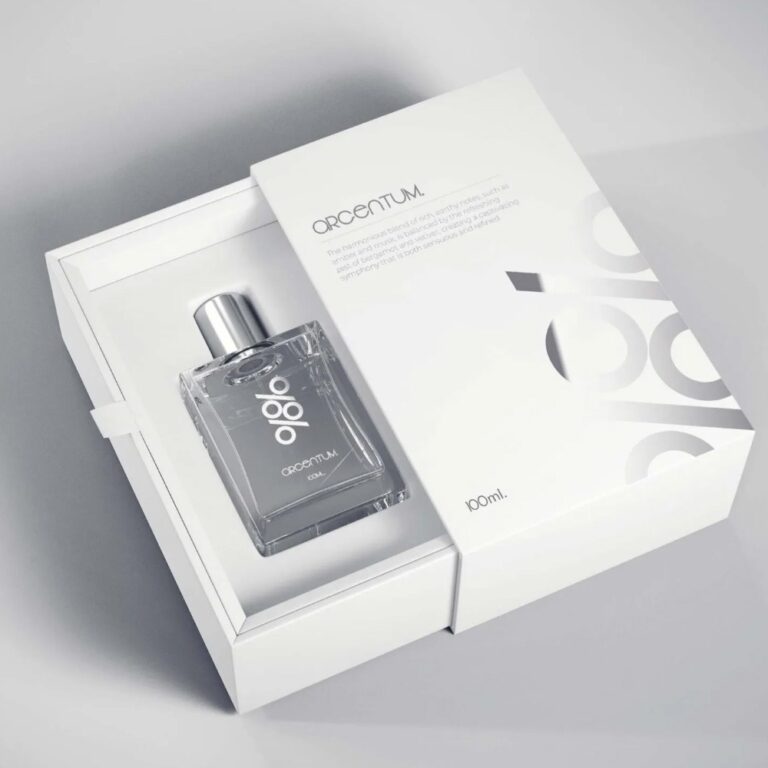
Drawer boxes create a clean “reveal” moment. They’re popular for curated sets and subscription drops because they hold multiple items in a neat layout.
Cardboard wine tube packaging for single bottle
Paper tube packaging is a smart fit for:
single-bottle gifting
cross-border shipping where you want a stronger shell
Practical use scenarios for wine gift box packaging
Cross-border eCommerce wine gift packaging
Cross-border fulfillment adds more touches: sorting centers, long-haul vibration, and stacked cartons. A rigid box with a locked insert lowers damage risk and reduces negative reviews that kill conversion.
If you ship through 3PLs, ask them what failure they see most: crushed corners, scuffed labels, or broken necks. Then design around that failure, not around “looks.”
Retail shelf and duty-free wine packaging
Retail wins on two things: shelf impact and quick understanding. A premium rigid box helps the product read as “gift-ready” without a salesperson.
In duty-free, buyers often shop fast. A clean rigid box with clear branding does the heavy lifting.
Corporate gifting and hotel welcome gifts
Corporate buyers care about consistency. They don’t want 200 boxes that look slightly different. This is where OEM/ODM production control matters.
Also, a rigid box feels like a “proper gift” even before the bottle is opened. That reduces the need for extra gift wrap.
Wine club and seasonal limited release packaging
Wine clubs live on repeat shipments. If your packaging feels disposable, the experience feels disposable. If your box feels like a keeper, your drop feels like an event.
Add simple upgrades that don’t complicate fulfillment:
a fixed insert
a message card slot
inside print that tells the story in two or three short lines
If you want stable bulk production, keep the conversation with your factory concrete.
Artwork, dieline, and sampling
Start with bottle specs (diameter, height, shoulder shape). Then lock the dieline around the insert, not the other way around. Sampling saves you from a painful “mass production surprise.”
Finishes: matte lamination, hot foil stamping, embossing
Finishes are where premium shows up fast. Keep them intentional:
matte lamination for a soft touch feel
hot foil stamping for highlights
emboss/deboss for quiet texture
Don’t throw every finish on one box. It can look busy.
Quality control: color match, fit, and glue strength
For wholesale and distribution, QC isn’t optional. Color drift and loose lids create instant “cheap” signals. Tight checks on fit, corner glue, and surface scratches protect your brand in every channel.
Packing-out: master carton and pallet plan
Your rigid box still needs a shipping plan. A strong master carton and a clean packing method protect the corners and help warehouses stack safely.
If you want to explore more structures and formats, start with the product catalog. For company capability and background, see about us. When you’re ready to quote, use the contact page.
Quick spec template for your RFQ
If you send a clear RFQ, you get faster sampling and fewer revisions.
Box structure keyword: magnetic closure / lid and base / drawer / paper tube
Bottle size and shape: standard bottle, Burgundy, Bordeaux, etc.
Premium rigid box packaging isn’t “extra.” It’s how you protect the bottle, protect the brand, and make the buyer feel good before they even pour the first glass.