If your concern goes beyond packaging structure or technical details, our managing team is ready to step in. You can speak with us directly about pricing, urgent timelines, special requirements, or unresolved issues that need higher-level project decisions.
We focus on finding practical solutions that keep your packaging project moving forward, whether that means reviewing costs, adjusting production plans, coordinating export details, or discussing long-term wholesale cooperation.
Talk to Packaging Engineer
Engineering Team
Get expert guidance on box structure, paperboard selection, dieline setup, printing, finishing, MOQ, sampling, and production details before starting your custom packaging quote.
Packaging engineering typically covers structure, materials, manufacturing process, cost efficiency, and product protection, so this wording is aligned with real branded packaging decision points.
Most brands treat a gift box like “just packaging.” Then they wonder why customers don’t remember them, why reviews feel flat, or why the unboxing doesn’t translate into repeat orders.
A gift box can do more than protect a product. It can carry positioning, build trust, and push the buyer to feel, “Yep, this is worth it.” That’s brand storytelling, but in cardboard, paper, and printing.
Zhibang builds custom paper packaging in Shenzhen with OEM/ODM support, bulk production, and tight quality control. If you’re a retailer, brand owner, cross-border seller, distributor, or agency, this playbook helps you turn a box into a sales asset, not a cost center. You can start at the Zhibang homepage and browse the products catalog when you’re ready to match a structure to your story.
Brand story through packaging
A “brand story” sounds big. In real packaging work, it’s simple:
What promise do you want the customer to believe?
What proof can the box show in 3 seconds?
What emotion should the unboxing create?
If you can answer those three, you can design the box like a short movie: opening scene (materials), plot (structure and layout), punchline (insert and details).
Target audience and product benefits
Start with what customers care about, not what you want to say
If you skip this, you’ll design a pretty box that says nothing.
Before you talk about printing and finishes, lock these down:
One product benefit customers pay for (not a list).
One brand idea you want them to repeat to a friend.
One doubt they might have (quality, authenticity, safety, shipping damage, “is it worth it?”).
That last one matters. Packaging can kill objections without sounding defensive. For example, a skincare set can quietly signal “premium + safe + gift-ready” through a rigid box, a clean interior layout, and an insert that explains the routine in plain words.
Scenario: cross-border eCommerce and returns
If you sell on platforms, your box isn’t only a “gift moment.” It’s also a damage-control tool. Strong structure + snug inserts reduce transit issues, which helps protect ratings and repeat purchase. That’s commercial value, even before you talk about aesthetics.
Material selection and texture
Material is the first line of your story
People “read” materials before they read words.
Rigid setup boxes say “premium, stable, keepsake.”
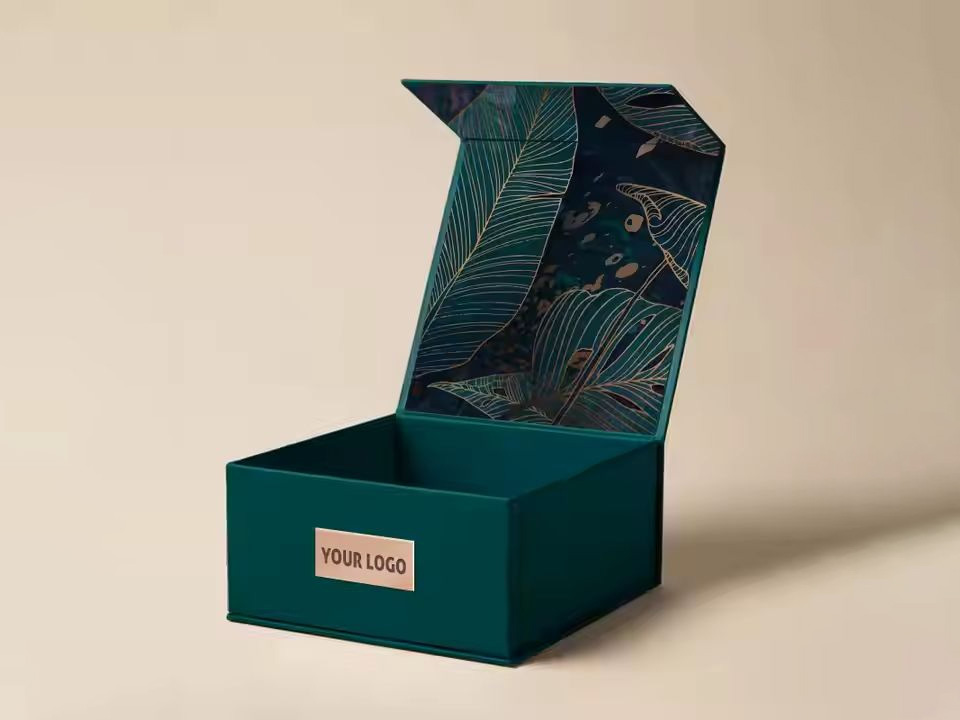
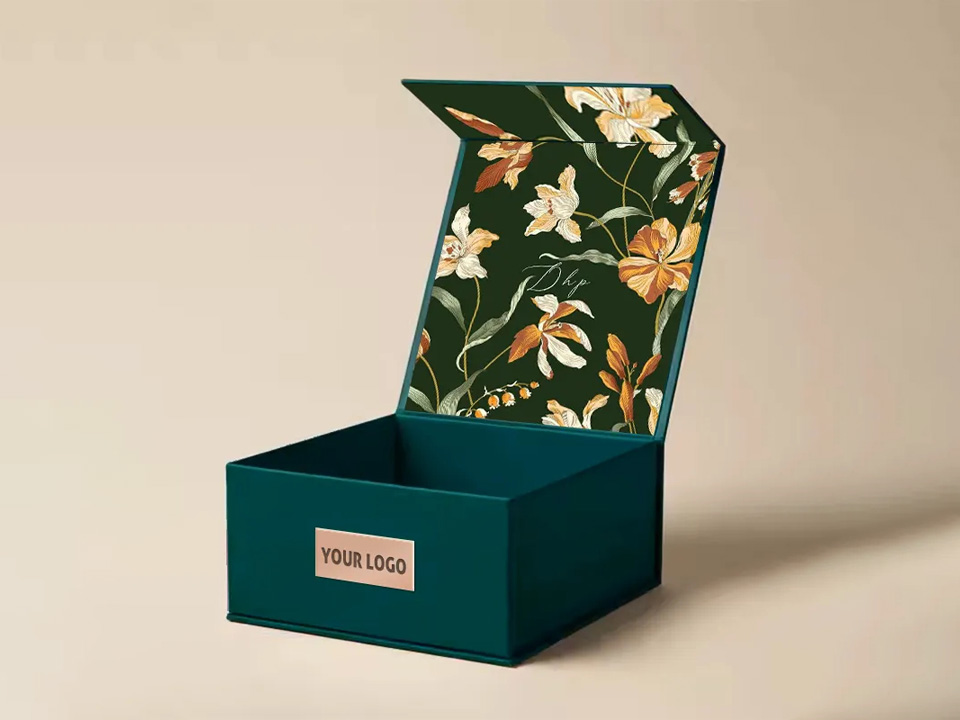
Folding magnetic boxes say “premium, but efficient for shipping and storage.”
Corrugated mailers say “protective, eCom-ready, built for transit.”
Paper tubes say “special, collectible, modern.”
You don’t need fancy materials everywhere. You need the right one where hands touch first: the lid, the opening edge, the pull ribbon, the inner tray.
Scenario: subscription boxes and repeat orders
Subscription buyers love consistency. If you want that “monthly ritual” feel, pick a structure that stays stable across batches and prints well in bulk. A clean, repeatable spec is easier to scale and easier to QC.
Visual design elements: color, typography, and graphics
Every design element talks, but customers interpret fast
Here’s the practical rule: your design shouldn’t require decoding.
Use a color system that matches your category (or breaks it on purpose, with intent).
Keep typography readable, even under warm indoor light.
Use graphics as a cue, not decoration. A pattern can become a brand signature.
For cosmetic and fragrance brands, the quickest win is controlling the “first impression triangle”: logo placement + one hero color + one finish (like foil or spot UV). That combo photographs well, which helps UGC.
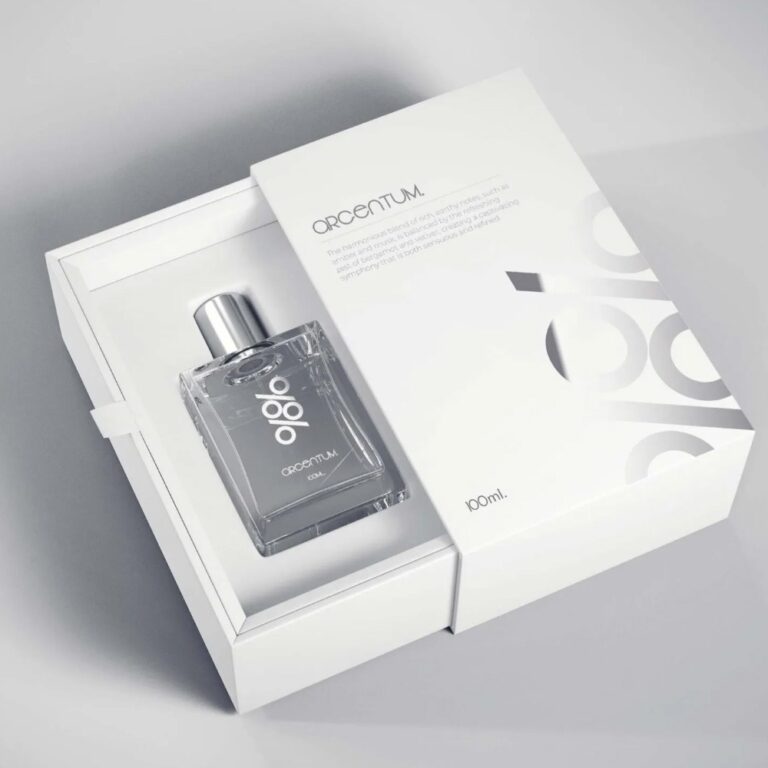
If you’re building a premium fragrance line, look at how a dedicated structure reinforces the vibe, like custom printed perfume box packaging . The point isn’t copying a style. It’s matching structure + layout to the product’s perceived value.
Images and copywriting on gift boxes
Use pictures and short copy together to reduce misreads
Customers won’t study your box like a brochure. They’ll scan it.
A strong combo looks like this:
One clear visual cue (pattern, icon, illustration, or clean product silhouette).
One short line that states the promise in everyday English.
One support line inside the lid or on an insert card (how it’s made, how to use it, what’s included).
Keep it human. Avoid corporate slogans. If your brand is eco-friendly, say what you do, not what you are. “Printed with eco-friendly inks” lands better than “sustainable innovation.”
Packaging message and brand story
Pick one story theme, then keep everything on script
A box can’t carry ten messages. Choose one theme:
Craft & origin (materials, process, care).
Gift intent (celebration, connection, “for someone special”).
Once you choose, make sure outside, inside, and inserts all push the same theme. If the outside feels luxury but the inside feels empty and generic, customers notice. That gap is where trust leaks out.
Unboxing experience and packaging structure
Turn the opening into a short journey
This is where storytelling becomes physical.
Think in beats:
Outer moment: the box feels right in the hand.
Open moment: the lid lifts smoothly, no fighting tape.
Reveal moment: the product sits centered, held cleanly.
After moment: something stays—an insert, a thank-you, a reusable box.
A drawer box creates a slow reveal. A magnetic flap creates a crisp reveal. A double-door box creates a “presentation” reveal. Pick the one that matches the emotion you want.
If you sell jewelry or small luxury items, a drawer format can give you that controlled reveal and better internal organization. Here’s an example structure: rigid drawer jewelry gift boxes with a clear window .
Easy-open packaging and user experience
If it’s hard to open, the story dies on page one
This sounds basic, but it’s a common fail.
Don’t force customers to:
rip thick glue,
fight tight lids,
dig for hidden pull tabs,
shake the box like a puzzle.
Easy-open details are small but powerful: finger notches, pull ribbons, smart lid tolerance, clean edge finishing. They reduce frustration and protect the “premium” feeling you paid for.
Personalization and insert cards
Small personal touches build a relationship, not just a transaction
In bulk production, “personalization” doesn’t mean hand-writing every card. It means designing a repeatable insert system that feels personal:
Thank-you card with a warm line
Quick-start guide (especially for skincare, electronics, or kits)
Care card (jewelry, leather, delicate items)
QR code to support or brand content (optional, but useful)
If your packaging includes a visible holder, tray, or satin lining, it’s already telling the customer: “We thought about the experience.” You can strengthen that message with a simple card and clean typography.
Brand consistency and logo placement
Don’t turn the box into an ad board
You want brand recall, not logo overload.
A clean approach works best:
Put the logo where hands naturally land (center, corner, or edge—depending on style).
Use one premium finish for emphasis (foil, emboss, spot UV).
Keep the rest calm so the hero elements look intentional.
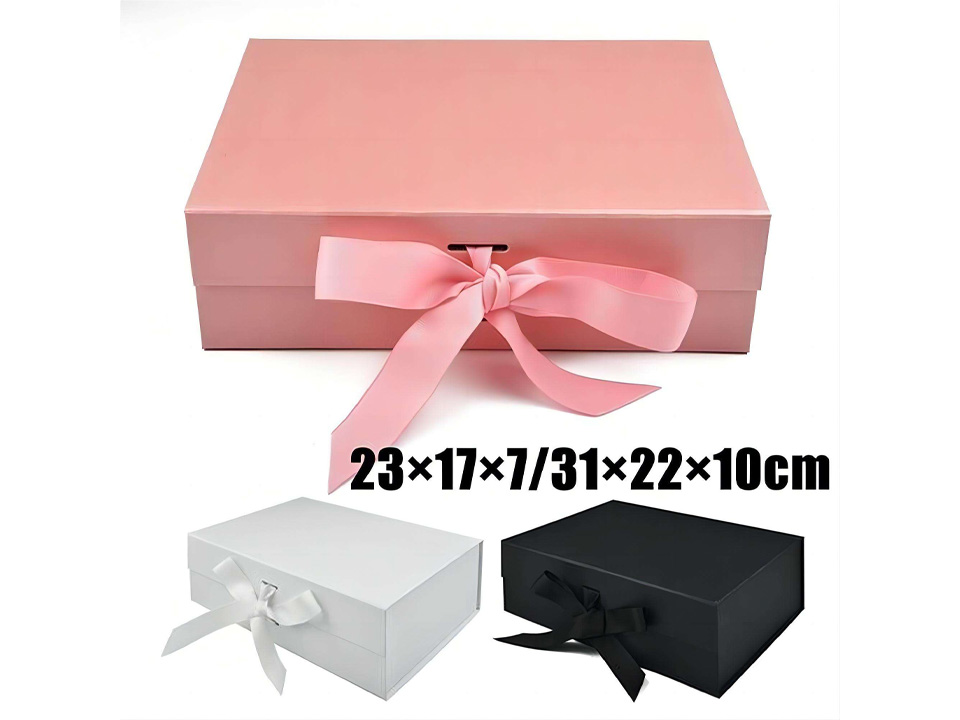
If you’re doing foldable boxes for gifts, fashion, or beauty, a ribbon + magnetic closure often hits the sweet spot: premium feel, practical shipping, and solid shelf presentation. Example: folding magnetic makeup packaging boxes with ribbon .
Layered reveal and multi-sensory packaging
“Layered reveal” makes people slow down and remember
Layered reveal means you give customers one discovery at a time:
Outer box: brand cue
Inside lid: one-line story
Inner tray: product centered
Under tray: accessories, guide, bonus item
You can add sensory cues without getting cheesy:
texture paper for touch
soft ribbon pull for motion
tight structure for sound (that clean “close” feel)
The goal isn’t “extra.” The goal is a controlled experience that feels expensive and thoughtful.
Commercial value: retail, wholesale, and OEM/ODM
Storytelling isn’t only for DTC brands. It’s also a B2B advantage.
Retailers want shelf impact and consistent restocks.
Distributors want packaging that holds up and reduces complaints.
Brand agencies want a factory that can execute the dieline and finishes without surprises.
OEM/ODM buyers want scalable specs and QC that doesn’t drift.
Zhibang’s setup fits that workflow: custom boxes, cartons, eco-friendly printing options, and bulk production support. If you want to understand the factory background, start with About Us , then reach out via Contact Us when you have a target structure in mind.
Practical use cases by product category
Here are a few “story + structure” matches you can steal and adapt:
Key arguments table: gift box storytelling checklist
Argument title
What to do on the box
Best-fit structure (keywords)
“Source” for this article
Start with what customers care about
Define 1 benefit, 1 brand idea, 1 doubt
Any custom gift box
Zhibang packaging workflow for custom projects
Material is the first line of your story
Match material feel to price positioning
Rigid setup box, folding magnetic box
Zhibang product range and factory positioning
Every design element talks
Control color, type, and one hero finish
Custom printing, hot foil, spot UV
Zhibang custom printing and product examples
Pictures + short copy reduce misreads
One promise line + one support line
Perfume box, cosmetic box
Perfume packaging example page
Pick one story theme
Keep outside/inside/inserts consistent
Any branded gift box
Brand consistency across Zhibang catalog
Turn the opening into a journey
Design reveal beats and insert layout
Drawer box, magnetic closure box
Drawer jewelry box structure page
Easy-open protects the experience
Add pull tabs, ribbons, finger notches
Drawer box, magnetic flap
Magnetic / drawer box examples
Small touches build relationships
Thank-you card, routine card, care card
Jewelry, skincare, sets
Jewelry + beauty packaging examples
Don’t turn it into an ad board
Logo restraint + one premium finish
Luxury gift box packaging
General best practice applied to Zhibang-style specs
Custom gift box packaging steps
If you want a clean, low-drama process (especially for bulk and OEM/ODM), use this sequence:
Confirm the story theme (one sentence).
Pick the structure that matches the emotion and shipping needs.
Lock the dieline and insert layout (protect the product first).
Choose finishes that photograph well and stay consistent in mass production.
Run a pre-production sample to catch color/fit issues early.
Scale with QC checkpoints so your next batch matches the first.
When you’re ready, browse the products catalog , shortlist 2–3 structures, and send them with your brand goal through Contact Us . That’s usually enough to start a fast quote and get your packaging story moving without endless back-and-forth.