إذا تجاوزت مخاوفك هيكل التغليف أو التفاصيل الفنية، فإن فريقنا الإداري مستعد للتدخل. يمكنك التحدث معنا مباشرةً بشأن التسعير أو الجداول الزمنية العاجلة أو المتطلبات الخاصة أو المشكلات التي لم يتم حلها والتي تحتاج إلى قرارات على مستوى أعلى للمشروع.
نحن نركز على إيجاد حلول عملية تحافظ على تقدم مشروع التعبئة والتغليف الخاص بك، سواء كان ذلك يعني مراجعة التكاليف أو تعديل خطط الإنتاج أو تنسيق تفاصيل التصدير أو مناقشة التعاون طويل الأجل في مجال البيع بالجملة.
تحدث إلى مهندس التغليف
الفريق الهندسي
احصل على إرشادات الخبراء بشأن هيكل الصندوق، واختيار الورق المقوى، وإعداد خط الإنتاج، والطباعة، والتشطيب، وموك وموك وأخذ العينات وتفاصيل الإنتاج قبل البدء في عرض أسعار التغليف المخصص.
تغطي هندسة التعبئة والتغليف عادةً الهيكل والمواد وعملية التصنيع وكفاءة التكلفة وحماية المنتج، لذا فإن هذه الصياغة تتماشى مع نقاط قرار التغليف الحقيقي للعلامة التجارية.
كيف تحكي قصة العلامة التجارية من خلال صندوق الهدايا؟
تتعامل معظم العلامات التجارية مع صندوق الهدايا على أنه “مجرد تغليف”. ثم يتساءلون لماذا لا يتذكرها العملاء، أو لماذا تبدو التعليقات عليها باهتة، أو لماذا لا يُترجم فتح العلبة إلى طلبات متكررة.
يمكن لصندوق الهدايا أن يفعل أكثر من مجرد حماية المنتج. فيمكنه أن يحمل تحديد الموقع، وبناء الثقة، ودفع المشتري للشعور بـ “نعم، هذا يستحق ذلك”. هذا هو سرد قصص العلامة التجارية، ولكن في الورق المقوى والورق والطباعة.
تقوم شركة Zhibang بتصنيع العبوات الورقية المخصصة في Shenzhen مع دعم تصنيع المعدات الأصلية/التصنيع حسب الطلب، والإنتاج بالجملة، ومراقبة الجودة الصارمة. إذا كنت بائع تجزئة أو مالك علامة تجارية أو بائعًا عابرًا للحدود أو موزعًا أو وكالة، فإن هذا الدليل يساعدك على تحويل الصندوق إلى أصل من أصول المبيعات وليس مركز تكلفة. يمكنك البدء من الصفحة الرئيسية لزيبانغ وتصفح كتالوج المنتجات عندما تكون جاهزاً لمطابقة الهيكل مع قصتك.
قصة العلامة التجارية من خلال التغليف
تبدو “قصة العلامة التجارية” كبيرة. في أعمال التغليف الحقيقية، الأمر بسيط:
ما هو الوعد الذي تريد أن يصدقه العميل؟
ما الدليل الذي يمكن أن يظهره الصندوق في 3 ثوانٍ؟
ما هي المشاعر التي يجب أن يخلقها فتح العلبة؟
إذا تمكنت من الإجابة على هذه الثلاثة، يمكنك تصميم الصندوق مثل فيلم قصير: المشهد الافتتاحي (المواد)، والحبكة (الهيكل والتخطيط)، والعنوان (الإدراج والتفاصيل).
الجمهور المستهدف وفوائد المنتج
ابدأ بما يهتم به العملاء، وليس بما تريد أن تقوله أنت
إذا تخطيت هذا الأمر، ستصمم صندوقاً جميلاً لا يقول شيئاً.
قبل أن تتحدث عن الطباعة والتشطيبات، قم بتأمينها:
فائدة منتج واحد التي يدفع العملاء مقابلها (ليست قائمة).
فكرة علامة تجارية واحدة تريدهم أن يكرروها لصديق.
شك واحد التي قد تكون لديهم (الجودة، والأصالة، والسلامة، وتلف الشحن، و“هل يستحق الأمر ذلك؟).
هذا الأخير مهم. يمكن للتغليف أن يقتل الاعتراضات دون أن يبدو دفاعيًا. على سبيل المثال، يمكن لمجموعة مستحضرات العناية بالبشرة أن تشير بهدوء إلى “ممتاز + آمن + جاهز للهدايا” من خلال علبة صلبة وتصميم داخلي نظيف وملحق يشرح الروتين بكلمات بسيطة.
السيناريو: التجارة الإلكترونية العابرة للحدود والعائدات
إذا كنت تبيع على المنصات، فإن صندوقك ليس مجرد “لحظة هدية”. إنها أيضاً أداة التحكم في الأضرار. هيكل قوي + حشوات مريحة تقلل من مشاكل النقل، مما يساعد على حماية التقييمات وتكرار الشراء. هذه هي القيمة التجارية، حتى قبل أن تتحدث عن الجماليات.
لا تحتاج إلى مواد فاخرة في كل مكان. فأنت تحتاجين إلى المناسب حيث تلامس الأيدي أولاً: الغطاء، وحافة الفتحة، وشريط السحب، والصينية الداخلية.
السيناريو: صناديق الاشتراك والطلبات المتكررة
مشترو الاشتراكات يحبون الاتساق. إذا كنت تريد هذا الشعور “الطقسي الشهري”، فاختر بنية تبقى مستقرة عبر الدفعات وتطبع بشكل جيد بكميات كبيرة. إن المواصفات النظيفة والقابلة للتكرار أسهل في القياس وأسهل في مراقبة الجودة.
عناصر التصميم المرئي: الألوان والطباعة والرسومات
كل عنصر تصميم يتحدث، لكن العملاء يفسرون بسرعة
إليك القاعدة العملية: يجب ألا يتطلب تصميمك فك التشفير.
استخدم نظام ألوان يطابق فئتك (أو خالفه عن قصد، بقصد).
اجعل الطباعة قابلة للقراءة، حتى في ظل الإضاءة الداخلية الدافئة.
استخدم الرسومات كإشارة وليس كزينة. يمكن أن يصبح النمط علامة تجارية مميزة للعلامة التجارية.
بالنسبة للعلامات التجارية لمستحضرات التجميل والعطور، فإن أسرع مكسب هو السيطرة على “مثلث الانطباع الأول”: وضع الشعار + لون بطل واحد + تشطيب واحد (مثل الرقائق المعدنية أو الأشعة فوق البنفسجية الموضعية). هذا المزيج يصور بشكل جيد، مما يساعد UGC.
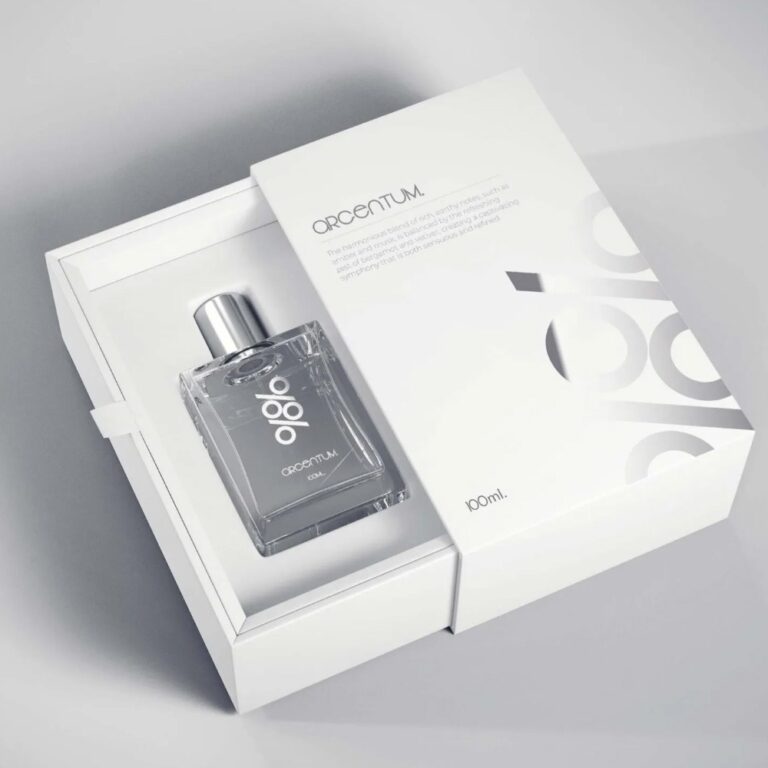
إذا كنت تقوم ببناء خط عطور فاخر، انظر إلى كيفية تعزيز الهيكل المخصص للأجواء، مثل عبوات علب العطور المطبوعة حسب الطلب . ليس المقصود هو تقليد النمط. إنها مطابقة الهيكل + التصميم مع القيمة المتصورة للمنتج.
الصور والكتابة على علب الهدايا
استخدم الصور والنسخة القصيرة معًا لتقليل القراءات الخاطئة
لن يدرس العملاء صندوقك مثل الكتيب. سيقومون بمسحها ضوئياً.
يبدو السرد القوي هكذا
إشارة بصرية واحدة واضحة (نقش أو أيقونة أو رسم توضيحي أو صورة ظلية واضحة للمنتج).
سطر واحد قصير التي تنص على الوعد باللغة الإنجليزية اليومية.
خط دعم واحد داخل الغطاء أو على بطاقة إدراج (كيف صُنعت، وكيفية استخدامها، وما تتضمنه).
حافظ على الطابع الإنساني. تجنب شعارات الشركات. إذا كانت علامتك التجارية صديقة للبيئة، فقل ما تفعله، وليس ما أنت عليه. “مطبوع بأحبار صديقة للبيئة” أفضل من “الابتكار المستدام”.”
رسالة التغليف وقصة العلامة التجارية
اختر موضوعًا واحدًا للقصة، ثم حافظ على كل شيء في النص
لا يمكن لصندوق أن يحمل عشر رسائل. اختر موضوعاً واحداً:
الحرفة والأصل (المواد، والعملية، والعناية).
نية الهدية (احتفال، اتصال، “لشخص مميز”).
الأداء والثقة (المواصفات والحماية والأصالة).
نمط الحياة (الطقوس اليومية، والمزاج، والهوية).
بمجرد اختيارك، تأكد من من الخارج، والداخل، والإدخالات كلها تدفع بالموضوع نفسه. إذا كان المظهر الخارجي يبدو فاخراً لكن المظهر الداخلي يبدو فارغاً وعاماً، سيلاحظ العملاء ذلك. هذه الفجوة هي المكان الذي تتسرب منه الثقة.
تجربة فتح العلبة وهيكل التغليف
حوّل الافتتاحية إلى رحلة قصيرة
هنا يصبح السرد القصصي جسدياً.
فكّر في الإيقاعات:
اللحظة الخارجية: تبدو العلبة مناسبة في اليد.
لحظة مفتوحة: يُرفع الغطاء بسلاسة، ولا يوجد شريط لاصق.
لحظة الكشف: يستقر المنتج في المنتصف، ويتم تثبيته بشكل نظيف.
بعد لحظة: شيء ما يبقى - كملحق، أو شكرًا لك، أو علبة قابلة لإعادة الاستخدام.
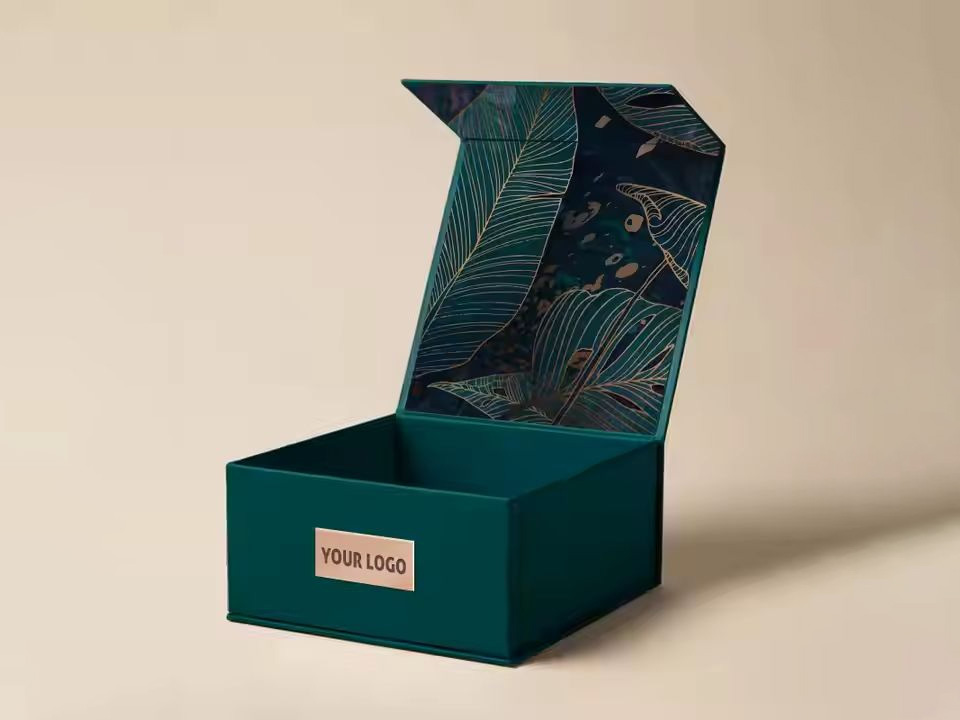
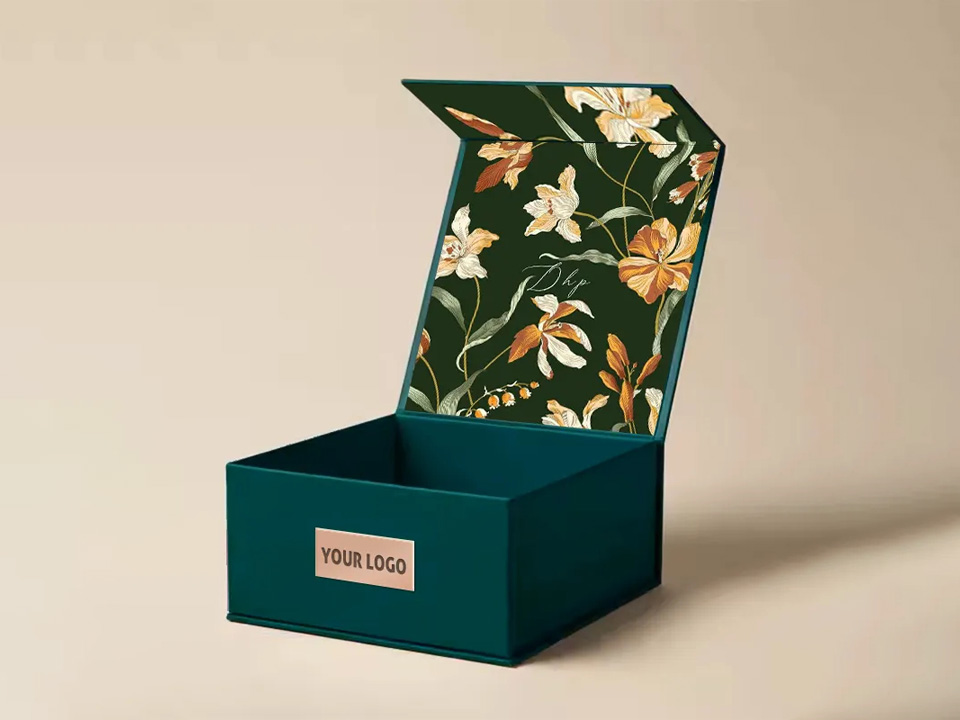
صندوق درج يخلق كشفاً بطيئاً. رفرف مغناطيسي يخلق كشفاً واضحاً. الصندوق ذو الباب المزدوج يخلق كشفًا “عرضًا تقديميًا”. اختر الصندوق الذي يتناسب مع المشاعر التي تريدها.
إذا كان من الصعب فتحها، تموت القصة في الصفحة الأولى
يبدو هذا الأمر بسيطاً، لكنه فشل شائع.
لا تجبر العملاء على:
مزق الغراء السميك,
محاربة الأغطية الضيقة,
ابحث عن علامات السحب المخفية,
هز الصندوق مثل اللغز.
تفاصيل سهلة الفتح صغيرة ولكنها قوية: شقوق الأصابع، وأشرطة السحب، والتفاوت الذكي في الغطاء، والتشطيبات ذات الحواف النظيفة. فهي تقلل من الإحباط وتحمي الشعور “المتميز” الذي دفعت ثمنه.
التخصيص وإدراج البطاقات
تعمل اللمسات الشخصية الصغيرة على بناء علاقة وليس مجرد صفقة
في الإنتاج بالجملة، لا يعني “التخصيص” في الإنتاج بالجملة كتابة كل بطاقة يدوياً. بل يعني تصميم نظام إدراج قابل للتكرار يبدو شخصياً:
بطاقة شكر مع خط دافئ
دليل البدء السريع (خاصةً للعناية بالبشرة أو الإلكترونيات أو الأطقم)
رمز الاستجابة السريعة لدعم المحتوى أو العلامة التجارية (اختياري، ولكنه مفيد)
إذا كانت عبواتك تحتوي على حامل مرئي أو صينية أو بطانة من الساتان، فهي تخبر العميل بالفعل: “لقد فكرنا في التجربة”. يمكنك تعزيز هذه الرسالة باستخدام بطاقة بسيطة وطباعة نظيفة.
اتساق العلامة التجارية ووضع الشعار
لا تحول الصندوق إلى لوحة إعلانية
أنت تريد تذكر العلامة التجارية، وليس الشعار الزائد.
النهج النظيف يعمل بشكل أفضل:
ضع الشعار في المكان الذي تستقر فيه اليدين بشكل طبيعي (في المنتصف أو الزاوية أو الحافة - حسب النمط).
استخدم لمسة نهائية واحدة متميزة للتأكيد (رقائق معدنية، نقش، أشعة فوق بنفسجية موضعية).
حافظ على هدوء البقية حتى تبدو عناصر البطل مقصودة.
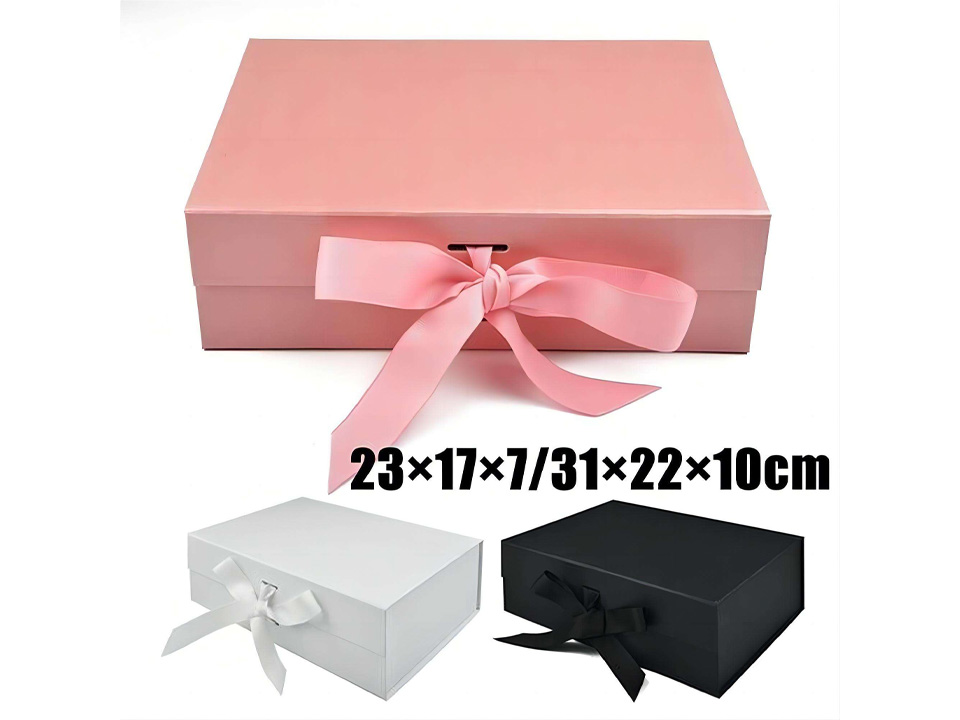
إذا كنت تصنع علبًا قابلة للطي للهدايا أو الأزياء أو الجمال، فغالبًا ما يكون الشريط + الإغلاق المغناطيسي هو الحل الأمثل: ملمس ممتاز، وشحن عملي، وعرض قوي على الرف. مثال: علب تغليف مكياج مغناطيسية قابلة للطي بشريط .
كشف متعدد الطبقات والتغليف متعدد الحواس
“كشف الطبقات” يجعل الناس يتباطأون ويتذكرون
كشف الطبقات يعني أنك تقدم للعملاء اكتشافاً واحداً في كل مرة:
العلبة الخارجية: جديلة العلامة التجارية
الغطاء الداخلي: قصة من سطر واحد
الدرج الداخلي: المنتج في المنتصف
تحت الدرج: إكسسوارات، دليل، عنصر المكافأة
يمكنك إضافة إشارات حسية دون أن تصبح مبتذلاً:
ورق الملمس للملامسة
سحب الشريط الناعم للحركة
هيكل محكم للصوت (ذلك الإحساس النظيف “القريب”)
الهدف ليس “إضافي”. الهدف هو تجربة محكومة تبدو باهظة الثمن ومدروسة.
القيمة التجارية: البيع بالتجزئة والبيع بالجملة وتصنيع المعدات الأصلية/التصنيع حسب الطلب
سرد القصص لا يقتصر فقط على العلامات التجارية في السوق الموازية. بل هي أيضاً ميزة للأعمال المباشرة بين الشركات.
تجار التجزئة تريد تأثيرًا على الرفوف وإعادة تخزين ثابتة.
الموزعون تريد تغليفاً يصمد ويقلل من الشكاوى.
وكالات العلامات التجارية تريد مصنعًا يمكنه تنفيذ خط النهاية والتشطيبات دون مفاجآت.
المشترون من مصنعي المعدات الأصلية/مصنعي المعدات الأصلية تريد مواصفات قابلة للتطوير ومراقبة جودة لا تنحرف.
يتناسب إعداد Zhibang مع سير العمل: الصناديق المخصصة والكرتون وخيارات الطباعة الصديقة للبيئة ودعم الإنتاج بالجملة. إذا كنت تريد فهم خلفية المصنع، فابدأ بـ نبذة عنا , ثم تواصل معنا عبر اتصل بنا عندما يكون لديك بنية مستهدفة في ذهنك.
حالات الاستخدام العملي حسب فئة المنتج
فيما يلي بعض التطابقات “القصة + الهيكل” التي يمكنك سرقتها وتكييفها:
جدول الحجج الرئيسية: قائمة مراجعة سرد القصص في صندوق الهدايا
عنوان الحجة
ما يجب القيام به على الصندوق
الهيكل الأنسب (الكلمات الرئيسية)
“مصدر” هذه المقالة
ابدأ بما يهتم به العملاء
تحديد 1 فائدة، 1 فكرة العلامة التجارية، 1 شكوك
أي علبة هدايا مخصصة
سير عمل تغليف Zhibang للمشاريع المخصصة
المادة هي السطر الأول من قصتك
طابق ملمس المواد مع وضع السعر
صندوق إعداد صلب، صندوق إعداد صلب، صندوق مغناطيسي قابل للطي
مجموعة منتجات زيبانغ وموقع المصنع
كل عنصر تصميم يتحدث
تحكم في اللون، والنوع، ونهاية بطل واحد
الطباعة المخصصة، والرقائق المعدنية الساخنة، والأشعة فوق البنفسجية الموضعية
أمثلة على الطباعة المخصصة ومنتجات زيبانغ
الصور + نسخة قصيرة تقلل من القراءات الخاطئة
خط وعد واحد + خط دعم واحد
علبة عطر، علبة عطر، علبة مستحضرات تجميل
صفحة أمثلة على عبوات العطور
اختر موضوع قصة واحدة
حافظ على الاتساق الخارجي/الداخلي/المدخلات
أي علبة هدايا تحمل علامة تجارية
اتساق العلامة التجارية عبر كتالوج Zhibang
حوّل الافتتاحية إلى رحلة
تصميم كشف الإيقاعات وإدراج التخطيط
صندوق أدراج، صندوق إغلاق مغناطيسي
صفحة هيكل صندوق مجوهرات الدرج
سهولة الانفتاح يحمي التجربة
أضف شرائط السحب والأشرطة وشقوق الأصابع
صندوق درج، رفرف مغناطيسي
أمثلة الصناديق المغناطيسية/الأدراج المغناطيسية
اللمسات الصغيرة تبني العلاقات
بطاقة شكر، بطاقة شكر، بطاقة روتينية، بطاقة عناية
المجوهرات والعناية بالبشرة والأطقم
أمثلة على عبوات المجوهرات والجمال
لا تحولها إلى لوحة إعلانية
ضبط الشعار + تشطيب واحد ممتاز
عبوة علبة هدايا فاخرة
أفضل الممارسات العامة المطبقة على المواصفات على غرار زيبانج
خطوات تغليف علب الهدايا المخصصة
إذا كنت ترغب في عملية نظيفة ومنخفضة الدراما (خاصةً بالنسبة للجملة وتصنيع المعدات الأصلية/التصنيع حسب الطلب)، استخدم هذا التسلسل:
تأكيد موضوع القصة (جملة واحدة).
اختر الهيكل التي تتناسب مع العاطفة واحتياجات الشحن.
قفل الخط الجانبي وإدراج التخطيط (حماية المنتج أولاً).
اختر التشطيبات التي تصور بشكل جيد وتبقى متسقة في الإنتاج الضخم.
تشغيل عينة ما قبل الإنتاج لاكتشاف مشاكل اللون/الملاءمة مبكراً.
مقياس مع نقاط فحص مراقبة الجودة حتى تتطابق الدفعة التالية مع الأولى.
عندما تكون جاهزاً، تصفح كتالوج المنتجات , ، ضع قائمة مختصرة من 2-3 هياكل، وأرسلها مع هدف علامتك التجارية من خلال اتصل بنا . عادةً ما يكون ذلك كافيًا لبدء اقتباس سريع وتحريك قصة التغليف دون الحاجة إلى تكرار لا نهاية له.