If your concern goes beyond packaging structure or technical details, our managing team is ready to step in. You can speak with us directly about pricing, urgent timelines, special requirements, or unresolved issues that need higher-level project decisions.
We focus on finding practical solutions that keep your packaging project moving forward, whether that means reviewing costs, adjusting production plans, coordinating export details, or discussing long-term wholesale cooperation.
Talk to Packaging Engineer
Engineering Team
Get expert guidance on box structure, paperboard selection, dieline setup, printing, finishing, MOQ, sampling, and production details before starting your custom packaging quote.
Packaging engineering typically covers structure, materials, manufacturing process, cost efficiency, and product protection, so this wording is aligned with real branded packaging decision points.
Unveiling the Success of Top-Selling Products in Rigid Boxes
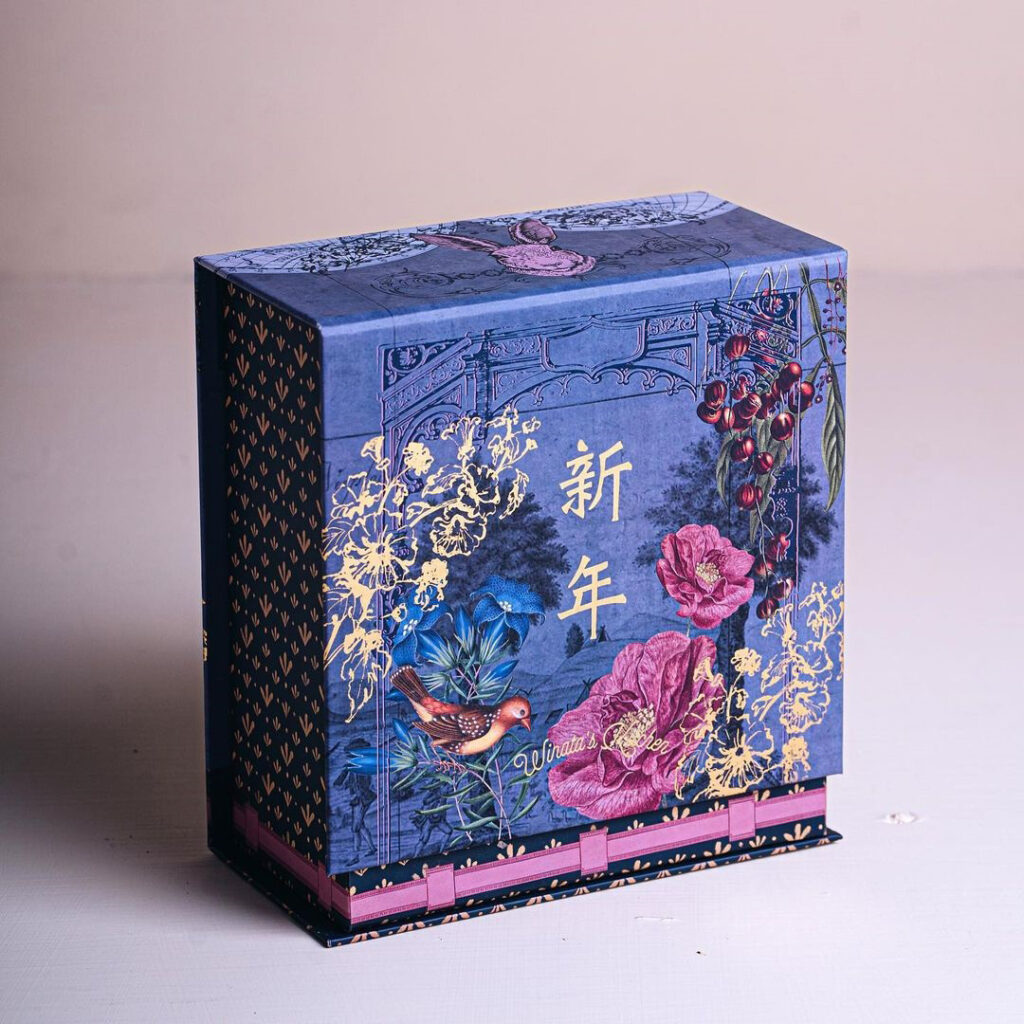
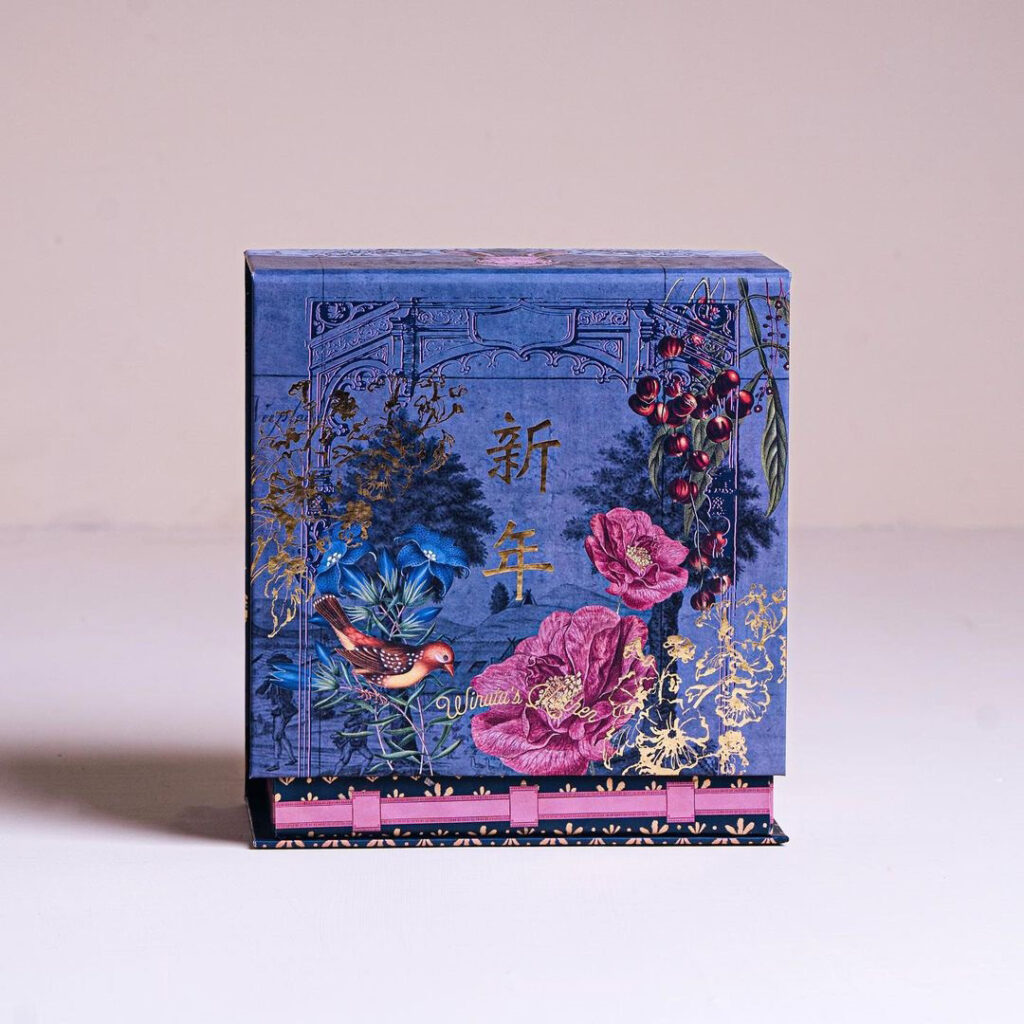
Rigid boxes sell more than a product. They sell the first touch, the first look, and the “this feels worth it” moment that happens before anyone even tries what’s inside. If you’re a brand owner, a factory, a cross-border seller, or a distributor, that moment matters. It can lift perceived value, cut damage headaches, and make your packaging feel consistent across SKUs—without turning your workflow into chaos.
Zhibang builds rigid boxes at scale in Shenzhen, with OEM/ODM support, bulk wholesale production, and printing options that help you keep branding tight across product lines. You can start from the Zhibang Packaging homepage and jump straight into the custom boxes & printing catalog when you’re ready to spec your next run.
Rigid Boxes: what makes them “top-seller packaging”
A rigid box usually means thicker board, tighter structure, cleaner edges, and better “hand feel” than a folding carton. That gives you three practical wins:
Shelf presence: it stands up, photographs well, and looks premium under store lighting.
Protection: it handles pressure, stacking, and long shipping routes better.
Unboxing control: you can design the reveal like a small ritual, not a messy tear-open.
Now let’s get concrete. Below are the exact arguments that keep showing up in top-selling rigid-box products—and how you can use each one in real packaging work.
Brand consistency: premium feel across SKUs
Argument 1: Brand consistency makes “premium” feel believable
If your packaging looks different every time, customers assume your product quality also changes. Consistent rigid box design fixes that fast because the box itself becomes a brand asset.
How to use it
Lock your “packaging system”: brand color, logo position, typography, and one signature finish (foil, emboss, or spot UV).
Keep the structure consistent across a series, then swap inserts for different SKUs. That’s how you scale without redesign fatigue.
Retail display: shelf impact and store-ready packaging
Argument 2: Retail display needs packaging that matches store aesthetics
In retail, you’re competing with lighting, signage, and ten other brands in the same photo. A rigid box gives you better edges, cleaner panels, and finish options that don’t look cheap up close.
How to use it
Design for “shelf impact”: strong front panel, clear brand block, and a finish that reads well under bright light.
Design for “pack-out”: boxes should stack, face forward, and survive handling by store staff.
When you plan this well, your packaging starts doing sales work even when you’re not there.
Unboxing experience: the feel that drives repeat buying
Argument 3: Unboxing experience adds emotion and reduces buyer regret
People don’t say it out loud, but they judge your product in seconds. Rigid boxes help you control that first impression with texture, opening resistance, and a clean reveal.
How to use it
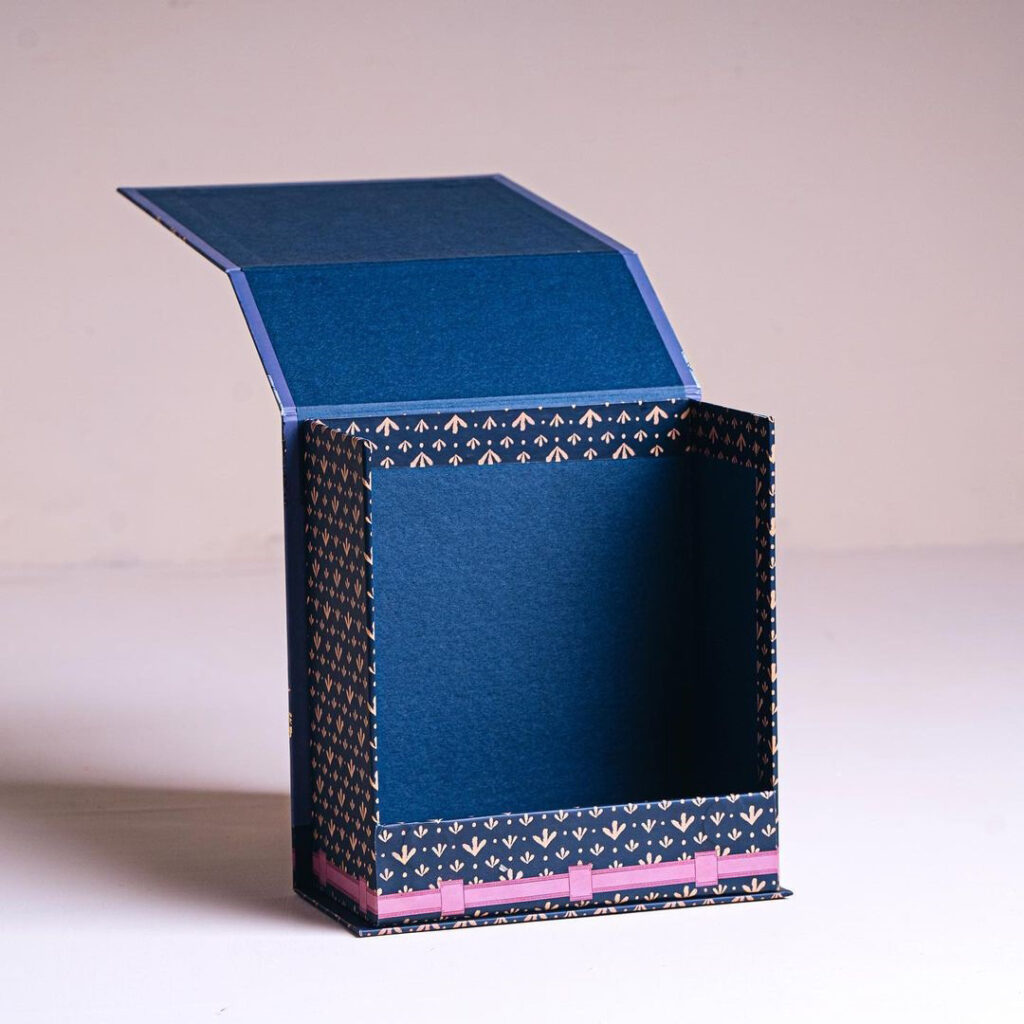
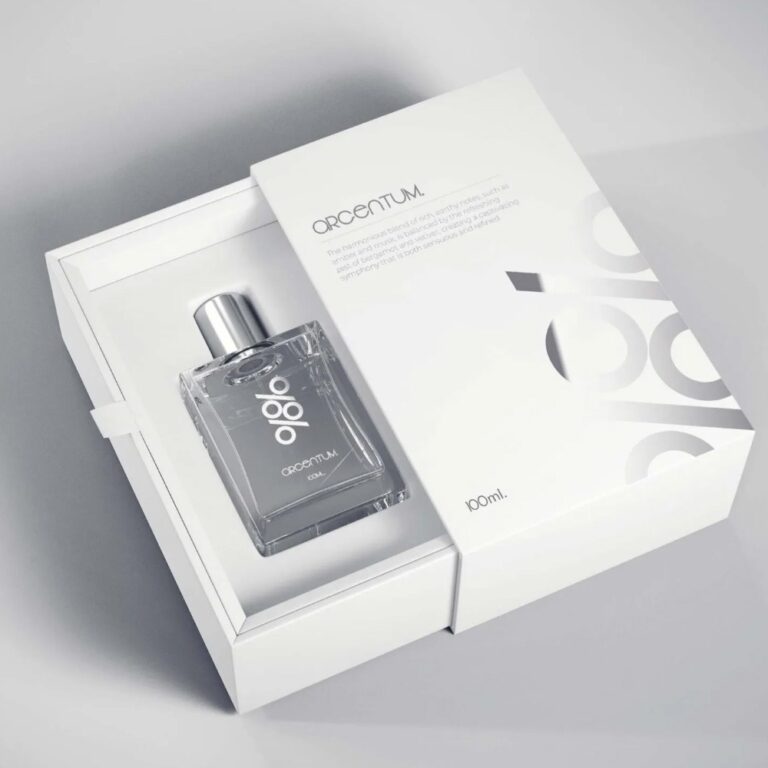
Use magnetic closure, drawer-style slides, or lift-off lids to control the “reveal speed.”
Engineer inserts so the product doesn’t rattle. Rattle screams “cheap,” even when the product isn’t.
Product protection: lower damage rate and fewer returns
Argument 4: Rigid box protection cuts damage and return friction
If you ship glass, fragile cosmetics, or premium accessories, your packaging has one job before anything else: arrive in one piece. Rigid boxes give you thicker walls and better fit control.
How to use it
“Insert engineering” is where you win: foam/EVA, paperboard, or molded trays that lock the product in place.
Stress test the edges: drops, corner hits, and compression. If it survives a bad courier day, it survives anything.
Argument 5: Gift-ready rigid boxes increase perceived value without changing the product
Gift buyers don’t want stress. They want a box that looks “ready” the moment it arrives. Rigid boxes deliver that with stronger structure, cleaner surfaces, and a presentation feel.
How to use it
Add “gift flow” features: ribbon pulls, a card slot, or tissue space that doesn’t look stuffed.
Make it re-usable. When customers keep the box, your brand stays in their home.
A strong gift use case is candle packaging, where presentation and protection both matter: candle gift box packaging.
Jewelry packaging: magnetic closure and re-use
Argument 6: Jewelry packaging benefits from magnetic closure rigid boxes
Jewelry is small, high value, and emotional. A magnetic closure feels smooth and intentional. It also encourages customers to keep the box as a storage piece, which quietly boosts brand recall.
How to use it
Build “display-ready inserts”: ring slots, necklace hooks, and velvet-touch surfaces.
Keep tolerances tight. Bad magnet alignment ruins the premium feel instantly.
If you sell multiple jewelry SKUs, pair one consistent outer box with different insert layouts. That’s how you keep branding stable while scaling.
Eco-friendly printing: sustainability that doesn’t sound vague
Argument 7: Sustainability needs clear material choices, not vague claims
Customers hear “eco-friendly” all day. What they trust is specifics: paper-based structure, reduced plastic, and printing choices that don’t contradict the message.
How to use it
Choose paper-first structures when you can.
Keep finishes intentional. If you need foil or lamination, use it where it adds value, not everywhere.
Zhibang’s Shenzhen manufacturing setup and custom printing workflow make it easier to standardize materials and quality checks across bulk orders—so you don’t end up with mixed results across batches.
Sources: internal link list and site pages from zhibangpack.json.
OEM/ODM and bulk wholesale: how to scale rigid boxes without QC drama
Rigid boxes look simple until you run them at volume. That’s when the real problems show up: color drift, loose lids, inconsistent inserts, and finish defects.
Here’s the smoother way to scale:
OEM/ODM sampling: lock structure, board thickness, and finish early.
Die-line discipline: one master dieline per structure, then controlled variants.
QC checkpoints: verify color, magnet alignment, edge wrap, and insert fit before mass pack-out.
Batch consistency: keep your packaging system stable so your product line looks like one brand, not five suppliers.
If you want to see how Zhibang positions itself as a Shenzhen-based manufacturer for custom packaging and printing, start with the Shenzhen paper packaging factory page, then use the get a fast quote page when you’re ready to move from idea to production.
Final take: rigid boxes win when they solve a real sales problem
Top-selling rigid box packaging doesn’t win because it’s “fancy.” It wins because it solves problems you actually feel: shelf impact, shipping damage, brand consistency, and gift conversion.
If you’re planning a new launch, a rebrand, or a bulk reorder, start by picking one or two arguments above as your “non-negotiables.” Then build the structure, inserts, and finishes around those priorities. That’s the clean path to packaging that sells—and production that stays stable.