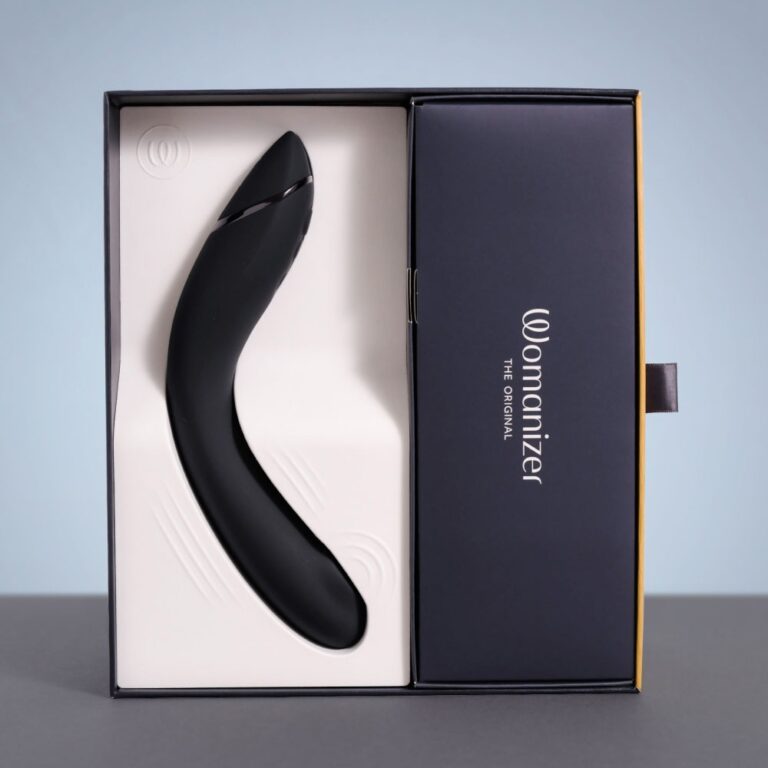
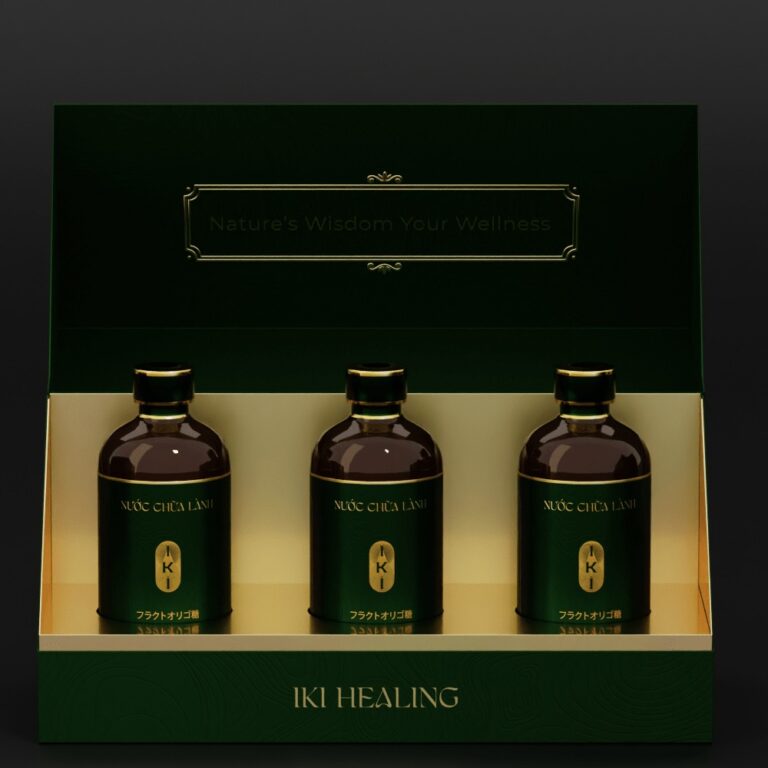
Wenn Ihr Anliegen über die Verpackungsstruktur oder technische Details hinausgeht, ist unser Managementteam bereit, einzugreifen. Sie können direkt mit uns über die Preisgestaltung, dringende Zeitpläne, besondere Anforderungen oder ungelöste Probleme sprechen, die Projektentscheidungen auf höherer Ebene erfordern.
Wir konzentrieren uns darauf, praktische Lösungen zu finden, die Ihr Verpackungsprojekt vorantreiben, sei es bei der Überprüfung von Kosten, der Anpassung von Produktionsplänen, der Koordinierung von Exportdetails oder der Erörterung einer langfristigen Zusammenarbeit mit dem Großhandel.
Mit dem Verpackungsingenieur sprechen
Technik-Team
Holen Sie sich eine fachkundige Beratung zu Schachtelstruktur, Kartonauswahl, Stanzformaufbau, Druck, Veredelung, MOQ, Bemusterung und Produktionsdetails, bevor Sie Ihr Angebot für eine individuelle Verpackung erstellen.
Die Verpackungstechnik umfasst in der Regel die Bereiche Struktur, Materialien, Herstellungsverfahren, Kosteneffizienz und Produktschutz, so dass diese Formulierung mit den tatsächlichen Entscheidungspunkten für Markenverpackungen übereinstimmt.
Enthüllung des Erfolgs der meistverkauften Produkte in starren Boxen
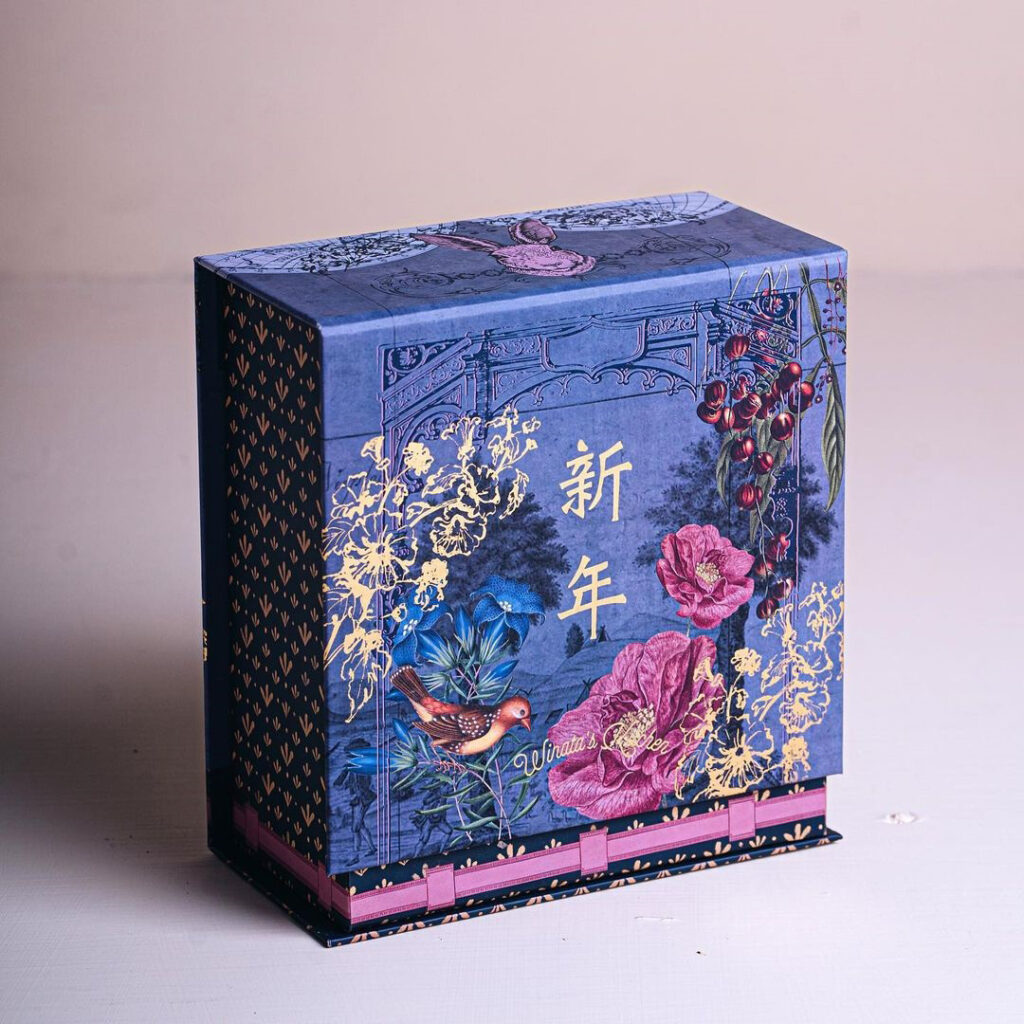
Starre Schachteln verkaufen mehr als ein Produkt. Sie verkaufen die erste Berührung, den ersten Blick und den “Das ist es wert”-Moment, der eintritt, bevor jemand überhaupt probiert, was drin ist. Wenn Sie ein Markeninhaber, eine Fabrik, ein grenzüberschreitender Verkäufer oder ein Händler sind, ist dieser Moment wichtig. Er kann den wahrgenommenen Wert steigern, das Problem der Beschädigung verringern und dafür sorgen, dass sich Ihre Verpackungen über alle Artikel hinweg einheitlich anfühlen - ohne dass Ihr Arbeitsablauf in Chaos versinkt.
Zhibang stellt in Shenzhen starre Boxen in großem Maßstab her, mit OEM/ODM-Unterstützung, Großhandelsproduktion und Druckoptionen, die Ihnen helfen, Ihr Branding über alle Produktlinien hinweg beizubehalten. Sie können mit der Zhibang Verpackung Homepage und springen Sie direkt in die Katalog für individuelle Schachteln und Druck wenn Sie bereit sind, Ihren nächsten Lauf zu planen.
Starre Boxen: was sie zu “Top-Seller-Verpackungen” macht”
Eine starre Schachtel bedeutet in der Regel dickeren Karton, eine straffere Struktur, sauberere Kanten und ein besseres “Handgefühl” als eine Faltschachtel. Damit haben Sie drei praktische Vorteile:
Präsenz im Regal: Es hält stand, lässt sich gut fotografieren und sieht bei Ladenbeleuchtung hervorragend aus.
Schutz: Er kann Druck, Stapelung und lange Transportwege besser bewältigen.
Unboxing-Kontrolle: Sie können die Enthüllung wie ein kleines Ritual gestalten, nicht wie ein chaotisches Aufreißen.
Lassen Sie uns jetzt konkret werden. Im Folgenden finden Sie genau die Argumente, die bei den meistverkauften Hartschalenprodukten immer wieder auftauchen - und wie Sie jedes einzelne davon in der realen Verpackungsarbeit einsetzen können.
Wenn Ihre Verpackung jedes Mal anders aussieht, gehen die Kunden davon aus, dass sich auch die Qualität Ihres Produkts ändert. Ein einheitliches, stabiles Schachteldesign behebt das schnell, denn die Schachtel selbst wird zu einem Markenwert.
Wie man es benutzt
Legen Sie Ihr “Verpackungssystem” fest: Markenfarbe, Logoposition, Typografie und eine Signaturveredelung (Folie, Prägung oder Spot-UV).
Halten Sie die Struktur über eine Serie hinweg konsistent und tauschen Sie dann die Beilagen für verschiedene SKUs aus. So können Sie skalieren, ohne dass die Neugestaltung ermüdet.
Einzelhandelsdisplay: Regalwirkung und verkaufsfertige Verpackung
Argument 2: Einzelhandelsdisplays brauchen Verpackungen, die zur Ästhetik des Geschäfts passen
Im Einzelhandel konkurrieren Sie mit Beleuchtung, Beschilderung und zehn anderen Marken auf demselben Foto. Ein starrer Kasten bietet Ihnen bessere Kanten, sauberere Paneele und Oberflächenoptionen, die aus der Nähe nicht billig aussehen.
Wie man es benutzt
Design für “Regalwirkung”: starke Vorderseite, klarer Markenblock und eine Oberfläche, die bei hellem Licht gut lesbar ist.
Design für “Auspacken”: Die Kartons sollten stapelbar sein, nach vorne zeigen und die Handhabung durch das Ladenpersonal überstehen.
Wenn Sie dies gut planen, beginnt Ihre Verpackung mit der Verkaufsarbeit, auch wenn Sie nicht da sind.
Unboxing-Erlebnis: das Gefühl, das zum Wiederkauf anregt
Argument 3: Das Unboxing-Erlebnis schafft Emotionen und verringert das Bedauern der Käufer
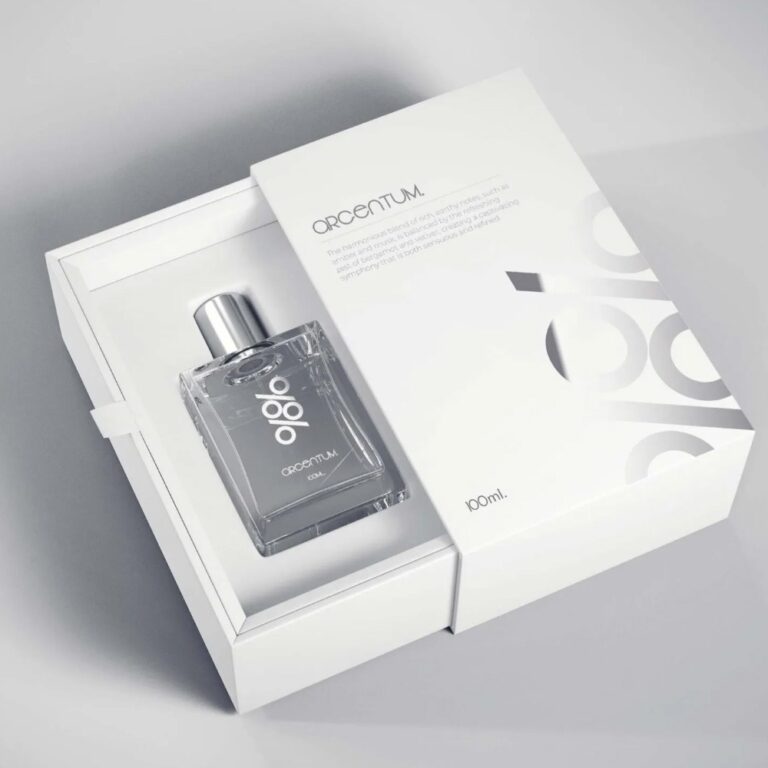
Menschen sprechen es nicht laut aus, aber sie beurteilen Ihr Produkt in Sekunden. Starre Schachteln helfen Ihnen, diesen ersten Eindruck zu kontrollieren, indem sie strukturiert sind, sich nicht öffnen lassen und einen sauberen Eindruck hinterlassen.
Wie man es benutzt
Verwenden Sie Magnetverschlüsse, Schubladenschienen oder abnehmbare Deckel, um die Geschwindigkeit der Enthüllung zu steuern.“
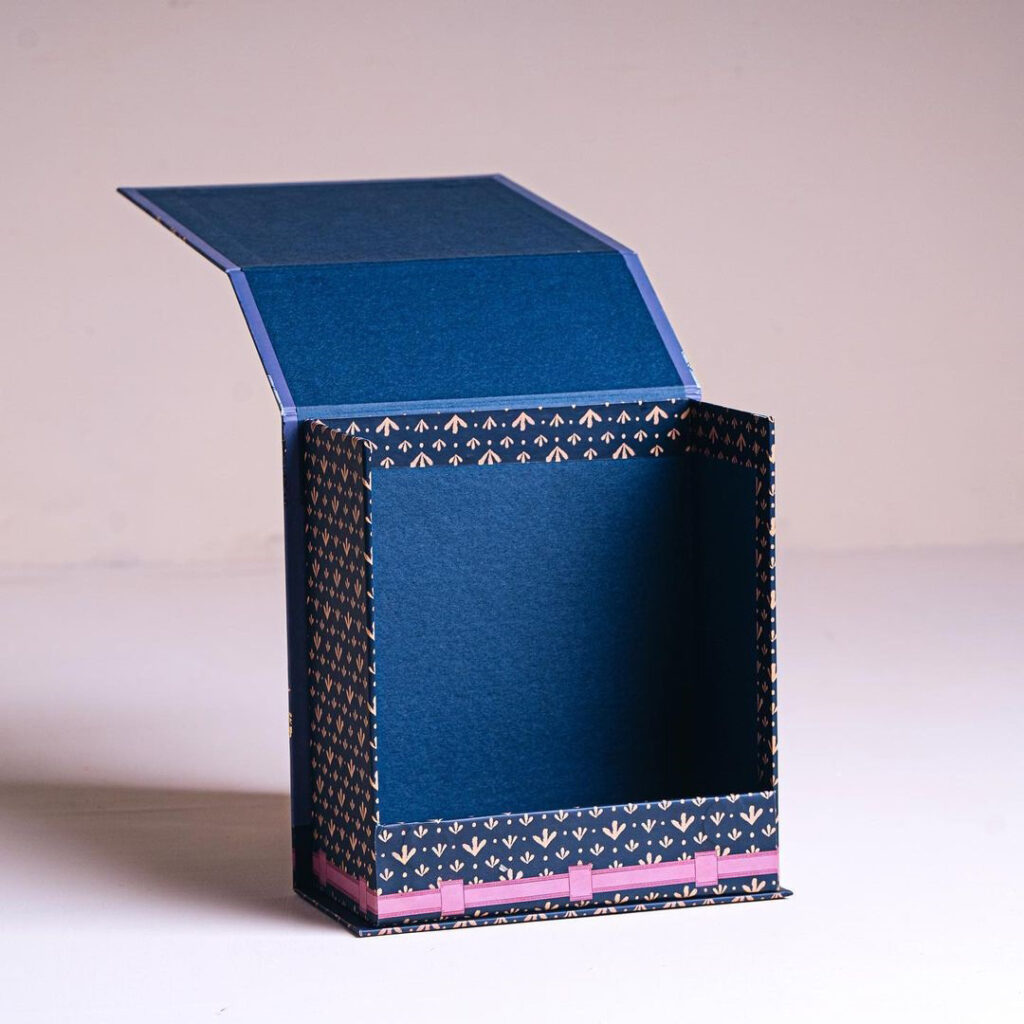
Entwickeln Sie Einsätze, damit das Produkt nicht klappert. Klappern schreit “billig”, auch wenn das Produkt nicht billig ist.
Produktschutz: geringere Schadensquote und weniger Retouren
Argument 4: Ein starrer Boxenschutz verringert Schäden und Rücklaufreibung
Wenn Sie Glas, zerbrechliche Kosmetika oder hochwertige Accessoires versenden, hat Ihre Verpackung vor allem eine Aufgabe: in einem Stück anzukommen. Starre Kartons bieten Ihnen dickere Wände und eine bessere Kontrolle der Passform.
Wie man es benutzt
“Mit ”Insert Engineering" gewinnen Sie: Schaumstoff/EVA, Pappe oder geformte Schalen, die das Produkt an seinem Platz halten.
Stresstest für die Kanten: Stürze, Stöße in den Ecken und Druck. Wenn es einen schlechten Kuriertag überlebt, überlebt es alles.
Geschenkfertige Verpackungen: das einfache Upselling
Argument 5: Geschenkfertige starre Schachteln erhöhen den wahrgenommenen Wert, ohne das Produkt zu verändern
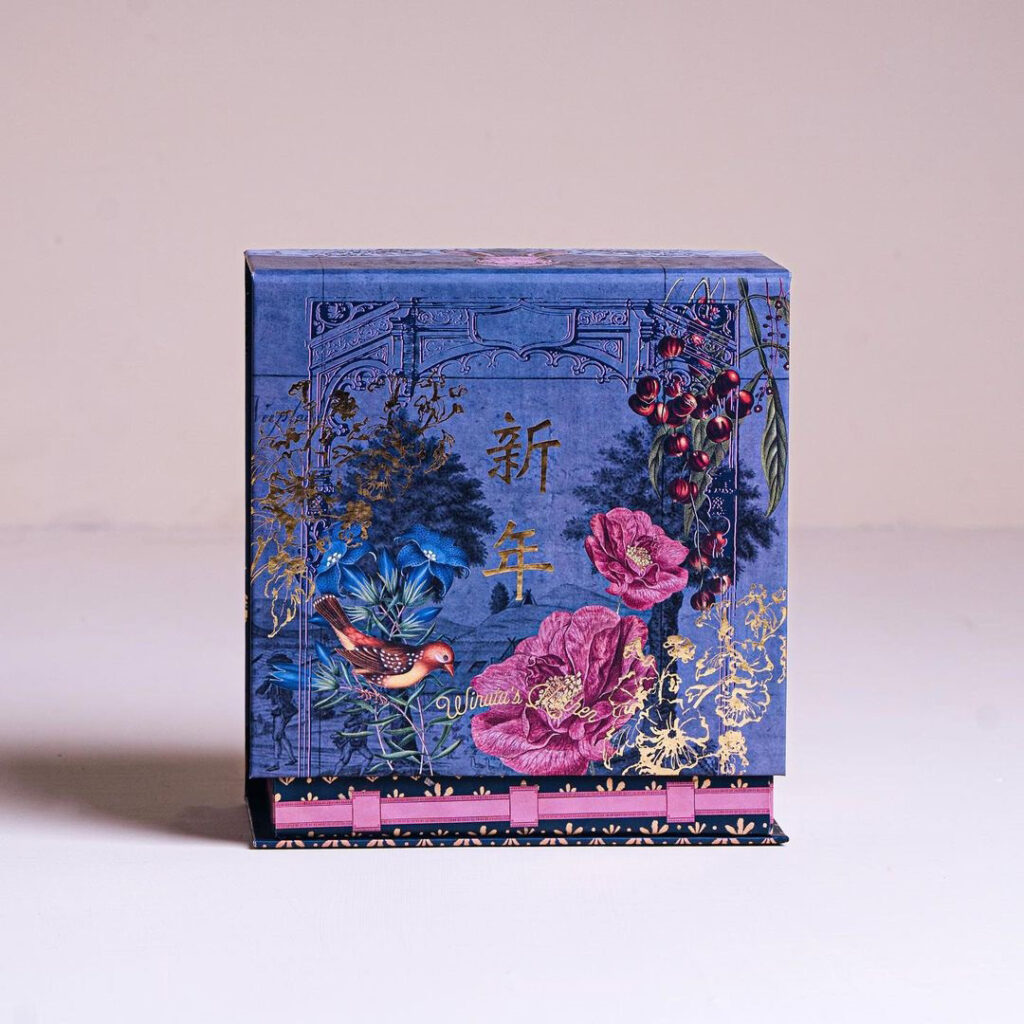
Die Käufer von Geschenken wollen keinen Stress. Sie wollen eine Schachtel, die bei der Ankunft sofort “fertig” aussieht. Starre Kartons bieten dies mit einer stärkeren Struktur, sauberen Oberflächen und einem Präsentationsgefühl.
Wie man es benutzt
Fügen Sie “Geschenkfluss”-Merkmale hinzu: Bänder, Kartenschlitze oder Platz für Taschentücher, die nicht vollgestopft aussehen.
Machen Sie sie wiederverwendbar. Wenn die Kunden die Box behalten, bleibt Ihre Marke bei ihnen zu Hause.
Ein wichtiger Anwendungsfall für Geschenke sind Kerzenverpackungen, bei denen sowohl die Präsentation als auch der Schutz wichtig sind: Kerze Geschenkbox Verpackung.
Schmuckverpackungen: Magnetverschluss und Wiederverwendung
Argument 6: Schmuckverpackungen profitieren von Hartschalen mit Magnetverschluss
Schmuck ist klein, wertvoll und emotional. Ein Magnetverschluss fühlt sich glatt und absichtlich an. Außerdem regt er die Kunden dazu an, die Schachtel als Aufbewahrungsstück zu behalten, was die Markenerinnerung stillschweigend stärkt.
Wie man es benutzt
Bauen Sie “displaytaugliche Einsätze”: Ringschlitze, Halskettenhaken und Oberflächen mit Samtkontakt.
Halten Sie die Toleranzen eng. Eine schlechte Magnetausrichtung ruiniert sofort das erstklassige Gefühl.
Wenn Sie mehrere Schmuck-SKUs verkaufen, kombinieren Sie eine einheitliche äußere Schachtel mit unterschiedlichen Layouts der Einsätze. So halten Sie das Branding stabil, während Sie skalieren.
Umweltfreundliches Drucken: Nachhaltigkeit, die nicht vage klingt
Argument 7: Nachhaltigkeit erfordert klare materielle Entscheidungen, keine vagen Behauptungen
Die Kunden hören den ganzen Tag “umweltfreundlich”. Sie vertrauen aber auf konkrete Dinge: eine papierbasierte Struktur, weniger Plastik und eine Druckauswahl, die nicht im Widerspruch zu dieser Botschaft steht.
Wie man es benutzt
Entscheiden Sie sich für papierbasierte Strukturen, wenn Sie können.
Halten Sie Veredelungen bewusst. Wenn Sie Folie oder Laminierung benötigen, verwenden Sie sie dort, wo sie einen Mehrwert bietet, nicht überall.
Die Produktionsstätte in Shenzhen und der kundenspezifische Druck-Workflow von Zhibang erleichtern die Standardisierung von Materialien und Qualitätskontrollen bei Großaufträgen, so dass Sie bei verschiedenen Chargen keine unterschiedlichen Ergebnisse erhalten.
Entscheidungstabelle für starre Boxen: was man wählt und warum
Titel des Arguments
Behebung von Kundenproblemen
Beste starre Kastenstruktur
Empfohlene Veredelung
Zhibang internes Beispiel
Nachweissignal zu verfolgen
Konsistenz der Marke
Gemischtes Markenimage über SKUs hinweg
Deckel & Boden / Buch-Stil
Pantone-Anpassung, Prägung
Maßgeschneiderte Kosmetikbox
Mehr Wiederholungskäufe, weniger “sieht billig aus”-Bewertungen
Display für den Einzelhandel
Geringe Wirkung im Regal, schwache Fotos
Setup-Box mit sauberen Kanten
Spot UV / Folienakzente
Luxuriöse, strukturierte, starre Box
Bessere CTR bei Inseraten, stärkere Regalpräsenz
Unboxing-Erlebnis
Geringer wahrgenommener Wert, Bedauern der Käufer
Schubladenbox / magnetisch
Soft-Touch, Bandzug
Schubladenbox für Schmuck
Mehr Unboxing-Posts, weniger Rückerstattungen
Produktschutz
Transportschäden, Rücksendungen
Dicker starrer + Einsatz
EVA/Schaumstoff-Einlage
Kerze Geschenkbox
Geringere Schadensquote, weniger Ersatzanfragen
Geschenkgerechte Verpackung
Käufer von Geschenken zögern
Zweiteilig / magnetisch
Folienlogo, Gewebefläche
Kerze Geschenkbox
Höhere Geschenkumwandlung, mehr Add-to-Cart
Schmuckverpackungen
Braucht ein “Premium-Ritual”
Magnetischer Verschluss / Schublade
Samteinsatz, Prägung
Schubladenbox für Schmuck
Höherer wahrgenommener Wert Kommentare
Klarheit über die Nachhaltigkeit
“Öko”-Behauptungen fühlen sich leer an
Papier-first starr
Minimaler Kunststoff, sauberer Druck
Katalog-Optionen
Weniger Fragen zur Nachhaltigkeit
Quellen: interne Linkliste und Seiten aus zhibangpack.json.
OEM/ODM und Großhandel: Skalierung starrer Schachteln ohne Qualitätskontrolle
Starre Schachteln sehen einfach aus, bis man sie in großen Mengen verwendet. Dann zeigen sich die wirklichen Probleme: Farbabweichungen, lose Deckel, inkonsistente Einsätze und Oberflächenfehler.
Das ist die sanftere Art der Skalierung:
OEM/ODM-Probenahme: Struktur des Schlosses, Dicke des Brettes und frühes Finish.
Die-line Disziplin: eine Master-Dieline pro Struktur, dann kontrollierte Varianten.
QC-KontrollpunkteFarbe, Magnetausrichtung, Kantenumwicklung und Passgenauigkeit der Einlage vor dem Auspacken überprüfen.
Konsistenz der Chargen: Halten Sie Ihr Verpackungssystem stabil, damit Ihre Produktlinie wie eine einzige Marke aussieht und nicht wie fünf Lieferanten.
Wenn Sie sehen möchten, wie sich Zhibang als Hersteller von kundenspezifischen Verpackungen und Druckerzeugnissen in Shenzhen positioniert, beginnen Sie mit der Shenzhen Papierverpackungsfabrik Seite, dann verwenden Sie die Schnelles Angebot einholen Seite, wenn Sie bereit sind, von der Idee zur Produktion überzugehen.
Fazit: Starre Boxen gewinnen, wenn sie ein echtes Verkaufsproblem lösen
Die meistverkauften starren Verpackungen gewinnen nicht, weil sie “schick” sind. Sie gewinnen, weil sie Probleme lösen, die Sie tatsächlich spüren: Auswirkungen auf die Regale, Versandschäden, Markenkonsistenz und Geschenkkonversion.
Wenn Sie eine Neueinführung, ein Rebranding oder eine große Nachbestellung planen, sollten Sie zunächst ein oder zwei der oben genannten Argumente als “unverzichtbar” festlegen. Dann bauen Sie die Struktur, die Beilagen und die Veredelungen um diese Prioritäten herum auf. Das ist der saubere Weg zu einer Verpackung, die sich verkauft - und zu einer Produktion, die stabil bleibt.