If your concern goes beyond packaging structure or technical details, our managing team is ready to step in. You can speak with us directly about pricing, urgent timelines, special requirements, or unresolved issues that need higher-level project decisions.
We focus on finding practical solutions that keep your packaging project moving forward, whether that means reviewing costs, adjusting production plans, coordinating export details, or discussing long-term wholesale cooperation.
Talk to Packaging Engineer
Engineering Team
Get expert guidance on box structure, paperboard selection, dieline setup, printing, finishing, MOQ, sampling, and production details before starting your custom packaging quote.
Packaging engineering typically covers structure, materials, manufacturing process, cost efficiency, and product protection, so this wording is aligned with real branded packaging decision points.
Selecting the Appropriate Rigid Gift Box for Your Packaging Requirements
Rigid gift boxes look simple on the outside. In real production, they touch everything: your unboxing feel, shelf presence, kitting speed, shipping damage rate, and even how fast your warehouse can pick and pack. If you buy in bulk or run OEM/ODM, small choices add up fast.
Define Your Packaging Goals Before You Choose a Rigid Gift Box
If you skip this step, you’ll redesign twice. Start with one clear goal statement, then let it guide every decision:
Retail-first: strong shelf presence, clean front panel, easy open/close for shoppers
A quick example: a skincare set that sells in stores might need a wide front panel for branding and a “try-me” window. That same set sold on marketplaces might need stronger corner protection and a tighter insert to cut movement during delivery.
Packaging goals checklist (keywords that matter)
Branding area (front panel size, logo placement)
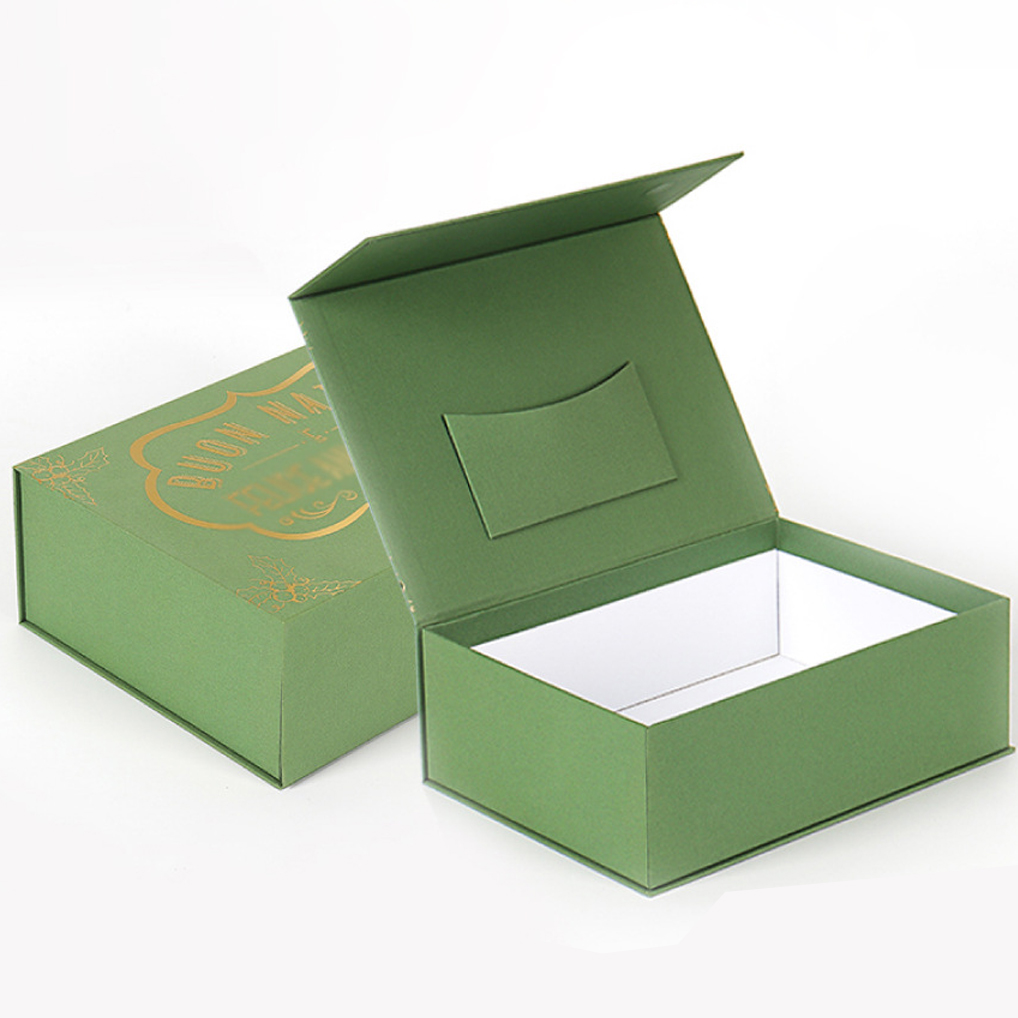
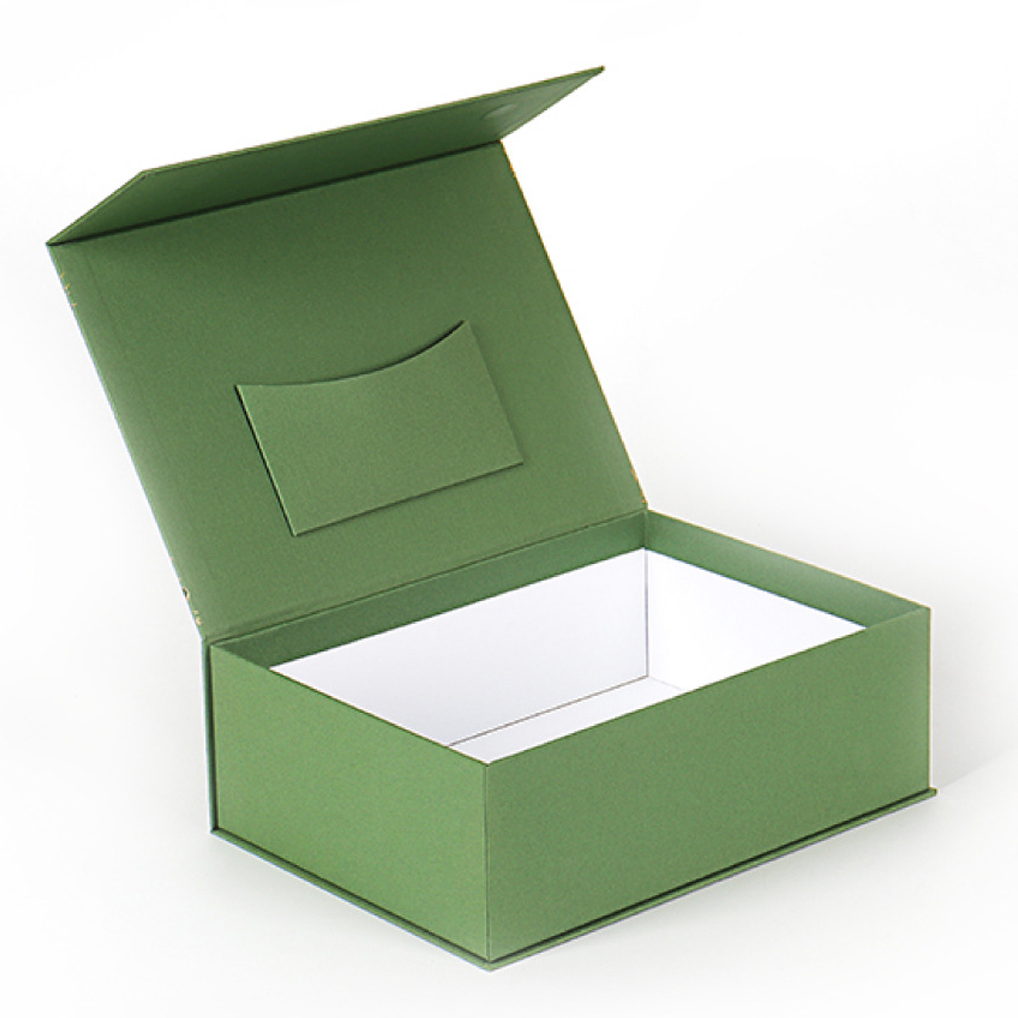
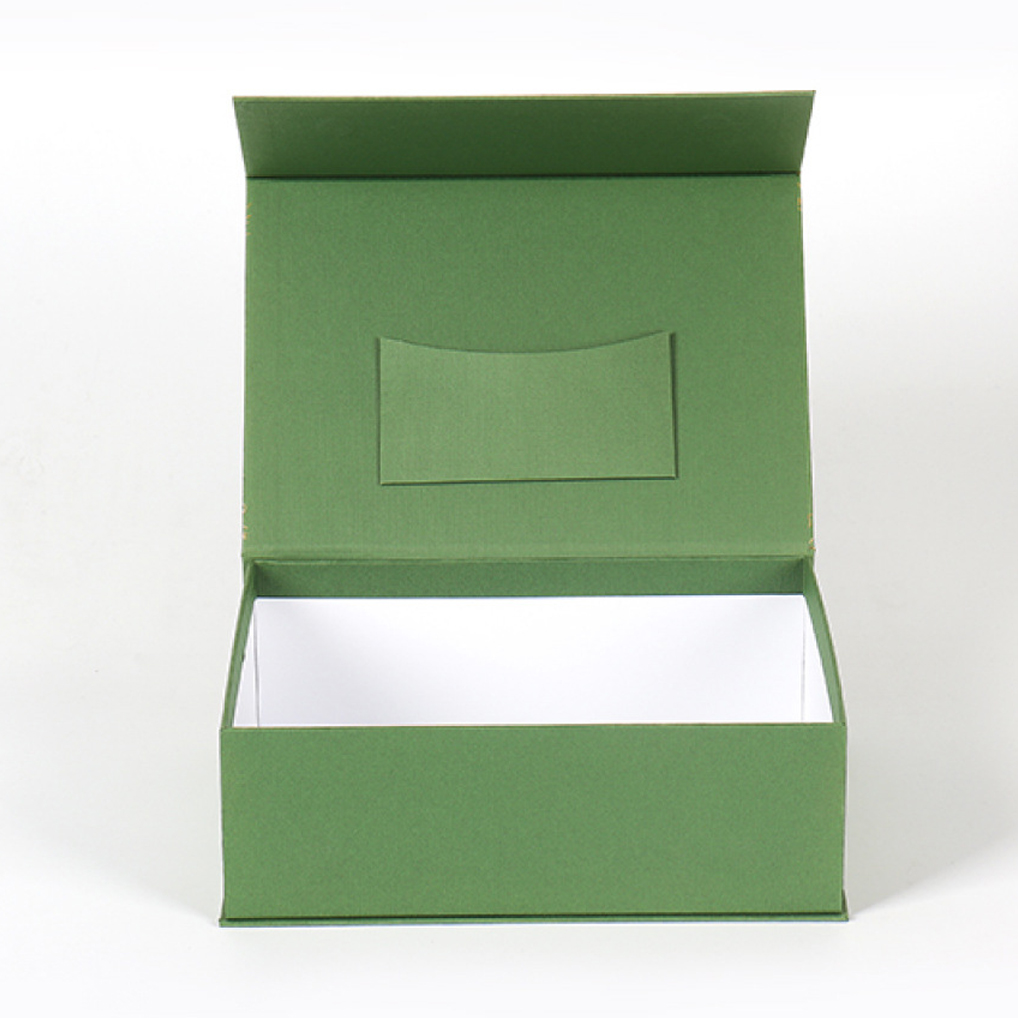
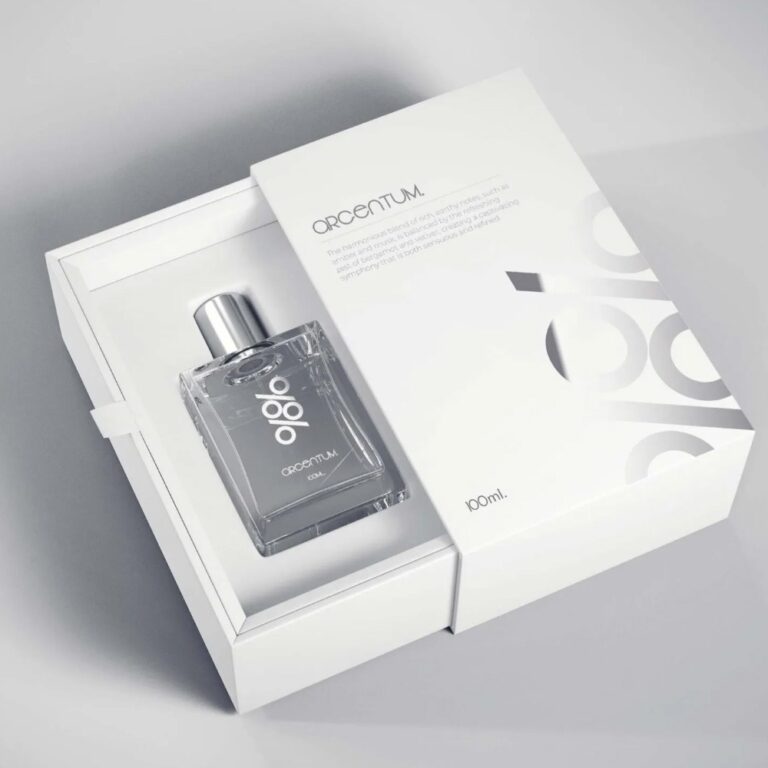
Unboxing experience (lift-off lid vs magnetic flip lid vs drawer)
Damage control (insert lock, corner crush resistance)
Manufacturing and Fulfillment Workflow Determines Box Structure
Rigid boxes don’t behave the same on a packing line. Your assembly method should decide how fancy you get.
If you rely on manual assembly, you can use more complex structures and inserts, but you must control tolerance (lid fit, magnet alignment, ribbon position).
If you push higher throughput, standard structures usually win because they reduce handwork, touchpoints, and QC friction.
Manufacturing and kitting workflow
Ask two practical questions:
Who builds the packout—factory line, 3PL, or your own team?
Will the product ship pre-kitted (fully assembled set) or picked per order?
For example, magnetic flip-top styles feel premium, but they add alignment steps. Drawer styles can pack faster in some workflows because the insert can sit flat and the sleeve slides on cleanly.
Shipping Method Impacts Outer Carton Strength and Pack Count
Shipping doesn’t care how pretty your box is. It cares about stacking, vibration, drops, and compression. The shipping path changes what “strong enough” means:
DTC / parcel: more drops, more corner hits, more scuffs
Retail replenishment: more stacking, more pallet pressure, more handling
Corner crush: corners show damage first on rigid boxes
Lid shift: loose lids look messy and feel low-end
Insert movement: movement causes scratches, dents, and noise
A good rigid gift box plan includes the outer carton plan. If your product is fragile (glass, electronics), you’ll usually need a tighter insert and better edge protection.
Retail Display Requires “Shelf Visibility,” “Close Read,” and “Hands-On Feel”
Retail shoppers decide fast. Your box has three jobs on shelf:
Shelf visibility: color blocks, logo contrast, clean surfaces
Close read: key info placement, finishes that don’t glare too hard
Hands-on feel: smooth edges, sturdy open/close, no cheap flex
Try-me opening, window, and structure
If you plan any “try-me” moment, build it into the structure early. A clear window or an easy-open flap can work, but it also creates new QC and scuff risks.
Hot foil, emboss, deboss, spot UV, holographic films—these finishes sell. They also fail in predictable ways when people touch them all day.
Shelf-wear tests you can ask for
Rub resistance: does the surface dull or scuff after repeated contact?
Fingerprint sensitivity: matte films can show oils and marks
Edge chipping: corners reveal defects first on dark papers
Color consistency: Pantone matching vs CMYK expectations
If you want high-impact shine, consider where it sits. A full-coverage glossy effect looks bold, but it also shows scratches more. Many brands keep the premium finish as an accent—logo area, border lines, or a spot UV pattern—so the box stays clean longer.
Rigid Gift Box Selection Table (Use This Before You Request a Quote)
Requirement keyword
Best-fit rigid box style
Insert direction
Finish direction
Common buyer pain point it solves
Ecommerce shipping
Magnetic flip-top / clamshell
EVA or tight tray
scratch-resistant lamination
fewer dented corners, less product movement
Retail shelf display
Lid-and-base / book-style
paperboard holder or tray
foil + spot UV accents
better shelf read, cleaner brand block
Fast kitting
Drawer box
flat insert + pull ribbon
simple matte film
quicker packout, fewer alignment errors
Fragile product
Lid-and-base
EVA + cavity lock
controlled coverage
reduced breakage and rattling
Premium gifting
Book-style / double-door
satin/velvet + holder
tactile paper + foil detail
stronger unboxing, higher perceived value
Subscription / sets
Magnetic flip-top
dividers + modular trays
stable print coverage
fewer mix-ups in set assembly
Practical Scenarios for Retailers, DTC Sellers, Wholesalers, and OEM/ODM Teams
Cosmetics and skincare packaging
You’ll usually juggle shelf look and shipping reality. If you sell both retail and online, build one box that survives parcel shipping, then tune the visual with paper and finish. A textured lid-and-base style often hides small scuffs better in real life.
Jewelry and small accessories
Drawer boxes work well because they control the reveal and hold inserts neatly. They also ship efficiently when you pack in master cartons.
Consumer electronics and gift sets
Movement control matters. Choose an insert that locks the product, then confirm the lid fit. A loose lid makes the whole pack feel cheap, even if the print looks great.
Custom Rigid Gift Boxes and OEM/ODM Manufacturing with Zhibang
Zhibang is a Shenzhen-based paper packaging manufacturer focused on custom boxes, bulk wholesale, and OEM/ODM support, with an emphasis on reliable quality control and fast quoting. If you’re building a packaging line that has to scale, start from your workflow and shipping path, then pick the rigid box structure that your team can run cleanly.
If you share your product size, selling channel (retail vs ecommerce), and insert needs, it becomes much easier to lock a rigid gift box spec that looks right, packs fast, and ships with fewer surprises.