If your concern goes beyond packaging structure or technical details, our managing team is ready to step in. You can speak with us directly about pricing, urgent timelines, special requirements, or unresolved issues that need higher-level project decisions.
We focus on finding practical solutions that keep your packaging project moving forward, whether that means reviewing costs, adjusting production plans, coordinating export details, or discussing long-term wholesale cooperation.
Talk to Packaging Engineer
Engineering Team
Get expert guidance on box structure, paperboard selection, dieline setup, printing, finishing, MOQ, sampling, and production details before starting your custom packaging quote.
Packaging engineering typically covers structure, materials, manufacturing process, cost efficiency, and product protection, so this wording is aligned with real branded packaging decision points.
The advantages and precautions of using the hot stamping process in the packaging box
When you’re selling in a crowded market, your box has to do more than “look nice.” It needs to stop thumbs on a product page, pop on a retail shelf, and still survive shipping without showing battle scars. That’s exactly why brands keep coming back to the hot stamping process (also called hot foil stamping) for packaging boxes.
Zhibang builds custom boxes & printing in Shenzhen for bulk buyers, OEM/ODM projects, and wholesalers. So we see the same pattern again and again: hot stamping works best when you treat it like a controlled manufacturing step, not just a decoration you tack on at the end.
Below, I’ll break down the real advantages and the precautions that save you from rework, delays, and “why does the logo look different on the final run?” moments.
Hot stamping process in packaging boxes
Hot stamping transfers foil onto a box surface using a metal die. The die applies heat + pressure for a short time, and the foil layer bonds to the paper. You get crisp edges, strong contrast, and that premium metallic hit customers notice right away.
Heat, pressure, and dwell time
If you only remember one thing, remember this: hot stamping is a three-knob process.
Heat activates the foil adhesive.
Pressure pushes the foil into the surface and locks contact.
Dwell time (how long the die sits) finishes the transfer.
Change one knob and the other two usually need a small adjustment. That’s why pro factories treat foil like a repeatable production recipe, not guesswork.
Advantages of hot stamping process
Hot stamping isn’t only about “making it shiny.” It also solves real packaging problems: brand recognition, premium positioning, and cleaner finishes on high-touch boxes.
Cleaner production than metallic ink
Hot stamping keeps the workflow tidy because you’re transferring a foil layer, not laying down wet metallic ink. That reduces the chances of smudging, muddy metallic tones, or messy handling during finishing.
Where this matters:
Magnetic rigid boxes that customers keep and reuse
Unboxing-first brands that shoot close-up video
High-touch packaging where fingerprints and scuffs show fast
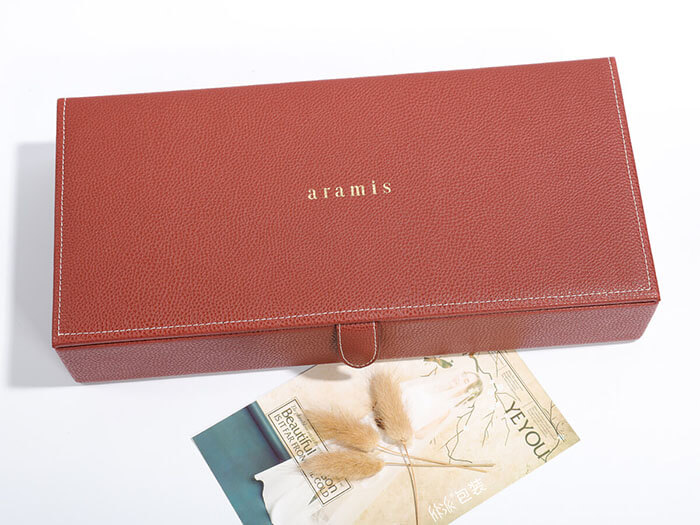
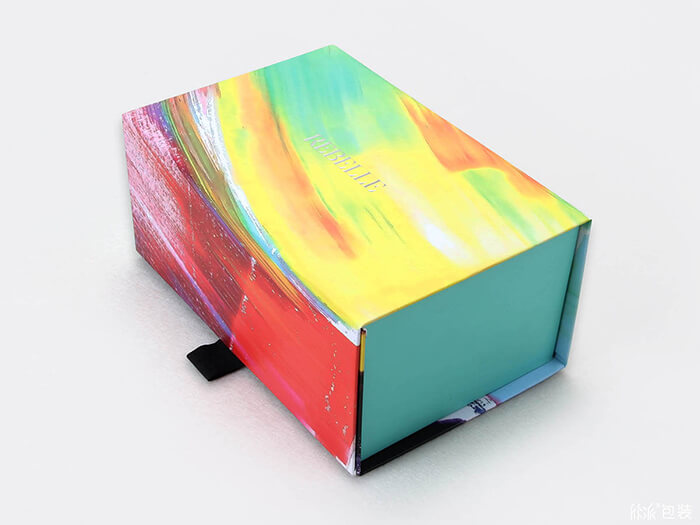
If you’re building a premium gift experience, a rigid box with a foil logo tends to read “high-end” instantly. For example, a magnetic box with a gold hot foil logo fits that look well. Here’s a live product reference you can review: magnetic gift box with gold hot foil stamping logo.
More foil colors than gold and silver
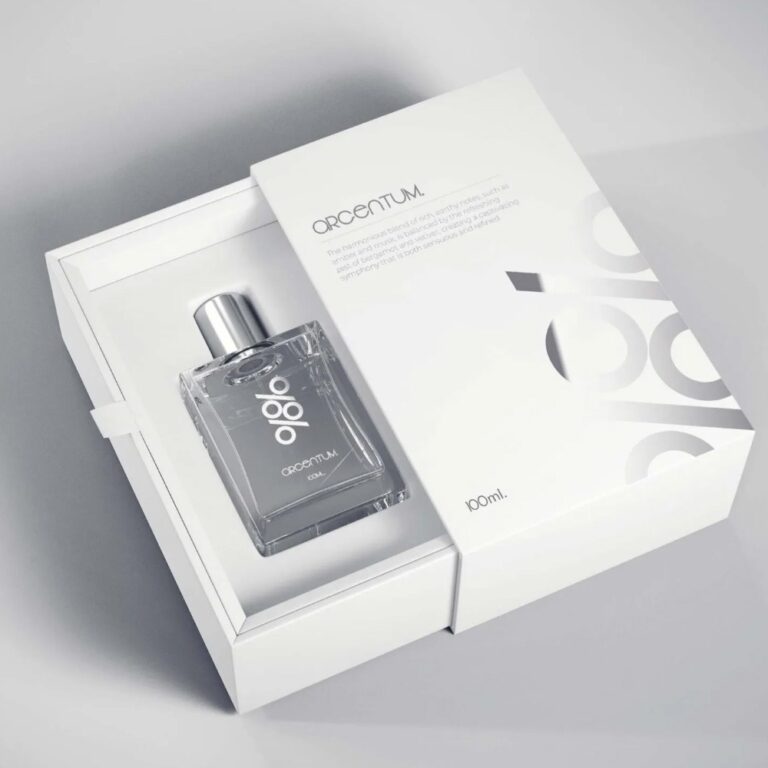
A lot of buyers think “hot stamping = gold.” In practice, foil gives you options: silver, rose gold, holographic, matte metallics, and more. That range helps you keep brand colors consistent while still getting a premium finish.
A simple play that works:
Use gold for heritage/luxury cues
Use silver for tech/clean minimal brands
Use holographic for beauty or youth-focused drops
Strong shelf impact for logos and product names
Foil does one thing extremely well: it pulls focus. You can guide the eye to the brand mark, product name, or a short claim without turning the entire box into visual noise.
In real projects, the most stable placements are:
Logo in the center or top third
Short product name line
Thin border frame (not too thin—more on that below)
Hot stamping rewards good prep. Skip the prep and you’ll get common issues: broken lines, patchy transfer, foil scratches, or inconsistent output between samples and mass production.
Cost and MOQ fit
Foil stamping needs a die. That means setup time and tooling, which makes it a better fit for bulk runs and wholesale orders. If you’re doing a small test run, you can still use foil, but it usually works best as a small-area highlight (logo, icon, border) instead of a large full-coverage design.
A practical buyer mindset:
For bulk/OEM: build a repeatable spec and run it hard
For new launches: start with controlled logo areas, then scale
If you’re shopping across styles, start from the main catalog and filter down by structure and finish: Products.
Minimum line width 0.15mm and small text
Foil is precise, but it’s not magic. Ultra-thin strokes and tiny text are the first things that break. As a practical prepress rule, keep foil line width ≥ 0.15mm and avoid micro text that depends on hairline detail.
How to keep details sharp:
Use vector artwork (AI/PDF) for foil elements
Avoid heavy distress textures inside foil areas
Don’t use tiny serif fonts for stamped text
If your brand guide insists on thin lines, you can still get the look. You just need a smarter layout: thicker strokes, larger type, or a different finish on micro detail.
Smooth coated paper vs textured paper
Foil loves a smooth surface. Textured stocks can look beautiful, but deep textures can lead to incomplete transfer or uneven edges. If you want that premium tactile feel, you can still use textured paper—just expect more sampling and tighter control.
A good compromise many brands use:
Smooth outer wrap for foil areas
Texture on panels that don’t need crisp metallic edges
If you’re debating finishes for retail + shipping, you can also add protective lamination or combine foil with spot UV (common in cosmetics and tech boxes).
Abrasion resistance and shipping protection
Foil can scratch. Not always, but enough that you should plan for it—especially for ecommerce, where boxes rub against each other in cartons.
Here’s how teams avoid scuff drama:
Add buffer packaging (tissue, sleeves, inserts) so boxes don’t grind together
Design the structure so the foil area doesn’t sit on a high-friction corner
Use a rub test mindset: if it can scrape in a carton, it will scrape
The number-one pain point buyers don’t say out loud: the sample looks great, then the bulk looks “slightly off.” That’s usually a process control issue.
To lock consistency:
Approve a golden sample (the one that becomes the production target)
Keep foil elements consistent across SKUs (don’t change tiny details every time)
Confirm dieline, knockouts, and registration tolerances before mass run
If you’re doing OEM/ODM work, this is where a Shenzhen factory’s QC discipline really matters—because you’re not buying a box, you’re buying repeatability.
Practical use cases for custom boxes
Hot stamping shows up across industries, but it shines in a few high-margin categories where presentation sells.
Cosmetics packaging boxes
Beauty buyers decide fast. Foil helps you build “premium at first glance,” especially on magnetic boxes, drawer boxes, and rigid setups.
A typical winning combo:
Matte base + gold/rose gold foil
Clean brand mark + one hero line
Insert that holds product tight (less shake, fewer dents)
Jewelry packaging lives in close-up photos. Foil gives you sharp branding without needing heavy ink coverage. It also pairs well with velvet or EVA inserts when you’re selling sets.
If you sell jewelry online, aim for:
Strong logo visibility in thumbnails
Clean corners and tight wrap (no bubbling)
Low-scratch pack-out
Consumer electronics packaging boxes
Tech packaging needs to feel precise. Silver foil on a clean surface hits that “engineered” feel without over-designing. For electronics, the structure does extra work too: fit, protection, and clean unboxing flow.
Food and gift packaging
Gift boxes and premium food sets often use foil to signal “special.” The trick is not to overdo it. A small foil logo plus a subtle frame can look more upscale than a full-foil front.
Evidence table: advantages and precautions you can spec into your order
Topic keyword
What you get
What can go wrong
How you control it (factory-ready notes)
hot stamping process
premium metallic finish, crisp branding
inconsistent transfer
lock a golden sample; keep heat/pressure/dwell stable
cleaner production
less mess than wet metallic ink
fingerprints and handling marks
plan finishing order; use protective packing
foil colors
more options than gold/silver
color expectation mismatch
request foil swatches and confirm under your lighting
minimum line width 0.15mm
sharper lines, readable logo
broken strokes, fuzzy edges
thicken strokes; use vector; avoid micro text
smooth coated paper
cleaner edges and full transfer
patchy foil on texture
choose smoother wrap for foil zones; proof on final stock
Why brands use zhibang for OEM/ODM and wholesale custom boxes
When you buy packaging at scale, you’re managing supply chain risk. You want a factory that can hold spec, move fast, and keep QC tight.
Zhibang positions as a Shenzhen paper packaging factory for custom boxes & printing, with OEM/ODM support and bulk production. If you’re vetting partners, these pages are the quickest way to get the basics:
If you want fewer revisions and a faster quote, send your factory a clean package spec from day one.
Provide dieline + artwork files (AI/PDF), with foil layers clearly labeled
Keep foil strokes thick enough (≥ 0.15mm) and avoid tiny stamped text
Confirm the final paper stock and surface finish before proofing
Call out the “must match” areas: logo size, placement, foil color
Ask for a production plan that covers sampling, QC gates, and pack-out protection
When you do this, hot stamping stops being a “risky fancy finish” and becomes a reliable way to push brand value—especially for bulk orders where consistency is everything.