Wenn Ihr Anliegen über die Verpackungsstruktur oder technische Details hinausgeht, ist unser Managementteam bereit, einzugreifen. Sie können direkt mit uns über die Preisgestaltung, dringende Zeitpläne, besondere Anforderungen oder ungelöste Probleme sprechen, die Projektentscheidungen auf höherer Ebene erfordern.
Wir konzentrieren uns darauf, praktische Lösungen zu finden, die Ihr Verpackungsprojekt vorantreiben, sei es bei der Überprüfung von Kosten, der Anpassung von Produktionsplänen, der Koordinierung von Exportdetails oder der Erörterung einer langfristigen Zusammenarbeit mit dem Großhandel.
Mit dem Verpackungsingenieur sprechen
Technik-Team
Holen Sie sich eine fachkundige Beratung zu Schachtelstruktur, Kartonauswahl, Stanzformaufbau, Druck, Veredelung, MOQ, Bemusterung und Produktionsdetails, bevor Sie Ihr Angebot für eine individuelle Verpackung erstellen.
Die Verpackungstechnik umfasst in der Regel die Bereiche Struktur, Materialien, Herstellungsverfahren, Kosteneffizienz und Produktschutz, so dass diese Formulierung mit den tatsächlichen Entscheidungspunkten für Markenverpackungen übereinstimmt.
Die Vorteile und Vorsichtsmaßnahmen bei der Verwendung des Heißprägeverfahrens für die Verpackungsschachtel
Wenn Sie auf einem überfüllten Markt verkaufen, muss Ihre Verpackung mehr leisten als nur “gut aussehen”. Sie muss auf einer Produktseite die Daumen stoppen, in einem Verkaufsregal auffallen und den Versand überstehen, ohne Narben zu hinterlassen. Das ist genau der Grund, warum Marken immer wieder auf die Heißprägeverfahren (auch genannt Heißfolienprägung) für Verpackungskisten.
Zhibang baut Schachteln und Druck nach Maß in Shenzhen für Großabnehmer, OEM/ODM-Projekte und Großhändler. Wir sehen also immer wieder dasselbe Muster: Heißprägen funktioniert am besten, wenn man es wie einen kontrollierten Fertigungsschritt behandelt und nicht nur wie eine Dekoration, die man am Ende anbringt.
Im Folgenden werde ich die wirklichen Vorteile und die Vorsichtsmaßnahmen aufschlüsseln, die Sie vor Nacharbeit, Verzögerungen und “Warum sieht das Logo beim letzten Durchlauf anders aus?”-Momenten bewahren.
Heißprägeverfahren in Verpackungskisten
Beim Heißprägen wird die Folie mit Hilfe eines Metallstempels auf die Oberfläche eines Kartons übertragen. Der Stempel bringt Wärme + Druck und die Folienschicht verbindet sich mit dem Papier. Sie erhalten gestochen scharfe Kanten, einen starken Kontrast und den hochwertigen Metallic-Effekt, den die Kunden sofort bemerken.
Hitze, Druck und Verweilzeit
Wenn Sie sich nur an eines erinnern, dann daran, dass das Heißprägen ein Verfahren mit drei Knöpfen ist.
Wärme aktiviert den Folienkleber.
Druck drückt die Folie in die Oberfläche und sichert den Kontakt.
Verweilzeit (wie lange die Matrize sitzt) die Übertragung abschließt.
Ändert man einen Drehknopf, müssen die anderen beiden in der Regel nur geringfügig angepasst werden. Deshalb behandeln Profifabriken die Folie wie ein wiederholbares Produktionsrezept und nicht als Ratespiel.
Vorteile des Heißprägeverfahrens
Beim Heißprägen geht es nicht nur darum, dass es “glänzt”. Sie löst auch echte Verpackungsprobleme: Markenwiedererkennung, Premium-Positionierung und saubere Oberflächen auf anspruchsvollen Verpackungen.
Sauberere Produktion als Metallic-Tinte
Das Heißprägen sorgt für einen sauberen Arbeitsablauf, da Sie eine Folienschicht übertragen und keine nasse Metallic-Farbe auftragen. Das verringert die Gefahr des Verwischens, matschiger Metallic-Töne oder unordentlicher Handhabung bei der Endbearbeitung.
Wo dies von Bedeutung ist:
Magnetische starre Boxen die Kunden behalten und wiederverwenden
Unboxing-first Marken die Nahaufnahmen machen
Verpackung zum Anfassen wo Fingerabdrücke und Kratzer schnell sichtbar werden
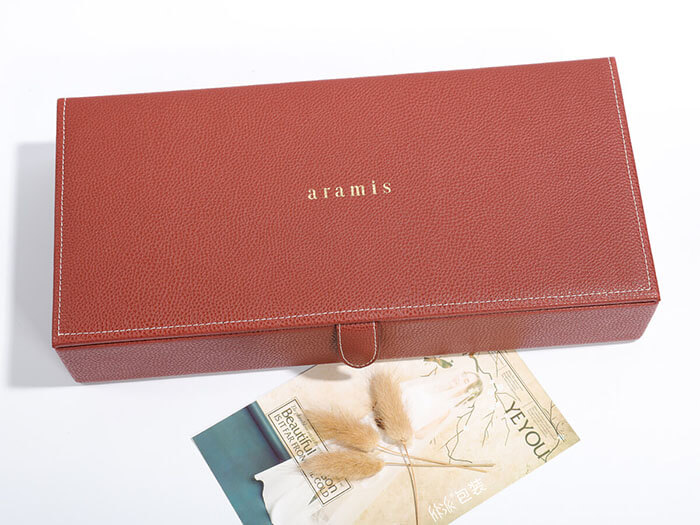
Wenn Sie ein hochwertiges Geschenkerlebnis schaffen wollen, wirkt eine starre Schachtel mit einem Folienlogo sofort “hochwertig”. Eine Magnetbox mit einem goldenen Heißfolienlogo passt zum Beispiel gut zu diesem Look. Hier finden Sie eine Produktreferenz, die Sie überprüfen können: magnetische Geschenkbox mit goldener Heißfolienprägung des Logos.
Mehr Folienfarben als Gold und Silber
Viele Käufer denken “Heißprägung = Gold”. In der Praxis bietet die Folie viele Möglichkeiten: Silber, Roségold, Holografie, matte Metallicfarben und mehr. Diese Bandbreite hilft Ihnen, die Markenfarben konsistent zu halten und trotzdem ein hochwertiges Finish zu erzielen.
Ein einfaches Spiel, das funktioniert:
Verwenden Sie Gold für Kultur-/Luxusgüter
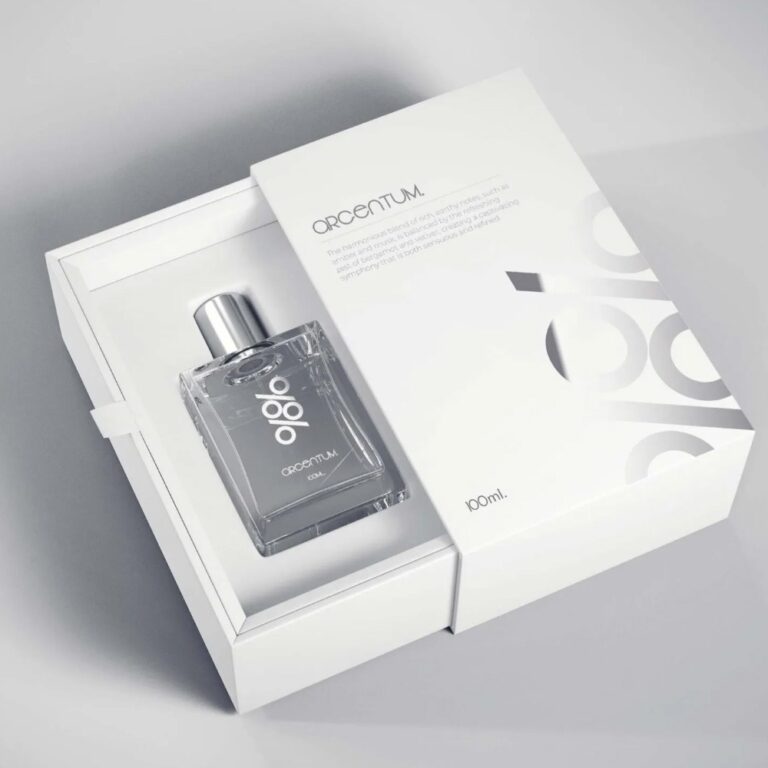
Verwenden Sie Silber für technische/saubere Minimalmarken
Verwenden Sie holographisch für Beauty- oder Jugendtropfen
Starke Regalwirkung für Logos und Produktnamen
Folie kann eines besonders gut: Sie zieht den Fokus. Sie können das Auge auf das Markenzeichen, den Produktnamen oder einen kurzen Claim lenken, ohne dass die gesamte Schachtel zu einem visuellen Rauschen wird.
Bei realen Projekten sind die stabilsten Platzierungen:
Logo in der Mitte oder im oberen Drittel
Kurze Produktnamenzeile
Dünner Rahmen (nicht zu dünn - mehr dazu weiter unten)
Beim Heißprägen kommt es auf eine gute Vorbereitung an. Wird die Vorbereitung vernachlässigt, treten häufig Probleme auf: unterbrochene Linien, lückenhafte Übertragungen, Kratzer in der Folie oder uneinheitliche Ergebnisse zwischen Mustern und Massenproduktion.
Kosten und MOQ passen
Für die Folienprägung wird ein Stempel benötigt. Das bedeutet Einrichtungszeit und Werkzeuge, was es zu einer besseren Lösung für Großserien und Großhandelsaufträge. Wenn Sie einen kleinen Testlauf machen, können Sie immer noch Folie verwenden, aber sie funktioniert normalerweise am besten als Kleinräumiges Highlight (Logo, Symbol, Rahmen) anstelle eines großen, flächendeckenden Designs.
Eine praktische Käufermentalität:
Für Massenware/OEM: Erstellen Sie eine wiederholbare Spezifikation und führen Sie sie aus.
Bei Neueinführungen: mit kontrollierten Logobereichen beginnen, dann skalieren
Wenn Sie nach verschiedenen Modellen suchen, beginnen Sie mit dem Hauptkatalog und filtern Sie nach Struktur und Oberfläche: Produkte.
Mindestzeilenbreite 0,15 mm und kleiner Text
Folie ist präzise, aber sie ist keine Zauberei. Hauchdünne Striche und winziger Text sind die ersten, die kaputt gehen. Als praktische Regel für die Druckvorstufe gilt: Halten Sie Linienbreite der Folie ≥ 0,15 mm und vermeiden Sie Mikrotexte, die von haarfeinen Details abhängen.
Wie man Details scharf hält:
Verwenden Sie Vektorgrafik (AI/PDF) für Folienelemente
Vermeiden Sie schwere Nottexturen in Folienbereichen
Verwenden Sie keine kleinen Serifenschriften für gestempelten Text
Wenn Ihr Markenleitfaden auf dünnen Linien besteht, können Sie den Look trotzdem erreichen. Sie brauchen nur ein geschickteres Layout: dickere Striche, größere Schrift oder eine andere Verarbeitung von Mikrodetails.
Glattes gestrichenes Papier vs. strukturiertes Papier
Folie liebt eine glatte Oberfläche. Texturierte Papiere sehen zwar schön aus, aber tiefe Texturen können zu unvollständiger Übertragung oder ungleichmäßigen Rändern führen. Wenn Sie eine erstklassige Haptik wünschen, können Sie trotzdem strukturiertes Papier verwenden - Sie müssen nur mit mehr Proben und einer strengeren Kontrolle rechnen.
Ein guter Kompromiss, den viele Marken verwenden:
Glatte äußere Umhüllung für Folienflächen
Textur auf Platten, die keine scharfen Metallkanten benötigen
Wenn Sie über Veredelungen für den Einzelhandel und den Versand nachdenken, können Sie auch eine Schutzlaminierung hinzufügen oder Folie mit Spot-UV kombinieren (üblich bei Kosmetik- und Technikboxen).
Abriebfestigkeit und Transportschutz
Folie kann zerkratzen. Nicht immer, aber so sehr, dass Sie dies einplanen sollten - vor allem im E-Commerce, wo Kartons aneinander reiben.
Hier erfahren Sie, wie Teams ein Drama vermeiden:
hinzufügen Pufferverpackung (Gewebe, Hüllen, Einlagen), damit die Schachteln nicht aneinander reiben
Gestalten Sie die Struktur so, dass der Folienbereich nicht auf einer reibungsträchtigen Ecke sitzt.
Verwenden Sie eine rub test mindsetWenn er in einem Karton kratzen kann, wird er auch kratzen.
Der größte Schmerzpunkt, den Käufer nicht laut aussprechen: das Muster sieht gut aus, die Masse sieht “etwas daneben” aus.” Das ist normalerweise ein Problem der Prozesssteuerung.
Zum Sperren der Konsistenz:
Genehmigen Sie eine goldenes Muster (diejenige, die das Produktionsziel wird)
Folienelemente über SKUs hinweg konsistent halten (nicht jedes Mal winzige Details ändern)
Bestätigung von Stanzkonturen, Ausstanzungen und Passtoleranzen vor dem Massenlauf
Wenn Sie OEM/ODM-Arbeiten ausführen, ist die QC-Disziplin einer Fabrik in Shenzhen wirklich wichtig, denn Sie kaufen keine Schachtel, sondern Wiederholbarkeit.
Praktische Anwendungsfälle für individuelle Boxen
Heißprägen kommt in allen Branchen vor, aber es glänzt in einigen margenstarken Kategorien, in denen die Präsentation zählt.
Verpackungen für Kosmetika
Beauty-Käufer entscheiden schnell. Folie hilft Ihnen, “Premium auf den ersten Blick” zu schaffen, besonders auf Magnetboxen, Schubladenboxen und starren Aufstellern.
Eine typische Erfolgskombination:
Matte Basis + Gold/Rosegoldfolie
Sauberes Markenzeichen + eine Heldenzeile
Einsatz, der das Produkt festhält (weniger Erschütterungen, weniger Beulen)
Schmuckverpackungen leben von Nahaufnahmen. Mit Folie erhalten Sie ein scharfes Branding, ohne dass eine starke Farbdeckung erforderlich ist. Sie lässt sich auch gut mit Samt- oder EVA-Einlagen kombinieren, wenn Sie Sets verkaufen.
Wenn Sie Schmuck online verkaufen, sollten Sie dies anstreben:
Starke Sichtbarkeit des Logos in den Miniaturansichten
Saubere Ecken und feste Umhüllung (keine Blasenbildung)
Kratzerarmes Auspacken
Verpackungsschachteln für Unterhaltungselektronik
Technische Verpackungen müssen sich präzise anfühlen. Silberfolie auf einer sauberen Oberfläche vermittelt das Gefühl von “Technik”, ohne übermäßig zu gestalten. Bei der Elektronik leistet die Struktur ebenfalls zusätzliche Arbeit: Passform, Schutz und sauberes Auspacken.
Lebensmittel- und Geschenkverpackungen
Bei Geschenkverpackungen und hochwertigen Lebensmittelsets wird häufig Folie verwendet, um das Besondere zu signalisieren. Der Trick dabei ist, es nicht zu übertreiben. Ein kleines Folienlogo und ein dezenter Rahmen können gehobener wirken als eine vollflächige Folie auf der Vorderseite.
Evidenztabelle: Vorteile und Vorsichtsmaßnahmen, die Sie in Ihrer Bestellung angeben können
Schlüsselwort zum Thema
Was Sie bekommen
Was schiefgehen kann
Wie Sie es kontrollieren (fabrikfertige Notizen)
Heißprägeverfahren
hochwertige Metallic-Oberfläche, klares Branding
inkonsistente Übertragung
eine goldene Probe einschließen; Wärme/Druck/Wasserstand stabil halten
Warum Marken zhibang für OEM/ODM und Großhandel benutzerdefinierte Boxen verwenden
Wenn Sie Verpackungen in großem Umfang kaufen, müssen Sie das Risiko in der Lieferkette beherrschen. Sie wollen eine Fabrik, die Spezifikationen einhalten, schnell arbeiten und die Qualitätskontrolle einhalten kann.
Zhibang positioniert sich als Shenzhen Papierverpackungsfabrik für Schachteln und Druck nach Maß, mit OEM/ODM-Unterstützung und Massenproduktion. Wenn Sie Partner prüfen, sind diese Seiten der schnellste Weg, um die Grundlagen zu erfahren:
Kurze Checkliste für Folienvorlagen und Stanzformen
Wenn Sie weniger Überarbeitungen und ein schnelleres Angebot wünschen, senden Sie Ihrem Unternehmen vom ersten Tag an eine saubere Verpackungsspezifikation.
Liefern Sie Stanz- und Druckvorlagendateien (AI/PDF), mit deutlich gekennzeichneten Folienebenen
Halten Sie die Folienstriche ausreichend dick (≥ 0,15 mm) und vermeiden Sie winzige gestempelte Texte.
Bestätigen Sie das endgültige Papiermaterial und die Oberflächenbeschaffenheit vor dem Proofing
Nennen Sie die Bereiche, die übereinstimmen müssen: Logogröße, Platzierung, Folienfarbe
Verlangen Sie einen Produktionsplan, der Probenahme, QC-Gates und Auspackschutz umfasst.
Wenn Sie dies tun, ist die Heißprägung keine “riskante, ausgefallene Veredelung” mehr, sondern wird zu einem zuverlässigen Mittel, um den Markenwert zu steigern - vor allem bei Großaufträgen, bei denen Konsistenz das A und O ist.