If your concern goes beyond packaging structure or technical details, our managing team is ready to step in. You can speak with us directly about pricing, urgent timelines, special requirements, or unresolved issues that need higher-level project decisions.
We focus on finding practical solutions that keep your packaging project moving forward, whether that means reviewing costs, adjusting production plans, coordinating export details, or discussing long-term wholesale cooperation.
Talk to Packaging Engineer
Engineering Team
Get expert guidance on box structure, paperboard selection, dieline setup, printing, finishing, MOQ, sampling, and production details before starting your custom packaging quote.
Packaging engineering typically covers structure, materials, manufacturing process, cost efficiency, and product protection, so this wording is aligned with real branded packaging decision points.
Exploring the Advantages of Utilizing Personalized Jewelry Packaging
You can sell great jewelry and still lose the moment. It happens when the box feels cheap, the insert doesn’t fit, or the unboxing looks flat on camera. Personalized jewelry packaging fixes that. It protects the product, carries your brand, and makes your customer feel like they bought something “worth keeping.”
If you’re a retailer, a cross-border eCommerce seller, a distributor, or a brand building a private label line, you’ll care about the same things: consistency, speed, quality control, and packaging that scales in bulk. That’s the space Zhibang works in—custom paper packaging, OEM/ODM support, and wholesale production from Shenzhen.
Before we go point by point, here’s a practical view you can use in meetings.
Advantage (what you get)
What you customize
Where it shows up fast
What you measure (no math, just signals)
Brand lift
Logo, color, finish, structure
Unboxing, shelves, photos
More repeat orders, better reviews, higher perceived value
1) Brand Visibility: packaging as a brand touchpoint
Your box is the first “store” your customer visits. So don’t waste it.
When you add a logo, consistent colors, and a clean layout, you build recognition without extra ad spend. This matters even more if you sell on marketplaces. Your product page looks like everyone else’s. Your packaging doesn’t have to.
A simple playbook works well:
Put your logo on the lid (or the drawer sleeve).
Keep one strong brand color and one neutral.
Add one short line inside the lid, like a promise or care note.
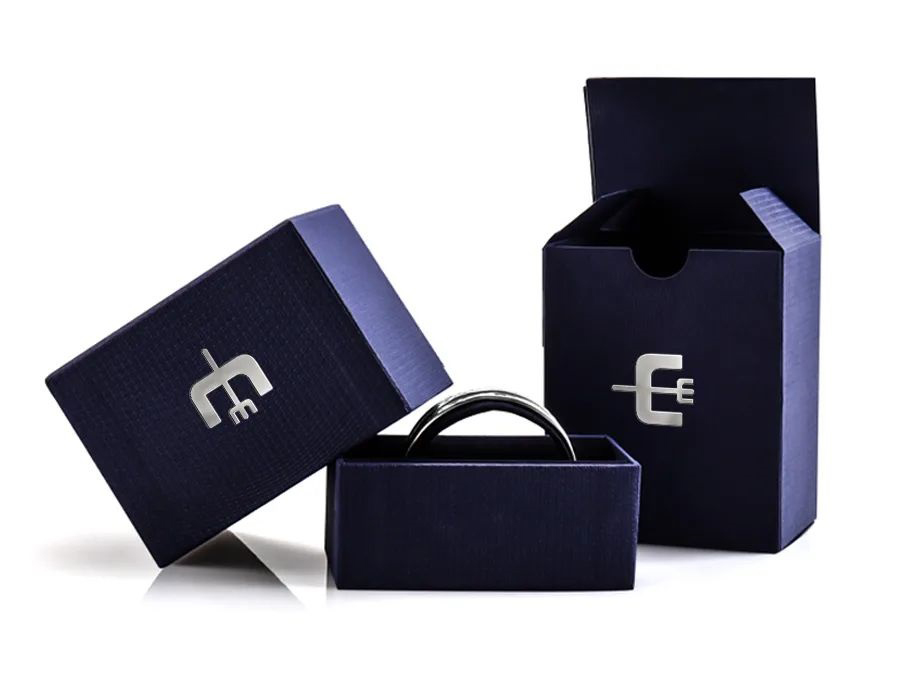
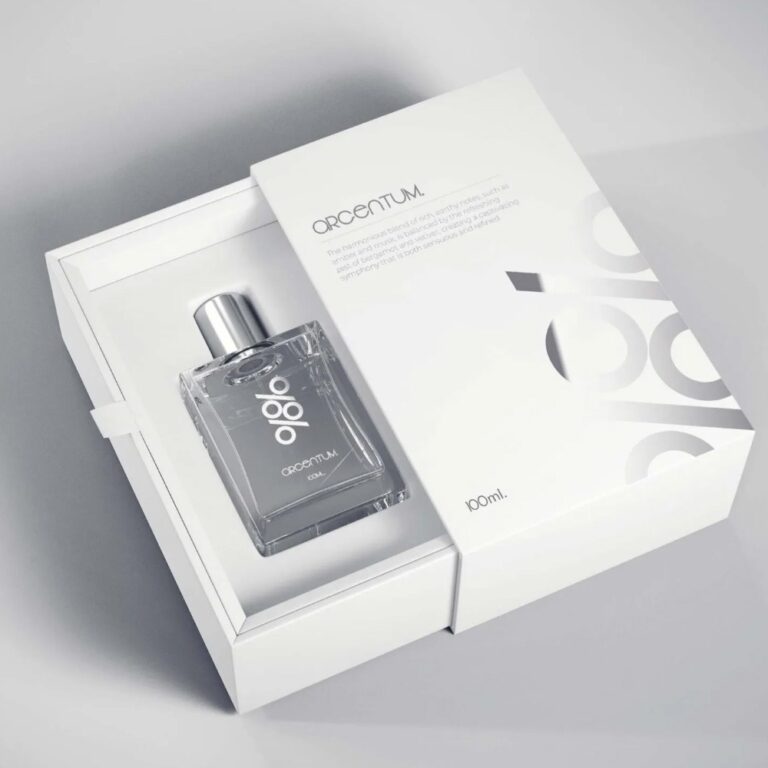
If you want a structure that photographs well, a drawer style box feels premium and keeps the unboxing tidy. A good reference is a sliding jewelry box with a card holder, which naturally creates a “reveal” moment: sliding jewelry drawer box with thank-you card style.
2) Paperboard: durable, flexible, and easy to scale
Paperboard wins because it balances three things you actually need: looks, strength, and supply chain stability.
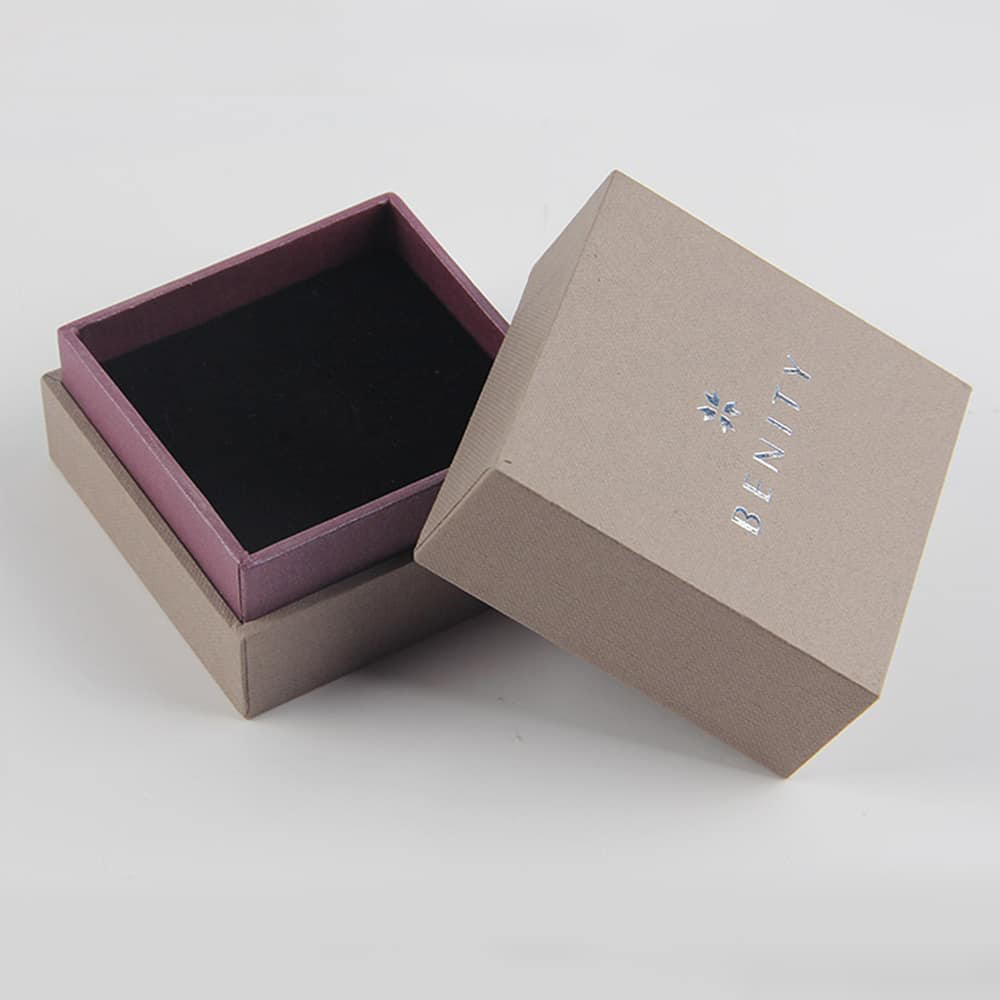
You can do rigid setup boxes for premium lines. You can do lighter structures for high-volume drops. You can also tune surface feel—matte lamination for a modern look, texture paper for a boutique vibe.
If you sell sets (necklace + earrings), pick a structure that supports inserts. Inserts stop product rattle and cut down “it looked messy” complaints.
3) Transparent Window: show the product before the box opens
People buy jewelry with their eyes. A clear window lets them see the sparkle right away. It also helps in retail because staff don’t need to open every box during display.
Windows work best when you use them on:
Gift-ready items (rings, pendants, small sets)
Limited editions
Influencer PR kits (because the first shot matters)
4) Protection: fit, closure, and inserts reduce shipping risk
Damage isn’t only about rough shipping. Poor fit causes problems too. If the insert is loose, the jewelry rubs, tangles, or shifts. That’s how you get scratches and “it arrived looking used” complaints.
For protection, think like ops:
Right-size the cavity so the jewelry can’t move.
Use EVA/foam/velvet inserts for delicate pieces.
Choose a closure that doesn’t pop open in transit (magnetic lid, drawer sleeve, or lift-off with tight tolerance).
If you ship cross-border, you’ll also care about pack-out speed. Inserts that “drop in” cleanly reduce packing time and mistakes during peak season.
5) Boosting Sales and profit: packaging supports conversion and repeat buys
Personalized packaging helps sales in two quiet ways.
First, it raises perceived value. People accept premium pricing more easily when the full experience matches. Second, it increases repeat purchase. A customer who keeps your box remembers your name.
Here are real-world scenarios where packaging pulls weight:
Marketplace sellers: packaging becomes your brand identity when your product listing looks generic.
DTC brands: unboxing turns into content. Content turns into traffic.
Wholesale/distributors: consistent packaging reduces rework and returns across channels.
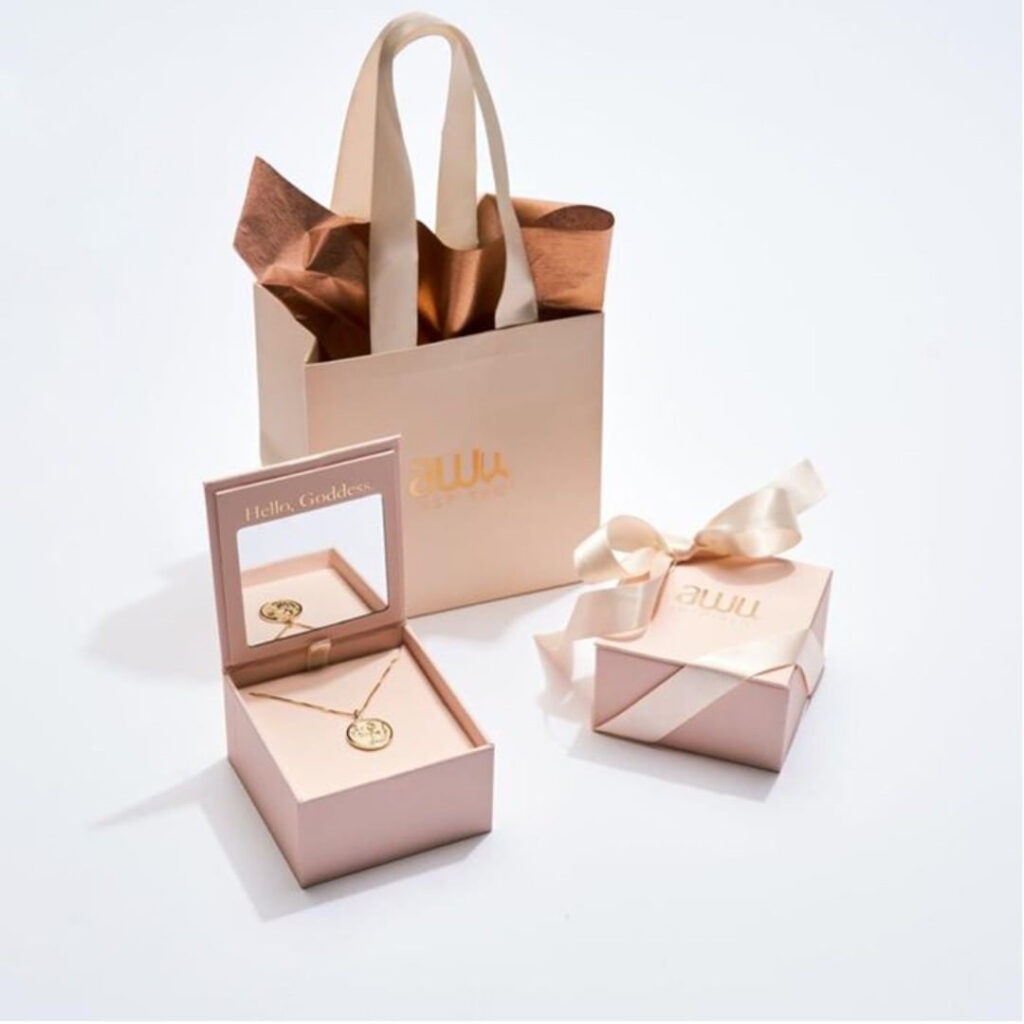
If you ship jewelry in bulk to retailers, you can also add a branded bag for the final handoff. It keeps the presentation consistent at the counter: bulk printed rope-handle retail bags for jewelry.
6) Logo, color, printing, inserts, and hot foil stamping: build the premium feel in details
This is where “luxury” becomes real. Not because you say it, but because the customer feels it.
You can mix:
Gold hot foil stamping for logos (high contrast, clean shine)
7) Packaging consistency: align jewelry boxes, gift bags, and inserts
A single beautiful box won’t save you if everything else looks random.
Consistency means:
Same logo rules (size, placement, clear space)
Same finish family (all matte, or all soft-touch, not mixed)
Same “open” experience across SKUs (drawer opens the same way, lids fit the same way)
This matters for brand owners. It matters even more for agencies and design studios, because you need your clients’ packaging to look controlled across product lines.
If you want to browse structures and standard styles, start from your catalog page: products. When you’re ready, you can also route the project through a single team and keep specs tight across SKUs.
8) Special occasions: wedding, anniversary, holiday, and “keepsake” moments
Jewelry often rides on emotion. Packaging should support that.
The easiest upgrades for special occasions:
Date or short message inside the lid
Ribbon color swap for seasonal drops
A small thank-you card slot
A “keepsake” structure customers don’t throw away (rigid setup or magnetic)
9) Sustainability: recyclable materials matter, but your buyer still cares about quality
You don’t need a long speech about eco packaging. You need a clean, believable choice.
Paper-based packaging makes that easier. You can right-size the box to reduce wasted space. You can also avoid overly complex mixed materials when your customer expects recycling-friendly choices.
At the same time, don’t let “eco” become an excuse for flimsy structure. If the box bends, your brand takes the hit.
A quick build plan you can hand to your team
Step
What you decide
What you hand your supplier
Common pitfall to avoid
Structure
Drawer / magnetic / lift-off
Reference photo + product size
Picking a box before you confirm insert needs
Print
CMYK + Pantone match
Logo file + color targets
Unclear brand color rules
Finish
Matte / soft-touch / foil / UV
Finish reference + priority list
Using too many effects at once
Insert
EVA / foam / velvet
Product outline + fit preference
Loose fit that lets jewelry move
Scale
MOQ + lead time + QC checkpoints
Forecast ranges + ship method
Testing only one SKU and assuming it fits all
Where Zhibang fits in your workflow
If you’re buying in bulk, running OEM/ODM projects, or supporting multiple channels, you’ll want a supplier that can keep specs stable and move fast with clear communication.
You can start at the Zhibang homepage and scan capabilities. If you need supplier background for your vendor file, use about us. When you’re ready to kick off a quote, go straight to contact us.