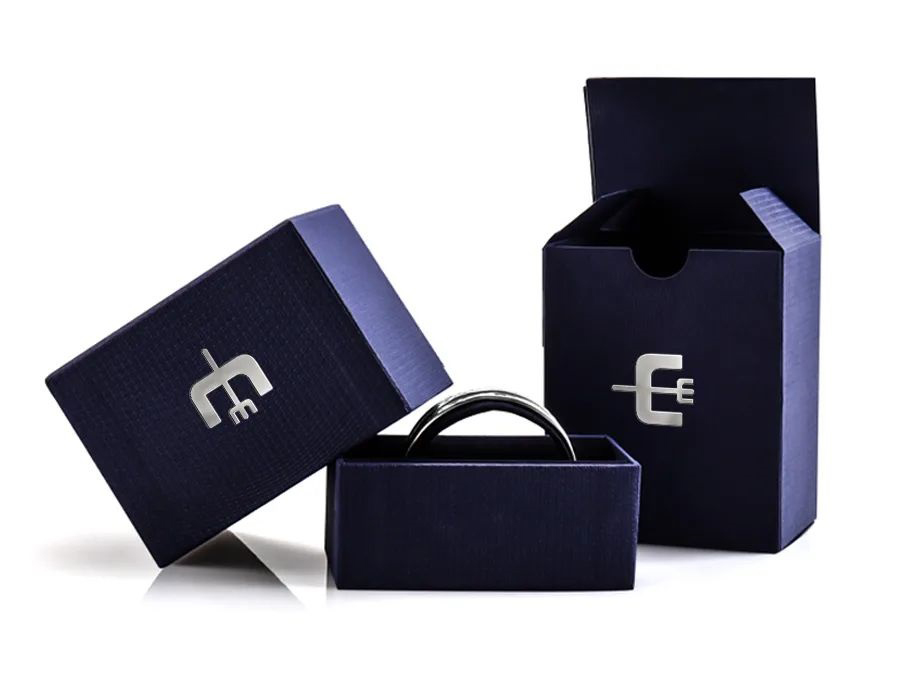
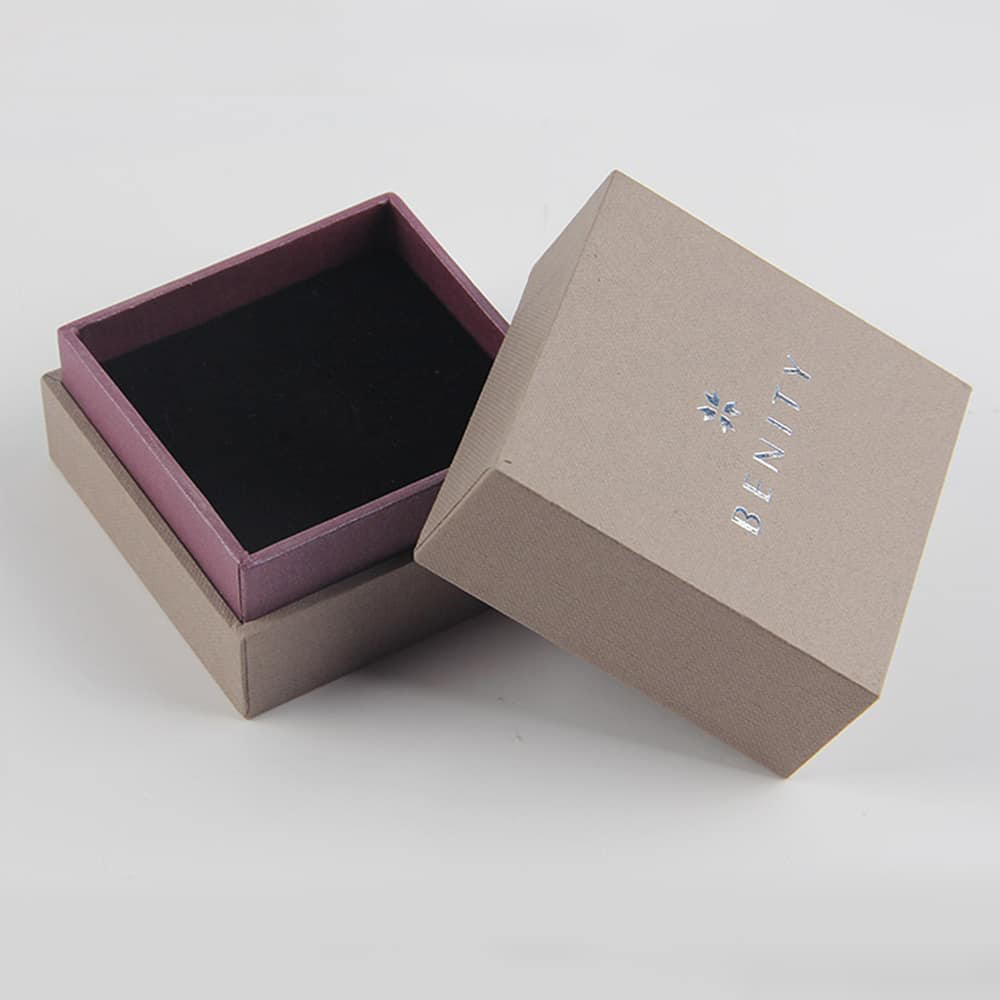
إذا تجاوزت مخاوفك هيكل التغليف أو التفاصيل الفنية، فإن فريقنا الإداري مستعد للتدخل. يمكنك التحدث معنا مباشرةً بشأن التسعير أو الجداول الزمنية العاجلة أو المتطلبات الخاصة أو المشكلات التي لم يتم حلها والتي تحتاج إلى قرارات على مستوى أعلى للمشروع.
نحن نركز على إيجاد حلول عملية تحافظ على تقدم مشروع التعبئة والتغليف الخاص بك، سواء كان ذلك يعني مراجعة التكاليف أو تعديل خطط الإنتاج أو تنسيق تفاصيل التصدير أو مناقشة التعاون طويل الأجل في مجال البيع بالجملة.
تحدث إلى مهندس التغليف
الفريق الهندسي
احصل على إرشادات الخبراء بشأن هيكل الصندوق، واختيار الورق المقوى، وإعداد خط الإنتاج، والطباعة، والتشطيب، وموك وموك وأخذ العينات وتفاصيل الإنتاج قبل البدء في عرض أسعار التغليف المخصص.
تغطي هندسة التعبئة والتغليف عادةً الهيكل والمواد وعملية التصنيع وكفاءة التكلفة وحماية المنتج، لذا فإن هذه الصياغة تتماشى مع نقاط قرار التغليف الحقيقي للعلامة التجارية.
استكشاف مزايا استخدام التغليف المخصص للمجوهرات في تغليف المجوهرات
يمكنك بيع مجوهرات رائعة ومع ذلك تخسر اللحظة. يحدث ذلك عندما تبدو العلبة رخيصة، أو عندما لا يكون الغلاف رخيصاً، أو عندما تبدو العلبة غير مناسبة، أو عندما تبدو العلبة غير مسطحة على الكاميرا. تغليف المجوهرات المخصص يصلح ذلك. فهو يحمي المنتج، ويحمل علامتك التجارية، ويجعل عميلك يشعر وكأنه اشترى شيئًا “يستحق الاحتفاظ به”.”
إذا كنت بائع تجزئة أو بائع تجارة إلكترونية عبر الحدود أو موزعًا أو علامة تجارية تنشئ خط إنتاج خاص، فستهتم بنفس الأشياء: الاتساق والسرعة ومراقبة الجودة والتغليف الذي يتناسب مع حجم المنتج. هذا هو المجال الذي تعمل فيه Zhibang - التغليف الورقي المخصص، ودعم تصنيع المعدات الأصلية/التصنيع حسب الطلب، والإنتاج بالجملة من شنتشن.
قبل أن ننتقل إلى نقطة تلو الأخرى، إليك وجهة نظر عملية يمكنك استخدامها في الاجتماعات.
الميزة (ما تحصل عليه)
ما تقوم بتخصيصه
حيث يظهر بسرعة
ما تقيسه (بدون رياضيات، فقط إشارات)
رفع العلامة التجارية
الشعار واللون واللمسة النهائية والهيكل
فتح العلبة والرفوف والصور
المزيد من الطلبات المتكررة، ومراجعات أفضل، وقيمة متصورة أعلى
حماية أفضل
إدخال، لوح صلب، إغلاق
الشحن، والإرجاع، والإهداء
عدد أقل من الوحدات التالفة، وعدد أقل من رسائل “وصلت معطلة”
المزيد من اللحظات القابلة للمشاركة
نافذة، وشريط، وبطاقة شكر
TikTok/IG، بذر المؤثرين
المزيد من المحتوى الغني بالمعلومات، والمزيد من المنشورات الموسومة، وزيادة التحويلات
عمليات أكثر سلاسة
الخطوط القياسية والطباعة على دفعات
موسم الذروة، قطرات جديدة
تقليل أخطاء التعبئة والتغليف، وسرعة الإنجاز
قصة الاستدامة الأنظف
ورق مقوى قابل لإعادة التدوير، بحجم مناسب
صفحات العلامة التجارية، ملاحظات المسؤولية الاجتماعية للشركات
مقاومة أقل من العملاء، وحديث أسهل عن الامتثال
1) ظهور العلامة التجارية: التغليف كنقطة اتصال للعلامة التجارية
صندوقك هو أول “متجر” يزوره عميلك. لذا لا تهدره.
عندما تضيف شعاراً وألواناً متناسقة وتخطيطاً نظيفاً، فإنك تبني شهرة دون إنفاق إضافي على الإعلانات. هذا مهم أكثر إذا كنت تبيع في الأسواق. تبدو صفحة منتجك مثل أي شخص آخر. لا يجب أن تكون عبواتك كذلك.
دليل اللعب البسيط يعمل بشكل جيد:
ضع شعارك على الغطاء (أو غلاف الدرج).
احتفظ بلون واحد قوي للعلامة التجارية وآخر محايد.
أضف سطراً واحداً قصيراً داخل الغطاء، مثل الوعد أو ملاحظة العناية.
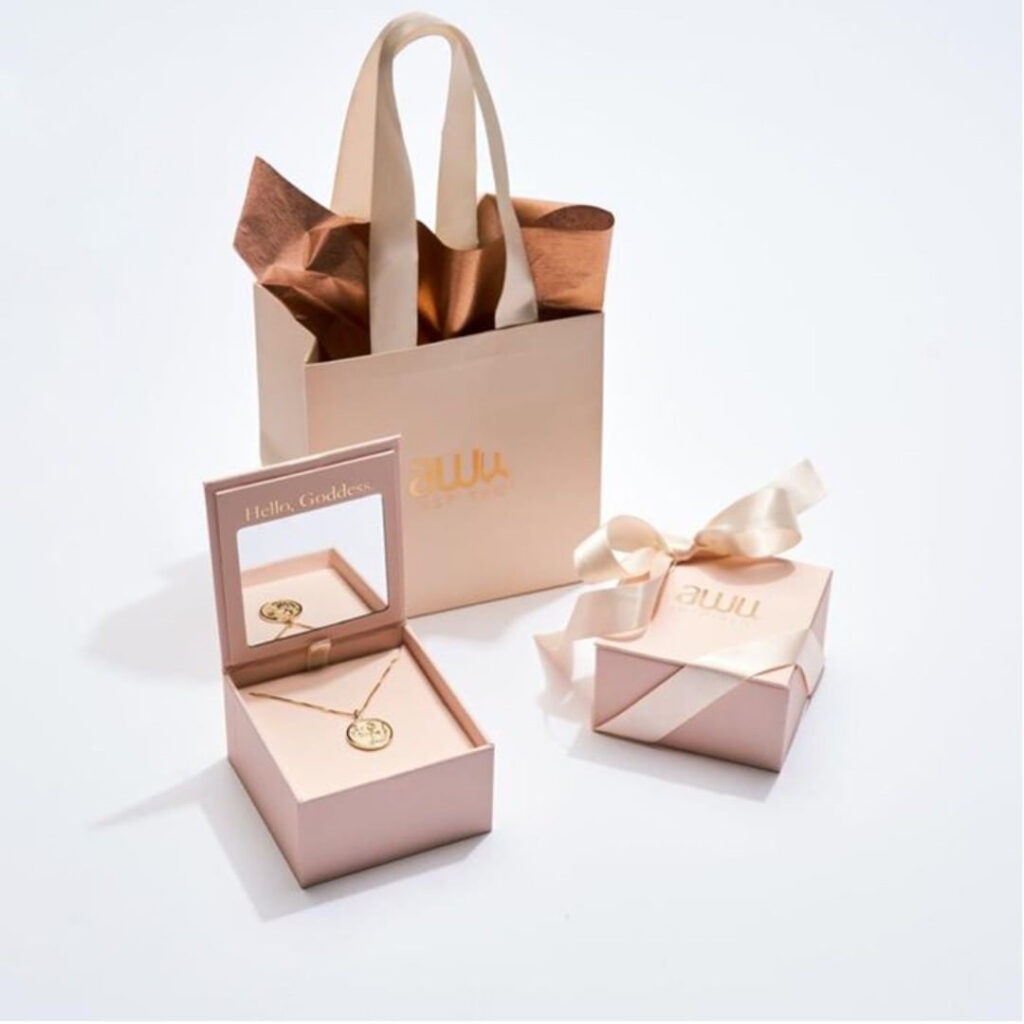
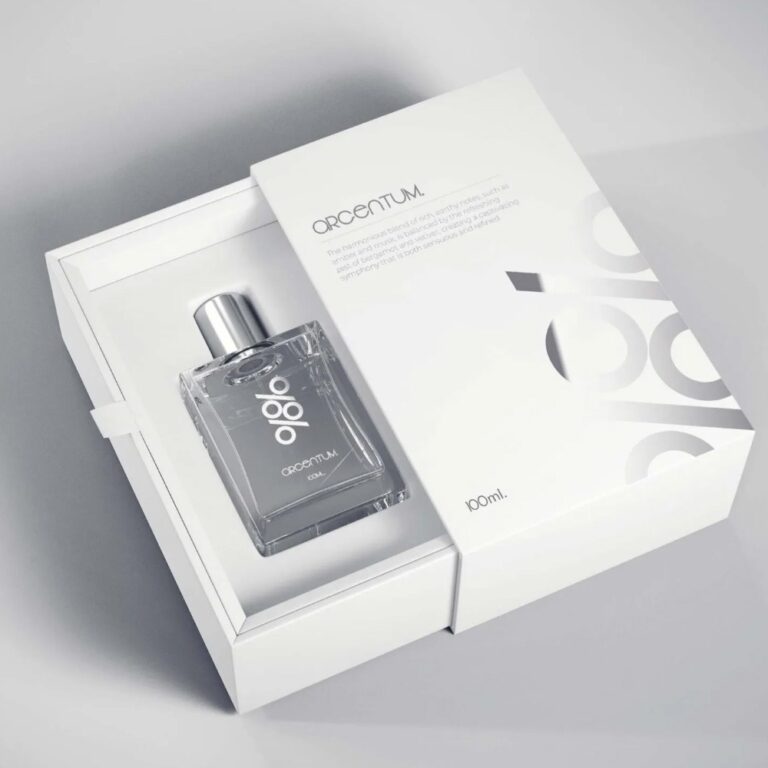
إذا كنت ترغب في الحصول على هيكل يصور بشكل جيد، فإن الصندوق بنمط الدرج يعطي شعوراً بالتميز ويحافظ على ترتيب فتح العلبة. مرجع جيد هو صندوق مجوهرات منزلق مع حامل بطاقات، مما يخلق بطبيعة الحال لحظة “كشف”: صندوق درج المجوهرات المنزلق بنمط بطاقة شكر وتقدير.
2) الورق المقوى: متين ومرن وسهل القياس
يفوز الورق المقوى لأنه يوازن بين ثلاثة أشياء تحتاجها بالفعل: المظهر والقوة واستقرار سلسلة التوريد.
يمكنك عمل صناديق إعداد صلبة للخطوط الممتازة. ويمكنك عمل هياكل أخف وزنًا للقطرات ذات الحجم الكبير. يمكنك أيضًا ضبط ملمس السطح - تصفيح غير لامع لمظهر عصري، وورق ذو ملمس مميز لمظهر عصري.
إذا كنت تبيع أطقم (قلادة + أقراط)، فاختر هيكلاً يدعم الإدخالات. فالإدخالات توقف خشخشة المنتج وتقلل من شكاوى “تبدو فوضوية”.
يشتري الناس المجوهرات بأعينهم. تتيح لهم النافذة الشفافة رؤية البريق على الفور. كما أنها تساعد في البيع بالتجزئة لأن الموظفين لا يحتاجون إلى فتح كل صندوق أثناء العرض.
تعمل النوافذ بشكل أفضل عندما تستخدمها في وضع التشغيل:
عناصر جاهزة للهدايا (خواتم وقلادات وأطقم صغيرة)
إصدارات محدودة
مجموعات العلاقات العامة للمؤثرين (لأن اللقطة الأولى مهمة)
4) الحماية: الملاءمة والإغلاق والإضافات تقلل من مخاطر الشحن
لا يتعلق التلف بالشحن الخشن فقط. سوء التركيب يسبب مشاكل أيضاً. إذا كانت الحشوة فضفاضة، تحتك المجوهرات أو تتشابك أو تتحرك. هكذا تحصلين على خدوش وشكاوى “لقد وصلت تبدو مستعملة”.
للحماية، فكر مثل العمليات:
قم بتحديد حجم التجويف بشكل صحيح حتى لا تتحرك المجوهرات.
استخدم حشوات EVA/الفوم/المخمل للقطع الرقيقة.
اختر غلقاً لا ينفتح أثناء النقل (غطاء مغناطيسي أو غلاف درج أو غلاف درج أو غلق محكم الإغلاق).
إذا كنت تشحن عبر الحدود، فسوف تهتم أيضًا بسرعة التعبئة والتغليف. إن الإدخالات التي “تسقط” بشكل نظيف تقلل من وقت التعبئة والأخطاء خلال موسم الذروة.
5) زيادة المبيعات والأرباح: تدعم التعبئة والتغليف التحويل وتكرار الشراء
يساعد التغليف المخصص في المبيعات بطريقتين هادئتين.
أولاً، يرفع من القيمة المتصورة. يتقبل الناس الأسعار الممتازة بسهولة أكبر عندما تتطابق التجربة الكاملة. ثانياً، يزيد من تكرار الشراء. فالعميل الذي يحتفظ بصندوقك يتذكر اسمك.
فيما يلي سيناريوهات واقعية حيث يكون للتغليف تأثيره:
بائعو السوق:: تصبح العبوة هوية علامتك التجارية عندما تبدو قائمة منتجاتك عامة.
العلامات التجارية DTC:: فتح العلبة يتحول إلى محتوى. يتحول المحتوى إلى حركة مرور.
البيع بالجملة/الموزعون:: يقلل التغليف المتسق من إعادة العمل والمرتجعات عبر القنوات.
لن ينقذك صندوق واحد جميل إذا كان كل شيء آخر يبدو عشوائيًا.
الاتساق يعني:
نفس قواعد الشعار (الحجم، الموضع، المساحة الخالية)
نفس عائلة اللمسات النهائية (كلها غير لامعة أو كلها ناعمة الملمس، غير مختلطة)
نفس تجربة “الفتح” عبر وحدات حفظ المخزون (الدرج يفتح بنفس الطريقة، والأغطية تناسب نفس الطريقة)
هذا الأمر مهم لأصحاب العلامات التجارية. وهو مهم أكثر بالنسبة للوكالات واستوديوهات التصميم، لأنك تحتاج إلى أن تبدو عبوات عملائك مضبوطة عبر خطوط الإنتاج.
إذا كنت ترغب في تصفح الهياكل والأنماط القياسية، ابدأ من صفحة الكتالوج: المنتجات. عندما تكون جاهزًا، يمكنك أيضًا توجيه المشروع من خلال فريق واحد والحفاظ على المواصفات محكمة عبر وحدات حفظ المخزون.
9) الاستدامة: المواد القابلة لإعادة التدوير مهمة، لكن المشتري لا يزال يهتم بالجودة
لا تحتاج إلى خطاب طويل عن التغليف البيئي. أنت بحاجة إلى خيار نظيف ومعقول.
التغليف الورقي يجعل ذلك أسهل. يمكنك تحديد الحجم المناسب للصندوق لتقليل المساحة المهدرة. يمكنك أيضًا تجنب المواد المختلطة المعقدة للغاية عندما يتوقع عميلك خيارات صديقة لإعادة التدوير.
وفي الوقت نفسه، لا تدع كلمة “صديق للبيئة” تصبح عذرًا للهيكل الضعيف. إذا انحنى الصندوق، فستتلقى علامتك التجارية الضرر.
خطة بناء سريعة يمكنك تسليمها لفريقك
الخطوة
ما تقرره أنت
ما تسلمه للمورد الخاص بك
المزالق الشائعة التي يجب تجنبها
الهيكل
درج/مغناطيسي/مغناطيسي/رفع
صورة مرجعية + حجم المنتج + حجم المنتج
اختيار صندوق قبل تأكيد احتياجات الإدراج
الطباعة
CMYK + بانتون مطابق
ملف الشعار + أهداف الألوان
قواعد ألوان العلامة التجارية غير واضحة
الإنهاء
غير لامع / ناعم الملمس / رقائق معدنية / أشعة فوق البنفسجية
إنهاء المرجع النهائي + قائمة الأولويات
استخدام الكثير من المؤثرات في وقت واحد
إدراج
إيفا / رغوة / مخملية
مخطط المنتج + تفضيلات الملاءمة
مقاس فضفاض يسمح للمجوهرات بالحركة
المقياس
موك + المهلة الزمنية + نقاط فحص مراقبة الجودة
نطاقات التنبؤ + طريقة الشحن
اختبار وحدة SKU واحدة فقط وافتراض أنها تناسب الجميع
أين يناسب Zhibang في سير عملك
إذا كنت تشتري بالجملة، أو تدير مشاريع تصنيع المعدات الأصلية/التصنيع حسب الطلب، أو تدعم قنوات متعددة، فستحتاج إلى مورد يمكنه الحفاظ على ثبات المواصفات والتحرك بسرعة مع التواصل الواضح.
يمكنك البدء من الصفحة الرئيسية لزيبانغ وإمكانيات المسح الضوئي. إذا كنت بحاجة إلى خلفية المورد لملف المورد الخاص بك، استخدم نبذة عنا. عندما تكون مستعدًا لبدء عرض الأسعار، انتقل مباشرةً إلى اتصل بنا.