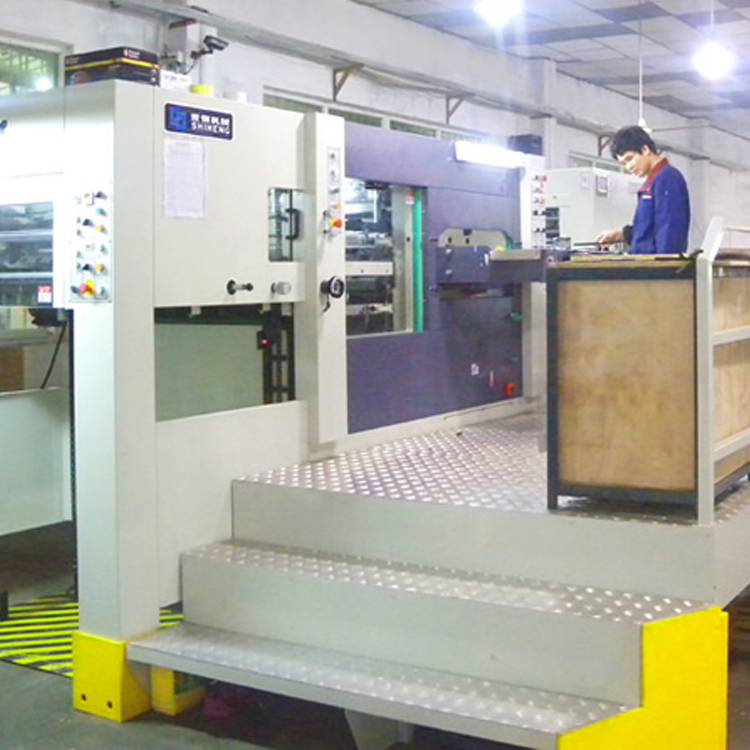
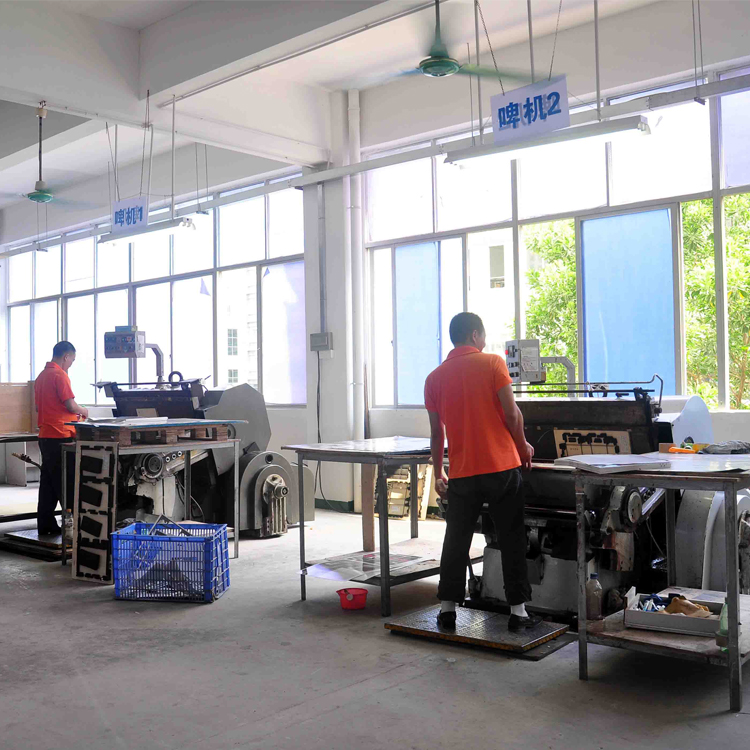
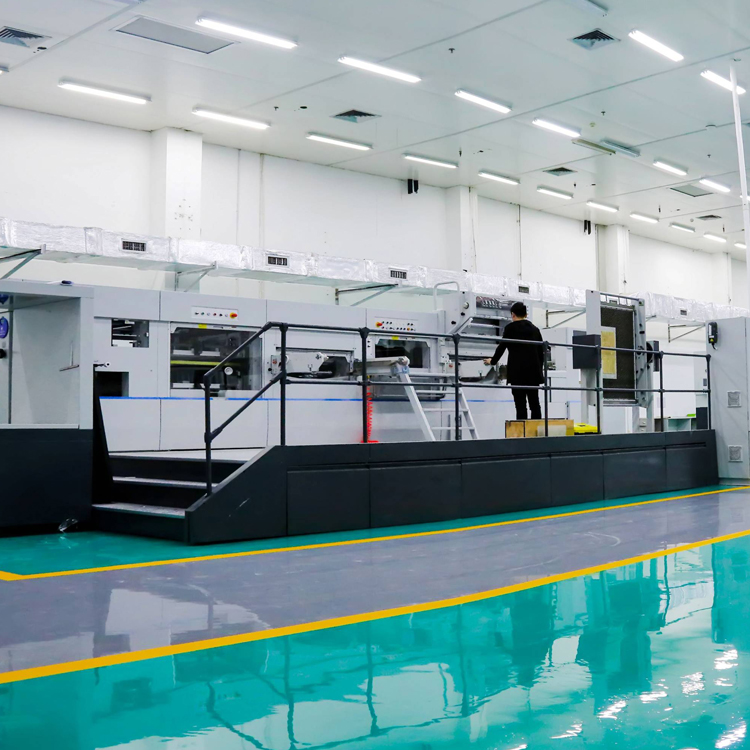
If your concern goes beyond packaging structure or technical details, our managing team is ready to step in. You can speak with us directly about pricing, urgent timelines, special requirements, or unresolved issues that need higher-level project decisions.
We focus on finding practical solutions that keep your packaging project moving forward, whether that means reviewing costs, adjusting production plans, coordinating export details, or discussing long-term wholesale cooperation.
Talk to Packaging Engineer
Engineering Team
Get expert guidance on box structure, paperboard selection, dieline setup, printing, finishing, MOQ, sampling, and production details before starting your custom packaging quote.
Packaging engineering typically covers structure, materials, manufacturing process, cost efficiency, and product protection, so this wording is aligned with real branded packaging decision points.
How To Solve the Problem of Explosion Angle and Crack in Color Box Processing!
If you’ve ever opened a carton sample and heard that tiny “snap” at the corner, you already know the pain. One bad crease can turn a clean premium box into a return, a bad review, or a full batch on hold.
At Zhibang (a Shenzhen paper packaging factory focused on custom boxes & printing, OEM/ODM, and bulk wholesale), we see this most in high-expectation runs: cosmetics, electronics, jewelry, and gift sets—anything with tight corners, heavy ink coverage, lamination, foil, or fast packing lines. If you’re building scale for retail or cross-border fulfillment, you can’t afford random corner cracks.
Below is a practical, shop-floor way to fix explosion angle and crease cracking—with the same root causes that show up again and again on real production lines.
Internal links used in this article come from your zhibangpack.json site data.
Explosion angle and crease cracking in color box processing
“Explosion angle” usually means the corner fibers can’t stretch or fold cleanly, so the edge splits, whitens, or breaks open during folding/gluing. “Crack” often shows up on the outer surface (lamination/varnish/ink layer) first, then the paper follows.
A fast rule on the line:
If only the surface film cracks, suspect lamination + crease depth + burrs.
If the paper fibers split, suspect crease geometry + grain direction + moisture + pressure.
Root cause table for explosion angle and crack
Root cause keyword
What you’ll see on the box
Quick check on the line
Fix that usually works
What it saves you
Debris in creasing groove
Random cracking along one crease
Open the make-ready and inspect grooves
Clean grooves + set cleaning frequency
Cuts surprise scrap spikes
Misregistration / sheet shift
Cracks repeat in the same spot/side
Compare print/cutting register marks
Lock register + re-mount die + tighten feed
Stabilizes mass runs
Steel rule & crease width mismatch
Deep white line, fiber split
Measure board caliper + compare to rule/matrix
Match rule height + crease channel
Fewer “looks fine flat, breaks on fold” cases
Burrs on steel rule / poor cutting edge
Film cracks first, paper may survive
Feel edge with finger (carefully) + inspect corners
Deburr/replace rule, polish joints
Cleaner folding on laminated jobs
Bad die joint / splice point
Crack starts at one corner repeatedly
Find joint locations on die
Smooth joint transitions
Stops repeat defects at one point
Creasing knife position offset
Corner bursts, crease line looks skewed
Compare crease location to channel center
Re-center creasing knives
Better corner strength
Over-deep creasing
Film “spider cracks”, sharp fold mark
Compare crease depth across sheet
Reduce pressure / adjust matrix
Better premium look
Low humidity / dry board
More cracking in winter/AC room
Check RH + board feel (brittle)
Control storage RH, condition board
Less season-based failure
Grain direction wrong
Cracks worsen on one folding direction
Tear test / grain check
Rotate layout or change structure
More predictable folding
Die-cutting and creasing setup
Debris in the creasing groove
This one sounds too simple, but it’s a top offender. Dust, paper lint, glue mist, or coating flakes get into the creasing groove. The pressure concentrates in one tiny spot, then the fold line “pops” open.
What to do
Add a “groove wipe” to make-ready and shift change.
If the job runs long, schedule groove cleaning by sheets or hours, not “when it looks bad.”
Treat it like a standard QC checkpoint, not a rescue move.
Misregistration / sheet shift
When the sheet drifts, the steel rule no longer lands in the channel the way it should. You get uneven compression, then cracking—usually on the same side of the box, same crease.
What to do
Lock feeder settings and side lay.
Re-check register after speed-up (a lot of jobs start clean, then drift at production speed).
Don’t “fix” misregistration with more pressure. That’s how corners explode faster.
Steel rule thickness and crease width mismatch
If you use a crease channel that’s too narrow, you crush fibers instead of guiding the fold. Too wide, and the fold becomes sloppy, then the corner takes the stress.
What to do
Match crease geometry to board thickness and box style (especially shoulder boxes, long narrow cartons, and tight corners).
For premium folding cartons, tune crease width to get a fold that’s clean but not razor-sharp.
If you’re producing items like custom folding cartons or retail cartons that must look perfect under store lights, this setup step matters more than any “after-the-fact” fix.
Burrs on steel rule and poor cutting edge
Burrs behave like tiny knives. On laminated sheets, they start a micro-tear in the film. Once folding begins, that tear grows into a visible crack line.
What to do
Deburr or replace steel rules when you see repeat surface cracks.
Pay extra attention at corners, die joints, and high-pressure areas.
If the job includes foil or heavy ink, assume the surface layer is less forgiving.
Die joint / splice point problems
If a crack always starts at the same corner, look for the die joint. A rough joint creates a stress point. The paper remembers.
What to do
Smooth and blend joint transitions.
Don’t accept “it’s only a small bump.” That bump becomes a visible split after folding.
Creasing knife position offset
Even with correct channel width, if the creasing knife sits off-center, you load one wall of the channel more than the other. Corners then burst on the “tight” side.
What to do
Re-center the creasing knife to the channel.
Verify with a few test folds in both directions, not just one.
Lamination, coating, and surface finishing
Film cracking vs paper fiber cracking
A lot of teams lump these together. Don’t. A film crack can happen even when the paper is fine. That’s why you’ll see a carton that “holds” structurally but looks damaged on the shelf.
If your box style uses premium finishes—like many magnetic gift boxes or rigid sets—surface cracking becomes a brand risk, not just a production defect.
What to do
First identify the failure layer: film, ink, or paper.
If it’s film: reduce crease depth, check burrs, consider a matrix that supports a smoother fold radius.
If it’s paper: move to humidity + grain + crease geometry checks.
Over-deep creasing on laminated sheets
Over-deep creasing forces the outer layer to stretch too far, too fast. That’s when you get “spider cracks,” especially on glossy lamination.
What to do
Reduce pressure. Then test fold again.
Adjust matrix style (a small tooling change can outperform a big pressure change).
Keep the fold strong, but let it breathe—sharp isn’t always better.
Material, humidity, and grain direction
Low humidity makes board brittle
Dry board cracks like dry soil. This gets worse in winter or in strong air-conditioned rooms.
What to do
Store board in a controlled area and avoid long exposure near vents.
Condition sheets before converting when the environment swings hard.
Track RH as part of your QC notes, especially on repeat orders.
Grain direction wrong
If grain direction fights the fold, the paper fibers resist bending. Corners then take the hit. This shows up as cracking that’s worse on one fold direction than the other.
What to do
Confirm grain direction during structure planning, not after printing.
For tight corners, choose a layout that allows the main folds to behave predictably.
For premium cartons like lipstick magnetic gift boxes, grain direction mistakes can ruin the “unboxing feel” even if the box passes basic strength checks.
Corrugated cartons and heavy-duty packaging
Flute structure and liner quality
Corrugated behaves differently. Flutes can crush at the crease, then the liner splits—especially on sharp folds and high stacking loads.
What to do
Match flute type to the folding style and corner stress.
Avoid extreme crease pressure that crushes flute structure.
For shipping and logistics runs, prioritize consistent crease performance over overly sharp aesthetics.
If you’re producing custom corrugated cartons with printing for devices or cross-border fulfillment, stable folds reduce pack-out slowdowns and damage claims.
Design stage checks that prevent repeat cracking
Knife line interference and structural stress points
Some cracking is “designed in.” If cut lines, crease lines, and glue areas crowd each other, you create stress points that show up during folding and forming.
What to do
Review dielines with production in mind: fold radius, glue flap behavior, corner stacking.
Add clearance where crease lines meet heavy ink/foil blocks.
Prototype with the real material and finish, not a “close enough” substitute.
Rigid styles like lid and base electronics boxes often look simple but hide stress near shoulders, trays, and tight wrap corners. Catch it early and you skip the late-stage chaos.
A shop-floor checklist for faster troubleshooting
When a customer says, “Corners are cracking,” you don’t want a long meeting. You want a clean checklist.
Confirm the failure layer: film crack or paper fiber split?
Check repeatability: same corner every time = die joint/register/knife position. Random = debris/humidity/pressure drift.
Inspect creasing grooves: clean, no buildup, no dents.
Verify register: don’t chase register problems with pressure.
Review crease geometry: rule + matrix + channel width match the board.
Check burrs and joints: especially on laminated and foil jobs.
Check RH and board conditioning: brittle sheets crack faster.
Confirm grain direction: especially for tight folds and premium cartons.
Why this matters for bulk wholesale, OEM/ODM, and fast turn orders
Explosion angle and cracking don’t just waste material. They burn time—make-ready resets, rework, and shipment delays. For brand owners, the bigger risk is shelf impact: a cracked corner screams “cheap,” even when the product isn’t.
At Zhibang, we build prevention into the workflow: material checks, tooling match, make-ready discipline, and repeatable QC—so your bulk runs don’t rely on luck. If you’re sourcing custom boxes at scale, start with the basics on our homepage, browse categories on the products page, learn how we run factory control on about us, and send specs for a quick production review through contact us.