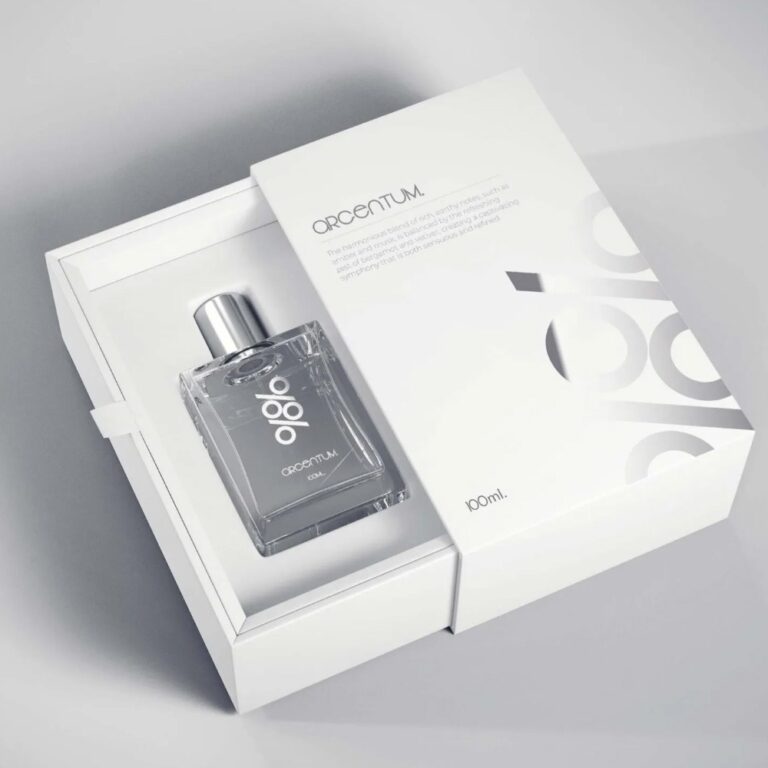
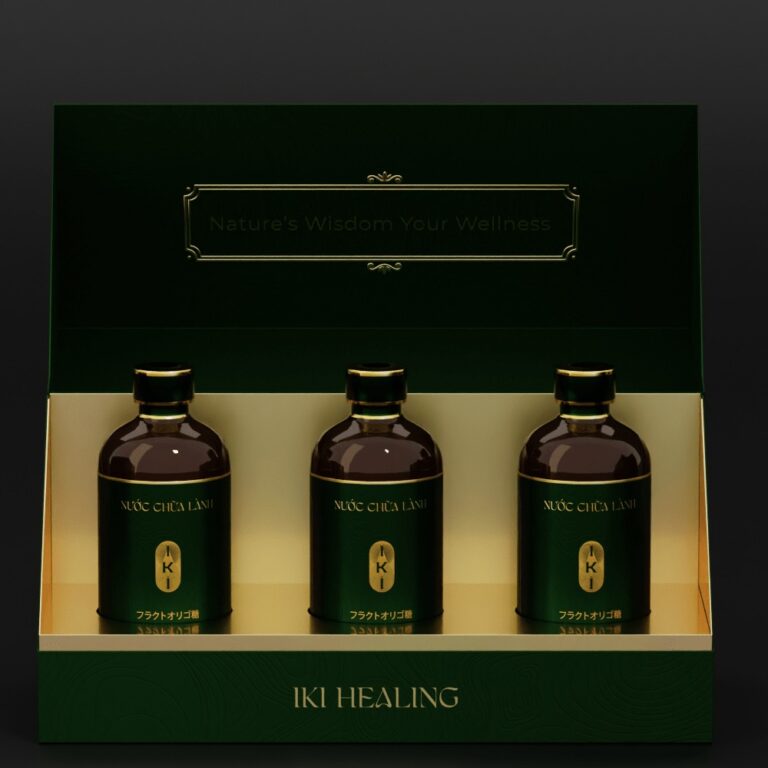
Si votre préoccupation va au-delà de la structure de l'emballage ou des détails techniques, notre équipe de gestion est prête à intervenir. Vous pouvez nous parler directement de prix, de délais urgents, d'exigences particulières ou de problèmes non résolus qui nécessitent des décisions à un niveau plus élevé du projet.
Nous nous attachons à trouver des solutions pratiques pour faire avancer votre projet d'emballage, qu'il s'agisse de revoir les coûts, d'ajuster les plans de production, de coordonner les détails de l'exportation ou de discuter d'une coopération à long terme avec les grossistes.
Discuter avec l'ingénieur en emballage
Équipe d'ingénierie
Obtenez des conseils d'experts sur la structure de la boîte, la sélection du carton, la configuration de la ligne de production, l'impression, la finition, la QMOS, l'échantillonnage et les détails de la production avant de commencer votre devis d'emballage personnalisé.
L'ingénierie de l'emballage couvre généralement la structure, les matériaux, le processus de fabrication, la rentabilité et la protection du produit, de sorte que cette formulation s'aligne sur les points de décision réels en matière d'emballage de marque.
Améliorez votre marque avec des boîtes rigides pour bijoux très tendance
Les bijoux sont minuscules. Les attentes ne le sont pas.
Lorsque quelqu'un paie pour une bague, un pendentif ou un ensemble complet, il veut que l'expérience en vaille la peine. Votre boîte en est la première preuve. S'il se plie, s'érafle ou ressemble à un carton passe-partout, vous perdez ce moment avant même que le client ne touche le produit.
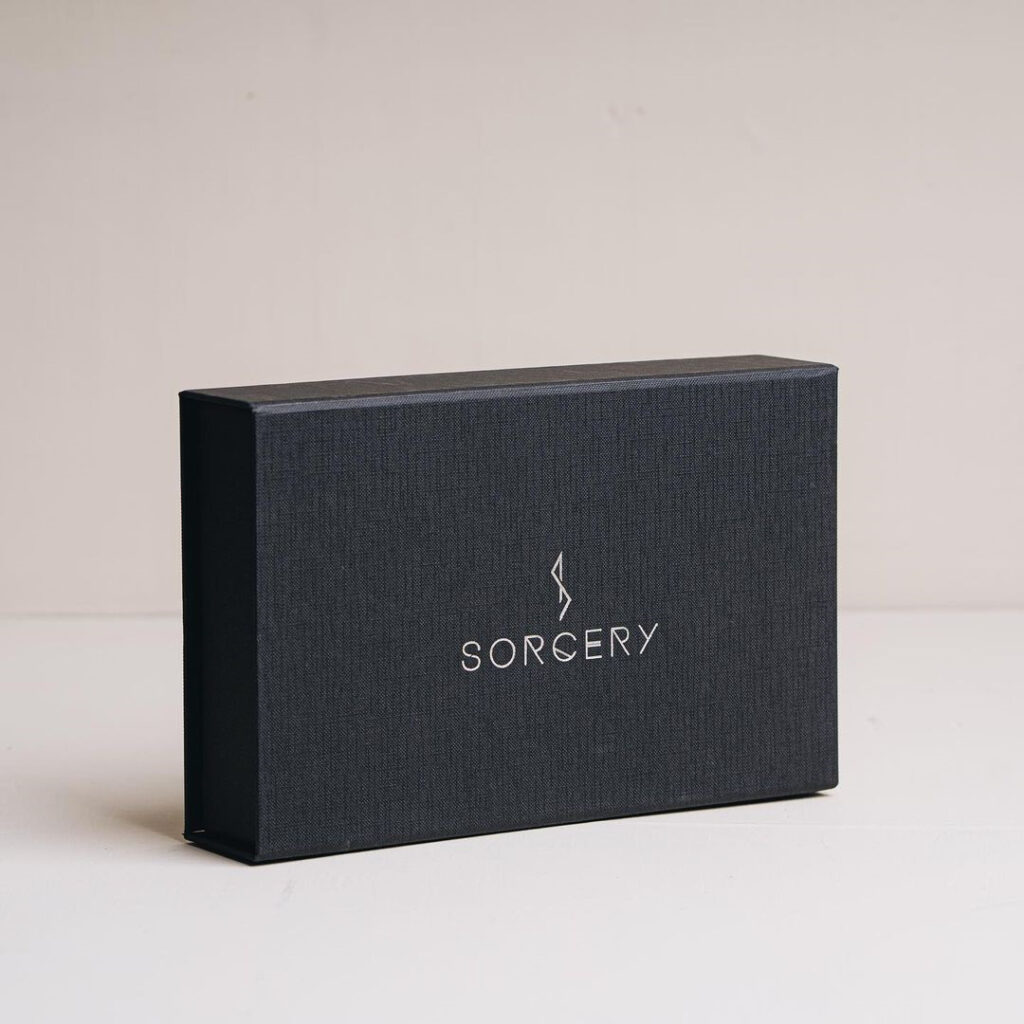
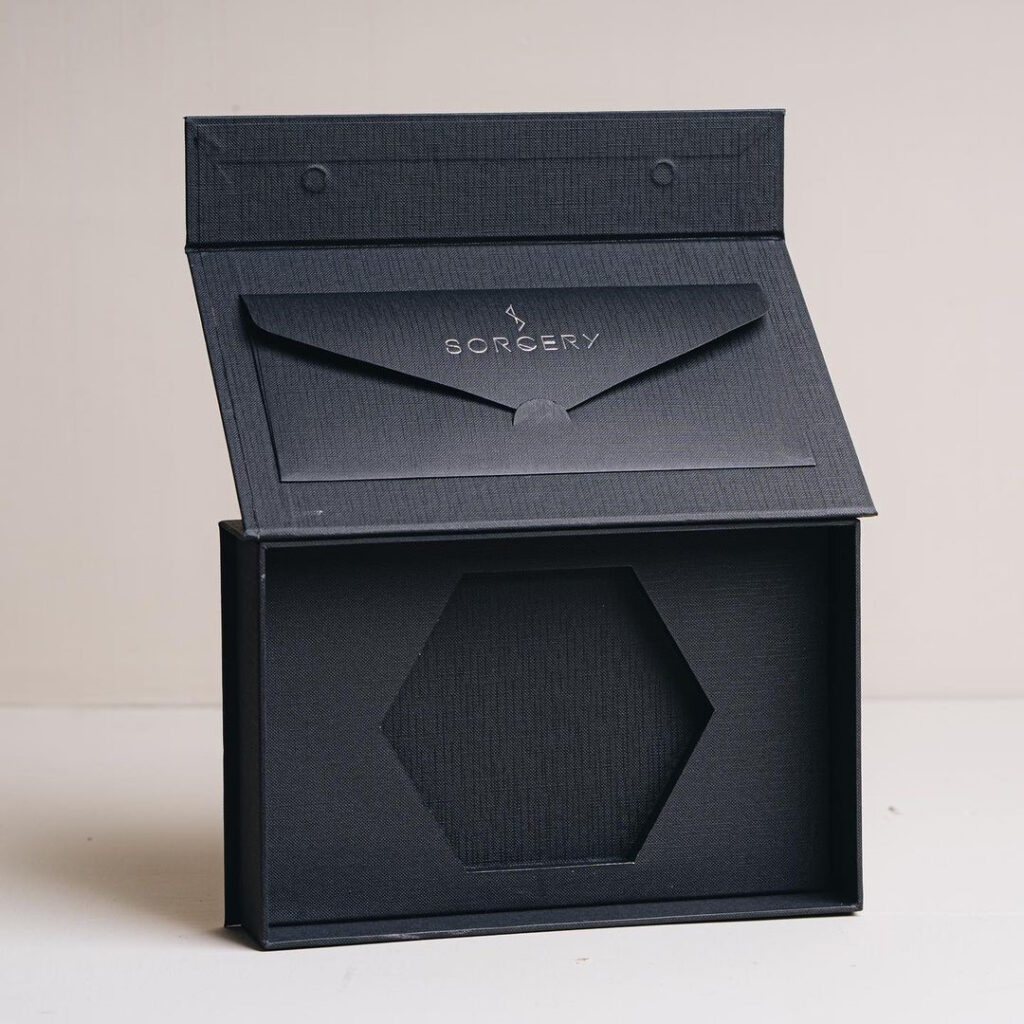
C'est pourquoi boîtes rigides pour bijoux à la mode ne cessent d'apparaître dans les lancements de produits haut de gamme, les renouvellements de vente au détail et le DTC transfrontalier. Elles protègent les pièces délicates, améliorent la sensation de déballage et permettent à votre marque d'être cohérente pour toutes les UGS. Chez Zhibang, nous fabriquons ces boîtes pour les acheteurs en gros, les programmes OEM/ODM et les marques qui ont besoin d'une qualité reproductible et d'un devis rapide, sans que chaque cycle de production ne devienne un jeu de devinettes.
Vous trouverez ci-dessous les éléments clés de l'emballage et la manière de les utiliser dans des scénarios de vente réels.
Des éléments d'emballage qui rehaussent la valeur de la marque
Voici une ventilation rapide que vous pouvez remettre à votre équipe commerciale, à votre concepteur ou à votre responsable de l'approvisionnement avant de procéder à l'échantillonnage.
Élément d'emballage
Ce qu'il résout
Ce qu'il faut spécifier pour la production
Scénario de vente optimal
Forme et taille sophistiquées
L'idée de “grandes boîtes vides = bon marché” n'est plus d'actualité et les transports en commun sont moins secoués.
Taille extérieure, jeu intérieur, type d'insert, tolérance du couvercle
Expédition DTC, présentoirs de vente au détail, UGS fixes
Boîtes multifonctionnelles avec emballage découpé
Crée un déballage “conçu” et aide à l'affichage
Ligne de découpe, taille de la fenêtre, position de la tirette, compartiments
Coffrets-cadeaux, influenceurs, pop-up retail
Une explosion de couleurs
Renforce la mémorisation de la marque et améliore la cohérence entre le rayon et la photo
Couleur cible, type de finition, résistance aux éraflures
Les baisses saisonnières, les plateformes de vente, les lignes multi-SKU
Optez pour des matériaux d'emballage durables
Réduit les dommages causés aux coins et maintient l'aspect premium de la boîte.
Epaisseur du carton, papier d'emballage, revêtement, contrôle des bords
Expédition transfrontalière, distribution en gros
Mécanismes de fermeture innovants
Ajoute du rituel, améliore la réutilisation, donne une impression de haut de gamme
Alignement des aimants, friction des tiroirs, conception du fermoir
Cadeaux haut de gamme, boutiques de détail
Une touche de marque personnalisée grâce à des options personnalisables
Faire de l'emballage un atout pour la marque, et non un contenant
Dorure/embossage, impression intérieure, placement du logo
Magasins de marque, marques de distributeur, lancements dirigés par des agences
Forme et taille sophistiquées
La forme et la taille font plus que “s'adapter au bijou”. Elles indiquent l'importance que vous accordez à votre bijou.
Dimensionnement correct pour les boîtes rigides de bijoux
Si votre boîte est trop grande, le bijou semble perdu. S'il est trop serré, l'insert combat le produit et ralentit l'emballage. L'idéal est simple : le bijou reste stable, le couvercle se ferme proprement et la boîte tient bien dans la main.
Là où la forme et la taille comptent le plus
Le commerce électronique transfrontalier : Vous voulez une protection solide des coins et moins de bosses après les longs trajets. La bonne taille permet également de réduire les espaces vides qui facilitent l'écrasement des boîtes.
Vitesse d'emballage du personnel de vente au détail : Une présentation claire de l'encart permet de faire avancer la chaîne d'emballage. Personne n'a envie de “border et prier” avec du tissu et du ruban adhésif.
Set SKUs : Si vous vendez des combinaisons bague + collier + bracelet, vous avez besoin de compartiments, pas d'une seule cavité ouverte.
Les découpes ne sont pas seulement une décoration. Elles sont un outil fonctionnel pour la présentation, la rapidité et la valeur de conservation.
Fenêtres et compartiments découpés
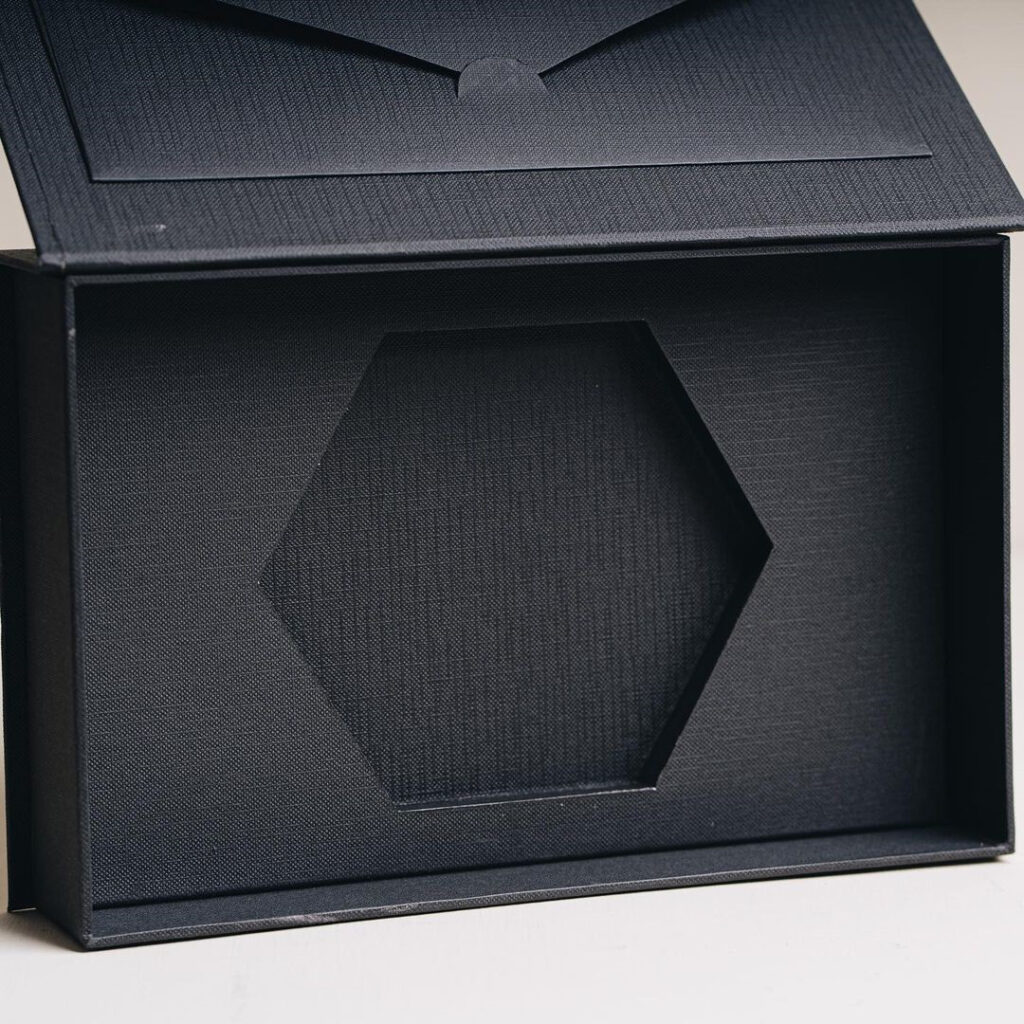
La découpe d'une fenêtre permet de découvrir le produit sans ouvrir complètement la boîte. Les compartiments permettent de séparer les pièces afin que les chaînes ne se nouent pas et que les boucles d'oreilles ne s'égratignent pas. Ajoutez une tirette et l'ouverture de la boîte se fera en douceur et non plus maladroitement.
Utilisations pratiques sur le terrain
Vendeurs de plates-formes et DTC : Une languette découpée permet aux clients d'ouvrir la boîte sans déchirer les coins (et sans avoir à se demander s'ils ont besoin de ciseaux).
Coffrets cadeaux : Un plateau et des compartiments donnent à l'ensemble un aspect organisé, ce qui améliore la qualité perçue.
Présentoir de vente au détail : Les fenêtres conviennent parfaitement aux présentoirs de comptoir où la visibilité rapide des produits est importante.
La couleur est l'un des moyens les plus simples de donner à votre emballage un aspect “design”, en particulier en ligne où la boîte apparaît souvent dans les vignettes et les vidéos de déballage.
Cohérence des couleurs entre les UGS
Les marques rencontrent des difficultés lorsque chaque UGS dérive. Une boîte est blanche et chaude, une autre est grise et froide, et soudain votre ligne de produits semble rafistolée.
Une approche pratique :
Verrouillez une palette principale pour votre ligne de base.
Utilisez de petites modifications (pochettes, rubans, inserts) pour les baisses saisonnières.
Choisissez des finitions qui correspondent à votre canal de vente : le mat se lit bien sur les photos, le brillant s'affiche sur les étagères.
Si vous souhaitez un style de couleur qui mette l'accent sur les cadeaux tout en restant compact pour le rangement, un format magnétique pliable peut parfaitement servir de point de référence : boîte cadeau magnétique pliante rose avec ruban
Optez pour des matériaux d'emballage durables
Une boîte rigide pour bijoux doit être solide au toucher, avoir des angles vifs et résister aux frottements liés à l'expédition. Le terme “durable” n'est pas une vague promesse. C'est ce qui permet d'éviter les bords écrasés, les emballages éraflés et les retours qui nuisent à la réputation de votre marque.
Ce qu'est la durabilité dans la production
Structure rigide du panneau qui résiste à la flexion
Emballage propre qui ne se froisse pas dans les coins
Finition protectrice qui lutte contre les rayures et les empreintes digitales
Stabilité de l'insert pour que les bijoux ne s'entrechoquent pas
Si votre marque vend au-delà des frontières ou expédie ses produits par l'intermédiaire de centres d'exécution, la durabilité devient un outil de conversion. Les clients se souviennent de l'état de la boîte. Un produit haut de gamme qui arrive dans un emballage défraîchi semble mal assorti.
Vous souhaitez une structure rigide éprouvée avec une fermeture sécurisée et une présentation prête à être insérée ? Commencez par un format magnétique rigide et adaptez les dimensions à vos références de bijoux : boîte cadeau magnétique avec support EVA et logo en aluminium
Mécanismes de fermeture innovants
Les fermetures créent un “rituel”. Ce petit moment d'ouverture-fermeture peut donner à votre emballage une impression de qualité supérieure avant même que vous n'y ajoutiez des finitions fantaisistes.
Fermeture magnétique et mécanismes de tiroirs
Deux options populaires :
Couvercle magnétique : Propreté, aspect cadeau et facilité de réutilisation.
Boîte à tiroirs : Le déballage se fait en douceur, ce qui est idéal pour le rangement des bijoux de tous les jours, et permet une ouverture répétée.
Les fermetures résolvent également un véritable problème opérationnel : elles réduisent le besoin d'autocollants supplémentaires ou de ruban adhésif, ce qui permet d'avoir une ligne d'emballage plus propre et une image de marque cohérente.
Une touche de marque personnalisée grâce à des options personnalisables
Une boîte rigide est une surface de marque. Utilisez-la.
La personnalisation n'est pas forcément synonyme de complexité. Elle signifie que vous contrôlez ce dont les clients se souviennent : l'emplacement du logo, la finition et le message à l'intérieur.
Des stratégies de marque qui fonctionnent sur tous les canaux
Logo extérieur : Placement clair, facile à reconnaître sur les étagères et dans les photos.
Message sur le couvercle intérieur : Idéal pour les cadeaux et la communication de la marque sans modifier l'aspect extérieur.
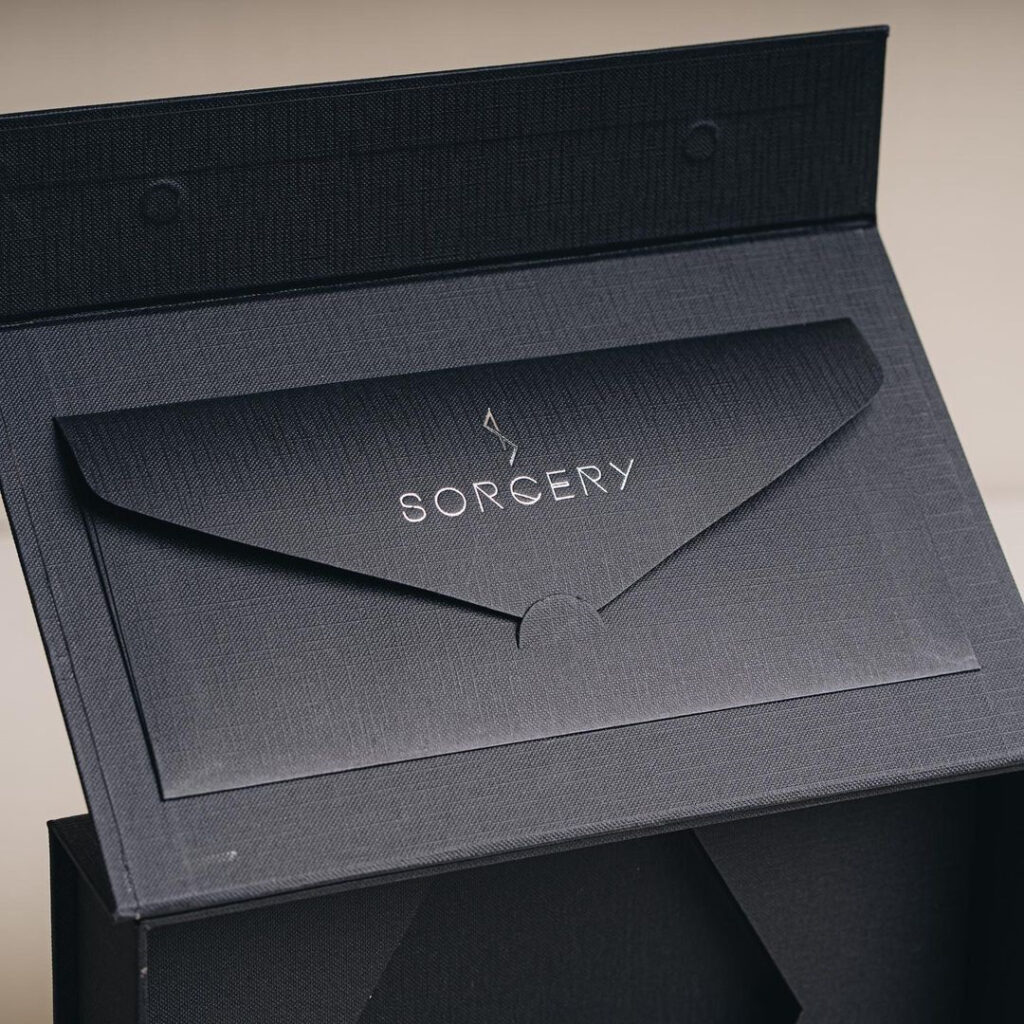
Finitions tactiles : La dorure, le gaufrage ou le débossage peuvent ajouter une texture qui donne l'impression d'être de qualité supérieure sans être tapageuse.
Pour le commerce de détail, ne négligez pas ce qui se passe après le passage en caisse. Un sac de transport à l'effigie de la marque transforme vos clients en publicité ambulante, en particulier dans les centres commerciaux et les pop-ups : sacs cadeaux imprimés en papier avec poignée en corde pour bijoux
OEM/ODM emballage de bijoux en gros
Si vous achetez en gros, deux choses vous importent : l'emballage doit être beau et il doit fonctionner sans problème dans la production. C'est là que l'emballage OEM/ODM prend tout son sens.
Les problèmes les plus fréquents rencontrés par les acheteurs
Les fichiers artistiques ne correspondent pas à la ligne de découpe
Les inserts conviennent à l'échantillon, mais échouent lors de la production en série
Changement de couleur d'un lot à l'autre
L'alignement de l'aimant dérive et les couvercles ne reposent pas à plat
Trop d'UGS avec des différences minimes, ce qui crée un désordre dans les stocks
Comment maintenir le processus propre
Voici une méthode de travail qui permet de gagner du temps et d'éviter les surprises :
Verrouillez votre liste d'UGS et la structure de la boîte principale.
Confirmer la méthode d'insertion (EVA, mousse, plateau en velours ou support en carton).
Approuver un échantillon de pré-production avec de vrais bijoux à l'intérieur.
Définir des points de contrôle pour l'enroulement des coins, l'alignement des fermetures et la cohérence de l'impression.
La mise à l'échelle à l'aide d'une fiche technique reproductible permet de stabiliser les commandes.
Si vous souhaitez explorer des structures ou lancer un appel d'offres, utilisez ces pages comme points de départ internes :