إذا تجاوزت مخاوفك هيكل التغليف أو التفاصيل الفنية، فإن فريقنا الإداري مستعد للتدخل. يمكنك التحدث معنا مباشرةً بشأن التسعير أو الجداول الزمنية العاجلة أو المتطلبات الخاصة أو المشكلات التي لم يتم حلها والتي تحتاج إلى قرارات على مستوى أعلى للمشروع.
نحن نركز على إيجاد حلول عملية تحافظ على تقدم مشروع التعبئة والتغليف الخاص بك، سواء كان ذلك يعني مراجعة التكاليف أو تعديل خطط الإنتاج أو تنسيق تفاصيل التصدير أو مناقشة التعاون طويل الأجل في مجال البيع بالجملة.
تحدث إلى مهندس التغليف
الفريق الهندسي
احصل على إرشادات الخبراء بشأن هيكل الصندوق، واختيار الورق المقوى، وإعداد خط الإنتاج، والطباعة، والتشطيب، وموك وموك وأخذ العينات وتفاصيل الإنتاج قبل البدء في عرض أسعار التغليف المخصص.
تغطي هندسة التعبئة والتغليف عادةً الهيكل والمواد وعملية التصنيع وكفاءة التكلفة وحماية المنتج، لذا فإن هذه الصياغة تتماشى مع نقاط قرار التغليف الحقيقي للعلامة التجارية.
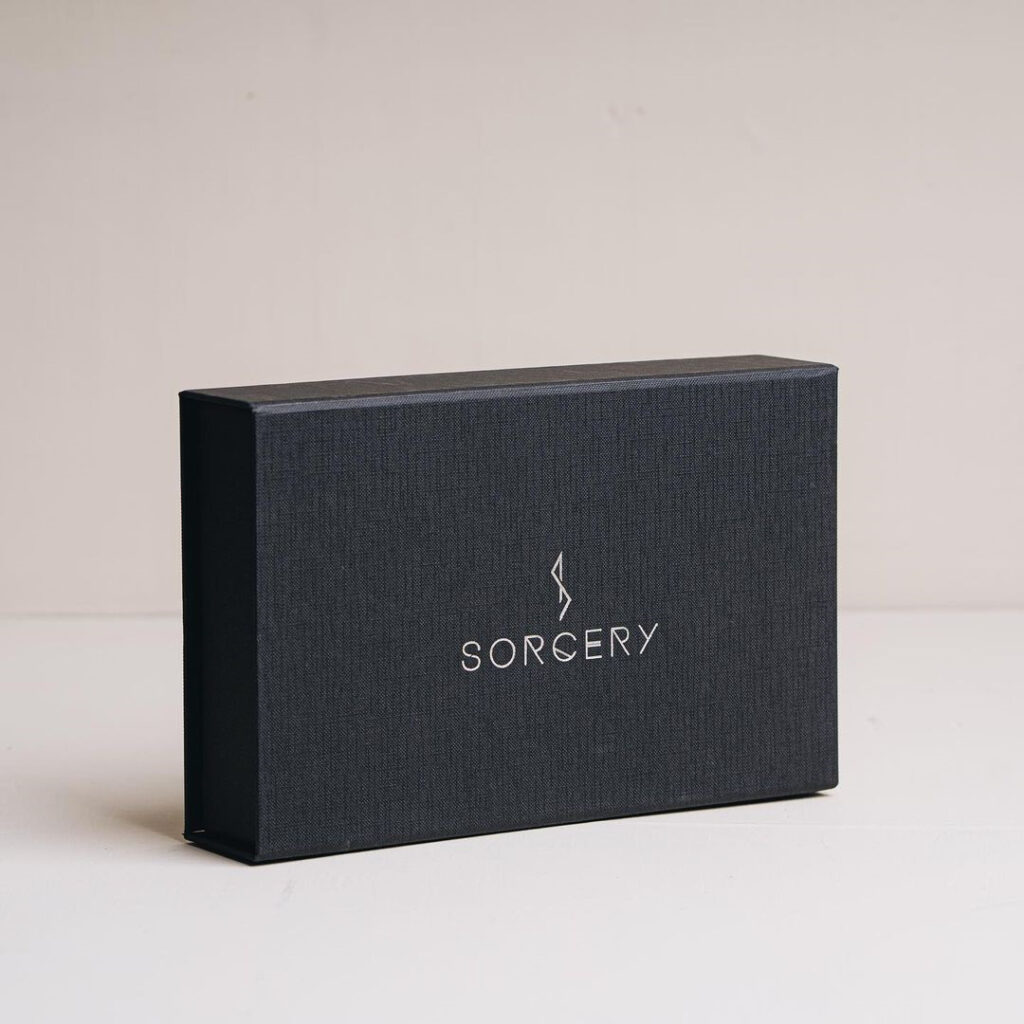
الارتقاء بعلامتك التجارية مع صناديق المجوهرات العصرية الصلبة
المجوهرات صغيرة. التوقعات ليست كذلك.
عندما يدفع شخص ما ثمن خاتم أو قلادة أو طقم كامل، فإنه يريد أن يشعر بأن التجربة بأكملها “تستحق العناء”. تصبح علبتك أول دليل على ذلك. فإذا كانت منحنية أو متآكلة أو تبدو كعلبة كرتونية ذات مقاس واحد يناسب الجميع، فإنك تفقد تلك اللحظة قبل أن يلمس المنتج.
لهذا السبب صناديق المجوهرات العصرية الصلبة تستمر في الظهور في عمليات الإطلاق المتميزة وتجديدات البيع بالتجزئة وDTC عبر الحدود. فهي تحمي القطع الحساسة، وترفع من مستوى إحساس فتح العلبة، وتساعد علامتك التجارية على أن تبدو متناسقة عبر وحدات حفظ المخزون. في Zhibang، نصنع هذه الصناديق للمشترين بالجملة، وبرامج تصنيع المعدات الأصلية/التصنيع حسب الطلب، والعلامات التجارية التي تحتاج إلى جودة قابلة للتكرار وسرعة في التسعير - دون تحويل كل عملية إنتاج إلى لعبة تخمين.
فيما يلي عناصر التغليف الرئيسية وكيفية استخدامها في سيناريوهات المبيعات الحقيقية.
عناصر التغليف التي ترفع من قيمة العلامة التجارية
فيما يلي تفصيل سريع يمكنك تسليمه إلى فريق التجارة أو المصمم أو مدير المصادر قبل أخذ العينات.
عنصر التغليف
ما الذي يحله
ما يجب تحديده للإنتاج
سيناريو المبيعات الأكثر ملاءمة
شكل وحجم متطوران
يوقف مقولة “صندوق كبير فارغ = رخيص” ويقلل من اهتزاز العبور
الحجم الخارجي، والخلوص الداخلي، ونمط الإدخال، وتفاوت الغطاء
شحن DTC، وعروض البيع بالتجزئة، وتعيين وحدات حفظ المخزون
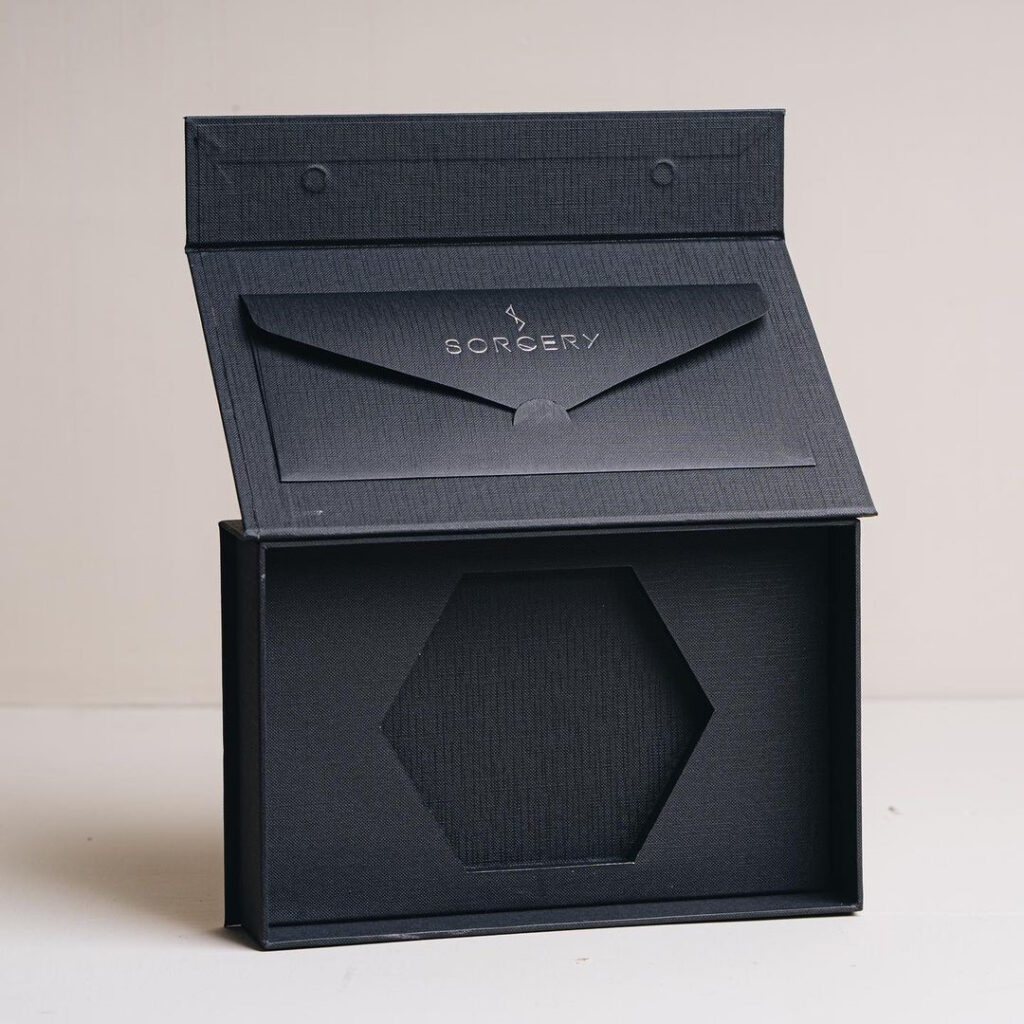
علب متعددة الوظائف مع تغليف متعدد الوظائف بقطع القوالب
ينشئ صندوقاً “مصمماً” مفتوحاً ويساعد في العرض
خط القالب، وحجم النافذة، وموضع علامة السحب، والمقصورات
يعزز تذكر العلامة التجارية ويحسن من اتساق الرف/الصورة
اللون المستهدف، نوع الطلاء النهائي، مقاومة الاحتكاك
الانخفاضات الموسمية، وبائعي المنصات، وخطوط البيع المتعدد وحدات الطعام الجاهزة
اختر مواد التغليف المتينة
يقلل من التلف في الزوايا ويحافظ على ملمس الصندوق مميزاً
طبقة سماكة اللوح، وورق التغليف، والطلاء، والتحكم في الحافة
الشحن عبر الحدود، والتوزيع بالجملة
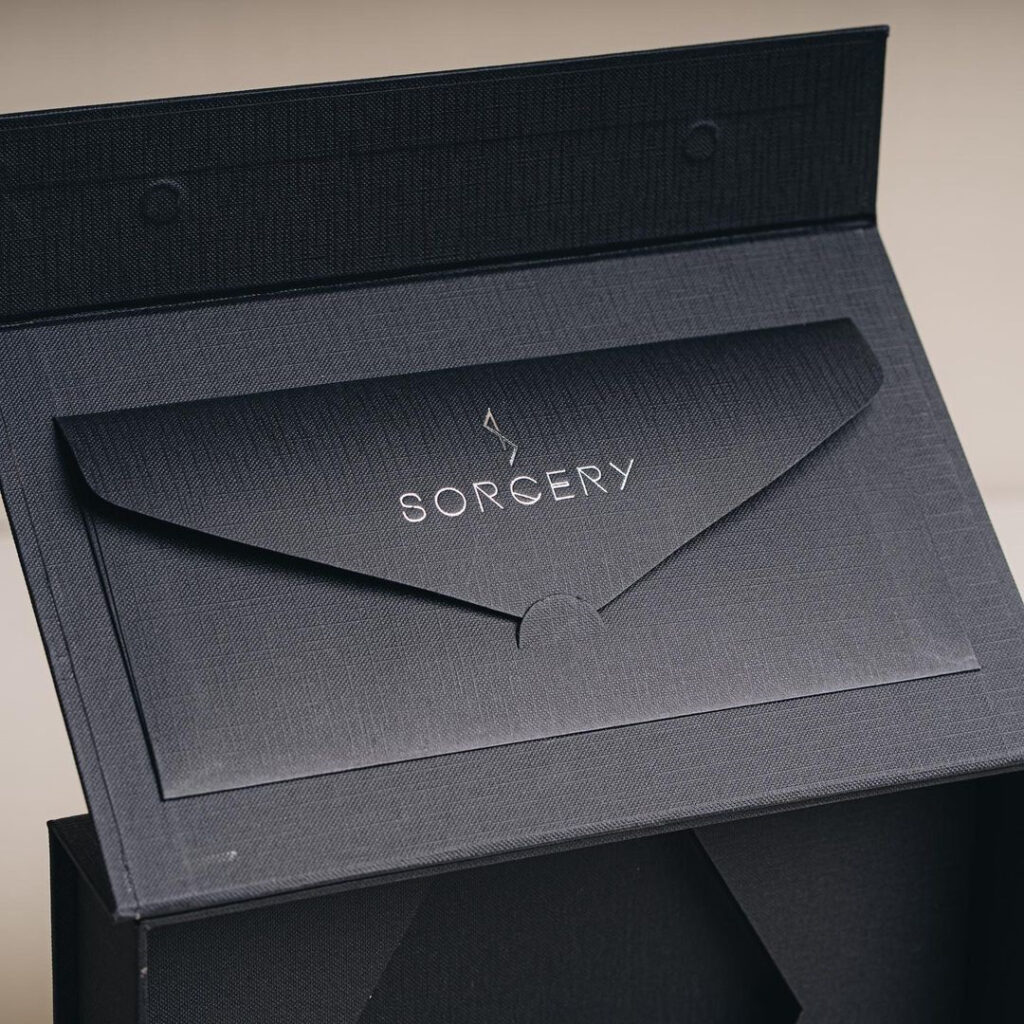
آليات الإغلاق المبتكرة
يضيف طقوساً ويحسّن من إمكانية إعادة الاستخدام ويشعر بالارتقاء
محاذاة المغناطيس، واحتكاك الدرج، وتصميم المشبك
الهدايا الفاخرة ومتاجر التجزئة الفاخرة
لمسة شخصية للعلامة التجارية مع خيارات قابلة للتخصيص
تحويل التغليف إلى أصل للعلامة التجارية وليس حاوية
رقائق معدنية/زخرفية/زخرفة/زخرفة، طباعة داخلية، وضع الشعار
متاجر العلامات التجارية، والعلامات التجارية الخاصة، وعمليات الإطلاق التي تقودها الوكالات
شكل وحجم متطوران
الشكل والحجم يفعلان أكثر من مجرد “ملاءمة المجوهرات”. فهما يشيران إلى مدى اهتمامك.
الحجم المناسب لصناديق المجوهرات الصلبة
إذا كانت العلبة كبيرة جداً، ستبدو المجوهرات ضائعة. إذا كانت ضيقة للغاية، فإن الملحق يحارب المنتج ويبطئ التعبئة. النقطة المثالية بسيطة: تبقى القطعة مستقرة، ويغلق الغطاء نظيفاً، وتبدو العلبة مقصودة في اليد.
حيث يكون الشكل والحجم أكثر أهمية
التجارة الإلكترونية عبر الحدود: أنت تريد حماية قوية للزاوية وخدوش أقل بعد المسارات الطويلة. كما أن الحجم الصحيح يقلل من المساحة الفارغة المهدرة التي تجعل سحق الصناديق أسهل.
سرعة التعبئة والتغليف لموظفي التجزئة تخطيط الإدخال النظيف يحافظ على حركة خط التعبئة. لا أحد يريد “الثني والدعاء” باستخدام المناديل والشريط اللاصق.
مجموعة SKUs: إذا كنت تبيع مجموعات خاتم + قلادة + سوار، فأنت بحاجة إلى مقصورات وليس تجويف واحد مفتوح.
علب متعددة الوظائف مع تغليف متعدد الوظائف بقطع القوالب
قطع القوالب ليست مجرد زينة. إنها أداة وظيفية للعرض والسرعة وقيمة “الاحتفاظ بها”.
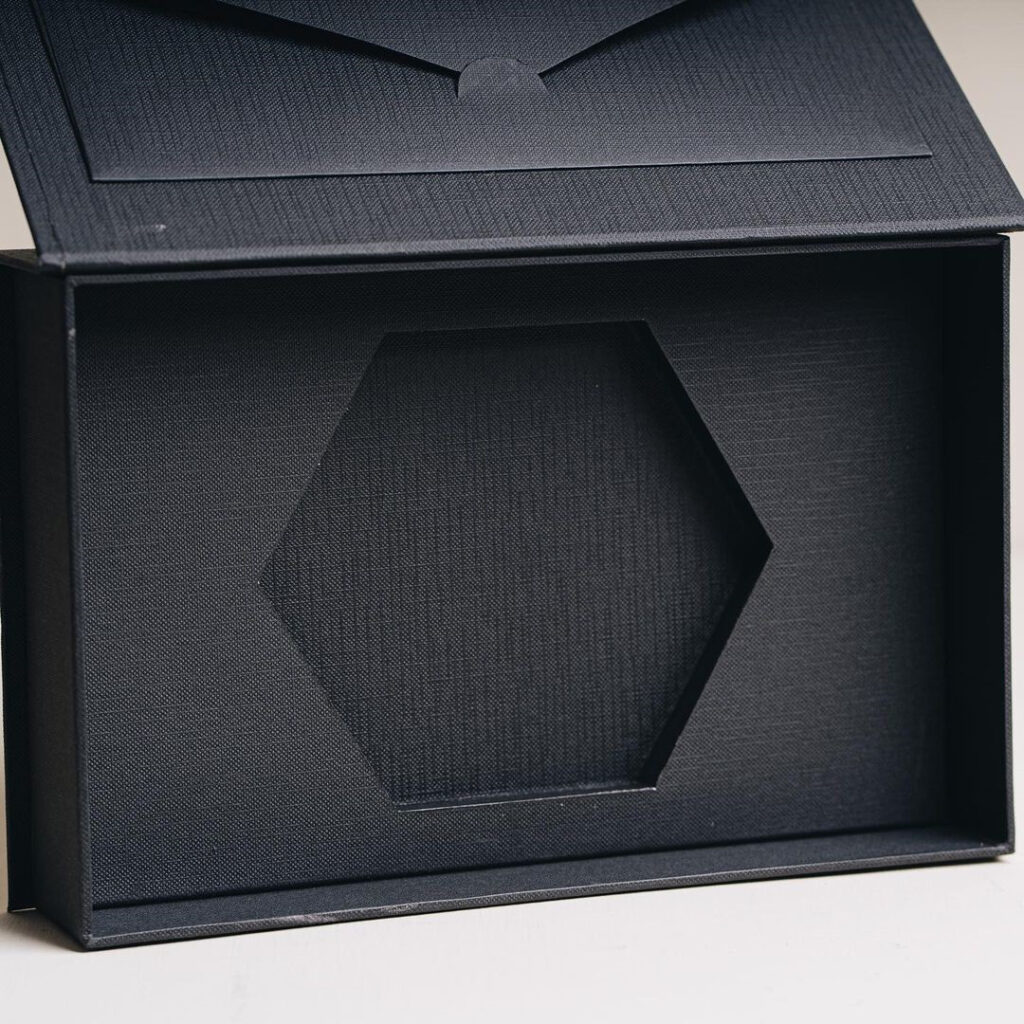
نوافذ ومقصورات مقطوعة بالقالب
يمكن لقص النافذة إثارة المنتج دون فتح العلبة بالكامل. تحافظ المقصورات على القطع منفصلة بحيث لا تتشابك السلاسل ولا تخدش الأقراط. أضيفي أداة سحب بالإصبع وسيصبح فتح العلبة سلسًا بدلاً من أن يكون أخرق.
الاستخدامات العملية في الميدان
بائعو المنصات و DTC: تساعد علامة السحب المقطوعة بالقالب العملاء على فتح العلبة دون تمزيق الزوايا (وبدون لحظة “أحتاج إلى مقص”).
أطقم الهدايا: صينية بالإضافة إلى مقصورات تجعل المجموعة تبدو منظمة، مما يعزز الجودة المتصورة.
عرض التجزئة: تعمل النوافذ بشكل جيد للعرض على المنضدة حيث تكون الرؤية السريعة للمنتج مهمة.
يعد اللون أحد أسهل الطرق لجعل عبواتك تبدو “مصممة”، خاصة على الإنترنت حيث يظهر الصندوق غالباً في الصور المصغرة ومقاطع الفيديو التي يتم فيها فتح العلبة.
تناسق الألوان عبر وحدات حفظ المخزون
تتعرض العلامات التجارية للمشاكل عندما تنحرف كل وحدة من وحدات حفظ المخزون. تبدو إحدى العلب باللون الأبيض الدافئ، وتبدو أخرى باللون الرمادي البارد، وفجأة يبدو خط إنتاجك مرقعًا معًا.
نهج عملي:
قم بتأمين لوحة رئيسية لخطك الأساسي.
استخدم التغييرات الصغيرة (الأكمام والشرائط والإدخالات) للقطرات الموسمية.
اختر اللمسات النهائية التي تتناسب مع قناة المبيعات الخاصة بك: تبدو اللمسات النهائية غير اللامعة واضحة في الصور، واللمعان يبرز على الرفوف.
إذا كنت ترغب في الحصول على نمط ألوان مناسب للهدايا ولا يزال يمكن توضيبها بشكل مسطح للتخزين، فيمكن أن يعمل الشكل المغناطيسي القابل للطي بشكل جيد كنقطة مرجعية: علبة هدايا مغناطيسية وردية اللون قابلة للطي بشريط
اختر مواد التغليف المتينة
يجب أن يكون صندوق المجوهرات الصلب متيناً ومتيناً ويحافظ على زواياه الحادة ويتحمل احتكاك الشحن. “المتانة” ليست وعداً غامضاً. إنه ما يمنع الحواف المسحوقة والأغلفة المكسرة والمرتجعات التي تحرق سمعة علامتك التجارية.
كيف تبدو المتانة في الإنتاج
هيكل لوح صلب يقاوم الانحناء
غلاف نظيف لا يتجعد عند الزوايا.
طبقة نهائية واقية يحارب الخدوش وبصمات الأصابع
إدراج الاستقرار حتى لا تهتز المجوهرات
إذا كانت علامتك التجارية تبيع عبر الحدود أو تشحن من خلال مراكز تلبية الطلبات، تصبح المتانة أداة تحويل. يتذكر العملاء حالة الصندوق. فالمنتج المتميز الذي يصل في عبوة مهترئة يبدو وكأنه غير مطابق.
صندوق الدرج: سلس في فتح العلبة، ورائع لتخزين المجوهرات اليومي، وسهل الفتح المتكرر.
تحل الإغلاقات أيضًا مشكلة حقيقية في العمليات: فهي تقلل من الحاجة إلى الملصقات الإضافية أو الشريط اللاصق الفوضوي، مما يحافظ على نظافة خط التعبئة والتغليف ومظهر علامتك التجارية متناسقًا.