Se la vostra preoccupazione va oltre la struttura del packaging o i dettagli tecnici, il nostro team di gestione è pronto a intervenire. Potete parlare direttamente con noi di prezzi, tempistiche urgenti, requisiti speciali o questioni irrisolte che richiedono decisioni di livello superiore.
Ci concentriamo sulla ricerca di soluzioni pratiche che consentano di portare avanti il vostro progetto di packaging, sia che si tratti di rivedere i costi, di adeguare i piani di produzione, di coordinare i dettagli dell'esportazione o di discutere una cooperazione a lungo termine con i grossisti.
Parla con l'ingegnere dell'imballaggio
Team di ingegneri
Prima di iniziare il vostro preventivo per l'imballaggio personalizzato, chiedete consiglio agli esperti sulla struttura delle scatole, sulla scelta del cartone, sulla configurazione della linea di produzione, sulla stampa, sulla finitura, sul MOQ, sulla campionatura e sui dettagli della produzione.
L'ingegneria dell'imballaggio riguarda in genere la struttura, i materiali, il processo di produzione, l'efficienza dei costi e la protezione del prodotto, per cui questa formulazione è allineata ai punti di decisione del packaging di marca reale.
Qual è il motivo della differenza di prezzo tra le diverse scatole da imballaggio?
Se vi è mai capitato di inviare le specifiche dello stesso prodotto a due fornitori e di ricevere due preventivi completamente diversi, non siete i soli. I prezzi degli imballaggi non sono una magia. Si tratta di una serie di piccole scelte: struttura della scatola, cartone, stampa, finitura, inserti, assemblaggio, controllo qualità e persino il modo in cui i cartoni vengono imballati per la spedizione.
Questa guida analizza i veri fattori che determinano i divari di prezzo, utilizzando termini pratici di imballaggio (le cose che le fabbriche effettivamente costano). Mostrerò anche dove ogni fattore si manifesta nelle reali costruzioni di scatole sul sito di Zhibang, in modo che possiate controllare più velocemente i preventivi. Per le gamme complete di prodotti, partire dalla homepage di Zhibang.
Lo stile della scatola è il primo bivio di prezzo. Una semplice scatola pieghevole e una scatola rigida con chiusura magnetica possono sembrare simili in una foto, ma sono costruite in modi diversi.
Ecco cosa cambia la citazione:
Complessità della linea di confine: Più pannelli, più pieghe, più fasi di lavorazione.
Utilizzo del materiale: Alcune strutture “sprecano” più area di foglio quando la fabbrica annida il layout.
Tempo di montaggio: Una scatola rigida da imballaggio deve essere formata e confezionata. Una scatola pieghevole viene solitamente spedita piatta.
Scena che riconoscerete: State lanciando un kit di abbonamento. Volete che l'unboxing sia di qualità, quindi scegliete una chiusura magnetica. Sembra perfetto. Poi il preventivo salta perché la fabbrica ora ha fasi di assemblaggio aggiuntive e più parti.
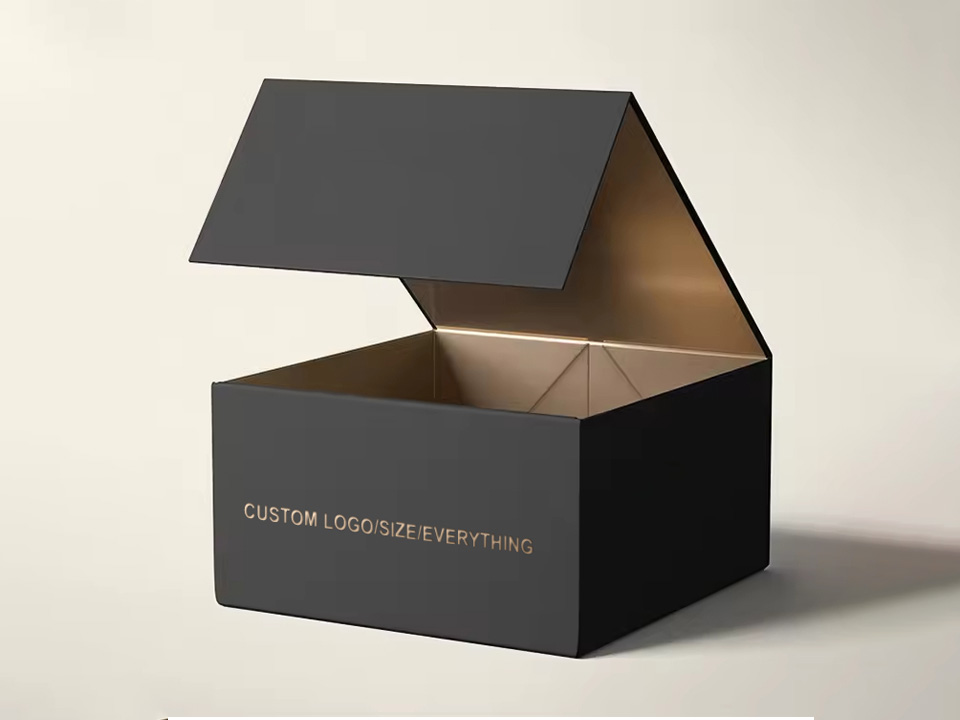
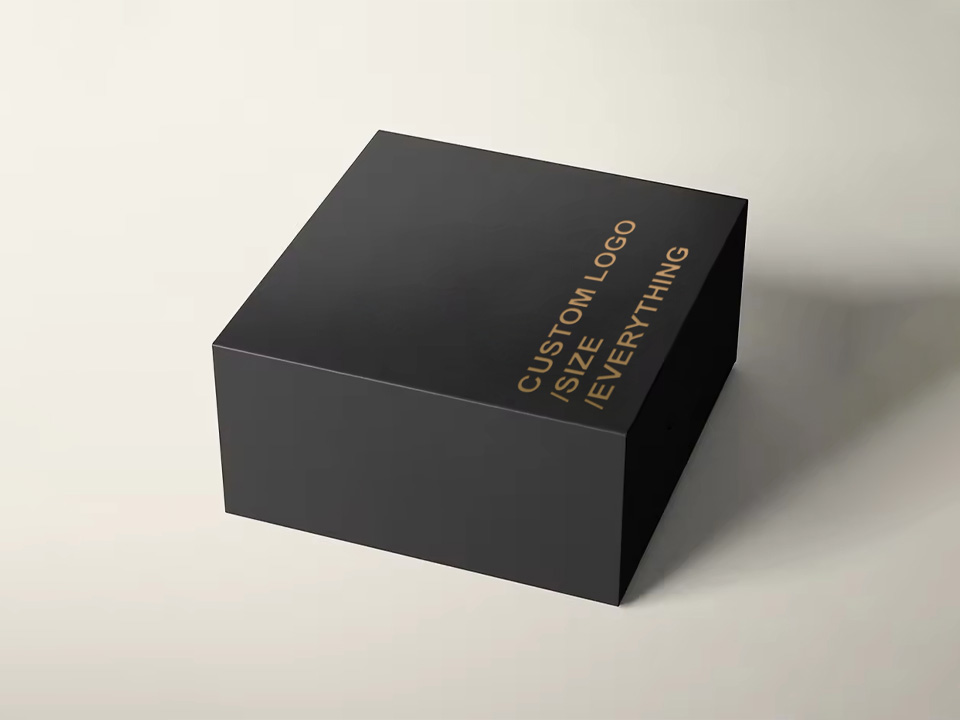
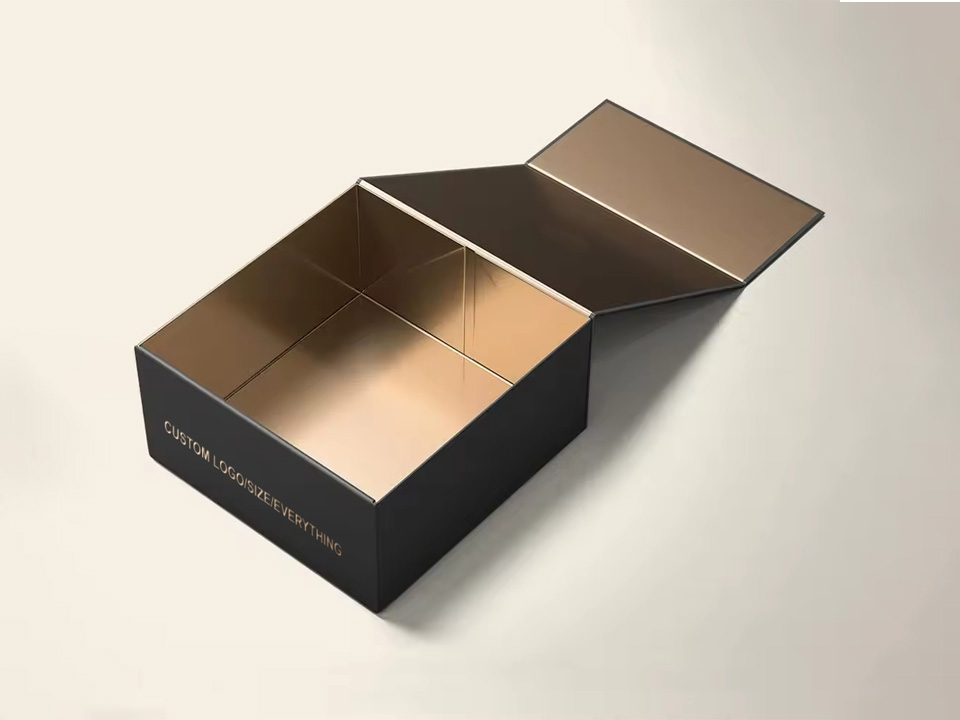
Un chiaro esempio è rappresentato da una scatola regalo magnetica pieghevole con nastro e chiusura magnetica: ottima per la vendita al dettaglio e per gli omaggi, ma non ha il prezzo di un cartone di base. scatola regalo magnetica pieghevole con nastro
Materiale e spessore del cartone
Il materiale è di solito la leva più importante, soprattutto per gli imballaggi in carta.
Cosa influisce sul prezzo:
Grado e spessore del pannello: Una tavola più spessa migliora la rigidità e la resistenza allo schiacciamento, ma costa di più e viene spedita più pesante.
Carta speciale: Texture, carta patinata, carta metallizzata o fogli accoppiati morbidi al tatto possono modificare sia il costo del materiale che la resa produttiva.
Coerenza: Una migliore consistenza della carta riduce i difetti come il cambiamento di colore e le macchie superficiali, favorendo il controllo qualità.
Suggerimento pratico: Se vendete su Amazon o spedite oltre confine, la vostra scatola deve sopravvivere al “caos dell'ultimo miglio”. Questo spesso spinge a scegliere un cartone più resistente o una struttura più intelligente, anche se il costo unitario aumenta, perché i tassi di restituzione costano più dell'imballaggio.
Metodo di stampa e colore
La stampa sembra semplice finché non si entra nella realtà della fabbrica.
Le differenze di prezzo sono spesso dovute a:
Copertura: Un'opera d'arte a copertura totale costa di più di un design pulito con spazi negativi.
Abbinamento dei colori: Un controllo rigoroso del colore del marchio può richiedere più tempo per la preparazione.
Effetti speciali: I motivi olografici, i gradienti e i solidi pesanti possono aumentare il rischio di rigetto.
Se volete mantenere un aspetto premium senza dover pagare per “inchiostro ovunque”, pianificate il vostro design in base al contrasto, agli spazi bianchi e alle evidenziazioni mirate.
Finitura: stampa a caldo, spot UV, laminazione
La finitura è il luogo in cui i marchi si innamorano e in cui i budget vengono messi alla prova.
Finiture comuni che fanno lievitare i costi:
Stampa a caldo (oro/argento/oro rosa): Aggiunge una fase di processo separata e richiede un allineamento più stretto.
Spot UV: Ottimo per loghi e motivi, ma è un altro passaggio e un altro controllo di qualità.
Laminazione (opaca/lucida/morbida al tatto): Migliora la resistenza allo sfregamento e la sensazione al tatto, ma aggiunge pellicola + processo.
Alcune scatole sono praticamente “artigianali”. Scatole rigide, scatole incartate, chiusure magnetiche, dettagli in nastro: queste possono richiedere un maggiore lavoro manuale.
Questo influisce sul prezzo perché:
Più punti di contatto = più lavoro
Più punti di contatto = più rischio di difetti
Più QC = più tempo
Se il vostro acquirente è un rivenditore o state facendo influencer seeding, non potete permettervi bordi sporchi, magneti deboli o superfici graffiate. Un migliore controllo qualità protegge il vostro marchio, ma comporta un costo aggiuntivo.
Se si vuole capire come si posiziona un produttore (capacità, mentalità del controllo qualità, supporto OEM/ODM), le pagine aziendali di Zhibang aiutano a inquadrare ciò che è realistico. Informazioni su Zhibang
MOQ, vendita all'ingrosso all'ingrosso, OEM/ODM e tempi di consegna
Due preventivi possono differire semplicemente perché i fornitori hanno assunto modelli d'ordine diversi.
Ecco cosa cambia:
MOQ e prezzi di vendita: Un volume più elevato di solito riduce il costo unitario perché l'allestimento e la preparazione vengono distribuiti su più unità.
Ambito di applicazione OEM/ODM: La struttura personalizzata, gli inserti personalizzati e le finiture personalizzate aumentano la complessità, ma anche la differenziazione del marchio.
Tempi di consegna: Le scadenze strette possono limitare la flessibilità della programmazione e aumentare la pressione sulla produzione.
Se il vostro modello di business prevede ordini ripetuti o la distribuzione, parlate in volume annuale e cadenza di previsione, Non solo un “ordine unico”. Le fabbriche pianificano la capacità. Quando le aiutate a pianificare, di solito fanno prezzi più aggressivi.
Per sfogliare velocemente le categorie, l'indice principale dei prodotti aiuta a confrontare le strutture fianco a fianco. Prodotti
Imballaggi per la spedizione e cartoni ondulati
Molti acquirenti dimenticano questa parte: la scatola che amate deve ancora arrivare sana e salva.
I costi possono variare a causa di:
Metodo Pack-out: Imballati o preassemblati.
Specifiche del cartone master: Resistenza del cartone, protezione interna, regole di impilamento.
Efficienza del cubo: Gli imballaggi più ingombranti aumentano l'impatto sullo stoccaggio e sul trasporto.
Se l'imballaggio è destinato alla spedizione e alla consegna, il cartone ondulato diventa il cavallo di battaglia. Un cartone ondulato stampato è un'opzione comune quando si desidera protezione e marchio in un'unica unità. cartone ondulato stampato con stampa personalizzata
Tabella dei fattori di prezzo: cosa cambia il preventivo e cosa chiedere
Fattore di prezzo
Cosa cambia nella produzione
Cosa chiedere in una RFQ
Esempio di Zhibang in loco (interno)
Stile e struttura della scatola
Linea di demarcazione, utilizzo dei materiali, fasi di assemblaggio
“Quale tipo di scatola? Imballata o preassemblata?”.”
Come usare questo strumento per confrontare i preventivi senza essere ingannati
Quando confrontate i preventivi, non limitatevi a confrontare il totale. Confrontate il presupposti.
Una RFQ pulita che riduce le sorprese di solito include:
stile della scatola (e se viene spedita piatta o assemblata)
misura esterna + requisito di vestibilità interna
tipo di cartone o “raccomandato dalla fabbrica per la spedizione”.”
copertura di stampa + colori da abbinare
elenco delle finiture (lamina, spot UV, laminazione)
tipo di inserto (EVA/schiuma/cartone)
metodo di imballaggio (regole del cartone maestro, esigenze di protezione)
modello di ordine mirato (vendita all'ingrosso, tirature ripetute, OEM/ODM)
Se volete un allineamento più rapido, inviate la vostra RFQ e un link di riferimento che corrisponda al vostro obiettivo di costruzione, quindi chiedete alla fabbrica di fornire “lo stesso livello di struttura e finitura”.”
Se siete pronti a muovervi, la via più veloce è quella di inviare specifiche e link di riferimento direttamente attraverso la pagina dei contatti. Contatto Zhibang
In conclusione
Scatole di imballaggio diverse hanno costi diversi perché non sono lo stesso prodotto in termini di produzione. La struttura cambia gli strumenti e l'assemblaggio. Il cartone cambia la protezione e la resa. La stampa e la finitura aggiungono fasi di processo. Gli inserti aggiungono componenti e kitting. Il controllo qualità protegge il marchio, ma richiede tempo. E le decisioni relative al pack-out possono rimodellare silenziosamente il vostro costo di produzione grazie ai tassi di danneggiamento e all'efficienza della spedizione.
Se dite a una fabbrica per cosa state ottimizzando davvero - impatto sullo scaffale, sopravvivenza alla spedizione, unboxing o margini di vendita all'ingrosso - otterrete preventivi che hanno senso e imballaggi che funzionano nel mondo reale.