Wenn Ihr Anliegen über die Verpackungsstruktur oder technische Details hinausgeht, ist unser Managementteam bereit, einzugreifen. Sie können direkt mit uns über die Preisgestaltung, dringende Zeitpläne, besondere Anforderungen oder ungelöste Probleme sprechen, die Projektentscheidungen auf höherer Ebene erfordern.
Wir konzentrieren uns darauf, praktische Lösungen zu finden, die Ihr Verpackungsprojekt vorantreiben, sei es bei der Überprüfung von Kosten, der Anpassung von Produktionsplänen, der Koordinierung von Exportdetails oder der Erörterung einer langfristigen Zusammenarbeit mit dem Großhandel.
Mit dem Verpackungsingenieur sprechen
Technik-Team
Holen Sie sich eine fachkundige Beratung zu Schachtelstruktur, Kartonauswahl, Stanzformaufbau, Druck, Veredelung, MOQ, Bemusterung und Produktionsdetails, bevor Sie Ihr Angebot für eine individuelle Verpackung erstellen.
Die Verpackungstechnik umfasst in der Regel die Bereiche Struktur, Materialien, Herstellungsverfahren, Kosteneffizienz und Produktschutz, so dass diese Formulierung mit den tatsächlichen Entscheidungspunkten für Markenverpackungen übereinstimmt.
Was ist der Grund für den Preisunterschied zwischen verschiedenen Verpackungskartons?
Wenn Sie schon einmal dieselben Produktspezifikationen an zwei Lieferanten geschickt und zwei völlig unterschiedliche Angebote erhalten haben, sind Sie nicht allein. Verpackungspreise sind keine Zauberei. Sie setzt sich aus vielen kleinen Entscheidungen zusammen - Kartonstruktur, Pappe, Druck, Veredelung, Einlagen, Montage, Qualitätskontrolle und sogar die Art und Weise, wie die Kartons für den Versand verpackt werden.
In diesem Leitfaden werden die wahren Gründe für die Preisunterschiede aufgeschlüsselt, wobei praktische Verpackungsbegriffe verwendet werden (die Dinge, die die Fabriken tatsächlich ausrechnen). Ich zeige auch, wo sich jeder Faktor in den realen Verpackungen auf der Zhibang-Website niederschlägt, damit Sie Angebote schneller auf ihre Richtigkeit überprüfen können. Die vollständige Produktpalette finden Sie auf der Zhibang-Homepage.
Die Art der Schachtel ist die erste preisliche Hürde. Eine einfache Faltschachtel und eine starre Schachtel mit Magnetverschluss können auf einem Foto ähnlich aussehen, aber sie sind auf unterschiedliche Weise aufgebaut.
Das Zitat wird folgendermaßen geändert:
Komplexität der Ziellinie: Mehr Platten, mehr Faltungen, mehr Arbeitsschritte.
Materialverbrauch: Einige Strukturen “verschwenden” mehr Blattfläche, wenn das Werk das Layout verschachtelt.
Montagezeit: Eine starre Faltschachtel muss geformt und verpackt werden. Eine Faltschachtel wird normalerweise flach geliefert.
Szene, die Sie wiedererkennen werden: Sie bringen ein Abo-Kit auf den Markt. Sie möchten, dass sich das Paket beim Auspacken hochwertig anfühlt, also wählen Sie einen Magnetverschluss. Sieht toll aus. Dann steigt der Preis, weil die Fabrik jetzt zusätzliche Montageschritte und mehr Teile hat.
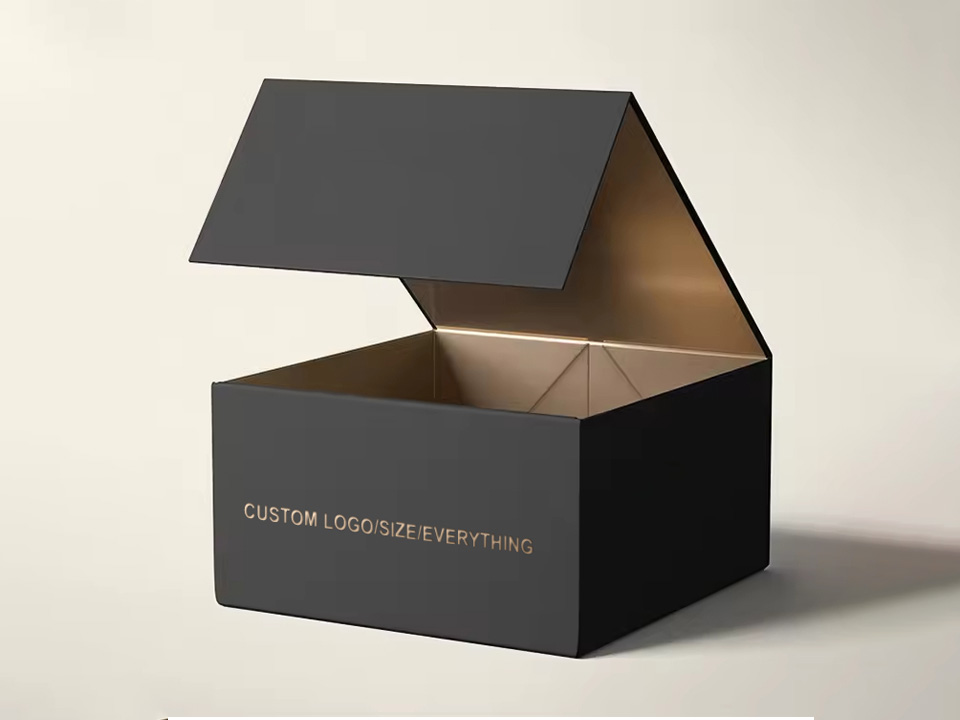
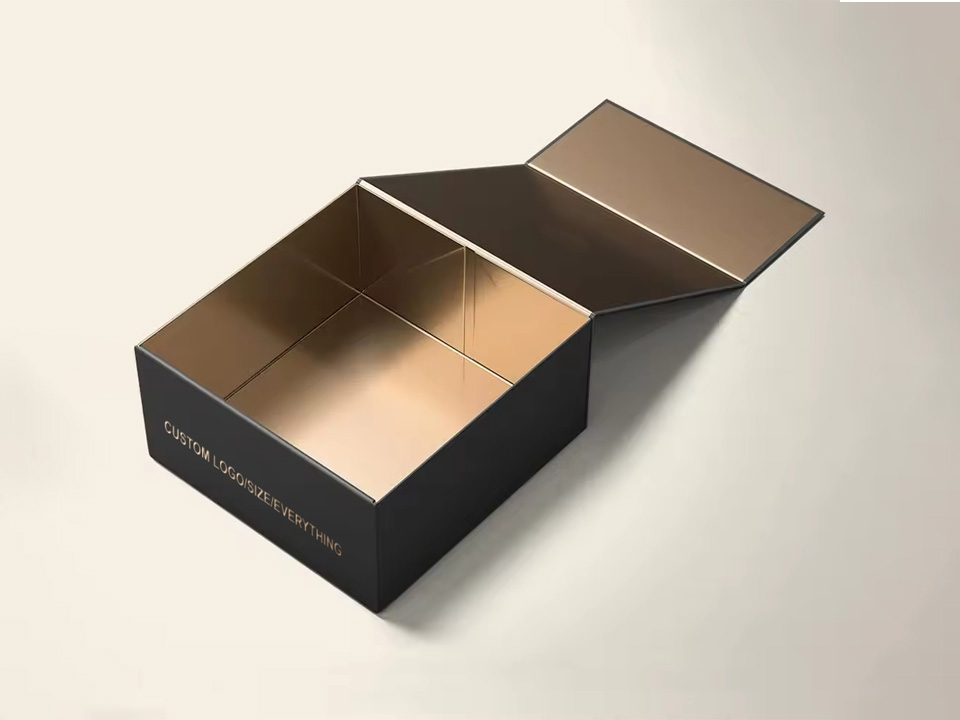
Ein anschauliches Beispiel ist eine faltbare magnetische Geschenkschachtel mit Band und Magnetverschluss - ideal für den Einzelhandel und zum Verschenken, aber nicht so preisgünstig wie eine einfache Schachtel. faltbare magnetische Geschenkbox mit Schleife
Material und Dicke der Pappe
Das Material ist in der Regel der größte Hebel, insbesondere bei Papierverpackungen.
Was den Preis hier beeinflusst:
Plattensorte und -dicke: Ein dickerer Karton verbessert die Steifigkeit und die Druckfestigkeit, kostet aber mehr und ist schwerer.
Spezialpapier: Textur, beschichtetes Papier, Metallic-Papier oder laminierte Blätter mit weicher Oberfläche können sowohl die Materialkosten als auch den Produktionsertrag verändern.
Konsistenz: Eine bessere Papierkonsistenz reduziert Fehler wie Farbverschiebungen und Oberflächenmarkierungen, was die Qualitätskontrolle erleichtert.
Praktischer Tipp: Wenn Sie auf Amazon verkaufen oder grenzüberschreitend versenden, muss Ihr Karton das “Chaos auf der letzten Meile” überstehen. Das führt oft dazu, dass Sie sich für stärkeren Karton oder eine intelligentere Struktur entscheiden - auch wenn die Stückkosten steigen -, weil die Rücksendekosten höher sind als die Verpackungskosten.
Druckverfahren und Farbe
Drucken klingt einfach, bis man sich mit der Realität in der Fabrik beschäftigt.
Die Preisunterschiede kommen oft daher:
Erfassungsbereich: Vollflächige Druckvorlagen kosten mehr als ein sauberes Design mit negativem Raum.
Farbliche Anpassung: Eine strenge Kontrolle der Markenfarben kann mehr Zeit für die Herstellung erfordern.
Besondere Effekte: Holografische Muster, Farbverläufe und schwere Volltöne können das Ausschussrisiko erhöhen.
Wenn Sie den Look hochwertig halten wollen, ohne für “Tinte überall” zu bezahlen, planen Sie Ihr Design mit Kontrast, Weißraum und gezielten Highlights.
Einsätze und Halterungen: EVA, Schaumstoff, Samt, Kunststoffschale
Einsätze schützen nicht nur das Produkt. Sie verändern auch den Arbeitsaufwand, das Material und die Montagegeschwindigkeit.
Der Preis bewegt sich tendenziell mit:
Typ einfügen: EVA- und Schaumstoffeinlagen kosten anders als einfache Papphalter.
Passform-Toleranz: Enger Sitz sieht hochwertig aus, erfordert aber eine bessere Kontrolle.
Einrichtungszeit: Jemand muss den Einsatz (und manchmal auch das Produkt) richtig platzieren.
Sie werden deutlich sehen, dass die Beilagen in Papierhülsen mit Schaumstoffhalterungen verpackt sind, die die Artikel gut schützen, aber zusätzliche Kosten und Verpackungsschritte verursachen. schwarzer Pappzylinder Papierröhre mit Schaumstoffhalter
Handgefertigte Montage und Qualitätskontrolle
Einige Schachteln sind im Grunde “Fabrikarbeit”. Starre Aufrichteschachteln, gewickelte Schachteln, Magnetverschlüsse, Banddetails - diese können mehr Handarbeit erfordern.
Das wirkt sich nämlich auf den Preis aus:
Mehr Berührungspunkte = mehr Arbeit
Mehr Berührungspunkte = mehr Fehlerrisiko
Mehr QC = mehr Zeit
Wenn Ihr Käufer ein Einzelhändler ist oder Sie Influencer Seeding betreiben, können Sie sich unsaubere Kanten, schwache Magnete oder zerkratzte Oberflächen nicht leisten. Eine bessere Qualitätskontrolle schützt Ihre Marke, ist aber mit zusätzlichen Kosten verbunden.
Wenn Sie verstehen wollen, wie sich ein Hersteller positioniert (Fähigkeiten, QC-Mentalität, OEM/ODM-Unterstützung), helfen Ihnen die Unternehmensseiten von Zhibang dabei, einen Rahmen für das zu finden, was realistisch ist. Über Zhibang
MOQ, Großhandel, OEM/ODM, und Vorlaufzeit
Zwei Angebote können sich schon deshalb unterscheiden, weil die Anbieter von unterschiedlichen Bestellmodellen ausgehen.
Es ändert sich Folgendes:
MOQ und Preisspannen: Ein höheres Volumen senkt in der Regel die Stückkosten, da sich die Rüst- und Einrichtarbeiten auf mehr Einheiten verteilen.
OEM/ODM-Bereich: Individuelle Struktur, individuelle Einsätze und individuelle Veredelung erhöhen zwar die Komplexität, aber auch die Differenzierung der Marke.
Vorlaufzeit: Enge Fristen können die Flexibilität bei der Terminplanung einschränken und den Produktionsdruck erhöhen.
Wenn Ihr Geschäftsmodell Nachbestellungen oder Vertrieb vorsieht, sprechen Sie mit Jahresvolumen und Vorhersagekadenz, und nicht nur “einmalige Aufträge”. Die Fabriken planen ihre Kapazitäten. Wenn man ihnen bei der Planung hilft, werden die Preise in der Regel aggressiver.
Für ein schnelles Durchsuchen der Kategorien hilft Ihnen der Hauptproduktindex, die Strukturen Seite an Seite zu vergleichen. Produkte
Versandverpackungen und Wellpappkartons
Viele Käufer vergessen diesen Teil: Die Kiste, die Sie lieben, muss trotzdem sicher ankommen.
Die Kosten können sich ändern aufgrund von:
Auspacken-Methode: Flach verpackt vs. vormontiert.
Master-Karton Spezifikation: Festigkeit des Kartons, innerer Schutz, Stapelregeln.
Effizienz des Würfels: Sperrige Verpackungen erhöhen den Lager- und Frachtaufwand.
Wenn Ihre Verpackung für den Versand und die Auslieferung bestimmt ist, wird die Wellpappenverpackung zum Arbeitspferd. Ein bedruckter Wellpappkarton ist eine gängige Option, wenn Sie Schutz und Branding in einer Einheit wünschen. Bedruckte Wellpappe mit individuellem Druck
Tabelle der Preisfaktoren: Was ändert das Angebot und was ist zu fragen?
Preisbildungsfaktor
Was es in der Produktion verändert
Was man in einer RFQ fragen sollte
Beispiel Zhibang vor Ort (intern)
Stil und Struktur der Box
Ziellinie, Materialeinsatz, Montageschritte
“Welche Art von Kiste? Flach verpackt oder vormontiert?”
Wenn Sie eine schnellere Anpassung wünschen, senden Sie Ihre Anfrage plus ein Referenzglied, das Ihrem Zielbau entspricht, und bitten Sie das Werk, ein Angebot für “dieselbe Struktur und denselben Fertigungsgrad” abzugeben.”
Wenn Sie bereit sind, sich zu bewegen, ist der schnellste Weg, Spezifikationen und Referenzlinks direkt über die Kontaktseite zu senden. Ansprechpartner Zhibang
Unterm Strich
Unterschiedliche Verpackungskartons kosten unterschiedlich viel, weil sie produktionstechnisch nicht dasselbe Produkt sind. Die Struktur verändert die Werkzeugausstattung und die Montage. Pappe verändert Schutz und Ertrag. Druck und Veredelung führen zu zusätzlichen Prozessschritten. Beilagen erfordern zusätzliche Komponenten und Konfektionierung. Die Qualitätskontrolle schützt Ihre Marke, kostet aber Zeit. Und Verpackungsentscheidungen können durch Schadensquoten und Transporteffizienz Ihre Gesamtkosten verändern.
Wenn Sie einem Hersteller sagen, worauf es Ihnen wirklich ankommt - Wirkung auf das Regal, Überleben des Versands, Unboxing oder Großhandelsspannen -, erhalten Sie Angebote, die Sinn machen, und Verpackungen, die in der Praxis funktionieren.