إذا تجاوزت مخاوفك هيكل التغليف أو التفاصيل الفنية، فإن فريقنا الإداري مستعد للتدخل. يمكنك التحدث معنا مباشرةً بشأن التسعير أو الجداول الزمنية العاجلة أو المتطلبات الخاصة أو المشكلات التي لم يتم حلها والتي تحتاج إلى قرارات على مستوى أعلى للمشروع.
نحن نركز على إيجاد حلول عملية تحافظ على تقدم مشروع التعبئة والتغليف الخاص بك، سواء كان ذلك يعني مراجعة التكاليف أو تعديل خطط الإنتاج أو تنسيق تفاصيل التصدير أو مناقشة التعاون طويل الأجل في مجال البيع بالجملة.
تحدث إلى مهندس التغليف
الفريق الهندسي
احصل على إرشادات الخبراء بشأن هيكل الصندوق، واختيار الورق المقوى، وإعداد خط الإنتاج، والطباعة، والتشطيب، وموك وموك وأخذ العينات وتفاصيل الإنتاج قبل البدء في عرض أسعار التغليف المخصص.
تغطي هندسة التعبئة والتغليف عادةً الهيكل والمواد وعملية التصنيع وكفاءة التكلفة وحماية المنتج، لذا فإن هذه الصياغة تتماشى مع نقاط قرار التغليف الحقيقي للعلامة التجارية.
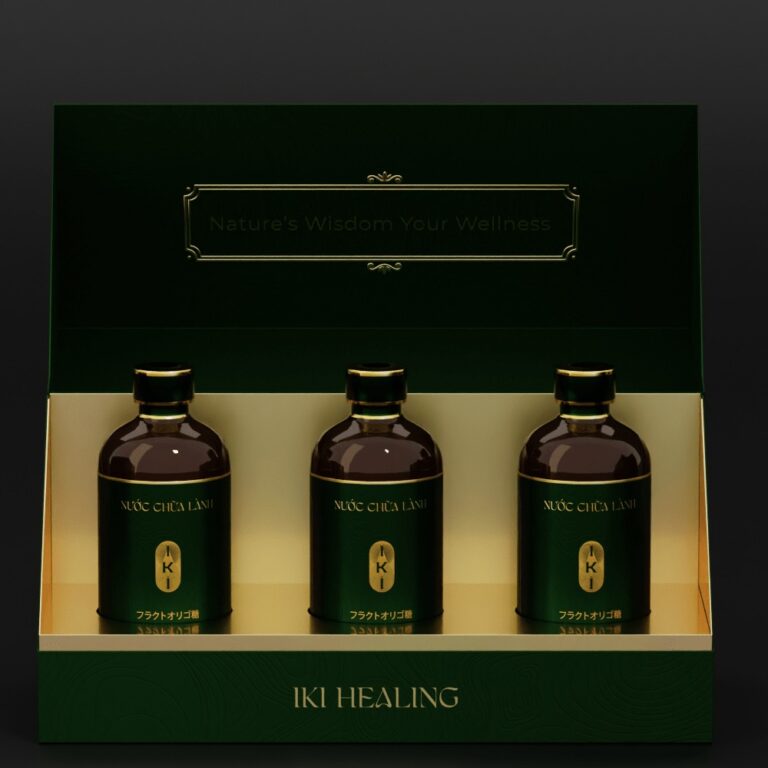
صندوق الهدايا بالتجزئة لا “يبدو جميلاً” فقط. إنه يعمل مثل خطك الأمامي الأقرب. يجب أن يوقف المتسوق، ويشرح له القيمة بسرعة، ويجعل المنتج يستحق العناء - دون أن يقف أي شخص من فريقك ليعرضه.
لهذا السبب فإن تغليف الهدايا القوي ليس مجرد ألوان وديكور. إنها أداة بيع وإشارة ثقة ونظام حماية في آن واحد.
إذا كنت تقوم بتصنيع عبوات جاهزة للبيع بالتجزئة على نطاق واسع، فأنت بحاجة أيضًا إلى مورد يمكنه تشغيل التخصيص + الإنتاج بالجملة + تنفيذ تصنيع المعدات الأصلية/التصنيع حسب الطلب دون أن تنحرف الجودة عبر الدفعات. هذا هو المكان الذي زيبانغ يناسب: مصنع للتغليف الورقي في شنتشن يركز على الصناديق المخصصة والطباعة ومراقبة الجودة الموثوقة للعلامات التجارية وتجار الجملة والبائعين المتزايدين.
قد يؤثر تصميم العبوة على قرار الشراء النهائي للعملاء
لا يفصل المتسوقون “المنتج” عن “العبوة”. فهم يحكمون على المنتج من خلال الصندوق أولاً. إذا كان الصندوق يبدو غير واضح أو فوضوي أو واهٍ، فإن المشتري يفترض نفس الشيء بشأن ما بداخله.
أبحاث العلامات التجارية والمنتجات
قبل أن تلمس التخطيط أو التشطيبات، أقفل ثلاثة أساسيات:
من سيشتري؟ مانح هدايا أو جامع هدايا أو مستخدم يومي أو بائع أو متسوق مندفع.
أين سيرونها؟ الرف، وعرض العداد، وفيديو فتح العلبة، والصورة المصغرة للسوق.
ما الذي يجب أن يفهموه في لمحة واحدة؟ اسم المنتج + سبب واحد للثقة + سبب واحد للاهتمام.
حيلة بسيطة: اكتب لوحتك الأمامية مثل لافتة المتجر. اجعلها قصيرة. اجعلها قابلة للفحص. لا تدفن وعدك.
التميز لا يعني أن تجعل صندوق الهدايا الخاص بك هو الأكثر روعة وتألقاً على الرف
رفوف البيع بالتجزئة صاخبة. تحاول العديد من العلامات التجارية “الفوز” من خلال تكديس العناصر اللامعة في كل مكان. وغالبًا ما يأتي ذلك بنتائج عكسية. فالكثير من الضوضاء البصرية الزائدة تجعل الصندوق يبدو رخيصًا وليس ممتازًا.
تمايز الرفوف
بدلاً من “أكثر”، استهدف “واضح”.”
اختر نهاية بطل واحد (ورق القصدير، والنقش، والأشعة فوق البنفسجية الموضعية). لا تكدس كل شيء.
بناء التباين مع المساحة البيضاء والتسلسل الهرمي, ، وليس رسومات عشوائية.
الاستخدام طباعة كبيرة ومقروءة. إذا لم يتمكن المتسوق من قراءتها من على بعد خطوة، فهي غير مرئية.
تصميم العبوة لجعلها على اتصال مع العملاء المحتملين
التغليف الخاص بك هو محادثة أولى صامتة. يجب أن تجيب على الأسئلة قبل أن يطرحها المتسوق.
رسائل المنتج على العبوة
احرص على توصيل هذه النقاط الثلاث بسرعة:
ما الأمر؟
لمن هي؟
لماذا يجب أن أثق به؟
استخدم الأسطر القصيرة والرموز والبنية الواضحة. تجنب الفقرات الطويلة. إذا كان لا بد من إضافة معلومات إضافية، ادفعها إلى اللوحات الجانبية وحافظ على نظافة الواجهة.
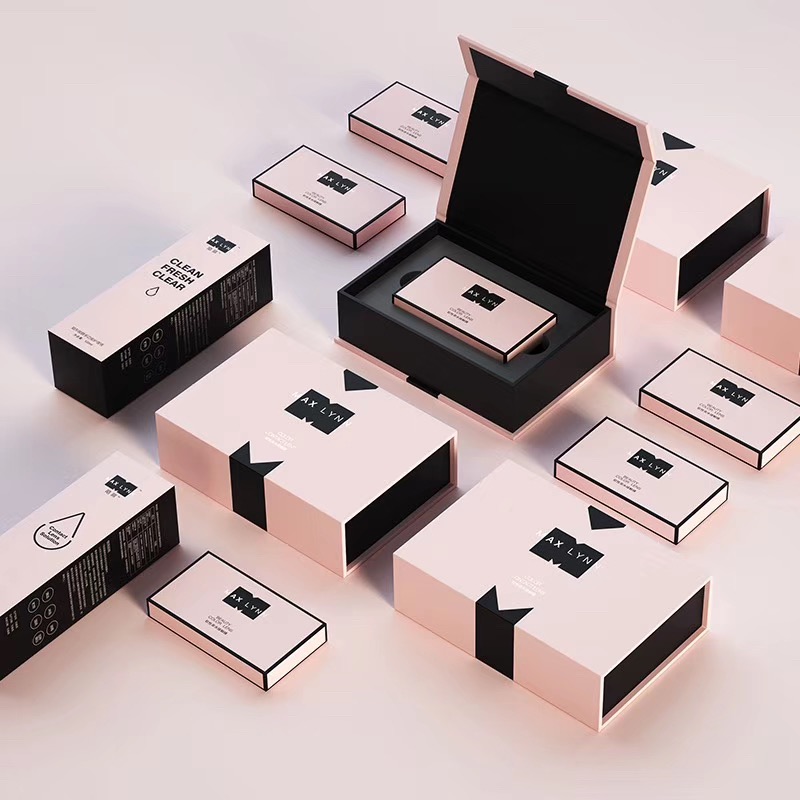
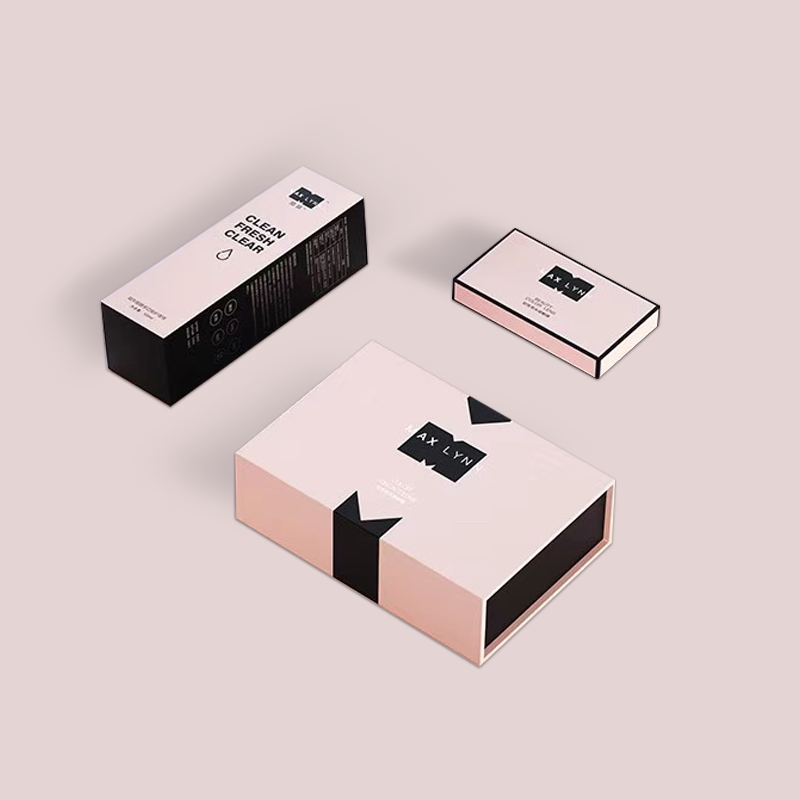
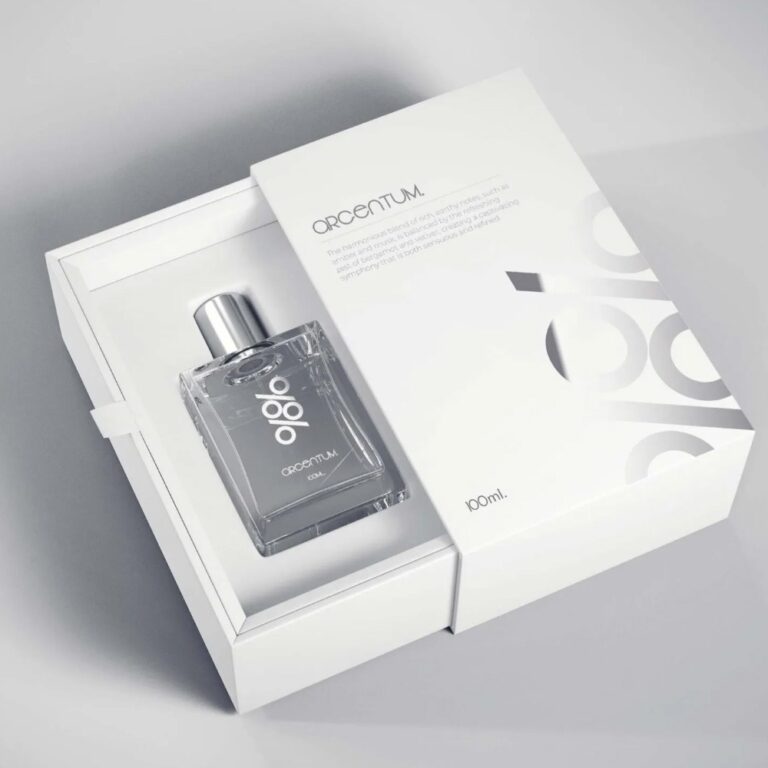
إذا كنت تبيع مستحضرات التجميل، فإن هذا الأمر مهم أكثر لأن المشترين يقارنون بسرعة. ومن الأمثلة القوية على ذلك اللمسات النهائية الجريئة ولكن المضبوطة مثل علبة هدايا مغناطيسية لأحمر الشفاه بنمط وشعار ثلاثي الأبعاد مخصص—it signals “premium” without needing a long explanation.
يمكن أيضًا استخدام علب الهدايا بالتجزئة كبديل لمندوبي المبيعات في بيع المنتجات
لا يوجد مندوب مبيعات يشرح منتجك على الرف أو في طرد. يجب أن يقوم صندوقك بالشرح.
“عبوة ”مندوب مبيعات صامت"
إليك كيفية بناء صندوق يبيع بدون كلام:
إضافة مكدس الميزات (3-5 رصاصات كحد أقصى) حتى لا يخمن المتسوقون.
الاستخدام لغة المزايا, ، وليس الزغب الفني.
ضع إشارات الثقة الخاصة بك حيث يسهل رؤيتها: الاتساق، وملاحظات الجودة، وإشارات الاستخدام، ووعد العلامة التجارية.
هذا هو الذهب بالنسبة للبائعين عبر الحدود والبائعين في السوق لأن المشترين يريدون الطمأنينة بسرعة. يمكنك أيضًا إضافة لحظة “شكرًا لك” صغيرة في الداخل لتقليل المرتجعات وتعزيز المراجعات. مثال عملي على ذلك صندوق مجوهرات ورقي مفتوح منزلق مفتوح مع بطاقة شكر-بسيطة ومباشرة ومصممة خصيصاً للحظة فتح العلبة.
يحتاج كل من منتجك وصندوق تغليف المنتج إلى تلبية احتياجات الناس
لا يمكن لصندوق الهدايا أن يبدو جميلاً فقط. يجب أن يحمي المنتج ويشعر بسهولة الاستخدام. إذا انبعج الصندوق أو انفتح بشكل غير ملائم أو تعطل أثناء النقل، فلن يثق العملاء بالعلامة التجارية مرة أخرى.
عند تخصيص علب تغليف الهدايا للبيع بالتجزئة، يجب التفكير والبحث بعناية عند تخصيص علب تغليف الهدايا بالتجزئة
تنحرف العبوات المخصصة عن مسارها عندما تتخطى الفرق الخطوات “المملة”: تأكيد خط التصميم، واختبار ملاءمة الإدخال، والتحكم في الطباعة، ونقاط فحص الإنتاج.
تخطيط تصنيع المعدات الأصلية/التصنيع حسب الطلب وتخطيط الإنتاج بالجملة
إذا كنت تشتري بكميات كبيرة، فأنت تريد مخرجات قابلة للتكرار، وليس مفاجآت. استخدم سير عمل بسيط:
تحديد القناة (رف البيع بالتجزئة، السوق، الإهداء، البيع بالجملة)
اختر الهيكل (درج/مغناطيسي/قاعدة غطاء)
مواصفات القفل (الحجم، الورق، اللمسات النهائية، الإدخال، قواعد الطباعة)
العينة ← المراجعة ← الفحص قبل الإنتاج ← الفحص بالجملة
إضافة نقاط فحص مراقبة الجودة حتى تظل نقاط فحص مراقبة الجودة متسقة من دفعة إلى أخرى
هذا أيضًا هو المكان الذي يكون فيه الشريك على غرار المصنع مهمًا، خاصة بالنسبة لتجار الجملة وأصحاب العلامات التجارية الذين يحتاجون إلى جودة مستقرة أثناء التوسع.
قفل المواصفات + دورة العينة + نقاط فحص مراقبة الجودة
مخرجات مستقرة عبر عمليات التشغيل بالجملة
سيناريوهات عملية يمكنك نسخها في موجز مشروعك القادم
أطقم مستحضرات التجميل: استخدم بنية صلبة + إدراج للحفاظ على محاذاة العناصر. احتفظ بالرسالة الأمامية محكمة ومُحكمة.
إهداء المجوهرات: الكشف عن الدرج + بطاقة الشكر يبني المشاعر ويقلل من الافتراضات “الرخيصة”.
ملحقات إلكترونية: صينية/حامل + حواف قوية تعبر عن “الأمان والتنظيم”.”
التجارة الإلكترونية عبر الحدود: استخدم التغليف كدرع واقي للثقة - فالوضوح يغلب التكلف.
إعادة التخزين بالجملة: توحيد المواصفات بحيث تبدو كل دفعة متشابهة على الرف.
إذا كنت ترغب في استكشاف الهياكل بسرعة قبل تحديد الاتجاه، تصفح منتجات زيبانج, ، ثم قم بتوجيه أسئلتك المواصفات من خلال اتصل بنا. إذا سألك المشتري عن قدرة المصنع ومراقبة الجودة، يمكنك توجيهه إلى نبذة عنا.