Если ваши проблемы выходят за рамки структуры упаковки или технических деталей, наша команда менеджеров готова вмешаться. Вы можете напрямую поговорить с нами о ценах, сроках, особых требованиях или нерешенных вопросах, требующих принятия решений на более высоком уровне.
Мы нацелены на поиск практических решений, которые позволят вашему упаковочному проекту двигаться вперед, будь то пересмотр затрат, корректировка производственных планов, согласование деталей экспорта или обсуждение долгосрочного оптового сотрудничества.
Поговорите с инженером по упаковке
Команда инженеров
Прежде чем приступить к составлению сметы на изготовление индивидуальной упаковки, получите рекомендации экспертов по структуре коробки, выбору картона, настройке линии, печати, отделке, MOQ, отбору образцов и деталям производства.
Инженерия упаковки обычно охватывает структуру, материалы, процесс производства, экономическую эффективность и защиту продукта, поэтому данная формулировка соответствует реальным точкам принятия решений по упаковке для брендов.
Как сделать так, чтобы подарочная коробка для розничной торговли играла наилучшую роль?
Подарочная коробка для розничной торговли не просто “красиво выглядит”. Она работает как ваш фронтлайнер. Она должна остановить покупателя, быстро объяснить ему ценность товара и заставить его почувствовать, что он того стоит, при этом никто из вашей команды не должен стоять рядом и подавать товар.
Именно поэтому надежная подарочная упаковка - это не просто цвета и украшения. Это инструмент продаж, сигнал доверия и система защиты в одном лице.
Если вы создаете упаковку для розничной торговли в масштабе, вам также нужен поставщик, который может выполнять изготовление на заказ + массовое производство + OEM/ODM исполнение без потери качества в разных партиях. Именно здесь Zhibang подходит: фабрика бумажной упаковки в Шэньчжэне, ориентированная на изготовление коробок на заказ, печать и надежный контроль качества для брендов, оптовиков и растущих продавцов.
Дизайн упаковки может повлиять на окончательное решение покупателей о покупке
Покупатели не отделяют “продукт” от “упаковки”. Сначала они оценивают товар по коробке. Если коробка выглядит нечеткой, грязной или хлипкой, покупатель предполагает то же самое о том, что находится внутри.
Исследование брендов и продуктов
Прежде чем приступать к планировке или отделке, запомните три основных принципа:
Кто покупает? Даритель, коллекционер, ежедневный пользователь, перекупщик или импульсивный покупатель.
Где они его увидят? Стеллаж, прилавок, видеоролик с распаковкой, миниатюра на рынке.
Что они должны понять с одного взгляда? Название продукта + одна причина доверять + одна причина заботиться.
Простой прием: напишите свою переднюю панель, как вывеску магазина. Будьте краткими. Сделайте ее легко сканируемой. Не хороните свои обещания.
Выделиться - это не значит сделать подарочную коробку самой роскошной и сияющей на полке.
На полках магазинов шумно. Многие бренды пытаются “выиграть”, размещая повсюду блестящие элементы. Это часто приводит к обратному результату. Слишком много визуального шума заставляет коробку выглядеть дешево, а не премиально.
Дифференциация полок
Вместо “больше” стремитесь к “яснее”.”
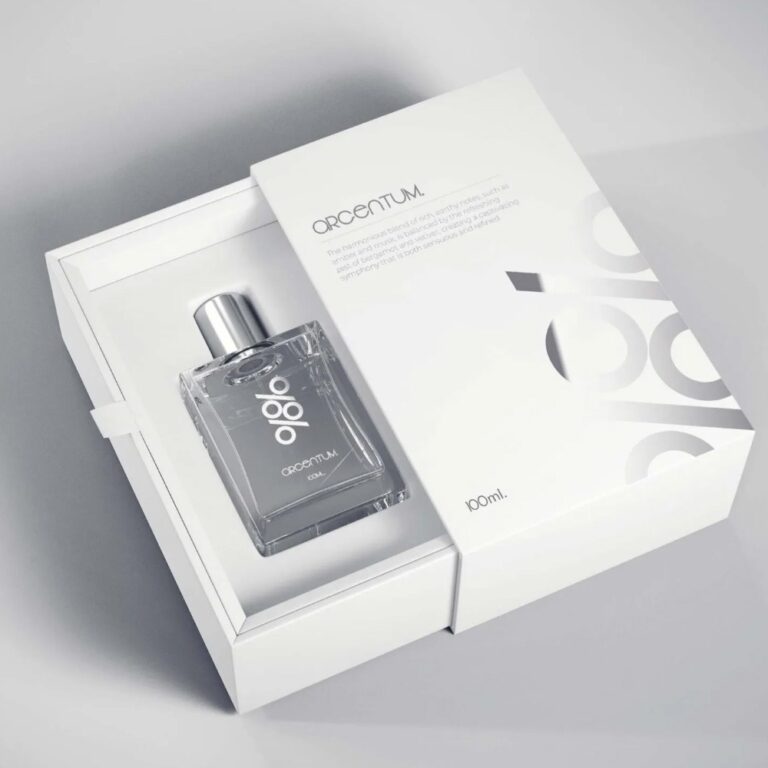
Выберите финиш одного героя (фольгирование, тиснение, точечная УФ-печати). Не складывайте все в стопку.
Постройте контраст с белое пространство и иерархия, а не случайная графика.
Используйте Крупный, читаемый шрифт. Если покупатель не может прочитать его с расстояния шага, он невидим.
Дизайн упаковки для установления контакта с потенциальными клиентами
Ваша упаковка - это молчаливый первый разговор. Она должна отвечать на вопросы до того, как покупатель их задаст.
Нанесение информации о продукте на упаковку
Постарайтесь быстро передать эти три пункта:
Что это такое?
Для кого это?
Почему я должен доверять ему?
Используйте короткие строки, значки и четкую структуру. Избегайте длинных абзацев. Если вам необходимо добавить дополнительную информацию, перенесите ее на боковые панели, а переднюю часть сделайте чистой.
Подарочные коробки для розничной торговли также могут заменять продавцов при реализации продукции
Ни один торговый представитель не расскажет о вашем продукте на полке или в посылке. Это должна сделать ваша коробка.
“Упаковка ”Тихий продавец"
Вот как создать коробку, которая продает без разговоров:
Добавить стек функций (не более 3-5 пуль), чтобы покупатели не гадали.
Используйте язык льгот, А не технические придирки.
Разместите сигналы доверия там, где их легко заметить: постоянство, отметки о качестве, подсказки по использованию, обещания бренда.
Для трансграничных и рыночных продавцов это просто золото, потому что покупатели хотят получить гарантии быстро. Вы также можете добавить небольшой момент “спасибо” внутри, чтобы уменьшить количество возвратов и увеличить количество отзывов. Практический пример - Раздвижная открытая шкатулка для украшений с благодарственной карточкой-Простой, прямой и созданный для момента распаковки.
И ваш продукт, и упаковочная коробка должны отвечать потребностям людей.
Подарочная коробка должна не только хорошо выглядеть. Она должна защищать продукт и быть удобной в использовании. Если коробка помята, неудобно открывается или не работает при транспортировке, покупатели не станут больше доверять бренду.
Защита и удобство использования
Используйте контрольный список основных потребностей:
Защита: Посадка вставки, прочность углов, защита от царапин
Удобство использования: плавное открытие/закрытие, без острых краев, без “застревания” фрикциона
Ясность: четкая маркировка SKU/вариантов, чтобы покупатели не смешивали версии
При изготовлении коробок для розничной упаковки подарков необходимо тщательно продумать и изучить все нюансы.
Индивидуальная упаковка сходит с рельсов, когда команды пропускают “скучные” этапы: подтверждение линий, тестирование посадки вкладыша, контроль печати и контрольные точки производства.
Планирование OEM/ODM и крупносерийного производства
Если вы покупаете оптом, вам нужен повторяющийся результат, а не сюрпризы. Используйте простой рабочий процесс:
Определите канал (розничная полка, торговая площадка, подарок, оптовая торговля)
Выберите конструкцию (ящик / магнит / крышка-основание)
Параметры блокировки (размер, бумага, отделка, вставка, правила печати)
Проба → доработка → предпроизводственный контроль → массовый тираж
Добавьте контрольные точки контроля качества, чтобы партия за партией оставалась последовательной
Здесь также важен партнер заводского типа, особенно для оптовиков и владельцев брендов, которым необходимо стабильное качество при масштабировании.
Фиксация характеристик + цикл выборки + контрольные точки QC
Стабильная производительность при больших объемах работы
Практические сценарии, которые вы можете включить в свой следующий проект.
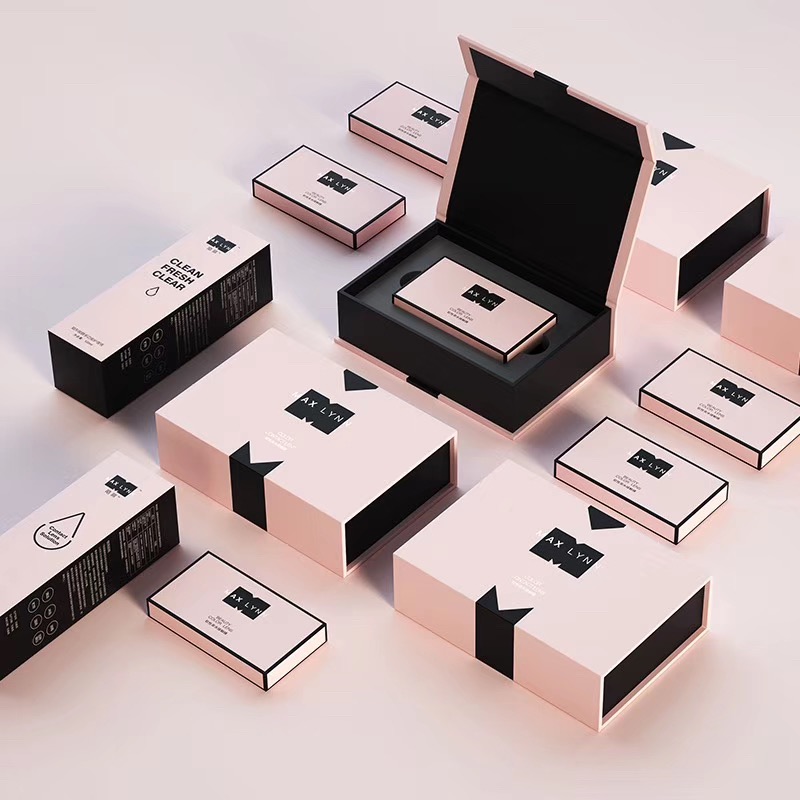
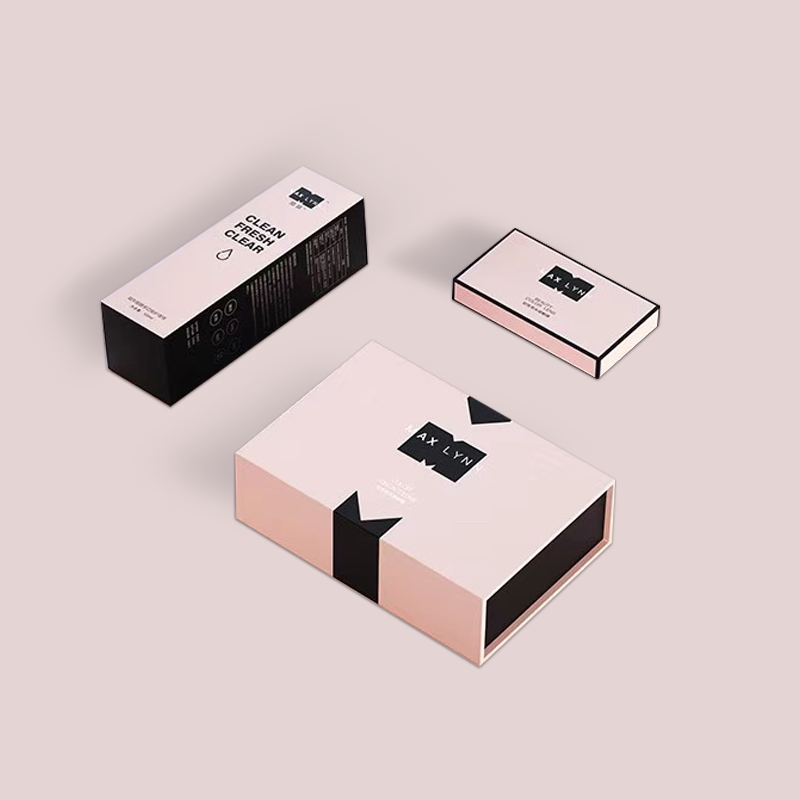
Наборы косметики: Используйте жесткую структуру + вставку для выравнивания элементов. Держите фронтальное сообщение в сжатом виде и с выгодой для себя.
Ювелирные украшения в подарок: Раскрытие ящика + открытка с благодарностью вызывают эмоции и уменьшают количество “дешевых” предположений.
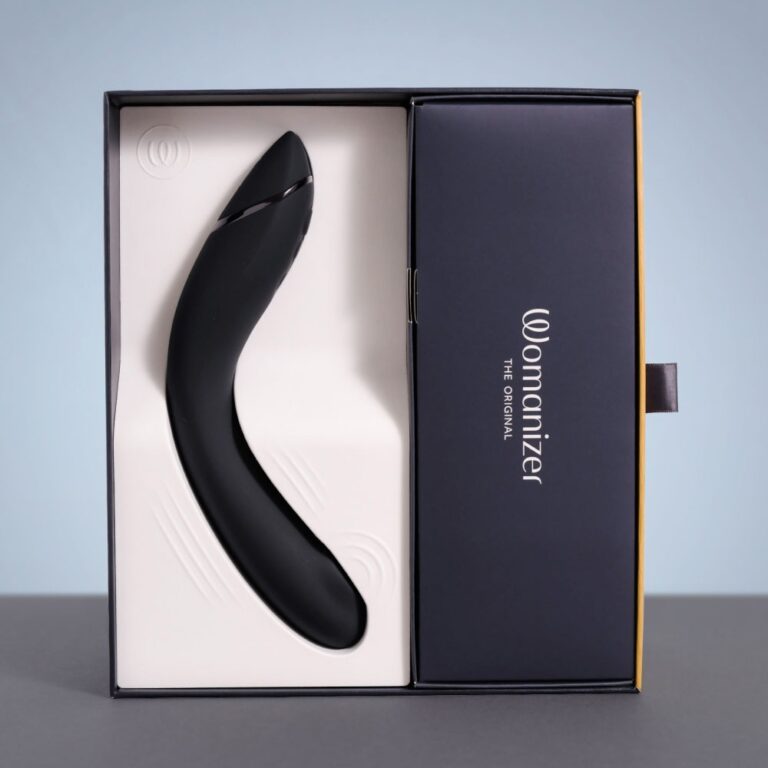
Аксессуары для электроники: Лоток/держатель + прочные края - это сигнал “безопасно и организованно”.”
Оптовые запасы: Стандартизируйте спецификации, чтобы каждая партия выглядела одинаково на полке.
Если вы хотите быстро изучить структуры, прежде чем выбрать направление, просмотрите Продукция Zhibang, Затем направьте вопросы по спецификации через Свяжитесь с нами. Если ваш покупатель спросит о возможностях фабрики и контроле качества, вы можете указать ему на О нас.