إذا تجاوزت مخاوفك هيكل التغليف أو التفاصيل الفنية، فإن فريقنا الإداري مستعد للتدخل. يمكنك التحدث معنا مباشرةً بشأن التسعير أو الجداول الزمنية العاجلة أو المتطلبات الخاصة أو المشكلات التي لم يتم حلها والتي تحتاج إلى قرارات على مستوى أعلى للمشروع.
نحن نركز على إيجاد حلول عملية تحافظ على تقدم مشروع التعبئة والتغليف الخاص بك، سواء كان ذلك يعني مراجعة التكاليف أو تعديل خطط الإنتاج أو تنسيق تفاصيل التصدير أو مناقشة التعاون طويل الأجل في مجال البيع بالجملة.
تحدث إلى مهندس التغليف
الفريق الهندسي
احصل على إرشادات الخبراء بشأن هيكل الصندوق، واختيار الورق المقوى، وإعداد خط الإنتاج، والطباعة، والتشطيب، وموك وموك وأخذ العينات وتفاصيل الإنتاج قبل البدء في عرض أسعار التغليف المخصص.
تغطي هندسة التعبئة والتغليف عادةً الهيكل والمواد وعملية التصنيع وكفاءة التكلفة وحماية المنتج، لذا فإن هذه الصياغة تتماشى مع نقاط قرار التغليف الحقيقي للعلامة التجارية.
كيفية الحصول على علب تغليف القنب الصالحة للأكل في عام 2026
إذا كنت تبيع مأكولات القنب، فأنت تعلم بالفعل أن المنتج ليس الشيء الوحيد الذي يتم الحكم عليه. بل يتم الحكم على العلبة أيضاً. يجب أن يحمي المنتج القابل للأكل، وأن يظل متوافقًا وممتثلًا ومظهرًا ممتازًا، وأن يظل يعمل بسلاسة عبر سلسلة التوريد الخاصة بك.
يرشدك هذا الدليل إلى كيفية حصول المشترين فعليًا على العبوات الصالحة للأكل في عام 2024 - باستخدام مواصفات عملية وحالات استخدام واقعية وقائمة مراجعة للمشتريات يمكنك تسليمها إلى المورد. سأوضح أيضًا أين يناسب Zhibang إذا كنت تريد دعم تصنيع المعدات الأصلية/التصنيع حسب الطلب، والطلب بالجملة، ومراقبة الجودة المستقرة من مصنع تغليف الورق في شنتشن (الصفحة الرئيسية لزيبانغ).
ابدأ بـ “متطلبات الحماية” واختر الورق المقوى الصلب
قبل أن تختار “صندوقاً جميلاً”، قم بتأمين احتياجاتك من الحماية. هذا هو الجزء الذي تتخطاه معظم العلامات التجارية، ثم يتساءلون عن سبب تحطم الزوايا أو انزلاق الحشوات أو شعور الصندوق بالضعف عند البيع بالتجزئة.
قناة الشحن: إرسال بريد DTC، علب كرتون بالجملة، توصيل المستوصفات
سلوك الرف:: شاشة عرض قائمة بذاتها، وعلامة تعليق، وسحب درج، ومجموعة هدايا
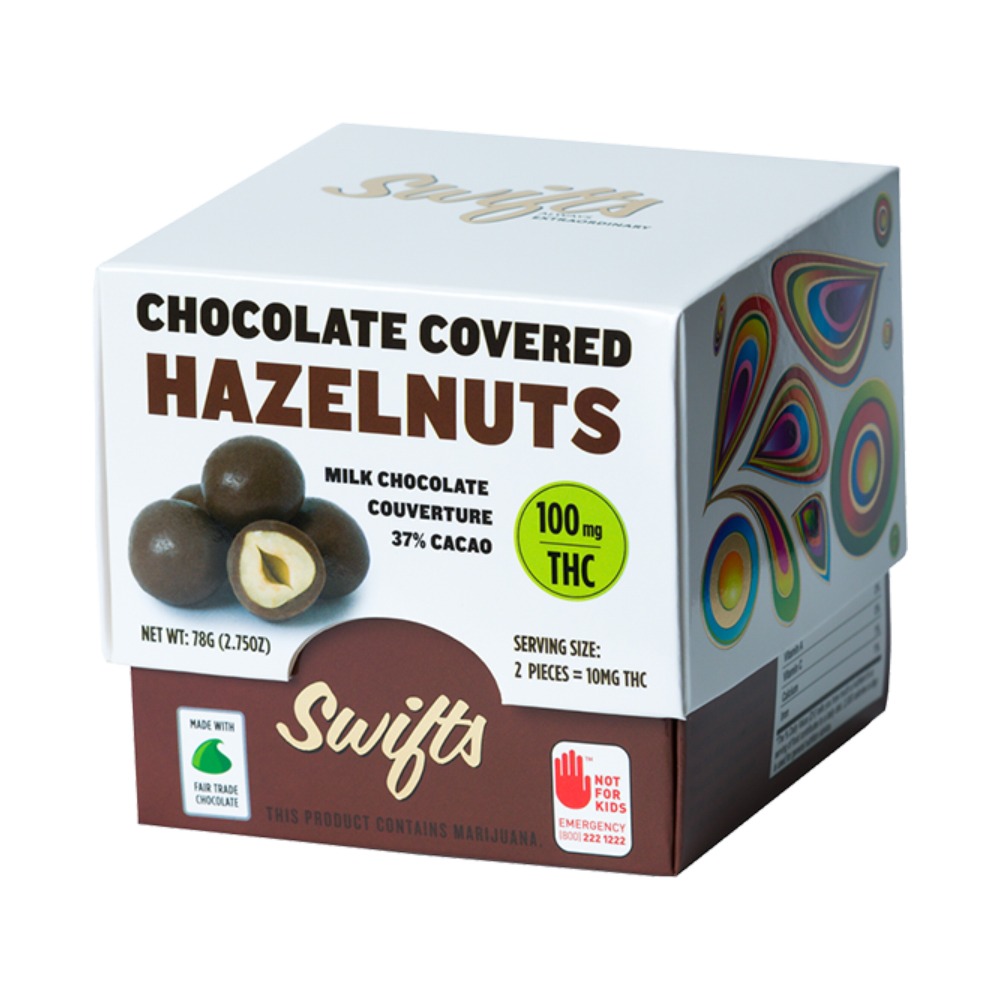
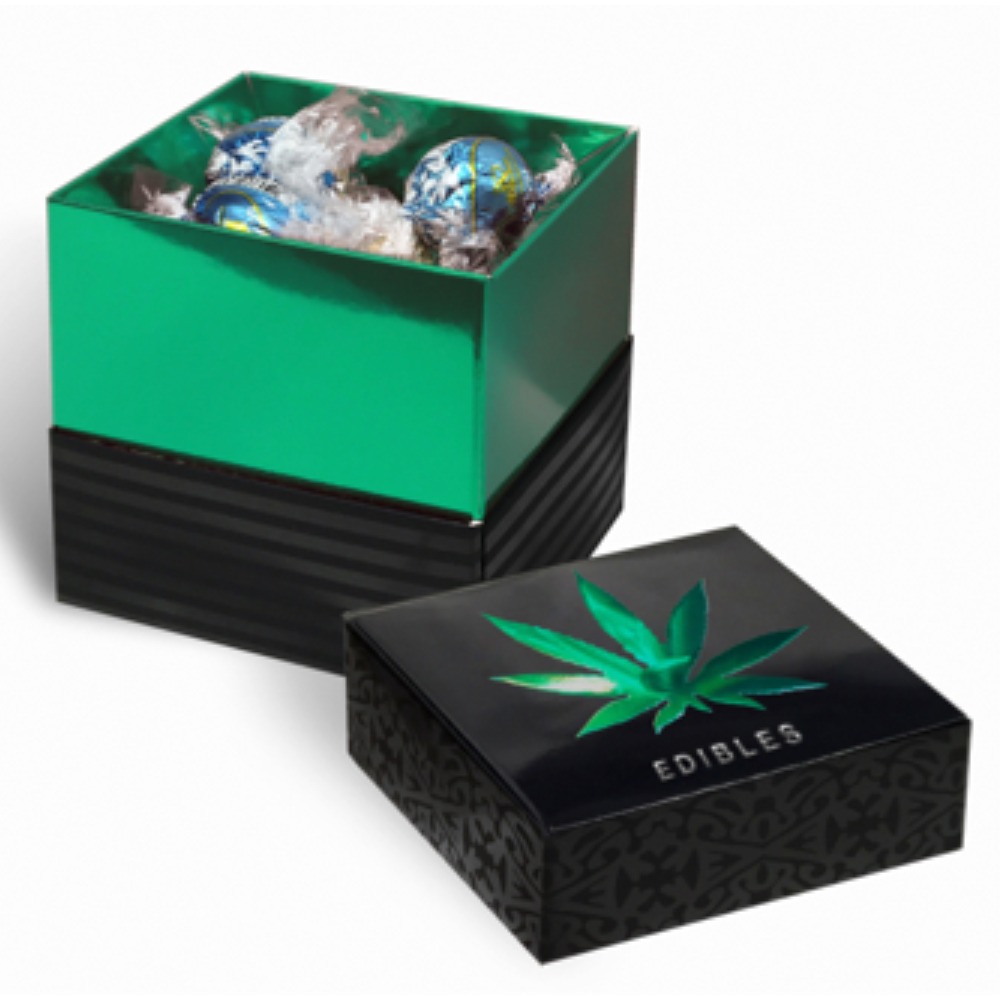
إذا كنت تبيع عبوات متعددة أو مواد غذائية فاخرة، فعادةً ما تفوز الصناديق الورقية الصلبة. فهي تحافظ على الشكل، وتمنحك شعورًا راقيًا، وتمنحك مساحة للطباعة النظيفة بالإضافة إلى معلومات الامتثال.
إذا كنت تتصفح الهياكل، ابدأ من كتالوج منتجات المورد حتى لا تعيد اختراع العجلة. تحتفظ Zhibang بقائمة كاملة تحت المنتجات.
يجب أن يظل هيكل العبوة وتخطيط المعلومات قابلاً للقراءة
غالبًا ما تحمل العبوات الصالحة للأكل الكثير: قصة العلامة التجارية، وإرشادات الجرعة، والتحذيرات، ومعلومات الدفعة، والباركود. إذا لم تخطط للتخطيط مبكرًا، فسوف ينتهي بك الأمر بنصوص صغيرة ولوحات مزدحمة وبقع ملصقات في اللحظة الأخيرة.
احجز “منطقة التتبع” (الدفعة/الكمية + التاريخ + الرمز الشريطي/QR)
احتفظ باللوحة الأمامية لـ العلامة التجارية + اسم المنتج + الشكل
حدد ما إذا كنت ستطبع البيانات المتغيرة لاحقًا أو ستطبعها في الخط
يؤثر قرار التخطيط هذا على حجم الصندوق، وخطوط الطباعة، وطريقة الطباعة. كما يؤثر على السرعة على خط التعبئة.
قائمة مراجعة الامتثال لتغليف القنب الصالح للأكل
يختلف الامتثال حسب الولاية/البلد، لذا لا تتعامل مع أي قائمة مرجعية على أنها قانون عالمي. ومع ذلك، يواجه معظم المشترين نفس المواضيع الأساسية: ميزات مقاومة الأطفال والتعتيم ومساحة التسمية. ستتحرك بشكل أسرع عندما تتعامل مع الامتثال على أنه مشكلة هندسة تغليف، وليس مجرد “نص قانوني”.”
غالبًا ما تتضمن عبوات الامتثال عبوات مقاومة للأطفال، وعبوات غير شفافة، ومعلومات الملصق
فكر في الامتثال على أنه ثلاث طبقات:
التحكم في الوصول (آليات مقاومة الأطفال)
التحكم في الرؤية (معتم أو إخفاء المنتج)
التواصل (مسح حقول التسمية + التحذيرات + معلومات الجرعة)
حتى إذا كنت تخطط لوضع ملصقات الامتثال النهائية محلياً، فلا يزال صندوقك بحاجة إلى مساحة مسطحة كافية لوضعها بشكل نظيف.
إذا كنت تقوم بإنشاء برنامج متعدد الحزم، فإن نمط الدرج المقاوم للأطفال هو أحد الاتجاهات الشائعة لأنه يمكن أن يجمع بين الهيكل + التفريغ المتميز. مثال مرجعي: تغليف صندوق الدرج المقاوم للأطفال.
يجب التعامل مع معايير مقاومة الأطفال على أنها أداء تغليف قابل للاختبار
لا تقبل عبارة “مقاوم للأطفال” كوعد غامض. من حيث المشتريات، أنت تريد من المورد أن يتعامل مع العبوات المقاومة للأطفال كمواصفات قابلة للقياس:
ما الآلية؟ ما هي الآلية؟ الضغط على زر، أو الضغط والانزلاق، أو الضغط والسحب، أو الدرج المقفل، إلخ.
هل هو استخدام واحد أو قابل للطي?
ما الاختبارات أو الشهادات التي يدعمها المورد (إذا كانت مطلوبة في السوق الذي تتعامل معه)؟
ما هو وضع الفشل إذا تشوه الصندوق أثناء الشحن؟
كما أن الهياكل الورقية المقاومة للطفل تتجه أيضاً لأن العلامات التجارية تريد استدامة الورق دون فقدان الأداء. الهيكل الشائع هو أنبوب ورقي مقاوم للأطفال للتنسيقات الصغيرة (النعناع، أو المأكولات الصغيرة، أو الخراطيش في الفئات المجاورة). مثال مرجعي: عبوات أنبوبية ورقية مقاومة للأطفال.
يجب أن تخطط العبوات الصالحة للأكل متعددة الاستخدامات للتغليف القابل لإعادة الغلق
تخلق المأكولات متعددة التقديم مشكلة بسيطة: بمجرد فتحها، يحتاج العملاء إلى طريقة لإغلاقها مرة أخرى. إذا تجاهلت ذلك، ستدفع الناس إلى مشابك الأكياس والتخزين الفوضوي. وهذا يضر بتصور العلامة التجارية ويزيد من شكاوى المنتجات.
بناءان عمليان:
علبة خارجية صلبة + كيس داخلي قابل للإغلاق (سرعة الخط السريع، حماية جيدة)
هيكل جامد قابل لإعادة الغلق (المزيد من القسط، المزيد من الهندسة)
عند كتابة طلب عرض الأسعار، اذكر ما إذا كان يجب أن يحتوي الصندوق على كيس أو صينية أو مقسم. الإدخالات مهمة أكثر مما يعتقد معظم الناس.
يجب تحديد المواد الملامسة للأغذية عندما تلامس المواد الصالحة للأكل العبوة
إذا كانت المواد الصالحة للأكل تلامس مباشرة أي جزء من العبوة (الغلاف الداخلي أو الصينية أو البطانة أو الطلاء)، تعامل معها كمشروع تغليف طعام، وليس “مجرد علبة”.”
ما يحدده المشترون عادةً:
حاجز أو طلاء للحد من انتقال الزيت/الشحوم (للشوكولاتة والمخبوزات)
التحكم في الرائحة (حتى لا “تبث” الكرتونة أثناء الشحن)
أحبار غير مهاجرة وخيارات تشطيب نظيفة (خاصة على الأسطح الداخلية)
حتى عندما يكون الطعام مغلفاً بالفعل، فإن البيئة الدهنية أو المعطرة يمكن أن تسبب مشاكل أثناء النقل.
تجنب عناصر التصميم الجاذبة للشباب وتقليل مخاطر “التشابه”
تعيش المأكولات الغذائية في منطقة صعبة: يمكن أن تبدو مثل الحلوى، لذلك ينتبه المنظمون وتجار التجزئة إلى العبوات التي تبدو مرحة للغاية.
تجنب عناصر التصميم الجذابة للشباب في تصميم عبوات القنب الصالحة للأكل
أسهل طريقة للبقاء بعيدًا عن المشاكل هي الحفاظ على نظام التصميم الخاص بك “مشفّرًا للكبار”:
تجنب الشخصيات الكرتونية والرسوم التوضيحية التي تشبه الألعاب
تجنب الزخرفة الصاخبة بأسلوب الحلوى
استخدام الطباعة المضبوطة والتسلسل الهرمي الواضح والتشطيبات المتميزة
إبقاء إشارات النكهة خفية
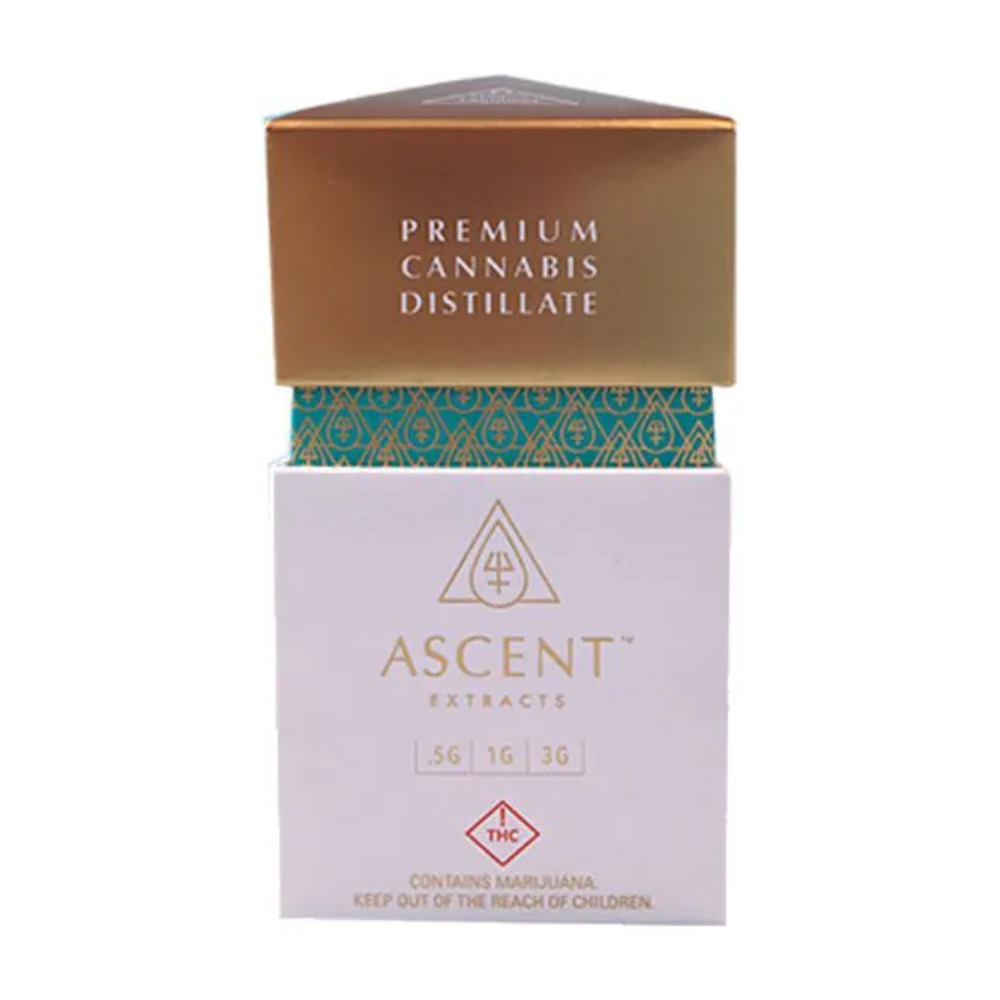
إذا كنت ترغب في الحصول على مظهر متميز دون صراخ، فإن التشطيبات مثل الأشعة فوق البنفسجية الموضعية والختم بالرقائق المعدنية الساخنة والنقش/الزخرفة والتصفيح بالرقائق المعدنية الناعمة يمكن أن ترفع الصندوق مع الحفاظ على المظهر الناضج.
يجب استخدام رسومات النكهة بعناية لتجنب إرباك المستهلكين
لا يزال العملاء يرغبون في معرفة النكهة. الحيلة هي التوازن.
نهج أنظف:
استخدم النكهة كـ جديلة ثانوية, ، وليس المرئي الرئيسي
ضع النكهة في نص (“علكة المانجو بالفلفل الحار”) مع رسم صغير مميز
حافظ على اللوحة الأمامية من أن تبدو كعلبة حلوى سائدة
احتفظ بصور ذات نكهة ثقيلة للوحة الداخلية أو اللوحة الجانبية
لا يتعلق الأمر بجعل العلبة مملة. بل يتعلق الأمر بجعلها عبوة حشيش لا لبس فيها ولا غموض، وليس تقليدًا للحلوى.
استراتيجية الموردين المحليين مقابل استراتيجية الموردين عبر الإنترنت للصناديق المخصصة
يتساءل الناس: “هل يجب أن أشتري محليًا أم من الخارج؟ السؤال الأفضل هو: ما هي المرحلة التي أنت فيها، وما هي المشاكل التي تحاول تجنبها؟
يجب أن تتطابق استراتيجية الموردين مع حجم طلبك والمهلة الزمنية واحتياجات تصنيع المعدات الأصلية/التصنيع حسب الطلب
أنماط المشتري الشائعة:
علامة تجارية في المراحل المبكرة/مجموعات صغيرة: ستهتم بأخذ العينات السريعة والمرونة.
تجار الجملة/الموزعون/الموزعون/العلامات الخاصة: ستهتم باستمرارية التوريد، واتساق الطباعة، والتغليف الذي يناسب منتجات متعددة بأقل قدر من التغييرات في الخطوط.
يناسب وضع Zhibang المشترين الذين يريدون الصناديق المخصصة + الطباعة + الطباعة, دعم مصنعي المعدات الأصلية/مصنعي المعدات الأصلية, و الإنتاج بالجملة بالجملة من Shenzhen. إذا كنت ترغب في التحقق من القدرة وسير العمل بشكل سليم، فابدأ بـ نبذة عنا.
يجب أن تكون الشهادات والمستندات جزءًا من طلب الشراء الخاص بك
إذا تعاملت مع الأعمال الورقية كفكرة لاحقة، فسوف تضيع الوقت أثناء الإعداد مع تجار التجزئة أو عمليات التحقق من الامتثال أو عمليات التدقيق. ضعها مباشرةً في مخرجات أوامر الشراء الخاصة بك.
قائمة الوثائق النموذجية:
ورقة مواصفات المواد (الورق المقوى، والطلاء، والإدخالات)
مواصفات الطباعة (Pantone/CMYK، ملاحظات التشطيب)
الموافقة على خط الأساس وتأكيد العمل الفني النهائي
ملاحظات أداء العبوة لآلية مقاومة الأطفال (عند الاقتضاء)
نقاط فحص مراقبة الجودة للإنتاج بالجملة
عندما تحتاج إلى التحرك بسرعة، من المفيد العمل مع مورد يدير ذلك بالفعل كنظام. إذا كنت تريد تدفق أسعار لا يتأخر، استخدم اتصل بنا.
حالات الاستخدام العملي لتعبئة وتغليف المواد الغذائية للقنب
فيما يلي “مشاهد” المشتري الحقيقي التي تظهر في 2024. استخدمها لاختيار الهيكل بشكل أسرع.
علكات DTC التي يتم شحنها في رسائل بريدية: إعطاء الأولوية لمقاومة السحق والتحكم في الاحتكاك ومساحة الملصق. مراعاة الصلابة + ملحق جامد حتى لا تهتز البرطمانات.