Si su preocupación va más allá de la estructura del envase o los detalles técnicos, nuestro equipo de gestión está preparado para intervenir. Puede hablar con nosotros directamente sobre precios, plazos urgentes, requisitos especiales o cuestiones sin resolver que requieran decisiones de proyecto de mayor nivel.
Nos centramos en encontrar soluciones prácticas para que su proyecto de envasado siga avanzando, ya sea revisando costes, ajustando planes de producción, coordinando detalles de exportación o debatiendo una cooperación mayorista a largo plazo.
Hable con el ingeniero de envasado
Equipo de ingeniería
Obtenga asesoramiento experto sobre la estructura de la caja, la selección del cartón, la configuración de la línea de producción, la impresión, el acabado, la cantidad mínima de piezas, el muestreo y los detalles de producción antes de comenzar su presupuesto de envasado personalizado.
La ingeniería de envasado suele abarcar la estructura, los materiales, el proceso de fabricación, la rentabilidad y la protección del producto, por lo que esta redacción se ajusta a los puntos de decisión reales de los envases de marca.
Cómo adquirir cajas de envases comestibles de cannabis en 2026
Si vendes comestibles de cannabis, ya sabes que el producto no es lo único que se juzga. También se juzga la caja. Tiene que proteger el comestible, cumplir la normativa, tener un aspecto de primera calidad y seguir funcionando sin problemas a lo largo de la cadena de suministro.
Esta guía explica a los compradores cómo adquirir envases comestibles en 2024, con especificaciones prácticas, casos de uso reales y una lista de comprobación de compras que puede entregar a un proveedor. También le mostraré dónde encaja Zhibang si desea soporte OEM/ODM, pedidos al por mayor y un control de calidad estable de una fábrica de envases de papel de Shenzhen (Página principal de Zhibang).
Empiece por los “requisitos de protección” y elija cartón rígido
Antes de elegir una “caja bonita”, fije sus necesidades de protección. Esta es la parte que la mayoría de las marcas se saltan, y luego se preguntan por qué las esquinas se aplastan, los insertos se deslizan o la caja parece endeble en el punto de venta.
Aquí tienes la lista de especificaciones que te ahorrará dolores de cabeza:
Formato del productogominolas, chocolates, productos de pastelería, pastillas de menta, tabletas
Estilo de envaseuna porción frente a varias porciones
Riesgos de fracasocalor, humedad, migración de aceite, rozaduras, aplastamiento
Canal de envío: DTC mailer, cartones para mayoristas, entrega a dispensarios
Comportamiento de las estanteríasexpositor de pie, lengüeta para colgar, tirador de cajón, set de regalo
Si vende envases múltiples o productos comestibles de primera calidad, las cajas de cartón rígido suelen ser las mejores. Mantienen la forma, son elegantes y ofrecen espacio para impresiones limpias e información de cumplimiento.
Si está buscando estructuras, empiece por el catálogo de productos del proveedor para no reinventar la rueda. Zhibang tiene una lista completa en Productos.
La estructura del envase y el diseño de la información deben ser legibles
Los envases comestibles suelen llevar mucho: la historia de la marca, indicaciones de dosificación, advertencias, información sobre el lote y código de barras. Si no planifica el diseño con antelación, acabará con textos diminutos, paneles abarrotados y parches de última hora en las etiquetas.
Una forma limpia de manejar esto:
Reservar un “panel regulador” (advertencia + dosis + ingredientes)
Reservar un “zona de trazabilidad” (lote + fecha + código de barras/QR)
Conserve el panel frontal para marca + nombre del producto + formato
Decida si imprimirá los datos variables más tarde o los imprimirá en línea
Esta decisión afecta al tamaño de la caja, la línea de producción y el método de impresión. También afecta a la velocidad en la línea de envasado.
Lista de control del envasado de comestibles de cannabis
El cumplimiento varía según el estado o el país, así que no considere ninguna lista de comprobación como una ley universal. Aun así, la mayoría de los compradores se topan con los mismos temas básicos: características de seguridad para niños, opacidad y espacio de etiquetado. Avanzará más rápido si trata el cumplimiento como un problema de ingeniería de embalajes, no sólo como un “texto legal”.”
Los envases conformes suelen incluir envases a prueba de niños, envases opacos e información en la etiqueta
Piense en el cumplimiento como en tres capas:
Control de acceso (mecanismos a prueba de niños)
Control de visibilidad (opaco o que enmascara el producto)
Comunicación (campos claros de la etiqueta + advertencias + información sobre la dosis)
Incluso si piensa aplicar las etiquetas de conformidad final in situ, la caja necesita una superficie plana suficiente para que queden bien colocadas.
Si está creando un programa multipaquete, un estilo de cajón a prueba de niños es una dirección común porque puede combinar estructura + unboxing premium. Ejemplo de referencia: embalaje de cajones a prueba de niños.
Las normas de seguridad para niños deben tratarse como prestaciones de envasado comprobables
No acepte “a prueba de niños” como una promesa vaga. En términos de contratación, usted quiere que el proveedor trate los envases a prueba de niños como una especificación medible:
¿Qué mecanismo? pulsador, pulsar y deslizar, apretar y tirar, cajón cerrado, etc.
¿Lo es? de un solo uso o recerrable?
¿Qué pruebas o certificaciones admite el proveedor (si se exigen en su mercado)?
¿Cuál es el modo de fallo si la caja se deforma durante el transporte?
Las estructuras de papel a prueba de niños también están de moda porque las marcas quieren que el papel sea sostenible sin perder rendimiento. Una estructura común es tubo de papel a prueba de niños para formatos pequeños (caramelos de menta, comestibles pequeños o cartuchos en categorías adyacentes). Ejemplo de referencia: envases de tubo de papel a prueba de niños.
Los envases comestibles multiservicio deben prever envases resellables
Los comestibles de varias raciones plantean un sencillo problema: una vez abiertos, los clientes necesitan una forma de volver a cerrarlos. Si se ignora esto, se empujará a la gente a utilizar clips para bolsas y a un almacenamiento desordenado. Esto perjudica la percepción de la marca y aumenta las quejas sobre el producto.
Dos construcciones prácticas:
Caja rígida exterior + bolsa interior resellable (velocidad de línea rápida, buena protección)
Estructura rígida recerrable (más prima, más ingeniería)
Cuando redacte su petición de oferta, indique si la caja debe contener una bolsa, una bandeja o un separador. Los insertos son más importantes de lo que la mayoría de la gente cree.
Los materiales en contacto con los alimentos deben especificarse cuando el comestible toca el envase
Si su comestible toca directamente cualquier parte del envase (envoltorio interior, bandeja, forro o revestimiento), trátelo como un proyecto de envasado de alimentos, no como “una simple caja”.”
Lo que suelen especificar los compradores:
barrera o recubrimiento para reducir la transferencia de aceite o grasa (para chocolates y productos horneados)
control de olores (para que su cartón no “emita” durante el envío)
tintas que no migran y opciones de acabado limpias (especialmente en las superficies interiores)
Incluso cuando el comestible ya está envuelto, un entorno grasiento o perfumado puede causar problemas durante el transporte.
Evitar elementos de diseño que atraigan a los jóvenes y reducir el riesgo de “parecerse”.
Los comestibles viven en una zona delicada: pueden parecer caramelos, por lo que los reguladores y los minoristas prestan atención a los envases que parecen demasiado juguetones.
Evitar elementos de diseño atractivos para los jóvenes en el diseño de envases de comestibles de cannabis
La forma más fácil de no meterse en líos es mantener su sistema de diseño “codificado para adultos”:
evitar personajes de dibujos animados e ilustraciones de juguete
evitar los estampados estridentes tipo caramelo
uso de tipografía controlada, jerarquía clara y acabados de primera calidad
mantener sutiles las señales de sabor
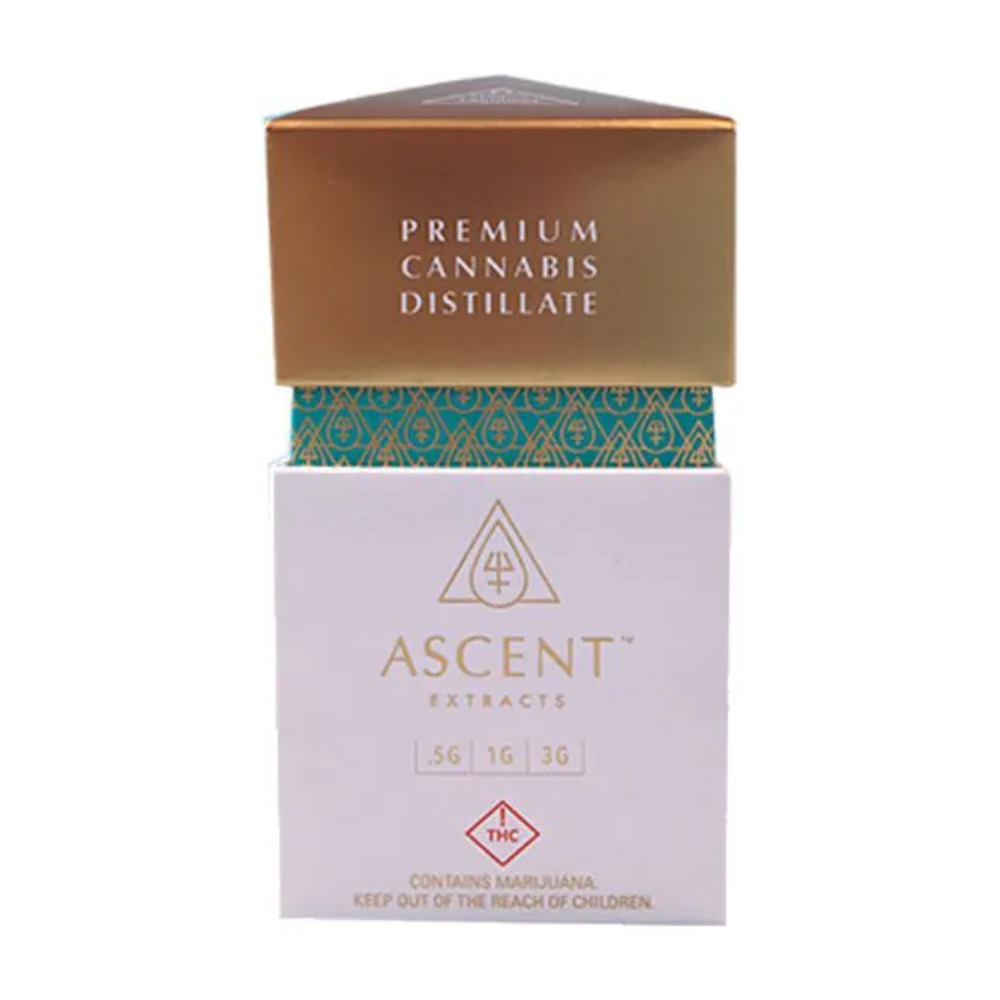
Si desea un aspecto de primera calidad sin gritar, acabados como el UV directo, estampación en caliente, gofrado/grabado y laminación suave al tacto puede levantar la caja manteniendo el ambiente adulto.
Los gráficos de sabores deben utilizarse con cuidado para evitar la confusión del consumidor
Los clientes siguen queriendo conocer el sabor. El truco está en el equilibrio.
Un enfoque más limpio:
Utilizar el sabor como señal secundaria, no el visual principal
Ponga el sabor en texto (“Mango Chili Gummies”) con un pequeño gráfico de acento
Evita que el panel frontal parezca una caja de caramelos convencional
Reserva las imágenes de sabor intenso para el panel interior o lateral
No se trata de que la caja sea aburrida. Se trata de que sea un envase inconfundible de cannabis, no una imitación de un caramelo.
Estrategia de proveedores locales frente a proveedores en línea para cajas personalizadas
La gente pregunta: “¿Debo comprar en el país o en el extranjero?”. Una pregunta mejor es: ¿En qué fase se encuentra y qué problemas intenta evitar?
La estrategia de proveedores debe ajustarse a su volumen de pedidos, plazos de entrega y necesidades de OEM/ODM.
Patrones de compra habituales:
Marca en fase inicial / pequeñas tiradas: Le importarán la rapidez de muestreo y la flexibilidad.
Escalado de marca / multi-SKU: Le importarán el color estable, el control de calidad repetible y los niveles de precios al por mayor.
Mayoristas / distribuidores / marcas blancas: Se preocupará por la continuidad del suministro, la coherencia de la impresión y un envasado que se adapte a varios productos con cambios mínimos en la línea de producción.
El posicionamiento de Zhibang se adapta a los compradores que desean cajas personalizadas + impresión, Asistencia OEM/ODM, y producción al por mayor a granel de Shenzhen. Si quiere comprobar la capacidad y el flujo de trabajo, empiece por Quiénes somos.
Los certificados y documentos deben formar parte de su orden de compra
Si trata el papeleo como algo secundario, perderá tiempo durante la incorporación con los minoristas, las comprobaciones de conformidad o las auditorías. Inclúyalo directamente en los entregables de su pedido.
Lista de documentación típica:
hoja de especificaciones del material (cartón, revestimientos, insertos)
especificaciones de impresión (Pantone/CMYK, notas de acabado)
Aprobación de la línea de producción y confirmación del diseño final
notas sobre las prestaciones del envase para el mecanismo de seguridad para niños (cuando proceda)
Puntos de control de calidad para la producción en serie
Cuando hay que actuar con rapidez, resulta útil trabajar con un proveedor que ya funcione como un sistema. Si quiere un flujo de presupuestos que no se arrastre, utilice Contacte con nosotros.
Casos prácticos de envasado de comestibles a base de cannabis
A continuación se muestran “escenas” de compradores reales que aparecen en 2024. Utilízalas para elegir estructura más rápido.
Gominolas DTC que se envían por correoPrioridad a la resistencia al aplastamiento, el control de rozaduras y el espacio para etiquetas. Considere una inserción rígida + para que los tarros no traqueteen.
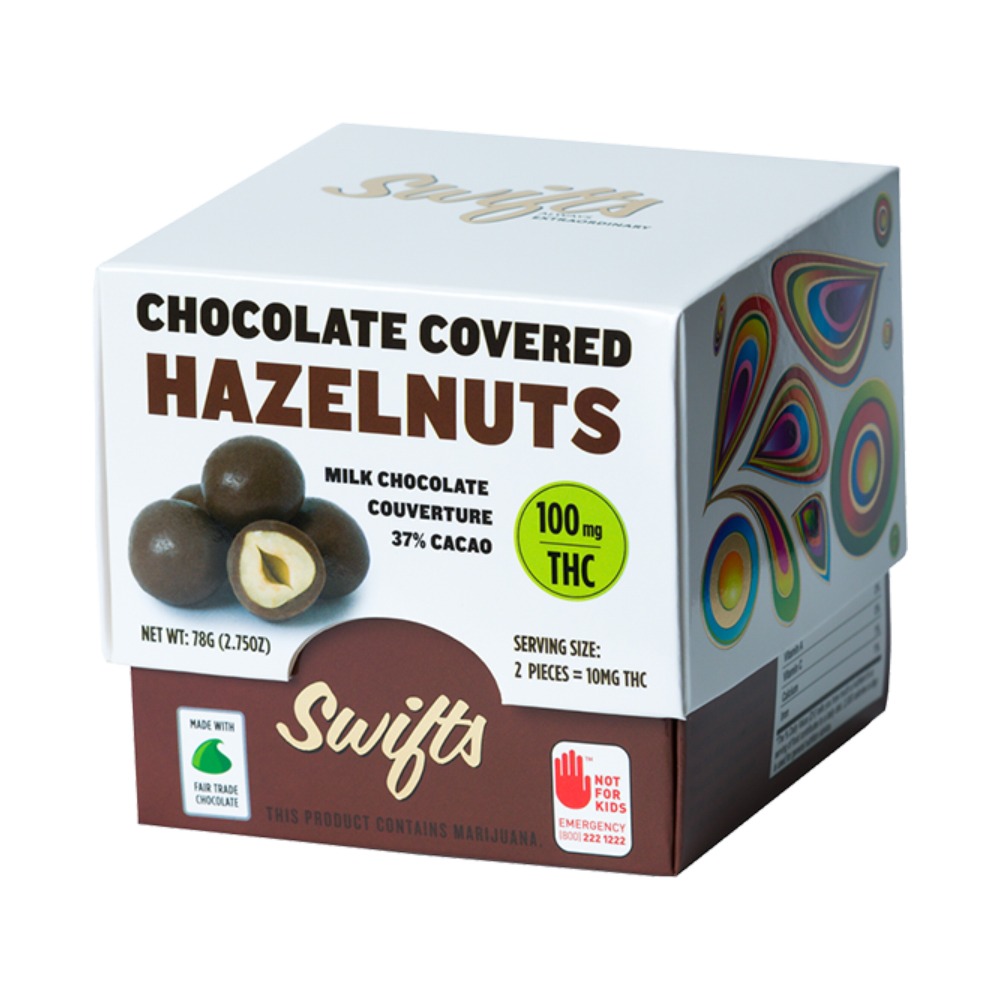
Chocolates al por mayorPrioridad a los problemas de barrera (aceite/grasa), esquinas resistentes y sensación de venta al por menor de primera calidad.
Estuches de regalo: dan prioridad a la estructura de apertura de la caja (cierre magnético, cajón o tipo libro), además de un panel de conformidad limpio.
Programas multi-SKUestandarizar la caja exterior e intercambiar los insertos para reducir el caos de la línea de diámetros.
Lista de control para la adquisición de cajas de envases comestibles de cannabis
Utilice esta tabla como hoja de especificaciones interna. Convierte un “quiero una caja premium” en una petición de oferta limpia que las fábricas pueden presupuestar y producir.
Palabra clave
Por qué es importante
Qué escribir en su petición de oferta
Referencia Zhibang
Requisitos de protección
Reduce los daños en tránsito y los rechazos en el comercio minorista
calidad del cartón, resistencia de las esquinas, tipo de inserto, expectativas de caída/aplastamiento