Se a sua preocupação vai para além da estrutura da embalagem ou dos detalhes técnicos, a nossa equipa de gestão está pronta a intervir. Pode falar connosco diretamente sobre preços, prazos urgentes, requisitos especiais ou questões não resolvidas que necessitem de decisões de projeto de nível superior.
Concentramo-nos em encontrar soluções práticas que façam avançar o seu projeto de embalagem, quer isso signifique rever custos, ajustar planos de produção, coordenar detalhes de exportação ou discutir uma cooperação grossista a longo prazo.
Falar com o Engenheiro de Embalagem
Equipa de engenharia
Obtenha orientação especializada sobre a estrutura da caixa, a seleção do cartão, a configuração da linha de produção, a impressão, o acabamento, o MOQ, a amostragem e os detalhes da produção antes de iniciar o seu orçamento de embalagens personalizadas.
A engenharia de embalagens abrange normalmente a estrutura, os materiais, o processo de fabrico, a eficiência de custos e a proteção do produto, pelo que esta redação está alinhada com os pontos de decisão reais das embalagens de marca.
Compreender as caixas de cosméticos: Elevando a imagem da marca e a experiência do consumidor
Quando se vende cosméticos, a “caixa” não é apenas um contentor. É o seu primeiro representante de vendas, o seu seguro de transporte e o seu guião de desembalagem - muitas vezes tudo no mesmo centímetro quadrado. Se é proprietário de uma marca, comprador OEM/ODM, vendedor na Amazon ou distribuidor, já deve ter sentido a mesma dor: amolgadelas em trânsito, presença monótona nas prateleiras, inserções desarrumadas e embalagens que parecem de primeira qualidade nas renderizações, mas baratas na vida real.
A Zhibang (uma fábrica de embalagens de papel de Shenzhen centrada em caixas personalizadas, vendas por grosso a granel e OEM/ODM) constrói caixas de cosméticos tendo em conta essa pressão do mundo real - incluindo tempos de espera, controlo de qualidade e produção escalável.
Caixas de embalagem e primeira impressão em embalagens de cosméticos
As pessoas julgam depressa. Na beleza, julgam ainda mais depressa.
Uma caixa de cosméticos molda o que os clientes pensam antes de tocarem na fórmula. Numa prateleira de retalho, tem de ganhar um “pick up” numa fração de segundo. Na Internet, tem de ter um aspeto limpo nas miniaturas e sobreviver ao cumprimento da encomenda. Para o DTC, tem de ganhar UGC. É por isso que as marcas inteligentes tratam as caixas de embalagens de cosméticos como parte do produto, não como uma reflexão tardia.
Se estiver a mapear as suas embalagens para os canais, comece por aqui: impacto na prateleira, abuso de transporte, e unboxing partilhabilidade. Não precisa de uma história bonita. Precisa de uma caixa que funcione.
Proteção do produto e controlo de danos em trânsito para caixas de cosméticos
Se o produto chegar avariado, nada mais importa.
Os cosméticos são frequentemente enviados com frascos de vidro, recipientes para pó compacto, bombas e espelhos. Isto significa que é necessário mais do que “bonito”. Precisa de força estrutural e de um plano de inserção sólido.
Tácticas práticas que reduzem os danos e as devoluções:
Utilize caixas de configuração rígidas para SKUs frágeis e conjuntos de oferta.
Adicione inserções em EVA/espuma ou moldadas para um ajuste apertado e anti-vibração.
Escolha fechos que permaneçam fechados durante o transporte (magnéticos, fricção de gaveta ou fecho bem concebido).
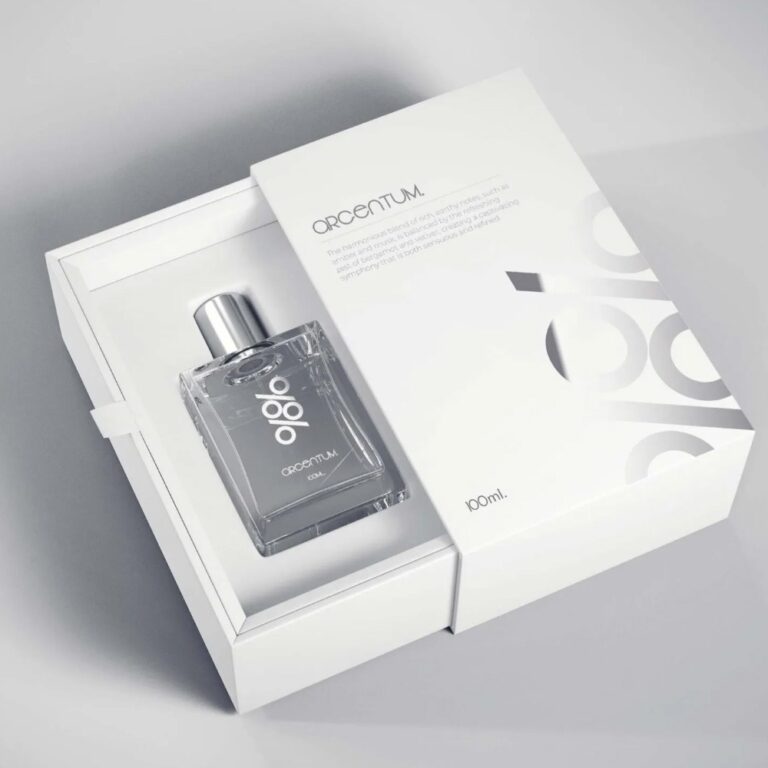
Por exemplo, uma caixa rígida com uma inserção dedicada é concebida para proteção e apresentação, razão pela qual as marcas escolhem frequentemente uma estrutura como esta caixa rígida personalizada para embalagem de cosméticos para produtos de cuidados da pele de primeira qualidade ou conjuntos de conta-gotas.
Conceção da estrutura da caixa e interação com o consumidor
A estrutura é uma aproximação silenciosa. Ela guia as mãos, a atenção e a emoção.
Uma experiência de abertura limpa pode fazer com que o produto pareça mais caro. Também reduz a “fricção”, que é importante quando os clientes filmam a abertura da caixa ou abrem presentes. Se quiser uma caixa que as pessoas realmente gostem de abrir, concentre-se em como abre, e não apenas a sua aparência.
Estruturas de elevado desempenho em beleza:
Fecho magnético: abertura/fecho suave, sinal de prémio forte.
Caixa de gavetasmomento de “revelação” incorporado, ótimo para conjuntos e kits.
Embalagem com janela: mostra a cor ou a silhueta do produto sem abrir.
Narrativa da marca e identidade visual consistente em caixas de cosméticos
Não é preciso ter um design ruidoso. Precisa de um design consistente.
Os clientes devem reconhecer a sua família de marcas em todas as SKUs. Isso resulta de regras que se repetem: sistema de cores, tipografia, colocação e opções de acabamento.
Detalhes do “sistema de marca” da embalagem que os compradores observam:
Correspondência Pantone entre tiragens (em vez de CMYK “suficientemente próximo”).
Colocação da folha de alumínio alinhada com o espaço livre do seu logótipo.
Se pretender uma referência pronta para estruturas e estilos em todas as categorias, comece pela Página inicial da Zhibang ou navegar no Coleção de produtos para ver como diferentes construções apoiam diferentes posições de marca.
Experiência de desembalagem e valor percebido em embalagens de cosméticos de luxo
A desembalagem não é uma coisa de mau gosto. É um valor percebido que se pode controlar.
Se os clientes comprarem para oferecer, subscreverem ou para serem influenciados por influenciadores, a caixa torna-se parte da história do produto. Um bom fluxo de desembalagem também reduz a confusão do cliente. Isso significa menos mensagens do tipo “como é que abro isto?” e menos devoluções devido à perceção de danos.
Elementos de desembalagem que funcionam com transporte e mãos reais:
Uma inserção confortável que faz com que o produto pareça “fechado”.”
Um movimento de abertura limpo (sem rasgar, sem bordos pegajosos).
Acabamentos que ficam bem na câmara: mate + UV pontual ou folha de alumínio de bom gosto.
Materiais de embalagem sustentáveis e alegações claras
A ecologia é importante para muitos compradores, mas o termo “ecológico” também acarreta riscos se prometer demasiado.
Se pretende promover a sustentabilidade, mantenha-a concreta:
Utilizar estruturas em papel reciclável sempre que possível.
Reduza ao mínimo os tabuleiros de plástico quando puder substituí-los por inserções de papel.
Evitar alegações vagas na embalagem. Mantenha uma redação específica e defensável.
Um caminho prático é começar com a construção em papel e depois otimizar as inserções e os revestimentos com base nas expectativas do seu mercado. Se pretender uma forma rápida de discutir as opções de materiais e a viabilidade da produção, o Página de contacto é o caminho mais rápido para uma recomendação favorável ao MOQ e ao prazo de entrega.
Rotulagem regulamentar e layout de informações para embalagens de cosméticos
A conformidade é a parte silenciosa do prémio.
As embalagens de cosméticos necessitam frequentemente de listas de ingredientes, espaço para lotes, avisos e texto multilingue. Uma má apresentação cria problemas: texto apertado, informações em falta ou colocação de rótulos em conflito com selos e códigos de barras.
Dicas de layout que evitam dores de cabeça:
Reservar um painel limpo para o código de barras + texto necessário.
Manter as cópias críticas afastadas de dobras e zonas de cola.
Planeie a aplicação de rótulos se estiver a colocar autocolantes no mercado.
Se vender além-fronteiras, este passo protege-o de penalizações da plataforma e de estornos do retalho. Também ajuda a sua embalagem a parecer “séria”, o que é um sinal de confiança.
Caixas de Cosméticos Personalizadas para OEM/ODM e Compradores por Atacado a Granel
A personalização não se resume a adicionar mais funcionalidades. Trata-se de escolher as funcionalidades corretas.
Para os compradores a granel, é normalmente importante:
Cor estável ao longo de várias tiragens.
Correção da linha de base e eficiência da montagem.
Ajuste da inserção e velocidade de embalagem para cumprimento.
Pontos de controlo do controlo de qualidade que impedem que os maus lotes cheguem ao seu armazém.
A Zhibang suporta o fabrico personalizado com fluxos de trabalho OEM/ODM, o que se adequa aos compradores que necessitam de qualidade repetível e produção escalável. Se estiver a construir uma linha de beleza a partir do zero, pode consultar uma direção de embalagem como embalagens de produtos de beleza por medida como ponto de partida para a estrutura + estilo de impressão.
Caixas de embalagens de cosméticos e comportamento de repetição de compra
Quando a embalagem parece fiável, os clientes confiam mais em si. E depois voltam a encomendar.
Parece simples, mas é real. Uma caixa que chega limpa, abre bem e tem um aspeto consistente faz com que toda a marca se sinta estável. Em beleza, estabilidade é igual a segurança, e segurança vende.
É por isso que as marcas experientes tratam a embalagem como uma alavanca de retenção:
Menos danos → menos reembolsos → melhores críticas.
Melhor presença nas prateleiras → maior taxa de vendas.
Melhor unboxing → mais partilhas → menor CAC ao longo do tempo.
Cenários práticos: Correspondência entre tipos de caixas de cosméticos e canais de vendas
Eis como os compradores costumam fazer corresponder as estruturas aos canais sem pensar demasiado nisso:
Cumprimento da Amazon/FBA ou 3PL: privilegiam a durabilidade e a rapidez de acondicionamento. Rígido com inserções seguras, zonas de código de barras limpas.
Prateleira de retalho: dão prioridade à “captação” e à clareza. As caraterísticas das janelas e a forte hierarquia do painel frontal ajudam.
Oferta/assinatura DTC: dar prioridade ao fluxo de desembalagem. As caixas de gavetas ou os fechos magnéticos funcionam bem.
Distribuidor/grossista: dar prioridade a tiragens repetíveis, cores estáveis e controlo de qualidade consistente.
Lista de verificação de embalagens de cosméticos para compradores
Se pretender uma análise interna rápida antes de solicitar orçamentos, verifique estes pontos:
A estrutura corresponde ao seu canal: retalho, DTC ou distribuição.
A inserção mantém o produto firme e acelera a embalagem.
A impressão e os acabamentos correspondem às regras da sua marca, e não a um caso isolado.
As zonas de etiquetas e códigos de barras estão limpas e em conformidade.
A conceção pode ser adaptada a encomendas em grandes quantidades sem surpresas em termos de controlo de qualidade.
Se estiver a comprar a granel ou a executar OEM/ODM, essa lista de verificação poupa tempo e protege as suas margens. Também facilita a conversa com o fornecedor, porque está a falar de especificações e não de vibrações.