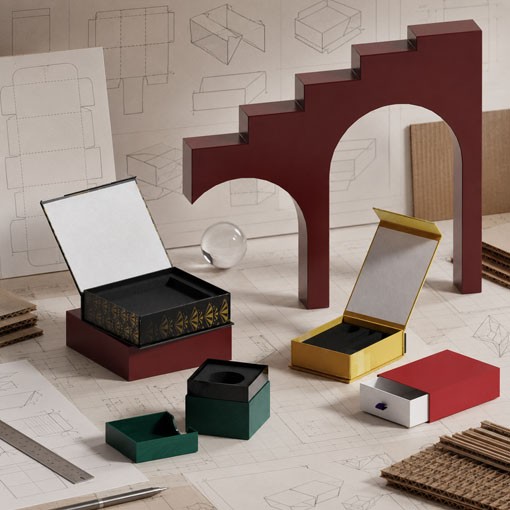
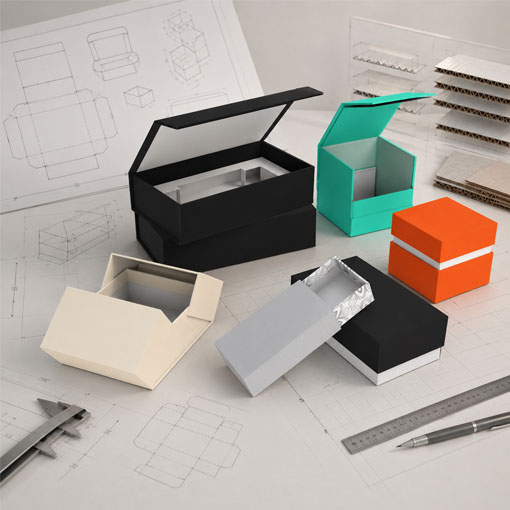
Obtenez des conseils d'experts sur la structure de la boîte, la sélection du carton, la configuration de la ligne de production, l'impression, la finition, la QMOS, l'échantillonnage et les détails de la production avant de commencer votre devis d'emballage personnalisé.
L'ingénierie de l'emballage couvre généralement la structure, les matériaux, le processus de fabrication, la rentabilité et la protection du produit, de sorte que cette formulation s'aligne sur les points de décision réels en matière d'emballage de marque.
Packaging failures rarely start in production, They start in under-specified structures
A beautiful box can still fail if the board grade, insert geometry, locking tab, flute direction, or compression profile is wrong. Structural engineering turns brand intent into a manufacturable, testable, and logistics-ready packaging system.
Problem: overbuilt or fragile packaging
Excess paperboard inflates unit cost and freight. Weak structures increase damage, returns, repacks, and customer complaints before the brand even gets shelf credit.
Agitation: hidden costs compound fast
A 2 mm misfit can force tooling revisions. Poor pallet cube can raise landed cost. An insert that shifts in transit can turn premium unboxing into a refund event.
Solution: engineer before you Buy
We define the structure, substrate, tolerances, prototype path, testing route, and production release criteria before tooling and mass production begin.
Select the right structure before cost, damage, or MOQ constraints select it for you.
Each packaging format requires different substrate logic, tolerance checks, fulfillment constraints, and validation paths. This matrix gives sourcing teams and engineers a faster basis for comparison.
A structural packaging program should not stop at a dieline. It should define how the package folds, loads, protects, ships, stacks, opens, displays, and scales.
CAD dieline engineering
Production-ready dielines with cut, crease, bleed, glue, fold, artwork-safe, and tolerance zones clearly documented.
Substrate optimization
Board-grade selection based on product weight, finish expectations, compression needs, print method, and sustainability goals.
Insert and retention design
Paperboard, corrugated, molded fiber, and premium insert systems engineered to reduce movement without overpacking.
Freight and palletization
Right-size structures for carton count, master-carton fit, pallet cube, flat-pack efficiency, and dimensional-weight reduction.
Proof that belongs in the buying journey, not buried in the footer.
Procurement teams need more than a rendering. They need material traceability, sample signoff, inspection criteria, and a clear validation path before committing to tooling.
Structural packaging engineering questions buyers ask before production
Direct answers for procurement teams, product marketers, packaging engineers, and operations stakeholders.
What is structural packaging engineering?
Structural packaging engineering defines the physical architecture of a package: board grade, dieline, folds, closures, inserts, protection zones, palletization, and production tolerances. Its purpose is to make packaging attractive, manufacturable, protective, and cost-efficient.
How is structural packaging design different from graphic packaging design?
Structural packaging design defines the package architecture, including dielines, folds, closures, substrates, inserts, and performance requirements. Graphic packaging design focuses on visual identity, typography, imagery, color, and brand messaging applied to that engineered structure.
Which packaging testing standards should be considered?
Many programs consider ISTA-style screening or general simulation procedures and ASTM D4169 distribution testing. The right path depends on product weight, fragility, fulfillment route, parcel carrier exposure, palletization, and retailer requirements.
How does engineering reduce packaging cost without weakening protection?
Cost reduction comes from right-sizing, material substitution, optimized flute direction, better insert geometry, flat-pack shipping, improved master-carton count, and lower dimensional weight. The goal is to remove waste while preserving critical protection points.
Can sustainable materials still meet strength requirements?
Yes, but sustainability claims must be engineered. FSC-certified paperboard, recycled-content corrugate, molded fiber, water-based coatings, and plastic-reduction strategies should be evaluated against compression, print quality, moisture sensitivity, and finish requirements.
What inputs are needed for a quote?
Provide product dimensions, product weight, fragility concerns, order quantity, target packaging format, shipping method, retail channel, artwork status, sustainability requirements, and any existing package samples or failure notes.
What is a CAD dieline in packaging?
A CAD dieline is the technical blueprint for a package. It identifies cut lines, crease lines, glue areas, bleed zones, safety margins, locking tabs, inserts, folds, and production tolerances used by design, prepress, tooling, and manufacturing teams.
How do prototypes improve packaging performance?
Prototypes allow teams to evaluate product fit, assembly speed, closure strength, insert retention, shelf presentation, unboxing experience, and transit risk before committing to tooling or mass production.
Which materials are commonly used for engineered packaging?
Common materials include SBS paperboard, kraft board, CCNB, E-flute corrugated board, B-flute corrugated board, rigid greyboard, molded fiber, molded pulp, specialty papers, and protective coatings selected according to strength, print quality, cost, and sustainability goals.
How can packaging engineering reduce dimensional weight?
Dimensional weight can be reduced by right-sizing the structure, improving product nesting, reducing void space, optimizing insert geometry, flattening shipper formats, improving master-carton count, and increasing pallet cube efficiency.
Can protective inserts be designed without plastic foam?
Yes. Depending on product fragility and channel requirements, alternatives may include folded paperboard inserts, corrugated retention systems, molded fiber trays, molded pulp, paper wraps, and hybrid structures that reduce plastic dependency.
What quality checks are needed before mass production?
Key checks include dieline accuracy, substrate confirmation, caliper verification, fold and crease alignment, glue strength, closure fit, insert retention, print registration, coating placement, barcode readability, carton compression, and first-article approval.
Turn your product dimensions into a manufacturable packaging system
Use this engineering intake to brief structure, materials, testing needs, and logistics constraints before samples, tooling, or production quotes begin.