إذا تجاوزت مخاوفك هيكل التغليف أو التفاصيل الفنية، فإن فريقنا الإداري مستعد للتدخل. يمكنك التحدث معنا مباشرةً بشأن التسعير أو الجداول الزمنية العاجلة أو المتطلبات الخاصة أو المشكلات التي لم يتم حلها والتي تحتاج إلى قرارات على مستوى أعلى للمشروع.
نحن نركز على إيجاد حلول عملية تحافظ على تقدم مشروع التعبئة والتغليف الخاص بك، سواء كان ذلك يعني مراجعة التكاليف أو تعديل خطط الإنتاج أو تنسيق تفاصيل التصدير أو مناقشة التعاون طويل الأجل في مجال البيع بالجملة.
تحدث إلى مهندس التغليف
الفريق الهندسي
احصل على إرشادات الخبراء بشأن هيكل الصندوق، واختيار الورق المقوى، وإعداد خط الإنتاج، والطباعة، والتشطيب، وموك وموك وأخذ العينات وتفاصيل الإنتاج قبل البدء في عرض أسعار التغليف المخصص.
تغطي هندسة التعبئة والتغليف عادةً الهيكل والمواد وعملية التصنيع وكفاءة التكلفة وحماية المنتج، لذا فإن هذه الصياغة تتماشى مع نقاط قرار التغليف الحقيقي للعلامة التجارية.
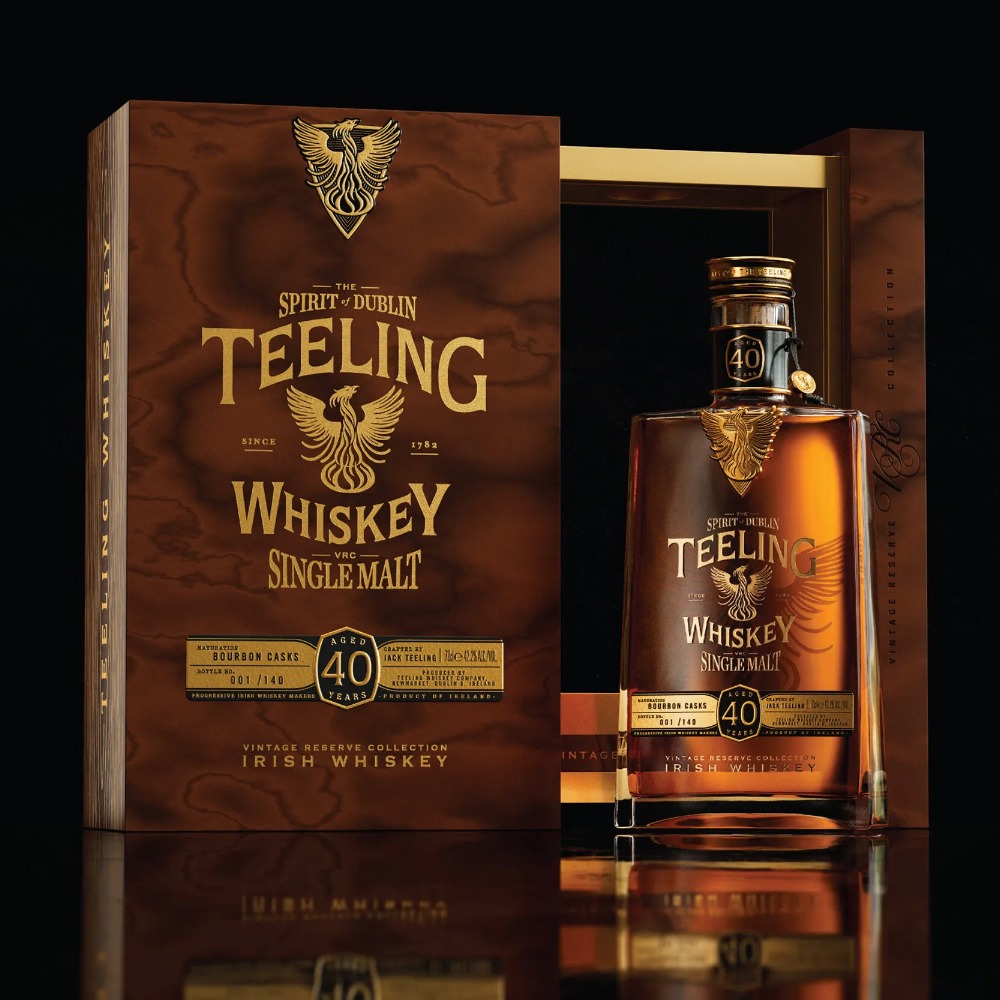
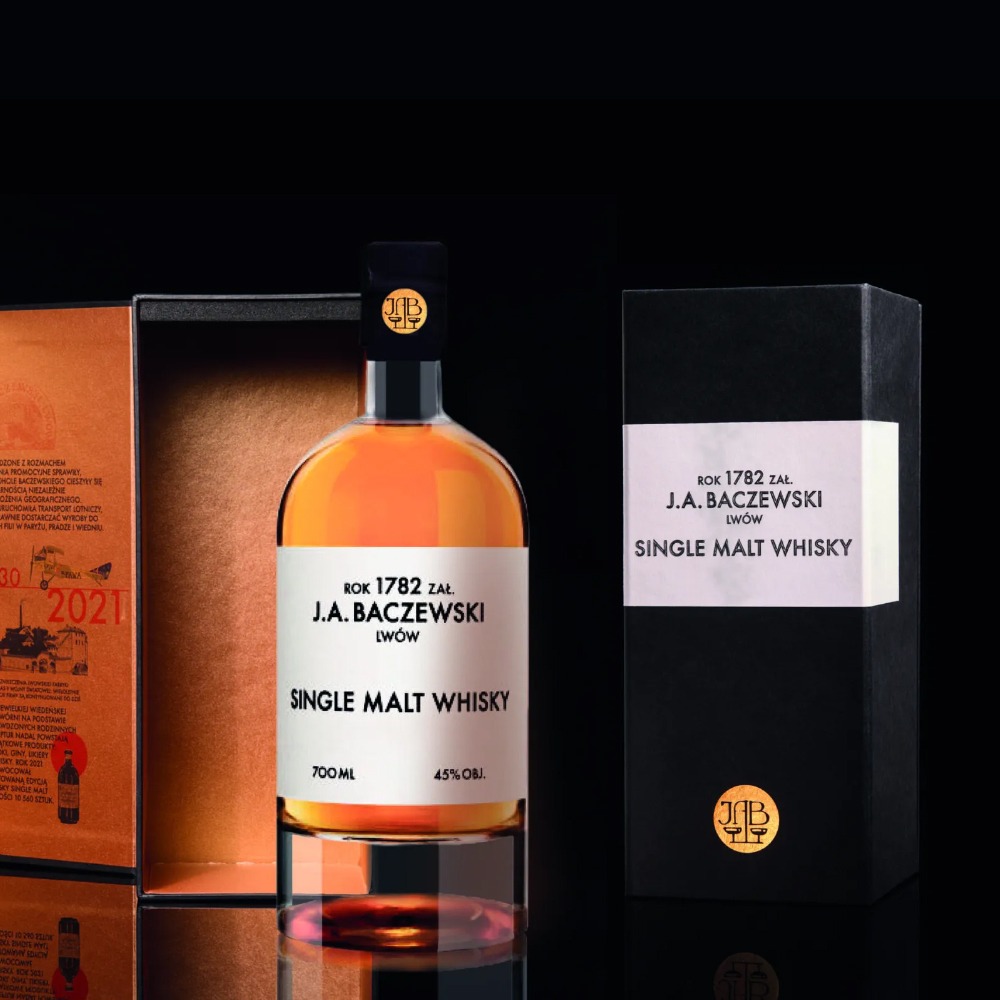
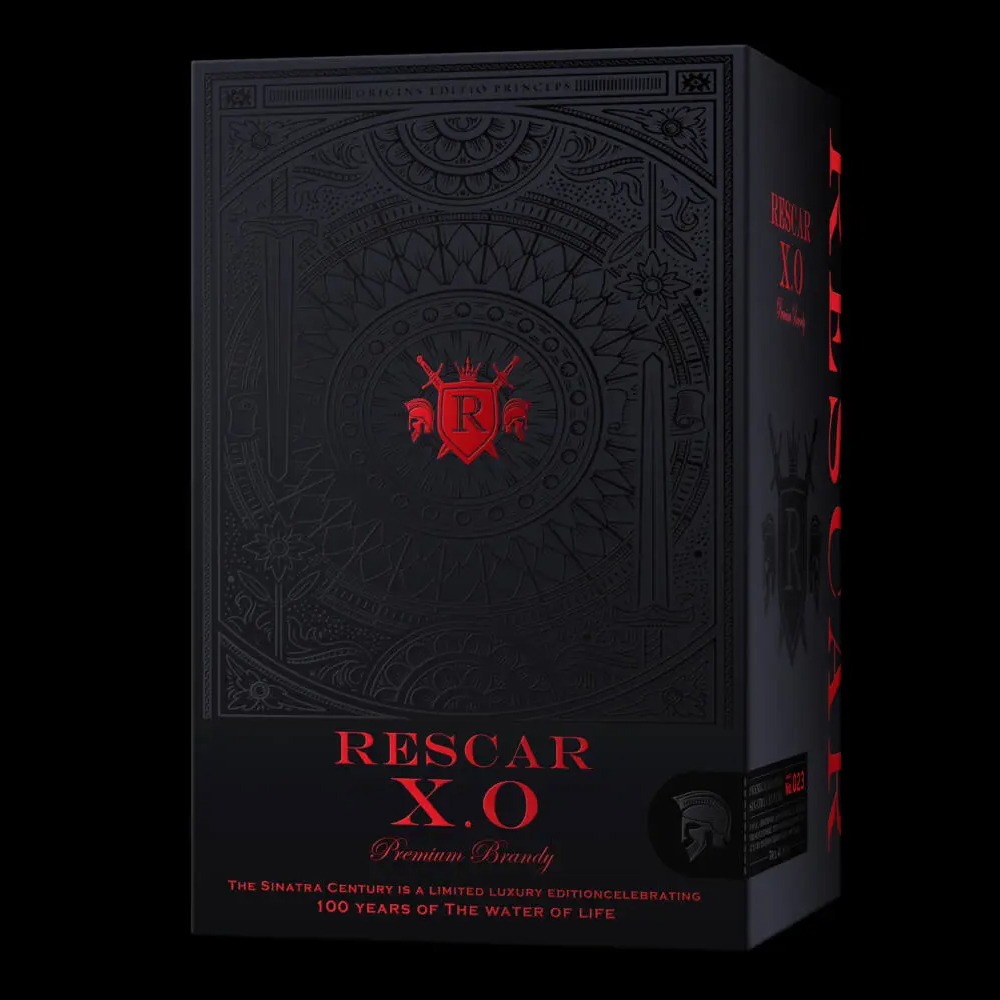
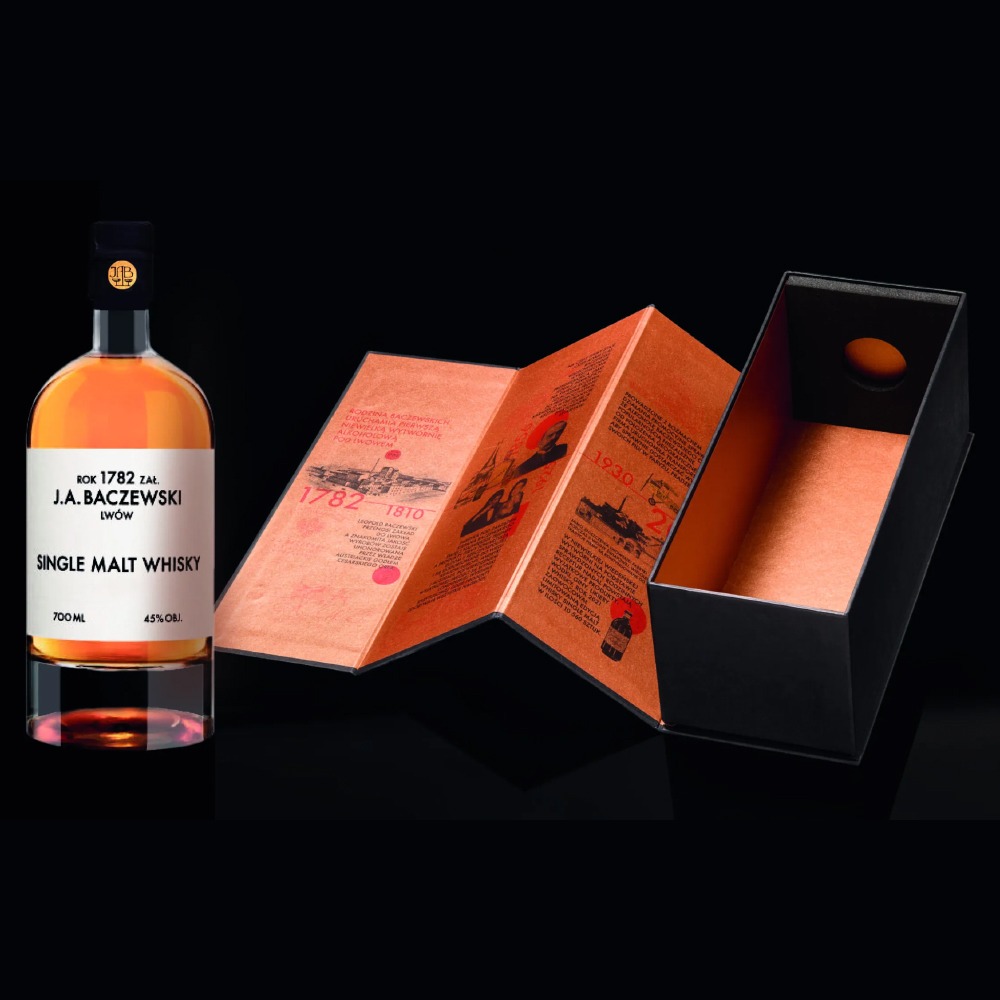
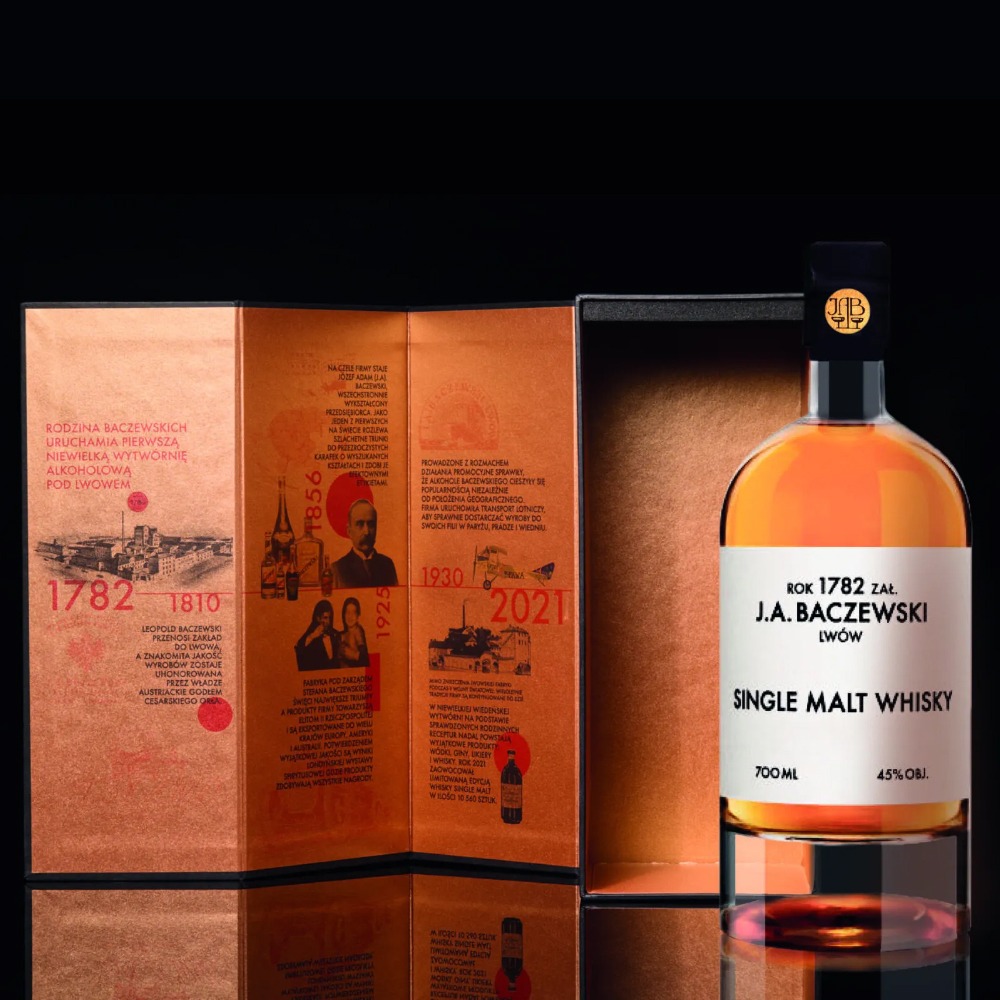
يُباع الويسكي مع قصة، لكنه يُشحن كزجاج هش. زجاجة واحدة متصدعة يمكن أن تؤدي إلى إرجاع الزجاجة ومطالبات الموزعين والمراجعات السيئة. صناديق صلبة مخصصة لتغليف الويسكي تساعدك على تجنب تلك الفوضى. فهي تحمي الزجاجة وترفع من مستوى وجود الرفوف وتسهل عملية التجهيز على فريق العمليات لديك.
مزايا الصناديق الصلبة المخصصة
الجدال
ما الذي يحله
ما الذي يجب تحديده على الخط
مرجع داخلي
صناديق صلبة تحمي الزجاجات
الكسر في عمليات الاستلام والتعبئة والشحن والمناولة بالتجزئة
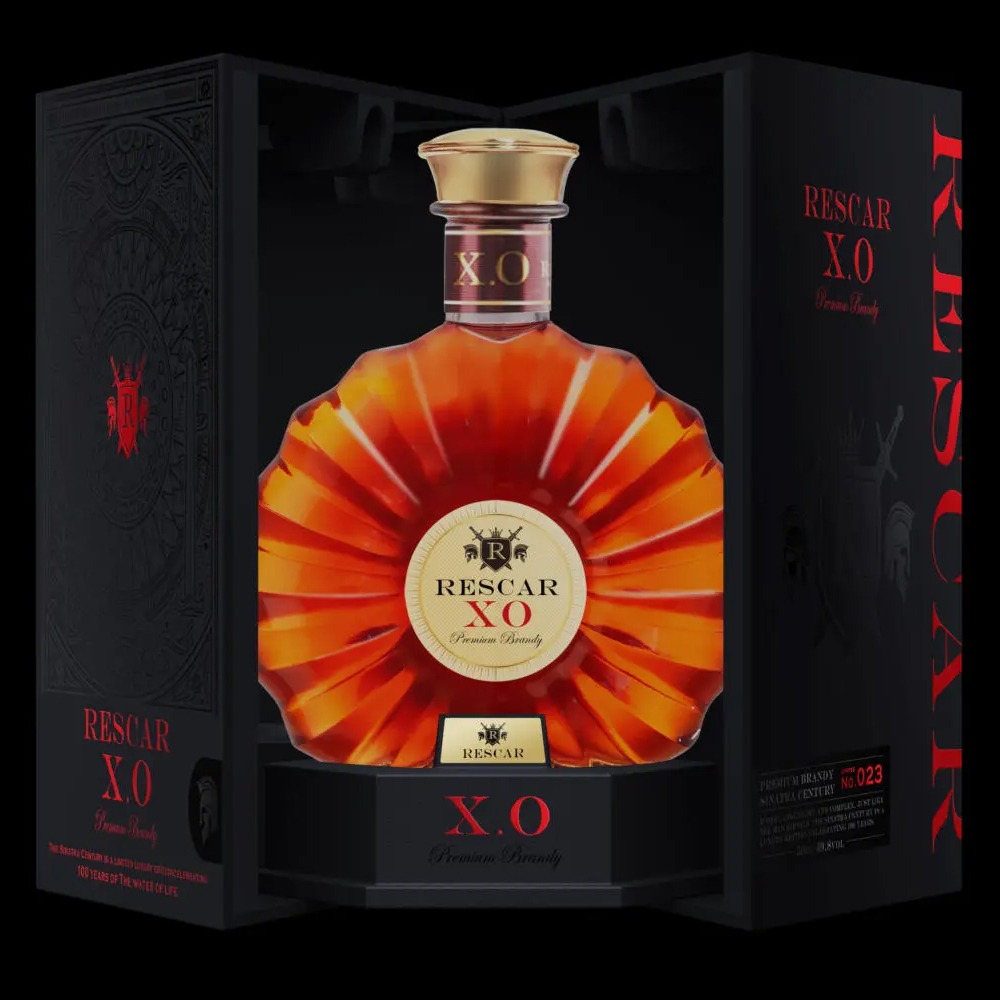
ينكسر الزجاج عندما يتحرك. صناديق الإعداد الصلبة تقلل من الحركة لأنها تحافظ على شكل الزجاجة وتثبت الزجاجة في ملحق. بالنسبة للويسكي، ركز على نقطتين: القاعدة والرقبة. إذا كان العنق يطفو، تتحول الزجاجة إلى مطرقة داخل الصندوق.
شحن DTC
تمر طلبات DTC عبر خطوط الاستلام والتعبئة السريعة. تقلل الحشوة الضيقة من الخشخشة، وتساعد على اجتياز المناولة الخشنة، وتقلل من التذاكر “التي وصلت تالفة”. يضيف هيكل الكتف والرقبة تحكماً إضافياً لأنه يدعم الرقبة ويحد من الميل. اطلب عينات الملاءمة واختبر الاحتفاظ بالملحق قبل الموافقة على الإنتاج بكميات كبيرة.
الحماية من الضوء وحماية الرفوف
أرفف البيع بالتجزئة تعاقب العبوات. يفتح الموظفون الكراتين بسرعة. يقوم المتسوقون برفع الصندوق وإمالته وإعادته إلى مكانه. يعمل الصندوق الصلب مثل الغلاف، بحيث تبقى الزوايا حادة وتبقى الألواح مسطحة. كما أنه يقلل من التعرض للضوء المباشر ويساعد في الحفاظ على نظافة الملصقات والتشطيبات.
إذا كان الويسكي الخاص بك يستهدف الإهداء أو البيع بالتجزئة المتميز، فإن الهيكل المغناطيسي المغلق يمنحك حماية قوية بالإضافة إلى عرض تقديمي أنيق. حافظ على الغلاف محكم الإغلاق، وقم بحماية الحواف وتجنب الزوايا اللينة التي تنهار بعد المناولة.
المظهر المتميز والقيمة المتصورة
يحكم الناس على الويسكي قبل أن يتذوقوه. العبوة الصلبة تفوز بسرعة لأنها تشعرك بأنها باهظة الثمن في اليد. يمكنك الحصول على ذلك من خلال إشارات بسيطة: جدران صلبة، وحواف هشّة، وغطاء يغلق وكأنه مصنوع للزجاجة.
تجارة التجزئة المعفاة من الرسوم الجمركية
يقارن المتسوقون المعفيون من الرسوم الجمركية في ثوانٍ. إذا كان صندوقك يبدو بالفعل وكأنه هدية، فإنك تقلل من الاحتكاك في اتخاذ القرار. قم بمطابقة نظام ألوان العلبة مع الملصق، وحافظ على نظافة الطباعة، وتأكد من قراءة الشعار من مسافة بعيدة.
تشطيبات وعلامات تجارية مخصصة
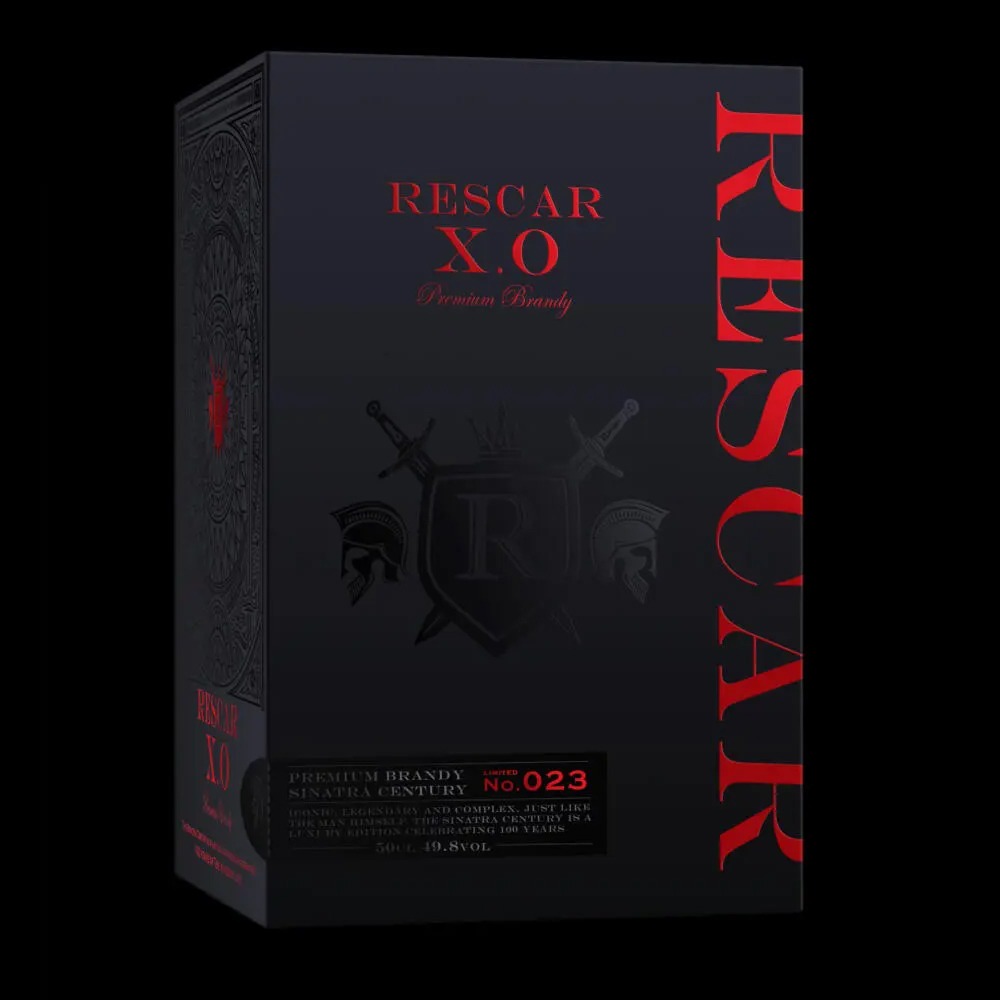
تمنحك الصناديق الصلبة المزيد من العقارات لقصة العلامة التجارية والتشطيبات المتميزة. حافظ على تركيزك. عادةً ما تتفوق تشطيبات قوية على خمس تشطيبات صاخبة.
خيارات تعمل بشكل جيد في المشروبات الروحية:
رقائق معدنية ساخنة للقمم أو علامات الدُفعات أو خط قصير
زخرفة/زخرفة منقوشة/زخرفة للنسيج بدون فوضى
الأشعة فوق البنفسجية الموضعية لالتقاط الضوء على الرفوف
طباعة داخلية لملاحظات التذوق أو قصة أصلية قصيرة
إذا كنت تبيع عبر الإنترنت، تذكر الصورة المصغرة. لا يزال بإمكان الرقائق المعدنية والملمس الظهور في الصور عندما تحافظ على التصميم مرتباً.
تجربة فتح العلبة
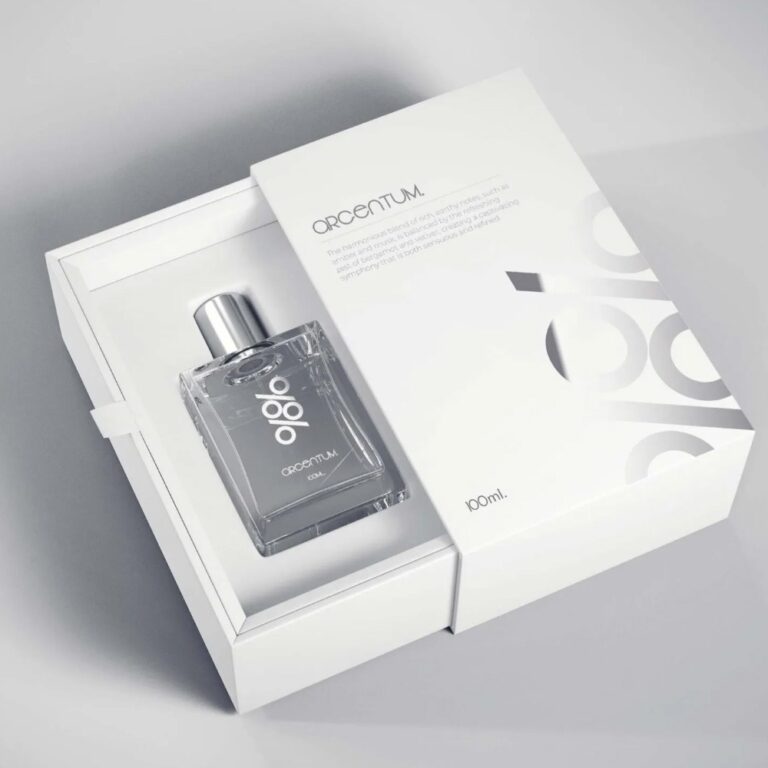
فتح العلبة يحفز الذاكرة. كما أنه يدفع الإحالات عندما يكون الفتح سلسًا ومدروسًا. تتيح لك الصناديق الصلبة التحكم في هذا الكشف باستخدام الآليات الأساسية: الأغطية المغناطيسية، أو رفع الغطاء والقاعدة، أو فتحه من الكتف إلى الرقبة، أو فتحه على شكل أنبوب.
إهداء الشركات
تتطلب طلبات الشركات الاتساق. كما تتطلب أيضًا سهولة التجميع. يحافظ الصندوق الصلب على شكله أثناء التجميع، حتى يتمكن فريقك من التعبئة بشكل أسرع مع تقليل مشاكل المحاذاة. أضف فتحة لبطاقات الرسائل، وحافظ على سهولة التضمين واجعل الإغلاق محكمًا في كل مرة.
تقليل التكاليف المرتبطة بالأضرار
لا تضر مطالبات الأضرار بطلب واحد فقط. فهي تبطئ العملية بأكملها. تساعد العبوات الصلبة من خلال تقليل الحركة الداخلية، ومقاومة السحق في الكراتين المكدسة، والحفاظ على نظافة العرض خلال التخزين.
التجارة الإلكترونية عبر الحدود
تضيف عمليات الشحن عبر الحدود عمليات تسليم يدوي. المزيد من عمليات التسليم يعني المزيد من فرص الاصطدام. إذا كنت تشحن زجاجات مفردة، فغالبًا ما يكون أداء الأشكال الأنبوبية جيدًا لأنها تدعم الزجاجة عموديًا وتحمي من الصدمات الجانبية. إذا كنت تشحن أطقم الهدايا، فاختر الحشوات التي تحافظ على كل قطعة في مكانها، ثم طابق الشاحن الخارجي مع بصمة الصندوق.
التغليف المستدام
يسأل العملاء عن المواد الآن، خاصة في المنتجات المتميزة. يمكنك الحفاظ على المظهر الفاخر مع الحفاظ على نظافة المواد من خلال استخدام الورق أولاً: غلاف من الورق المقوى، وإدراج الورق حيثما أمكن، ومكونات مختلطة أقل.
إذا كنت ترغب في الحصول على إطلالة مستدامة مع الحفاظ على مظهر متميز، فاعتمد على الملمس وحرفة الطباعة والهيكل بدلاً من الإضافات البلاستيكية.
تجنب الإضافات التي تضر بقابلية إعادة التدوير
بعض الإضافات “الفاخرة” تسبب الصداع. يمكن أن تثير النوافذ البلاستيكية والتركيبات الثقيلة المصنوعة من مواد مختلطة والإضافات المبالغ فيها الشكاوى وتعقيد عملية إعادة التدوير. حافظ على نظافة التصميم:
استخدام الطباعة لمحاكاة “النافذة” بدلاً من البلاستيك
استبدل الصواني البلاستيكية بالورق المقوى الورقي عندما تستطيع ذلك
استخدم المغناطيسات فقط عندما تحتاج إلى ذلك الفتح المتميز
كما تساعد فاتورة المواد البسيطة فريقك على شرح قصة التغليف لتجار التجزئة والعملاء.
تصنيع المعدات الأصلية/التصنيع حسب الطلب بالجملة
لا تزال العبوات الممتازة تحتاج إلى اتساق من مستوى المصنع. إن تصنيع المعدات الأصلية/التصنيع حسب الطلب مهم عندما تقوم بتشغيل عمليات البيع بالجملة، والصفقات بالجملة، وتكرار أوامر الشراء عبر وحدات حفظ المخزون.
تضع Zhibangpack علامتها التجارية على أنها أفضل مصنع لصناديق الأنابيب الورقية المخصصة ومورد جملة مخصص للصناديق الصلبة والأنابيب وتغليف الهدايا بالجملة. كما يسلط الموقع الضوء على دعم تصنيع المعدات الأصلية/التصنيع حسب الطلب، وورشة حديثة لتنقية عبوات المواد الغذائية، ومستودع ثلاثي الأبعاد بمساحة 12,300 متر مربع. ويشير الموقع أيضًا إلى أن متوسط الإنتاج اليومي يزيد عن 300,000 قطعة. ويدعم هذا النوع من السعة التجديد الثابت والجداول الزمنية للإطلاق.
للتخطيط للجولة التالية، ابدأ بـ كتالوج المنتجات واستخدام نبذة عنا صفحة لمواءمة التوقعات بشأن العملية والقدرة.
الامتثال لملصقات المشروبات الروحية المقطرة
حافظ على محاذاة نسخة الصندوق مع ملصق الزجاجة. لا تخفي المعلومات المطلوبة بالأكمام أو الأغلفة. إذا كنت تبيع عبر المناطق، قم بمحاذاة المطالبات والصياغة في وقت مبكر حتى لا تعيد العمل الفني لاحقاً.
قم ببناء تسلسل بسيط للموافقة: ملصق الزجاجة أولاً، ثم العمل الفني للصندوق، ثم التحقق النهائي من صحة التصديق. يوفر هذا التسلسل الوقت ويتجنب المفاجآت المتأخرة.
قائمة التحقق من عبوات الويسكي
اختر هيكلاً: الصلب المغناطيسي، أو الغطاء والقاعدة، أو عنق الكتف، أو الأنبوب
أقفلي الزجاجة بملحق اختبار الملاءمة
اختر مجموعة طلاء نهائي نظيف: رقائق معدنية أو نقش أو نقش بالأشعة فوق البنفسجية أو نسيج
تصميم للتركيب والتعبئة والتغليف، وليس فقط الصور
حافظ على بساطة المواد من أجل قصة استدامة أقوى
إذا كنت ترغب في إلقاء نظرة عامة سريعة، ابدأ من الصفحة الرئيسية لـ Zhibangpack ثم قم بتعيين الزجاجة الخاصة بك إلى أقرب بنية في المواصفات الخاصة بك.