Se la vostra preoccupazione va oltre la struttura del packaging o i dettagli tecnici, il nostro team di gestione è pronto a intervenire. Potete parlare direttamente con noi di prezzi, tempistiche urgenti, requisiti speciali o questioni irrisolte che richiedono decisioni di livello superiore.
Ci concentriamo sulla ricerca di soluzioni pratiche che consentano di portare avanti il vostro progetto di packaging, sia che si tratti di rivedere i costi, di adeguare i piani di produzione, di coordinare i dettagli dell'esportazione o di discutere una cooperazione a lungo termine con i grossisti.
Parla con l'ingegnere dell'imballaggio
Team di ingegneri
Prima di iniziare il vostro preventivo per l'imballaggio personalizzato, chiedete consiglio agli esperti sulla struttura delle scatole, sulla scelta del cartone, sulla configurazione della linea di produzione, sulla stampa, sulla finitura, sul MOQ, sulla campionatura e sui dettagli della produzione.
L'ingegneria dell'imballaggio riguarda in genere la struttura, i materiali, il processo di produzione, l'efficienza dei costi e la protezione del prodotto, per cui questa formulazione è allineata ai punti di decisione del packaging di marca reale.
Guida completa alla realizzazione di scatole da imballaggio personalizzate: cinque strategie fondamentali, dalla progettazione alla consegna
Ordini scatole da imballaggio personalizzate Da fuori sembra semplice.
Invia le misure. Carica la grafica. Scegli il materiale. Approva un campione. Effettua l'ordine.
È così che nascono molti progetti.
È anche così che nascono i problemi costosi.
Un professionista processo di confezionamento personalizzato è in realtà una serie di decisioni ponderate. Ogni decisione elimina l’incertezza prima che abbia inizio la fase successiva, più costosa. L’obiettivo non è semplicemente realizzare una confezione dall’aspetto accattivante. La confezione deve proteggere il prodotto, garantire un processo produttivo uniforme, soddisfare i requisiti del marchio, resistere alla distribuzione, arrivare a destinazione nei tempi previsti e, nonostante tutto, avere un senso dal punto di vista commerciale alle quantità richieste.
Per i responsabili degli acquisti, gli ingegneri del packaging, i product manager e i team di marca, l'approccio più sicuro consiste nel considerare lo sviluppo del packaging come un progetto di ingegneria e di supply chain piuttosto che come un progetto grafico.
Ecco le cinque strategie che adottiamo per portare a termine un progetto di packaging, dall’ideazione alla consegna, con il minor numero possibile di imprevisti.
Panoramica sul processo di confezionamento personalizzato
Struttura inadeguata, costi gonfiati, protezione insufficiente
2. Prototipazione
Il progetto è fisicamente fattibile?
Vestibilità, chiusura, assemblaggio, tenuta del prodotto, aspetto, metodo di produzione rappresentativo
Il campione supera i test, ma la produzione in serie fallisce
3. Versione definitiva
Lo stabilimento è in grado di riprodurre l'omologazione?
Campione approvato, versione grafica, riferimenti Pantone, supporto, utensili, distinta base, standard di difettosità
Differenze di colore, materiale e finitura
4. Controllo di qualità
Cosa si intende per "accettabile"?
Punti di ispezione, tolleranze, AQL o regole sui difetti, collaudi, documentazione fotografica
Problemi riscontrati dopo la produzione
5. Pianificazione delle consegne
Quando devono arrivare effettivamente le merci?
Finestra di produzione, imballaggio, cartoni master, modalità di spedizione, scorta di sicurezza, data di ricezione
Le scatole sono pronte in tempo, ma il lancio è ancora in ritardo
L'ordine è importante.
Modificare una linea di taglio durante la fase di progettazione strutturale comporta costi minimi.
Modificarlo dopo che gli stampi sono stati realizzati comporta costi maggiori.
Cambiarlo dopo che 20.000 fogli stampati sono stati trasformati in scatole finite è tutta un’altra storia.
Strategia 1: Definire le specifiche prima che la progettazione di un imballaggio personalizzato diventi troppo costosa
L'errore più comune nell'approvvigionamento di imballaggi personalizzati si verifica spesso prima ancora che la fabbrica inizi a stampare.
Il brief è incompleto.
Un acquirente potrebbe inviare:
“Ci serve una confezione rigida di lusso, nera opaca, con logo dorato, circa 20.000 pezzi.”
Questo basta per una conversazione di massima. Non è sufficiente per la produzione.
Professionale progettazione di imballaggi personalizzati dovrebbe tradurre un'idea di marketing in requisiti di produzione misurabili: dimensioni del prodotto, peso del prodotto, tipo di cartone, struttura della scatola, geometria degli inserti, metodo di apertura, aree riservate alla grafica, tolleranze di produzione, requisiti di imballaggio, condizioni di spedizione e l'esperienza desiderata per il cliente.
Una specifica di imballaggio utile dovrebbe rispondere a domande quali:
Quali sono le dimensioni esatte del prodotto e le tolleranze dimensionali?
Quanto pesa il prodotto?
È fragile?
L'inserto deve impedire il movimento o limitarsi a presentare il prodotto?
Il pacco viene spedito direttamente ai consumatori o all’interno di un altro cartone da spedizione?
È esposto sugli scaffali di un negozio?
È necessario che sia a prova di manomissione?
È necessaria la documentazione relativa al contatto con gli alimenti, alla sostenibilità, al riciclaggio, all'etichettatura o specifica per il mercato?
Quale aspetto esteriore si aspetta il marchio?
È necessario un colore Pantone esatto?
Quali finiture sono obbligatorie e quali sono facoltative?
Quali difetti potrebbero comportare il rifiuto?
Quante scatole finite devono entrare in un cartone principale?
Di quanto spazio di archiviazione dispone l'acquirente?
Qual è la data di arrivo richiesta?
Sembra una descrizione dettagliata perché deve esserlo.
Parti dal prodotto, non dalla confezione
Spesso notiamo che gli acquirenti partono dallo stile di confezione che preferiscono.
È il contrario.
Inizia dal prodotto.
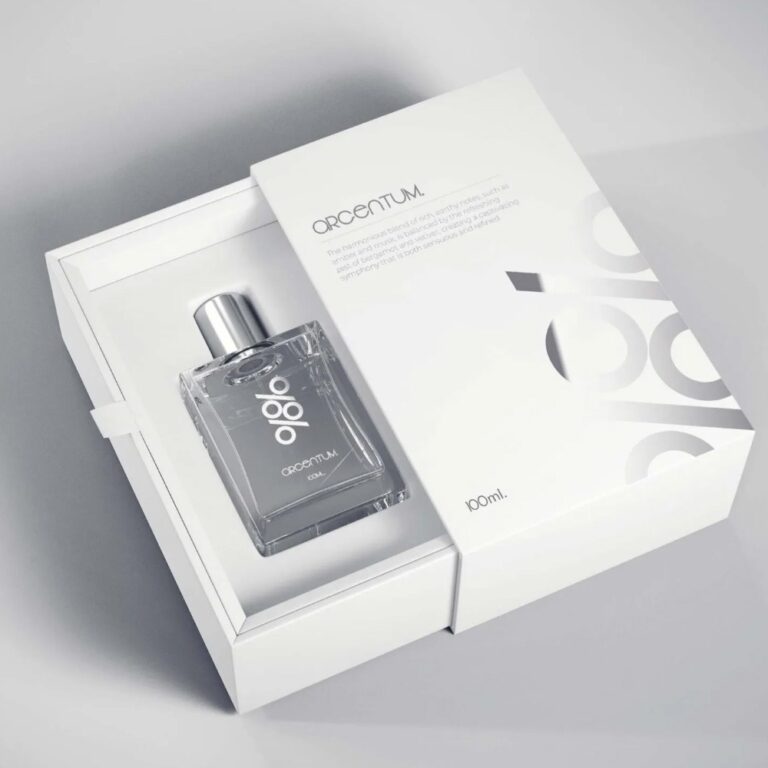
Prendiamo ad esempio un flacone di profumo. Un flacone di vetro alto con un tappo pesante comporta requisiti di confezionamento diversi rispetto a un tubetto leggero per prodotti per la cura della pelle, anche se entrambi i marchi desiderano la stessa scatola rigida con chiusura magnetica.
Il baricentro della bottiglia è importante.
La sua fragilità è importante.
La distanza tra la bottiglia e l'inserto è importante.
La distanza tra il prodotto e la parete della scatola è importante.
Il modo in cui il cliente estrae la bottiglia è importante.
Un pacchetto è un sistema.
La sostenibilità va presa in considerazione già in fase di definizione delle specifiche
“Imballaggio sostenibile” sembra essere uno dei requisiti.
Non è così.
La priorità dovrebbe essere:
minore utilizzo di materiali,
contenuto riciclato,
riciclabilità,
fibre rinnovabili,
riduzione della plastica,
compostabilità,
peso di trasporto ridotto,
una separazione più agevole dei materiali,
o una maggiore durata di conservazione del prodotto?
Tali obiettivi possono entrare in conflitto tra loro.
Ricerca di McKinsey del settembre 2025 sugli acquirenti di imballaggi ha riferito che alcuni materiali di nuova generazione, tra cui il PHA ad alte prestazioni e le pellicole flessibili compostabili in ambiente domestico, potrebbero costare da quattro a cinque volte di più rispetto alla poliolefina convenzionale, a seconda dei requisiti relativi alle barriere e alle specifiche. McKinsey ha stimato che tale differenza potrebbe far aumentare il prezzo finale del prodotto confezionato di circa da 2% a 5%.
Questo non è un argomento contro i materiali sostenibili.
È un argomento a favore della disciplina nella definizione delle specifiche.
Una scelta di imballaggio sostenibile deve superare lo stesso esame di qualsiasi altro materiale:
Proteggerà il prodotto? È possibile produrlo in modo costante? La catena di approvvigionamento è in grado di sostenere il volume richiesto? I clienti lo apprezzeranno abbastanza da giustificarne il costo?
Non esiste una “scatola sostenibile ideale” valida per tutti”
Il contesto di mercato cambia la risposta.
Indagine globale sul packaging 2025 di McKinsey incluso 11.136 intervistati in 11 paesi. La percentuale di persone disposte a pagare di più per imballaggi sostenibili variava da circa Da 40% in Giappone a 85% in India, mentre 39% degli intervistati a livello globale hanno valutato l’impatto ambientale come estremamente o molto importante nella scelta dei prodotti.
Queste differenze contano.
Un marchio statunitense di cosmetici, un’azienda tedesca di prodotti alimentari di alta gamma e un marchio giapponese di elettronica non dovrebbero ricevere automaticamente la stessa raccomandazione in materia di imballaggi.
L'equilibrio tra aspetto, costo, riciclabilità, praticità, protezione, sostenibilità e durata di conservazione può variare notevolmente.
Sono le specifiche giuste a seguire il mercato, non lo slogan.
Strategia 2: Realizzare un prototipo della struttura prima di approvare la decorazione
È proprio qui che vedo gli acquirenti risparmiare qualche centinaio di dollari e mettere accidentalmente a rischio decine di migliaia.
Il rendering 3D sembra ben fatto.
Il logo è centrato.
La pellicola sembra costosa.
Tutti sono d'accordo.
Ma nessuno ha mai inserito il prodotto vero e proprio in una scatola fisica.
Utilizzare campioni diversi a seconda delle diverse decisioni
Non tutti i campioni di imballaggio hanno lo stesso scopo.
Un percorso di approvazione ragionevole potrebbe essere il seguente:
Rendering 3D → campione strutturale semplice → campione stampato in digitale → campione rappresentativo della produzione → produzione in serie
Ognuna risponde a una domanda diversa.
Un esempio semplice risponde a domande di natura strutturale
Prima di preoccuparti del colore, chiediti:
Il prodotto calza davvero a pennello?
C'è spazio sufficiente?
L'inserto lo tiene ben saldo?
Gli addetti all'assemblaggio riescono a caricare il prodotto in modo efficiente?
Il coperchio si chiude correttamente?
La forza di apertura è accettabile?
La scatola è gonfia?
L'inserto si deforma?
Il cliente può estrarre il prodotto senza dover lottare con la confezione?
Questa fase è economica.
Usalo.
Un campione digitale risponde alle domande di natura visiva
I campioni digitali sono utili per verificare:
scala dell'opera d'arte,
copia,
tipografia,
posizionamento del pannello,
posizionamento del codice a barre,
dimensioni del logo,
orientamento cromatico generale,
gerarchia visiva.
Tuttavia, la stampa digitale non riproduce automaticamente il risultato finale della stampa offset.
Né un prototipo realizzato a mano riproduce necessariamente la produzione automatizzata.
È proprio da questa distinzione che nascono i problemi.
Il campione che ci ha insegnato una lezione costosa
Di recente, in una discussione di settore, mi sono imbattuto in un caso che illustrava perfettamente questo concetto.
Un acquirente ha raccolto campioni da diversi produttori di imballaggi, ha scelto quello che gli piaceva di più e ha effettuato l'ordine all'ingrosso.
Quando sono arrivate le scatole finite, i colori erano visibilmente più scuri.
A peggiorare le cose, persino la carta sembrava diversa.
La spiegazione del fornitore era scomoda, ma tecnicamente comprensibile: l’acquirente non aveva mai richiesto un vero e proprio campione di pre-produzione realizzato in condizioni rappresentative della produzione di massa. Il metodo di campionatura e il processo di stampa di produzione erano diversi.
A quel punto l'acquirente si trovò di fronte a un problema.
Le scatole erano già pronte.
La data di lancio si stava avvicinando.
Non c'era abbastanza tempo — né budget — per una ristampa completa.
Questa situazione è uno dei motivi per cui preferiamo definire in modo definitivo il substrato, il metodo di stampa, il codice Pantone o il riferimento cromatico, la linea di taglio, le finiture, la struttura dell’inserto, i requisiti relativi agli stampi e le tolleranze prima di dare il via alla produzione.
Un campione che non rispecchia il metodo di produzione previsto non costituisce di fatto uno standard di produzione.
È un riferimento visivo.
Non sono la stessa cosa.
Ecco la parte che non piace a nessuno
Un bellissimo campione di confezione può risultare praticamente inutile ai fini dell'approvazione per la produzione in serie se è stato realizzato utilizzando materiali, processi di stampa, metodi di finitura, attrezzature o tecniche di costruzione diversi.
A volte gli acquirenti passano tre settimane a discutere se la lamina d’oro debba avere una tonalità leggermente più calda, mettendosi nel contempo in discussione il costo di un prototipo di livello industriale.
Di norma, la priorità dovrebbe essere invertita.
Verifica la struttura.
Verificare l'adattabilità del prodotto.
Verificare i materiali.
Verificare il processo di produzione.
E poi discutete sull’esatta tonalità dell’oro.
Spendere di più per un prototipo rappresentativo potrebbe sembrare un sacrificio, almeno all'inizio.
Approvazione di 30.000 scatole da imballaggio personalizzate partire da un rendering, da una bozza digitale o da un modello realizzato a mano può richiedere molto più tempo.
Strategia 3: Trasformare il campione approvato in una specifica di produzione
Un campione costituisce una prova materiale.
Non si tratta di una documentazione completa relativa alla produzione.
Prima che abbia inizio la produzione in serie, il pacchetto approvato deve essere tradotto in una specifica di produzione controllata.
“Utilizzare lo stesso materiale del campione” è un'indicazione poco chiara.
“Cartone grigio da 1200 gsm rivestito con carta patinata C2S da 157 gsm, con laminazione opaca, fornitore/codice materiale approvato XYZ” è decisamente più resistente.
“Il ”logo dorato” non è molto efficace.
“Riferimento Pantone 872 C con campione di lamina approvato e posizione di stampa secondo la revisione V6 della grafica” è più efficace.
Cosa va congelato prima della produzione?
Come minimo:
Specifiche strutturali
Dimensioni finali
Dimensioni aperte
Revisione della linea di taglio
Spessore del pannello o calibro
Inserire le dimensioni
Materiale dell'inserto
Struttura di chiusura
Posizione del magnete, se presente
Aree di incollaggio
Requisiti di tolleranza
Specifiche dei materiali
Tipo di carta
Grammatura della carta
Grado di consiglio di amministrazione
Canalina ondulata
Spessore del cartone grigio
Requisiti relativi al contenuto di materiale riciclato
Requisiti FSC, ove applicabili
Rivestimento o laminazione
Inserire il substrato
Specifiche di stampa
Grafica CMYK
Colori Pantone
Colori spot
Inchiostro bianco, ove necessario
Riferimento cromatico
Processo di stampa
Requisiti di registrazione
Specifiche di finitura
Tipo di lamina
Colore della pellicola
Valori previsti per la profondità di goffratura/incisione
Area con verniciatura UV selettiva
Laminazione
Vernice
Consistenza
Rivestimento speciale
Specifiche di imballaggio
Unità per confezione interna
Unità per cartone master
Imballaggio protettivo
Dimensioni del cartone
Limite di peso lordo
Schema dei pallet
Segni di spedizione
Dovrebbe inoltre esserci un'ultima revisione approvata della grafica.
Non “l’ultimo file su WhatsApp”.”
Non “il PDF che Michael ha inviato martedì scorso”.”
Un unico file controllato.
Un numero di revisione.
Una versione.
Campione dorato rispetto alla scheda tecnica
La pratica migliore consiste nell'utilizzare entrambi.
Il campione fisico approvato fornisce ai team di produzione e di controllo qualità un punto di riferimento visivo e tattile.
La scheda tecnica definisce i requisiti misurabili.
L’uno senza l’altro lascia dei vuoti.
Un campione fisico può presentare la giusta tonalità di blu, ma non fornire all'ispettore informazioni sulla tolleranza dimensionale.
Una specifica può indicare lo spessore del materiale, ma non riuscire a descrivere con esattezza la sensazione al tatto che la superficie soft-touch dovrebbe trasmettere.
Insieme, diventano molto più difficili da fraintendere.
Strategia 4: Integrare il controllo qualità del confezionamento nella fase di produzione, non dopo
Nell'ambito degli acquisti di imballaggi c'è una frase pericolosa:
“Lo controlleremo quando sarà finito.”
A quel punto, il valore di un’ispezione è diminuito drasticamente.
Se 50 cartoni sono già stati stampati in modo errato, arrestare la macchina.
Se 50.000 scatole sono già state stampate, fustellate, laminate, incollate, assemblate, imballate e pallettizzate in modo errato, ora si presenta una situazione da negoziare.
Un piano di controllo pratico può includere la verifica dei materiali in entrata, l’approvazione del primo articolo, i controlli di stampa, le ispezioni di lavorazione, i controlli di assemblaggio, la verifica dell’imballaggio e l’ispezione pre-spedizione. L’attuale documentazione relativa alla gestione della qualità di Zhibang Pack descrive inoltre i controlli sui materiali, l’approvazione del primo articolo, gli audit in corso di produzione, l’ispezione pre-spedizione, i controlli sulla grafica e i registri di ispezione come parte di tale flusso di lavoro.
Porta 1: Materiali in entrata
Verificare il substrato prima di procedere all’aggiunta del valore.
Verificare elementi quali:
tipo di materiale,
spessore,
GSM,
rigidità del pannello,
paralume in carta,
condizioni della superficie,
requisiti relativi ai certificati,
lotto del fornitore.
La sostituzione di un materiale non dovrebbe mai avvenire in modo silenzioso.
“La ”carta equivalente” potrebbe non risultare più equivalente una volta stampata, plastificata, piegata o esposta sotto l’illuminazione dei punti vendita.
Fase 2: Approvazione del primo articolo
Controllare i primi pezzi finiti prima di avviare la produzione a pieno regime.
Questo è uno dei punti di controllo più importanti dell'intero processo.
Conferma:
dimensioni,
revisione delle illustrazioni,
registrazione di stampa,
colore,
fustellatura,
piegatura,
posizionamento della lamina,
goffratura,
laminazione,
posizione della colla,
inserire misura,
comportamento di chiusura.
Se qualcosa non va, è comunque possibile interrompere la produzione.
Porta 3: Controllo in corso di lavorazione
A volte capita che la produzione subisca delle variazioni.
Cambiamenti di colore.
La carta si comporta in modo diverso.
Spostamenti della registrazione della lamina.
Modifiche nell'applicazione della colla.
Gli operatori cambiano turno.
Gli utensili si consumano.
Un’azienda ben organizzata controlla il processo mentre è in corso, anziché dare per scontato che il primo pezzo approvato garantisca che il cartone finale sarà identico.
Porta 4: Controllo del prodotto finito
Ora controlla la scatola completamente assemblata.
Tra i difetti più comuni si possono citare:
graffi,
tracce di colla,
angoli ammaccati,
coperchi deformati,
confezione scadente,
variazione di colore,
errore di allineamento della pellicola,
bolle sotto la laminazione,
cartone grigio a vista,
superfici sporche,
magneti sciolti,
inserti disallineati,
dimensioni errate.
Ma gli acquirenti hanno bisogno di un ulteriore livello: definizioni dei livelli di gravità.
Uno spostamento della lamina di 0,5 mm è accettabile?
E 1 mm?
È accettabile la presenza di una minuscola traccia di colla all’interno della scatola?
Non è accettabile sul pannello frontale?
In assenza di criteri di accettazione, il fornitore e l'acquirente possono esaminare esattamente la stessa scatola e giungere a conclusioni diverse.
Fase 5: Imballaggio e verifica pre-spedizione
Anche le confezioni perfette, se imballate male, possono comunque arrivare danneggiate.
Controlla:
dimensioni del cartone principale,
quantità per cartone,
involucro protettivo,
protezione degli angoli,
resistenza del cartone,
protezione dall'umidità dove necessario,
etichette,
segni di spedizione,
configurazione del pallet,
altezza del pallet,
numero di cartoni.
L'imballaggio per l'esportazione deve resistere alle operazioni logistiche, non solo alle condizioni di produzione in fabbrica.
Strategia 5: Gestire i tempi di consegna degli imballaggi personalizzati a ritroso a partire dalla data di consegna
Quando i clienti chiedono: “Qual è il vostro tempo di consegna?”, spesso si aspettano una cifra precisa.
Venti giorni.
Trenta giorni.
Quaranta giorni.
Quel dato può trarre in inganno.
La questione commerciale non è:
Quanti giorni richiede la produzione?
La vera domanda è:
Cosa deve succedere da oggi alla data in cui questi cartoni dovranno essere disponibili nel mio magazzino, presso il mio co-packer, nel centro di evasione ordini o sulla linea di produzione?
Quella è la vera pianificazione del tuo progetto.
I tempi di consegna degli imballaggi sono una catena
Un progetto tipico può comprendere:
Chiarimenti sulla richiesta di preventivo
Ingegneria strutturale
Approvazione della linea di taglio
Produzione di prototipi
Spedizione campione
Recensione dell'acquirente
Revisione
Secondo campione
Approvazione definitiva
Acquisto di materiali
Pre-stampa
Stampa
Laminazione o rivestimento
Stampa a caldo
Goffratura/incisione in rilievo
Fustellatura
Incollaggio o assemblaggio manuale
QC
Imballaggio
Documentazione di esportazione
Trasporto merci
Sdoganamento
Consegna definitiva
Ogni processo aggiuntivo comporta un'ulteriore dipendenza.
Se il vostro imballaggio prevede diverse operazioni di stampa e finitura, tempi di consegna degli imballaggi personalizzati dovrebbe essere pianificato in base al percorso effettivo del processo. La laminazione a caldo, la goffratura, la verniciatura UV spot, la laminazione, la fustellatura e altre operazioni di post-stampa non avvengono tutte contemporaneamente; ciascuna di esse può costituire un ulteriore punto di controllo della produzione e del controllo qualità.
Procedi a ritroso, non in avanti
Supponiamo che i tuoi prodotti debbano essere consegnati a un centro logistico il 15 ottobre.
Non dire al tuo fornitore di imballaggi:
“Vi preghiamo di avviare la produzione a settembre.”
Procedi invece a ritroso:
15 ottobre: Imballaggio richiesto presso il centro logistico 10 ottobre: Buffer di ricezione e di emergenza Fine settembre: Sportello merci/dogana Metà settembre: Merci imballate e consegnate Inizio settembre: Produzione completata Fine agosto: Confermati il materiale e la fascia di produzione Metà agosto: Campione di produzione approvato Inizi di agosto: Revisioni del prototipo completate Fine luglio: Inizio dei lavori di ingegneria
Ora hai un programma.
Il tempo di approvazione fa parte del tempo di consegna
Questo viene spesso dimenticato.
Un fornitore può produrre un campione in cinque giorni.
A quel punto, il campione rimane nell'ufficio dell'acquirente per nove giorni in attesa dell'approvazione da parte dei reparti marketing, acquisti e conformità, nonché del fondatore.
Il progetto non ha mai registrato un ciclo di campionamento di cinque giorni.
Ha seguito un ciclo di quattordici giorni.
Se sono necessari cinque reparti per l'approvazione, assegnare il responsabile dell'approvazione prima dell'inizio del campionamento.
Le finiture complesse comportano rischi nascosti in termini di tempistiche
Le confezioni di alta gamma sono particolarmente vulnerabili.
Una confezione regalo rigida con stampa offset, laminazione opaca, stampa a caldo, goffratura, realizzazione di inserti personalizzati, inserimento di magneti e assemblaggio manuale presenta più punti di rottura rispetto a una scatola pieghevole monocolore.
Ogni processo può creare:
tempo di attesa,
tempo di configurazione,
tempo di ispezione,
rischio di rielaborazione.
Questo non significa che dovresti evitare le finiture di alta qualità.
Basta inserire la realtà nel programma.
Perché la sostenibilità deve essere valutata lungo l'intero processo
La sostenibilità degli imballaggi viene talvolta considerata semplicemente come una questione di scelta dei materiali.
Scegli la carta riciclata.
Fatto.
Le vere decisioni in materia di sostenibilità hanno una portata più ampia.
L'utilizzo dei materiali, l'efficienza di conversione, le dimensioni dell'imballaggio, la protezione del prodotto, il volume di trasporto, la riciclabilità, la struttura in materiali misti, i rivestimenti, gli inserti e il tasso di danneggiamento del prodotto possono tutti influire sul risultato.
La portata del problema dei rifiuti da imballaggio rende queste decisioni rilevanti non solo dal punto di vista ambientale, ma anche da quello commerciale.
Eurostat ha riferito che che l'UE ha generato 79,7 milioni di tonnellate di rifiuti da imballaggio nel 2023, equivalente a 177,8 kg a persona. La carta e il cartone rappresentavano 40.4%, rendendoli la categoria più consistente di rifiuti da imballaggio, mentre la plastica rappresentava 19.8%.
Eurostat ha inoltre riferito che 35,3 kg di rifiuti da imballaggi in plastica per ogni residente nell'UE, con 14,8 kg riciclati. Il tasso di riciclaggio degli imballaggi in plastica ha raggiunto 42,11 TP3T nel 2023.
Quindi è importante ridurre i rifiuti da imballaggio.
Ma sostituire un materiale con un altro senza tenere conto delle prestazioni può portare a un successo illusorio.
Se una confezione più sottile comporta la rottura del prodotto, sostituzioni, nuove spedizioni o resi da parte dei rivenditori, l'intero sistema potrebbe risentirne negativamente.
Prima di tutto, scegliere la taglia giusta.
Eliminare il materiale superfluo.
Progettare la struttura.
Valutare quindi il percorso di sostenibilità alla luce del prodotto reale, del mercato reale e del sistema di distribuzione reale.
La lista di controllo per l'approvazione che utilizzerei prima di avviare la produzione in serie
Prima di firmare un ordine di acquisto o di approvare la produzione in serie, vorrei avere risposte chiare a tutte queste domande:
Struttura
La bozza definitiva è stata approvata?
Il prodotto vero e proprio è stato testato all'interno della confezione?
Le dimensioni degli inserti sono state approvate?
Il comportamento di chiusura e apertura è accettabile?
Le tolleranze dimensionali sono documentate?
I materiali
È specificato con esattezza il substrato?
Lo spessore del pannello è indicato?
Sono specificati i requisiti relativi al contenuto riciclato o alla certificazione FSC?
Le sostituzioni sono vietate senza autorizzazione scritta?
Stampa
La revisione dell'immagine è bloccata?
Sono stati definiti i riferimenti Pantone?
L'acquirente ha approvato la bozza di colore corretta?
I codici a barre e i testi obbligatori vengono controllati?
Finitura
Il riferimento alla lamina è stato approvato?
Le zone relative ai raggi UV, alla goffratura, alla goffratura in rilievo, al rivestimento e alla laminazione sono documentate?
È stata definita la tolleranza di registrazione finale?
Campionamento
È stato testato un prototipo strutturale?
L'acquirente ha confermato se il campione finale è realizzato a mano, stampato in digitale o rappresentativo della produzione?
Il campione approvato utilizza i materiali e i processi di produzione previsti?
È disponibile un campione d’oro autografato o conservato?
Qualità
Gli standard di ispezione sono stati concordati?
Sono state definite le tolleranze?
Sono stati definiti i difetti gravi e quelli lievi?
Verrà effettuata l'approvazione del primo articolo?
Verrà effettuato un controllo in corso di lavorazione?
È necessaria un’ispezione pre-imbarco?
Logistica
L'imballaggio in cartone master è stato approvato?
La quantità di cartoni è stata confermata?
La pallettizzazione è stata confermata?
La modalità di trasporto è stata confermata?
È stata documentata la data finale di consegna al magazzino, e non solo la data di completamento in fabbrica?
Se molte di queste risposte sono “non so”, il progetto non è pronto per la produzione in serie.
Anche se l'opera d'arte è davvero fantastica.
Cosa dovrebbe chiederti un buon fornitore di imballaggi personalizzati
C'è un modo semplice per informarsi su un fornitore di imballaggi prima di effettuare un ordine.
Presta attenzione alle domande che ti fanno.
Se la conversazione è solo:
Quantità? Taglia? Motivo? Indirizzo di spedizione?
Potresti ricevere un preventivo in tempi rapidi.
Non è detto che tu abbia ricevuto una formazione ingegneristica approfondita.
Un dialogo più incisivo con i fornitori dovrebbe vertere sui seguenti aspetti:
dimensioni effettive del prodotto,
peso,
fragilità,
canale di vendita,
metodo di evasione dell'ordine,
mercato di riferimento,
gli attuali problemi relativi al confezionamento,
aspettative relative al substrato,
requisiti di sostenibilità,
standard di stampa,
finitura,
norme di ispezione,
data di consegna richiesta.
Le domande pertinenti rallentano leggermente il processo di preventivazione.
Possono accelerare notevolmente lo svolgimento del progetto.
Perché un preventivo economico basato su specifiche errate non è affatto un preventivo economico.
È solo incompleto.
Il vero obiettivo: rendere noiosa la produzione di massa
Potrebbe sembrare strano detto da un produttore di imballaggi, ma la produzione di massa non dovrebbe essere entusiasmante.
L'entusiasmo è parte integrante del design.
La produzione dovrebbe essere prevedibile.
La struttura è stata sottoposta a collaudo.
I materiali sono stati bloccati.
L'immagine è bloccata.
Il campione di produzione è stato approvato.
Lo standard di controllo qualità è documentato.
Si è concordato il metodo di imballaggio.
Il piano di consegna è chiaro.
A quel punto, lo stabilimento ripete il risultato approvato migliaia di volte.
Questo è il vero scopo di una disciplina processo di confezionamento personalizzato.
Basta con le scartoffie.
Basta con le riunioni.
Meno sorprese.
E nella produzione su misura, un minor numero di imprevisti comporta solitamente meno ritardi, meno controversie, meno rilavorazioni e un controllo molto migliore del costo finale.
Domande frequenti
In cosa consiste il processo di confezionamento personalizzato?
Il processo di confezionamento personalizzato accompagna un prodotto in tutte le fasi, dalla definizione dei requisiti e della progettazione strutturale fino alla prototipazione, all’approvazione della produzione, alla fabbricazione, al controllo qualità, all’imballaggio e alla consegna.
Ogni fase dovrebbe prevedere un chiaro punto di approvazione. Gli acquirenti riducono il rischio definendo in modo definitivo i requisiti tecnici prima di impegnare fondi per la realizzazione degli stampi, la stampa, la finitura o la produzione in serie.
Come posso effettuare un ordine per scatole da imballaggio personalizzate?
Inizia indicando le specifiche del prodotto, la quantità, il mercato di riferimento, le dimensioni dell'imballaggio, la struttura desiderata, il materiale preferito, lo stato della grafica, il metodo di spedizione e la data di consegna richiesta.
Se la struttura non è ancora stata sviluppata, inviate innanzitutto le dimensioni effettive del prodotto e i requisiti prestazionali. Un ingegnere specializzato in imballaggi potrà quindi suggerire le strutture più adatte e realizzare la linea di taglio.
È necessario realizzare un prototipo prima della produzione in serie?
Per ottenere un imballaggio realmente personalizzato, si consiglia vivamente di realizzare un prototipo fisico prima della produzione in serie.
Come minimo, verificare la struttura e l’adeguatezza del prodotto. Per i progetti a rischio più elevato, utilizzare un campione rappresentativo della produzione che confermi il substrato previsto, il metodo di stampa, i rivestimenti, la lamina, la goffratura, l’assemblaggio e altre finiture importanti.
Qual è la differenza tra un campione digitale e un campione di produzione?
Un campione digitale serve principalmente a verificare la grafica e l'aspetto; un campione di produzione ha invece lo scopo di rappresentare i materiali e i processi utilizzati nella produzione finale.
I campioni digitali sono più rapidi e utili per l'approvazione visiva. Tuttavia, non dovrebbero diventare automaticamente lo standard di riferimento per il colore o il materiale in un altro processo di stampa.
Cosa occorre approvare prima di avviare la produzione di scatole personalizzate?
Approvare la linea di taglio, le dimensioni, il materiale, la revisione della grafica, i riferimenti cromatici, il processo di stampa, le finiture, l’inserto, le tolleranze, il metodo di imballaggio, i requisiti di controllo qualità e il campione rappresentativo.
Più si riesce a sostituire il linguaggio soggettivo con specifiche misurabili, minore è il rischio di controversie in seguito.
Perché gli imballaggi prodotti in serie possono avere un aspetto diverso dal campione?
Le differenze possono derivare dai substrati, dai metodi di stampa, dagli inchiostri, dai rivestimenti, dalle macchine, dagli utensili, dalle tecniche di campionatura artigianali e dalle normali variazioni di processo.
Chiedete quale processo abbia portato alla realizzazione del campione. Se il colore, la consistenza del materiale o la finitura costituiscono informazioni commercialmente sensibili, approvate un campione che rispecchi fedelmente il processo produttivo previsto.
Come dovrebbe essere gestito il controllo qualità degli imballaggi?
Il controllo qualità dovrebbe comprendere i controlli sui materiali in entrata, l’approvazione del primo articolo, l’ispezione in corso di lavorazione, i controlli sul prodotto finito, la verifica dell’imballaggio e l’autorizzazione alla spedizione.
Non affidatevi solo al controllo finale. Individuare un difetto prima che vengano prodotte migliaia di unità è di gran lunga più economico che scoprirlo dopo l’imballaggio.
Quanto tempo occorre per realizzare un imballaggio personalizzato?
I tempi di consegna dipendono dalla complessità del progetto, dalle fasi di campionatura, dai materiali, dalla stampa, dalle finiture, dalla quantità, dall’assemblaggio, dal controllo qualità, dalla modalità di trasporto e dalla rapidità con cui l’acquirente approva il prodotto.
Chiedete un calendario delle tappe fondamentali piuttosto che una data di produzione precisa. Pianificate a ritroso a partire dalla data in cui il confezionamento deve arrivare al vostro magazzino o alla linea di riempimento.
Gli imballaggi sostenibili possono costare di più?
Sì. Alcuni materiali sostenibili possono comportare un notevole aumento dei costi, soprattutto quando i requisiti in termini di prestazioni o di approvvigionamento sono particolarmente elevati.
Valutate la sostenibilità tenendo conto anche della protezione, della riciclabilità, della disponibilità, delle aspettative del mercato di riferimento, dell’efficienza delle spedizioni e dei costi unitari, anziché scegliere un substrato basandovi esclusivamente sulle sue caratteristiche ambientali dichiarate.
Gli imballaggi riciclati sono sempre più sostenibili?
Non esiste un unico materiale da imballaggio che risulti il migliore sotto ogni punto di vista in termini di sostenibilità o per ogni tipo di applicazione.
Il contenuto riciclato può essere prezioso, ma gli acquirenti dovrebbero anche valutare l’utilizzo dei materiali, la riciclabilità, l’approvvigionamento, l’efficienza dei trasporti, la protezione del prodotto, la presenza di materiali misti, i rivestimenti, la costanza dell’approvvigionamento e le conseguenze di eventuali danni al prodotto.
Qual è l'errore più grave che commettono gli acquirenti quando ordinano imballaggi personalizzati?
Approvare un campione accattivante senza definire con esattezza ciò che la produzione in serie dovrà riprodurre è uno degli errori più rischiosi.
Prima di confermare l'ordine all'ingrosso, verificare il materiale, il metodo di stampa, le finiture, la linea di taglio, le tolleranze, la revisione della grafica, la struttura degli inserti, gli standard di qualità e l'approvazione da parte di un rappresentante della produzione.