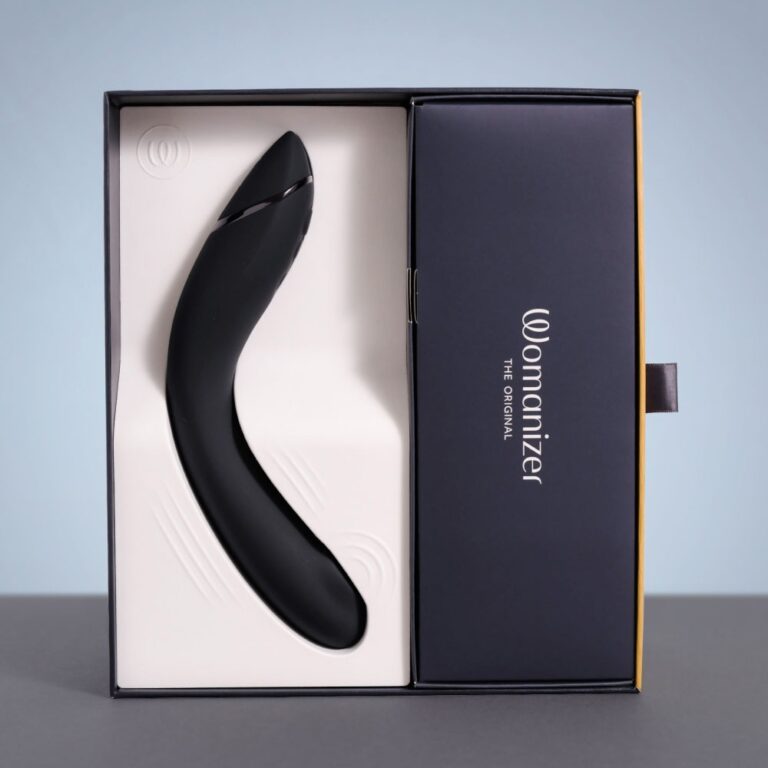
Si su preocupación va más allá de la estructura del envase o los detalles técnicos, nuestro equipo de gestión está preparado para intervenir. Puede hablar con nosotros directamente sobre precios, plazos urgentes, requisitos especiales o cuestiones sin resolver que requieran decisiones de proyecto de mayor nivel.
Nos centramos en encontrar soluciones prácticas para que su proyecto de envasado siga avanzando, ya sea revisando costes, ajustando planes de producción, coordinando detalles de exportación o debatiendo una cooperación mayorista a largo plazo.
Hable con el ingeniero de envasado
Equipo de ingeniería
Obtenga asesoramiento experto sobre la estructura de la caja, la selección del cartón, la configuración de la línea de producción, la impresión, el acabado, la cantidad mínima de piezas, el muestreo y los detalles de producción antes de comenzar su presupuesto de envasado personalizado.
La ingeniería de envasado suele abarcar la estructura, los materiales, el proceso de fabricación, la rentabilidad y la protección del producto, por lo que esta redacción se ajusta a los puntos de decisión reales de los envases de marca.
La creatividad y la calidad son igual de importantes: las cinco estrategias básicas del diseño de envases para regalo
El embalaje de regalo es una herramienta de venta, no “solo una caja”. Cuando tu cliente ve el paquete en una estantería, en un unboxing de TikTok o en una mesa de devoluciones de Amazon, el envoltorio responde en silencio a tres preguntas: ¿Es legítima esta marca? ¿Vale la pena regalarlo? ¿Llegará seguro? Si da con esas respuestas, reducirá la fricción en el embudo y aumentará la repetición de pedidos.
En Zhibang (una fábrica de envases de papel de Shenzhen especializada en cajas personalizadas, venta al por mayor a granel y OEM/ODM), observamos el mismo patrón en minoristas, vendedores transfronterizos, distribuidores, agencias de diseño y marcas de rápido crecimiento. Los ganadores no eligen entre creatividad y calidad. Fijan ambas, y luego llevan el diseño a la producción sin sorpresas.
A continuación figuran los cinco estrategias básicas del marco del artículo, reescrito de un modo más práctico y sencillo para la fábrica. También incluiré situaciones reales de envasado y problemas de producción que querrás controlar.
La coherencia no es aburrida. Es la forma de crear memoria de marca a gran velocidad, sobre todo cuando el envase aparece en diferentes canales (minorista, DTC, correo de relaciones públicas, kits de influencers).
Cómo es la “coherencia” en la vida real
Mantenga el estructura estable (misma dirección de apertura, misma sensación de bisagra, mismas proporciones del núcleo).
Mantenga el sistema estables (mismas reglas de color, misma escala de patrones, misma lógica de colocación del logotipo).
Mantenga el señales táctiles estable (misma línea de base mate/suave al tacto, mismo “golpe” de lámina, misma profundidad de relieve).
Escenario rápido: comercio electrónico transfronterizo + FBA Si vende en varios mercados, estará luchando contra la uniformidad de los anuncios. Un aspecto uniforme ayuda a los clientes a reconocer tu marca cuando ven una cuadrícula de miniaturas, incluso antes de leer el título.
Estructurar ideas que favorezcan de forma natural la coherencia
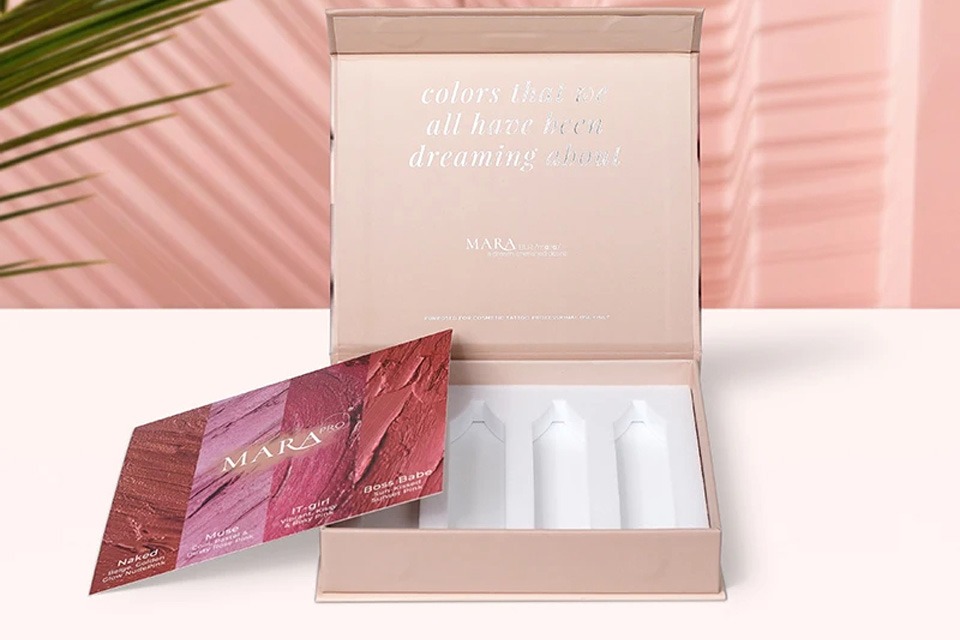
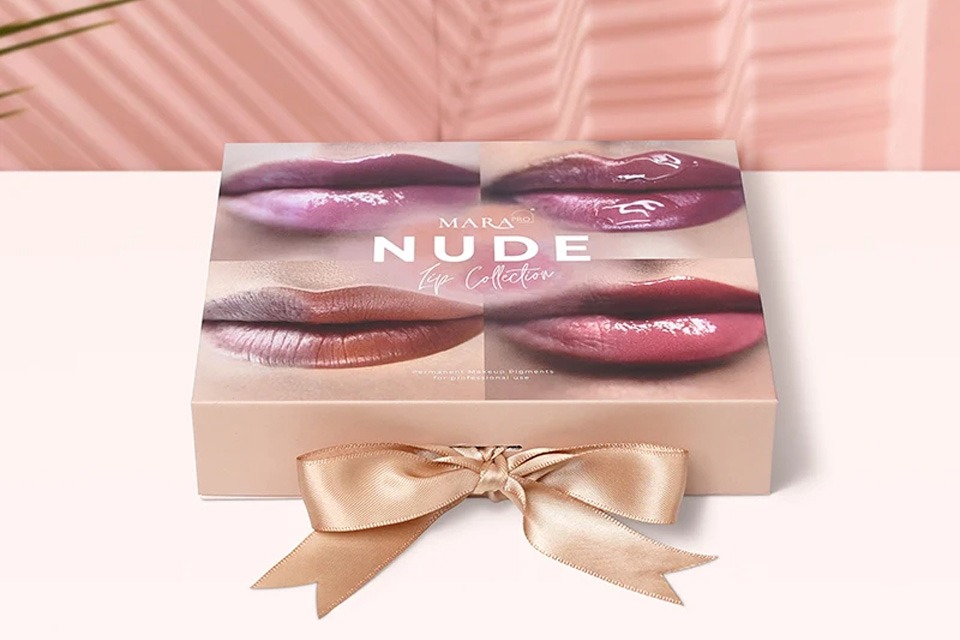
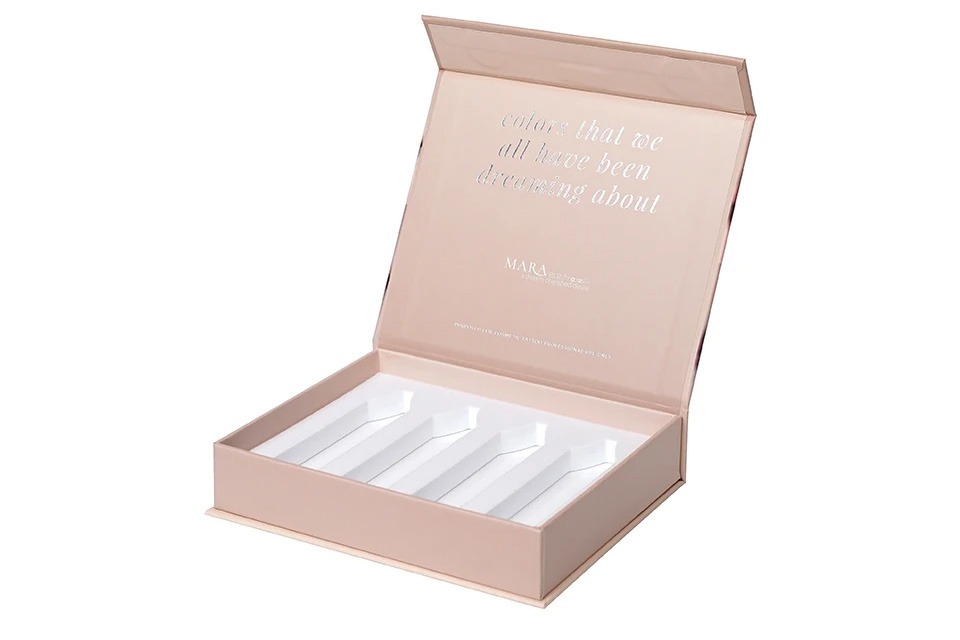
Las cajas magnéticas plegables mantienen la sensación de “tapa abatible de primera calidad” al tiempo que facilitan la logística. Una buena referencia es caja magnética plegable para regalo con lazo.
Las cajas con tapa y base le ofrecen una geometría limpia y líneas de diámetros repetibles para variaciones de tamaño. Vea esto tapa y base soporte de terciopelo estuche de regalo para el efecto “mirada de familia”.
Lista de comprobación en fábrica (para que la coherencia sobreviva a la producción en serie)
Cerradura Pantone/CMYK reglas con antelación, y guarde una muestra maestra firmada.
Controlar lote de laminación y la dirección de la veta del papel para que el acabado no se desplace.
Utilizar puntos de control de calidad para alineación de imanes y brecha en la tapa. Los pequeños cambios se leen como “baratos”.”
Atractivo visual
El atractivo visual es lo que te hace parar la estantería y el scroll. No está diseñando un PDF plano. Está diseñando para el movimiento: manos que giran la caja, el resplandor de la cámara y miradas rápidas.
Lo que realmente crea “pop”
Bloqueo de colores de alto contraste (no degradados ruidosos que se imprimen de forma diferente en cada tirada).
Una característica de héroe: lámina caliente, UV puntual, relieve/grabado, o una ventana en negrita.
Una forma que llama la atención, pero que sigue funcionando limpiamente en una línea de envasado.
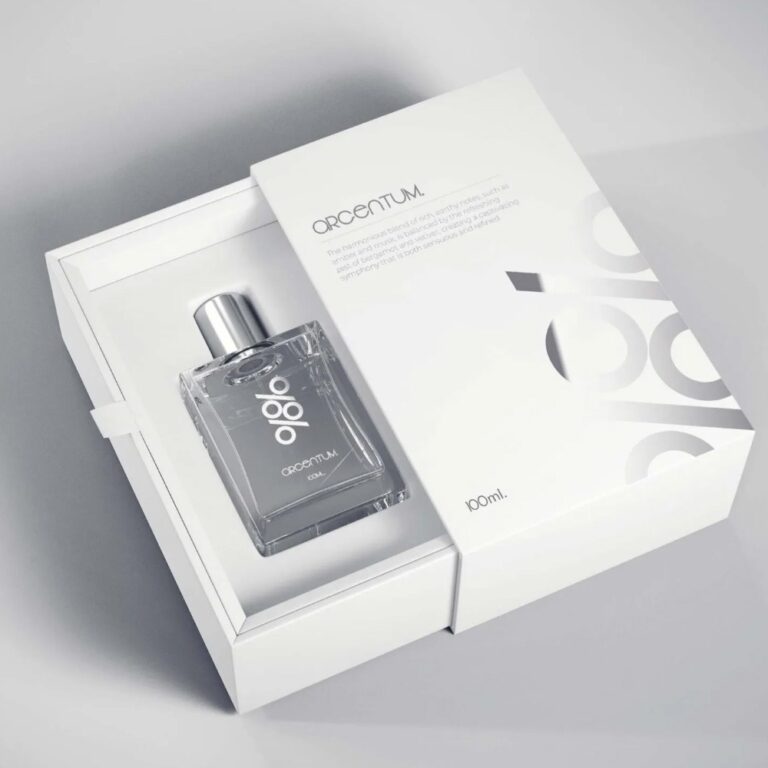
Escenario rápido: sets de regalo de cosméticos Los compradores de cosméticos juzgan el valor rápidamente. Si el envase no parece “de regalo”, dudan y se echan atrás. Una estructura deslizante puede dar la sensación de ser de primera calidad sin dejar de ser compacta.
Charla de producción (lo que olvidan los diseñadores)
Las láminas y las tintas planas UV tienen un aspecto increíble, pero necesitan un registro limpio. Si el material gráfico requiere microlíneas, se producirán desviaciones en las tiradas de alta velocidad.
Las películas para ventanas pueden rayarse. Si su canal realiza envíos de larga distancia, considere inserciones protectoras o una ventana empotrada.
Información intuitiva
Un buen envase “habla” sin obligar a leer. Eso importa cuando:
su público es internacional,
vende a través de distribuidores,
su producto se encuentra detrás de un cristal o en un estante superior.
Cómo hacer que los envases se expliquen por sí mismos
Utiliza el material como mensaje: papel mate + texturizado se lee “premium”, kraft se lee “natural”, metalizado se lee “gama alta”.”
Construya una jerarquía visual clara: marca → tipo de producto → beneficio clave.
Deje que el inserto explique la función: un recorte o una bandeja limpios indican a la gente qué va dónde.
Escenario rápido: aceites esenciales / frascos pequeños A la gente le preocupan las fugas y las roturas. Su envase debe indicar al instante “seguridad”. Los tubos cilíndricos lo hacen bien porque la propia forma implica protección y orden.
Consejo para operaciones Si está escalando, no entierre su mensaje “qué es” dentro de la caja. Los distribuidores y los equipos de almacén dependen de la claridad exterior para la selección, el almacenamiento y la clasificación de las devoluciones.
Resonancia emocional
La resonancia emocional es la diferencia entre un “bonito envoltorio” y que “la gente lo publique”. No necesitas un truco complicado. Necesitas un momento deliberado.
Formas sencillas de crear un minirritual
Un suave broche magnético.
Un tirador de cajón que da la sensación de abrir un regalo, no una caja de cartón.
Una tarjeta con mensaje o una ranura de agradecimiento que forme parte de la estructura (no una ocurrencia tardía).
Una inserción que hace que el producto se sienta como un expositor, no como un envío.
Escenario rápido: kits de relaciones públicas con influencers Los kits de relaciones públicas no tienen una segunda oportunidad. Si el unboxing parece desordenado, el contenido parece desordenado. Las cajas rígidas con soportes estructurados hacen que el producto esté “listo para la cámara”.”
Si su marca envía accesorios, herramientas de belleza o pequeños artículos de primera calidad, combine una estructura rígida con un interior limpio y una secuencia de apertura clara. A continuación, mantén el exterior sencillo para que la revelación parezca intencionada.
Donde las marcas pierden emoción Sobrediseñan la superficie e infradiseñan la apertura. La caja queda muy bien en la renderización, pero abierta de verdad parece rígida, ruidosa o desalineada. Eso mata el ambiente.
Conocimiento de la marca
La conciencia de marca no es sólo un logotipo. Es su códigos de marcacolores, proporción, texturas, estilo de acabado y cómo se siente el conjunto en la mano.
Cree códigos de marca escalables
Elija uno o dos colores distintivos y mantenga una proporción constante.
Decida su “firma premium”: mate suave al tacto, textura de lino, acentos holográficos o brillo nítido.
Estandarice una familia de estructuras para su línea de héroes y, a continuación, amplíela.
Escenario rápido: mayoristas y distribuidores Su envase tiene que funcionar cuando lo vende otro. A los distribuidores les encantan los envases fáciles de almacenar, fáciles de explicar y difíciles de confundir con los de la competencia.
La conciencia de marca puede vivir más allá de la caja Las bolsas y los carritos de la compra llevan su marca a la calle. Si se dedica al comercio minorista fuera de línea, no considere la bolsa como algo secundario. Una buena opción es bolsas de papel con asa de cuerda porque prolonga el momento “regalable” y aumenta las impresiones de los transeúntes.
Si está listo para estandarizar los códigos de marca en todas las referencias, el camino más rápido es alinear las líneas de producción, las especificaciones de impresión y las reglas de acabado durante el muestreo OEM/ODM. También puede ponerse en contacto con el equipo a través del Contacte con nosotros u obtenga más información sobre el apoyo a la producción en Quiénes somos.
Las cinco estrategias de un vistazo (con movimientos prácticos de empaquetado)
Palabra clave de la estrategia
Lo que realmente controla
Lo que notan los compradores
Movimiento de embalaje que funciona a granel
Canales más adecuados
Fuente
Consistencia del aspecto
Memoria de marca + estabilidad premium
“Esto parece una marca de verdad”
Repetición de la estructura + sistema de colores en todos los tamaños
Minorista + comercio electrónico + distribuidor
Referencias de la estructura de Zhibangpack
Atractivo visual
Atención + valor percibido
“Eso parece caro”
Acabado One Hero (foil / spot UV) + contraste limpio
Estanterías + unboxing social
Opciones de acabado de Zhibangpack
Información intuitiva
Comprensión rápida + menos dudas
“Entiendo lo que es esto”
Jerarquía clara + bandeja explicativa del producto
Transfronterizo + mayorista
Patrones de inserción Zhibangpack
Resonancia emocional
Compartibilidad + apego
“Este es un momento de regalo”
Un momento ritual (broche magnético / tirador de cajón)
Kits DTC + PR
Estructuras rígidas Zhibangpack
Conocimiento de la marca
Reconocimiento sin sobrelogotipo
“Volvería a ver esto”
Códigos de marca: proporciones de color, firma de textura, proporciones coherentes
Escalado multicanal
Compatibilidad con el sistema de la marca Zhibangpack
Mapa rápido “del diseño a la producción” (para que la creatividad no se rompa a escala)
Elección del diseño
Qué puede mejorar
Riesgo de producción común
Cómo reducir riesgos en OEM/ODM
Cierre magnético
Tacto premium + ritual abierto
Desalineación del imán, desviación de la abertura de la tapa
Muestra dorada firmada + plantilla de posicionamiento de imanes en QC
Cajón deslizante
Satisfacción del unboxing + embalaje compacto
Fricción demasiado apretada/floja después de la laminación
Prueba con papel final + laminación, no con cartón en bruto
Estampación en caliente
Señal de lujo + atractivo para regalo
Desviación del registro, agrietamiento de la lámina en los pliegues
Mantenga las líneas de pliegue despejadas, evite el microtexto de lámina diminuta
UV directo
Contraste de texturas + detalles premium
Manchas, brillo desigual
Simplificar las formas, mantener un espaciado suficiente
Plantillas (EVA/espuma/bandeja)
Protección + claridad
Tolerancia de ajuste, traqueteo
Prueba de ajuste con producto real, establecimiento de normas de tolerancia
Cierre: cómo utilizar este marco en su próximo pedido
Si estás planeando una nueva tirada de cajas regalo, no empieces con “¿Qué caja queda bien?”. Empieza por donde la caja tiene que ganar:
Marcas minoristas: ganar el lineal y proteger los márgenes con coherencia + impacto visual.
Vendedores transfronterizos: ganen el pulgarcito y reduzcan las devoluciones con una estructura intuitiva + protección.
Mayoristas/distribuidores: ganar el almacén con claridad, especificaciones repetibles y un control de calidad estable.
Agencias de diseño: consigan la aprobación del cliente mostrando un sistema escalable, no un render único.
Nuevas marcas: ganarse la confianza haciendo que el primer contacto sea sólido y deliberado.
Cuando esté listo, elija 1-2 estructuras del catálogo de Zhibangpack, bloquee los códigos de marca y, a continuación, realice muestreos como si fuera en serio. La creatividad vende a primera vista. La calidad cierra el trato y mantiene vivo el ciclo de pedidos.