Wenn Ihr Anliegen über die Verpackungsstruktur oder technische Details hinausgeht, ist unser Managementteam bereit, einzugreifen. Sie können direkt mit uns über die Preisgestaltung, dringende Zeitpläne, besondere Anforderungen oder ungelöste Probleme sprechen, die Projektentscheidungen auf höherer Ebene erfordern.
Wir konzentrieren uns darauf, praktische Lösungen zu finden, die Ihr Verpackungsprojekt vorantreiben, sei es bei der Überprüfung von Kosten, der Anpassung von Produktionsplänen, der Koordinierung von Exportdetails oder der Erörterung einer langfristigen Zusammenarbeit mit dem Großhandel.
Mit dem Verpackungsingenieur sprechen
Technik-Team
Holen Sie sich eine fachkundige Beratung zu Schachtelstruktur, Kartonauswahl, Stanzformaufbau, Druck, Veredelung, MOQ, Bemusterung und Produktionsdetails, bevor Sie Ihr Angebot für eine individuelle Verpackung erstellen.
Die Verpackungstechnik umfasst in der Regel die Bereiche Struktur, Materialien, Herstellungsverfahren, Kosteneffizienz und Produktschutz, so dass diese Formulierung mit den tatsächlichen Entscheidungspunkten für Markenverpackungen übereinstimmt.
Drei Tipps, wie Sie die Verpackung Ihrer Produkte gestalten können?
Wenn Ihr Produkt in einer überfüllten Kategorie angesiedelt ist, ist die Verpackung kein “Extra”. Sie ist Ihr stiller Vertreter. Sie muss in den ersten 3 Sekunden überzeugen, den Versand überstehen und sich immer noch wie Ihre Marke anfühlen, wenn der Kunde sie öffnet.
Bei Zhibang (einer Papierverpackungsfabrik mit Sitz in Shenzhen, die sich auf kundenspezifische Schachteln und Druck mit OEM/ODM- und Großhandelssupport spezialisiert hat) sehen wir bei Einzelhändlern, grenzüberschreitenden E-Commerce-Anbietern, Distributoren und Markeninhabern das gleiche Muster: Die Verpackung, die am besten funktioniert, ist nicht die ausgefallenste. Es ist die klarste, die einheitlichste und die am einfachsten zu skalierende.
Bevor wir ins Detail gehen, hier eine kurze Übersicht über die drei Tipps und wie sie sich in realen Projekten zeigen.
Tipp Stichwort
Was es wirklich bedeutet
Schnell-Checkliste “Das tun”
Zhibang-interne Beispiele
Die Marke hervorheben
Machen Sie Ihre Box sofort erkennbar und leicht verständlich
Sichern Sie Ihre Markenzeichen (Farbe, Logoposition, Typografie), straffen Sie die Informationshierarchie, halten Sie die Claims sauber
Die meisten Verpackungen scheitern aus einem einfachen Grund: Sie versuchen, alles auf einmal zu sagen. Dafür hat Ihr Kunde keine Zeit. Sie brauchen einen klaren “Scan-Pfad”, der drei Fragen schnell beantwortet: Was ist das? Für wen ist es bestimmt? Warum sollte ich ihr vertrauen?
Definieren Sie Produkt, Zielgruppe und Kanal
Das ist keine Theorie. So vermeiden Sie Überarbeitungen, verpasste Termine und Verpackungen, die auf einem Moodboard toll aussehen, aber im Regal untergehen.
Produktrealität: Ist es zerbrechlich, ölig, schwer, temperaturempfindlich oder seltsam geformt? Das entscheidet über Struktur, Einsätze und Kartonqualität.
Das Publikum passt: Ein Käufer von Hautpflegeprodukten will “sauber + sicher + hochwertig”. Ein Käufer von Gadgets will “Präzision + Spezifikationen + Schutz”. Der Käufer eines Geschenks will “Wow + Komfort”.”
Kanaleinschränkungen:
Elektronischer Handel: Ihre Kiste muss Falltests bestehen, darf nicht an den Ecken zerdrückt werden und muss auch nach der letzten Meile noch gut aussehen.
Einzelhandelsregal: Sie brauchen eine starke Wirkung im Regal, einen konsistenten Markenauftritt und aus der Ferne lesbare Aussagen.
Kartons für den Großhandel: Sie brauchen eine stabile Qualitätskontrolle, eine einheitliche Farbe und eine Verpackung, die auch im großen Maßstab reibungslos funktioniert.
Wenn Sie sich schnell einen Überblick über Marke und Kanal verschaffen wollen, beginnen Sie mit der Über uns Seite, um die Erwartungen von Fertigung, QC und OEM/ODM zu formulieren, und verwenden Sie dann Kontakt um ein Angebot mit Ihren Kanalangaben (FBA, Einzelhandel, Händler usw.) anzufordern.
Verpackungen erzählen Ihre Markengeschichte
Eine Markengeschichte bedeutet keine langen Texte. Es bedeutet konsistente Signale.
Hier sehen Sie, wie das “Hervorheben der Marke” in der Praxis aussieht:
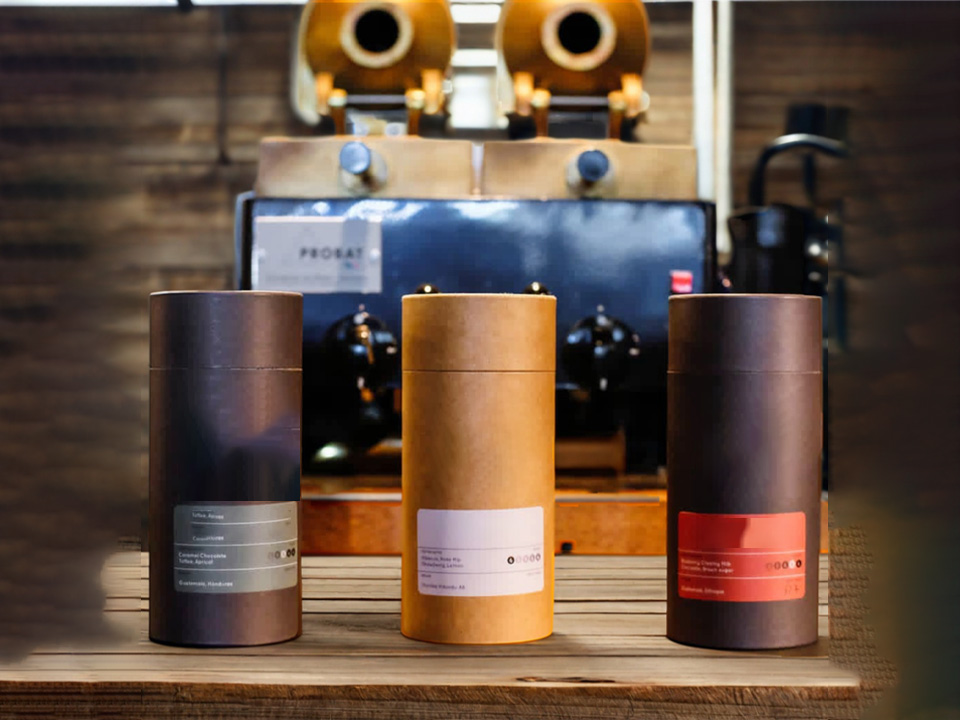
Ein primäres Markenmerkmal (Signaturfarbe, -muster oder -symbol), das sich in allen SKUs wiederholt.
Ein Heldenbereich (in der Regel auf der Vorderseite) mit einem starken Logo-Lockup und einem kurzen Deskriptor.
Eine Stützzone für Spezifikationen, Inhaltsstoffe, Konformitätssymbole oder Verwendungsschritte.
Wenn Sie mehrere SKUs verkaufen, halten Sie den “Markenrahmen” identisch und ändern Sie nur die SKU-Variable (Farbband, Symbol, Duftname, Farbnummer). So bauen Sie Regalpräsenz auf und machen Nachbestellungen mühelos.
Informationshierarchie für benutzerdefinierte Boxen
Wenn Ihre Verpackung gut aussieht, der Umsatz aber gering bleibt, liegt das Problem oft in der Hierarchie.
Versuchen Sie es mit dieser Layout-Logik:
Produkttyp (was es ist)
Primärer Nutzen (warum das wichtig ist)
Schlüsselnachweis (was sie glaubwürdig macht)
Sekundäre Details (Verwendung, Inhalt, Einhaltung der Vorschriften)
Und bleiben Sie realistisch. Überhöhte Ansprüche schaden nicht nur dem Vertrauen. Sie bereiten auch Kopfzerbrechen bei der Beschaffung, wenn Sie Großaufträge ausführen und gleichbleibende Auflagen benötigen.
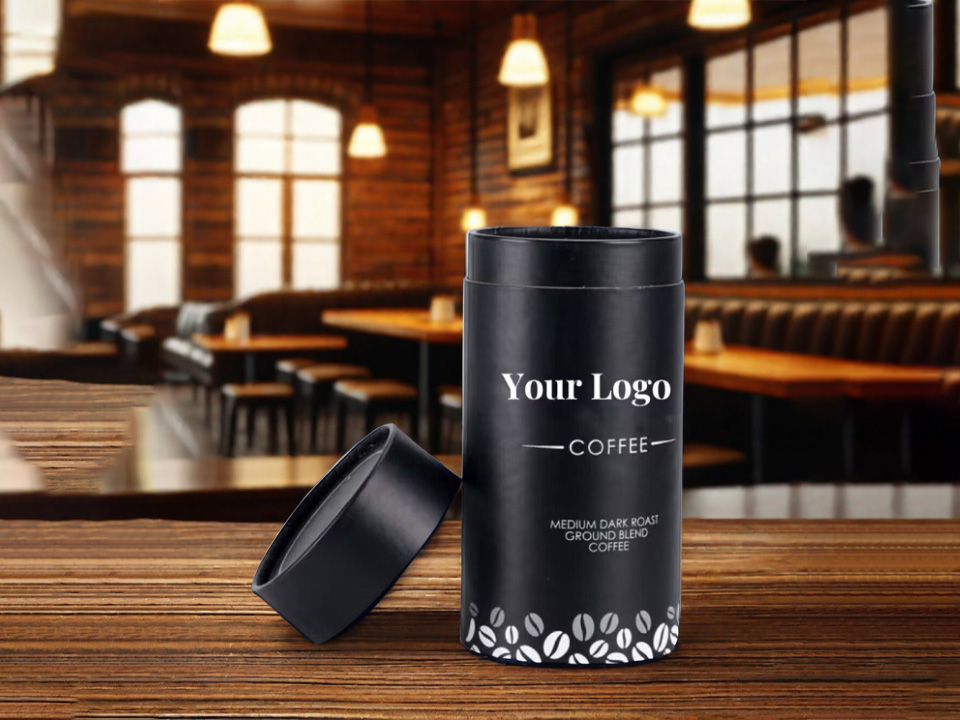
Wenn Ihre Marke online verkauft und ein versandfreundliches Branding benötigt, kann eine Versandtaschenstruktur eine Menge Arbeit erledigen. Ein optisch auffälliger Versandkarton wie ein holografischer Tuck-Top-Mailer kann die Aufmerksamkeit auf sich ziehen und gleichzeitig das Produkt schützen. Hier ist eine Option als Referenz: kundenspezifische holographische Papierverpackungen mit Einsteckdeckel.
Design zum Thema Urlaub
Urlaubsverpackungen wirken, wenn sie die Geschenkabsicht ohne die Käufer zu verwirren. Sie möchten, dass der Käufer denkt: “Das ist perfekt für ein Geschenk”, und dennoch Ihre Marke sofort erkennt.
Urlaubsverpackungen zum Verschenken
Hier ist ein einfacher Ansatz, der skalierbar bleibt:
Behalten Sie Ihr Markenkernbestand unverändert (Platzierung des Logos, Grundtypografie, Hauptfarbfamilie).
Hinzufügen einer Saisonschicht (Muster, Banderole, Aufkleber, Band oder Einlegekarte), die Sie kampagnenübergreifend austauschen können.
Das hält Ihre MOQ-Planung vernünftig und reduziert das Risiko von Restbeständen für die Feiertage.
Wenn Sie grenzüberschreitend verkaufen, hat die saisonale Verpackung zwei zusätzliche Aufgaben:
Überleben Sie die Logistik: Eckenschutz, Scheuerfestigkeit und gleichmäßige Verschlüsse.
Gut fotografieren: saubere Kanten, lesbares Branding und ein starker “Thumbnail-Moment”.”
Ein praktisches Spiel: Entwerfen Sie eine ganzjährige Schachtel und fügen Sie eine saisonale Außenhülle hinzu. Das geht schnell, ist einfach zu lagern und lässt sich auffrischen, ohne dass man die gesamte Stanzform neu gestalten muss.
CMYK-Pantone-Druck für Markenkonsistenz
Urlaubsfarben gehen schief, wenn Marken die Farbkontrolle ignorieren. Wenn Ihnen die Markenkonsistenz über verschiedene Chargen hinweg wichtig ist, sollten Sie frühzeitig über CMYK und Pantone sprechen und dann Proofs und Toleranzen festlegen.
Wenn Sie Großkartons versenden oder robuste, für den Einzelhandel geeignete Wellpappe benötigen, sollten Sie sich eine Struktur wie diese ansehen: benutzerdefinierte Farbe CMYK Pantone Druck Wellpappkarton. Wellpappe kann immer noch hochwertig aussehen, wenn Sie die richtige Laminierung und Druckkontrolle hinzufügen.
Steigerung des Produktwerts
Der wahrgenommene Wert ergibt sich aus dem, was die Kunden sehen und fühlen können: Struktur, Verarbeitung, Passform und Auspackvorgang. Sie brauchen kein wildes Design. Sie brauchen bewusstes Design.
Unboxing-Erlebnis und wahrgenommener Wert
Das Unboxing ist im Grunde Ihr Offline-Markenmoment. Auch wenn Sie 100% online verkaufen, beurteilen die Kunden Sie immer noch mit ihren Händen.
Sorgen Sie dafür, dass die Abfolge überlegt ist:
Äußerer Karton lässt sich sauber öffnen (kein Ringen mit Klebeband)
Das Produkt sitzt zentriert (kein Klappern)
Einfügen zeigt das Produkt wie ein “Display”, nicht wie ein Versandfix
Kleiner Marken-Touch (Dankeskarte, kurze Betreuungsnotiz, QR zu Nutzungstipps)
Hier sind Großabnehmer oft die Gewinner. Wenn Sie Einsätze und Montageschritte standardisieren, erhalten Sie eine wiederholbare Qualitätskontrolle und einen schnelleren Produktionsanlauf.
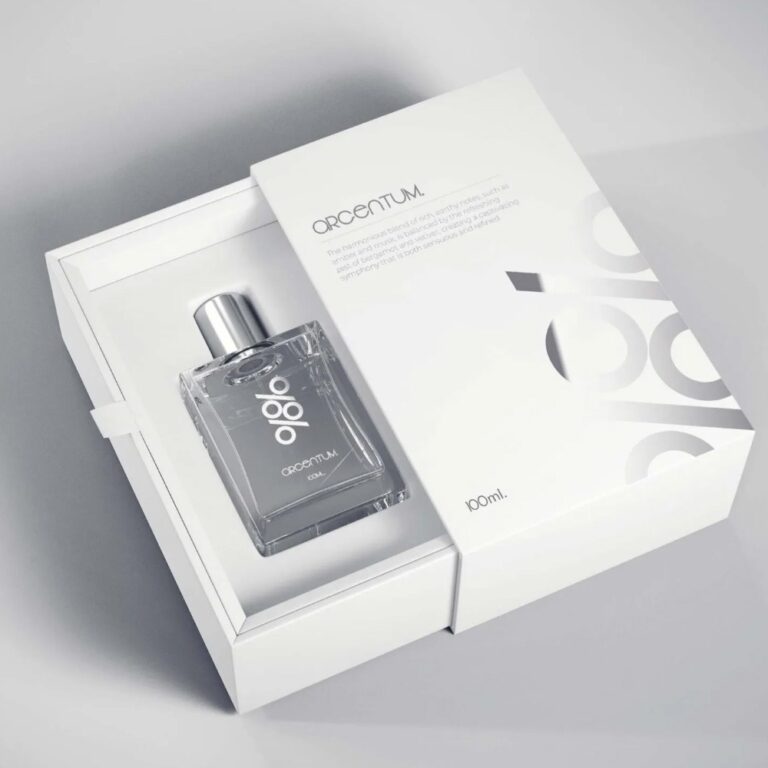
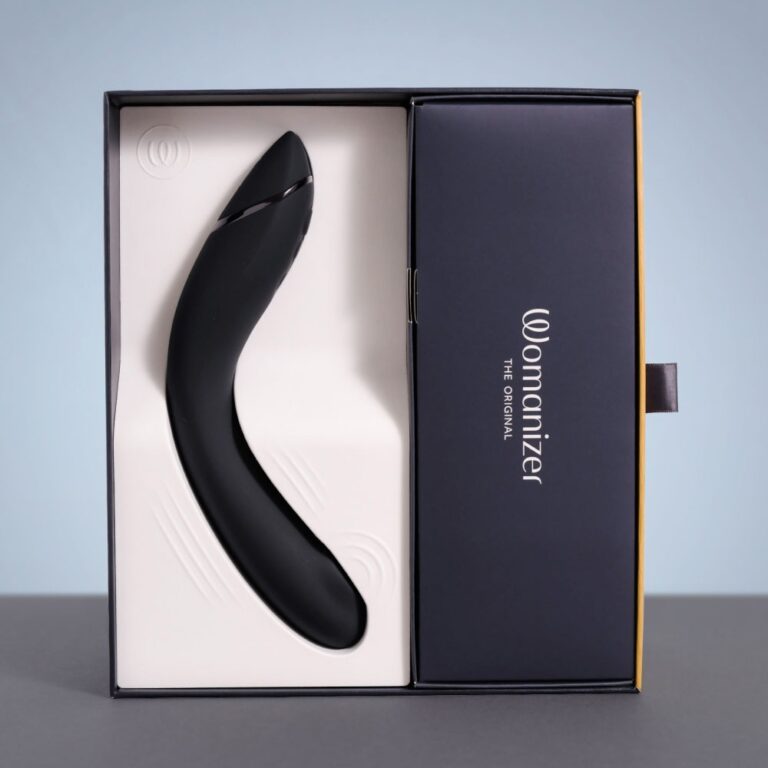
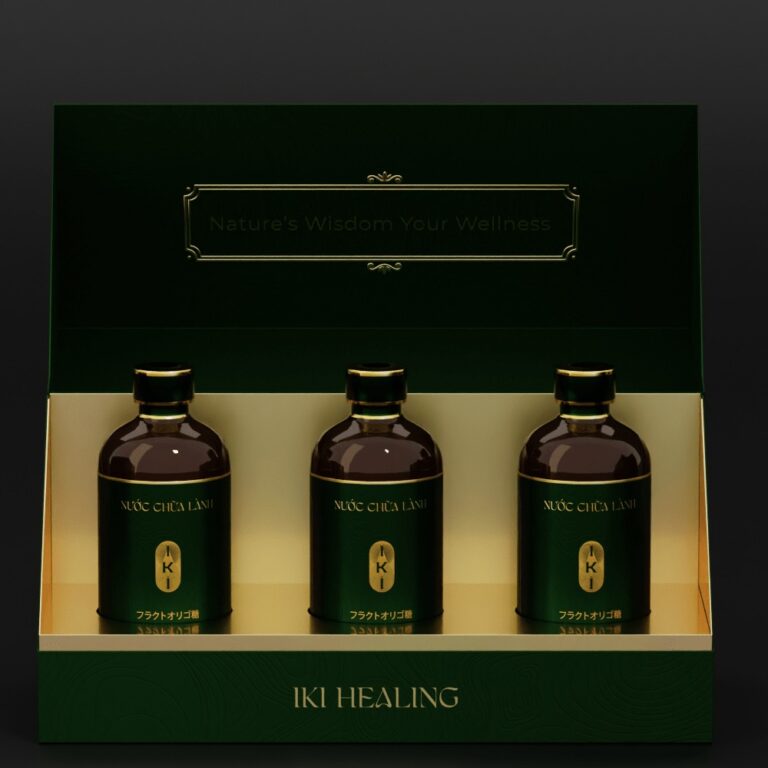
Eine starke Premiumverpackung ist eine starre Schachtel mit einer geformten Einlage (EVA/Schaumstoff), die das Produkt an seinem Platz hält. Das ist besonders nützlich für Elektronik, Parfüm und hochwertige Kits. Erkunden Sie diese Kategorie über Produkte und nehmen Sie Strukturen in die engere Auswahl, die Ihrer SKU entsprechen.
Verpackungsmaterial zum Anfassen und Fühlen
Menschen entscheiden schneller mit ihren Händen, als sie zugeben. Matte Laminierung, Soft-Touch-Lackierung, strukturiertes Papier, Prägung/Entprägung, Spot-UV und Heißfolie - sie alle verändern, wie “teuer” sich ein Karton anfühlt.
Verwenden Sie die Nachbearbeitung wie ein KPI-Tool:
Dateistatus (AI/PDF-Vorlage, Stanzform, oder benötigen Sie Hilfe)
Dann erreichen Sie uns über Kontakt und behalten Sie Ihre Spezifikationen in einem Thread, damit Ihr OEM/ODM-Arbeitsablauf straff bleibt.
Nachbereitung
Wenn Sie sich nur an drei Dinge erinnern, dann an diese:
Heben Sie die Marke hervor: machen sie sofort klar, einheitlich und lesbar.
Design zum Thema Urlaub: saisonale Schichten hinzufügen, ohne dass Ihre Kernidentität verloren geht.
Steigerung des Produktwertes: win mit Struktur, Haptik und Schutz, der sich für die Massenproduktion eignet.
Wenn Sie bereit sind, beginnen Sie bei der Zhibang-Homepage um die Kategorien zu durchsuchen, und springen Sie dann in Produkte um eine Auswahlliste mit Boxen zu erstellen, die zu Ihrer SKU und Ihrem Kanal passen.