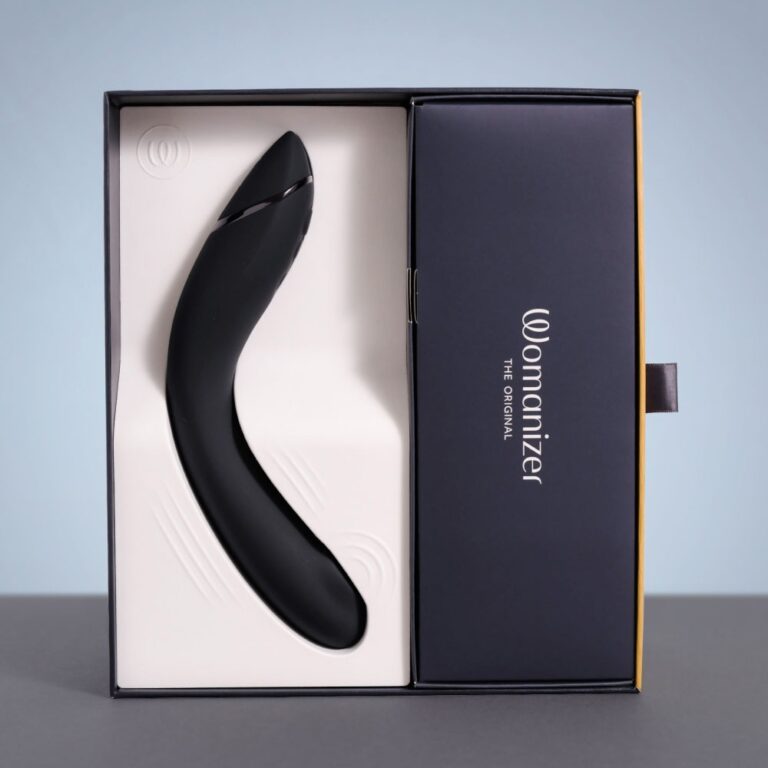
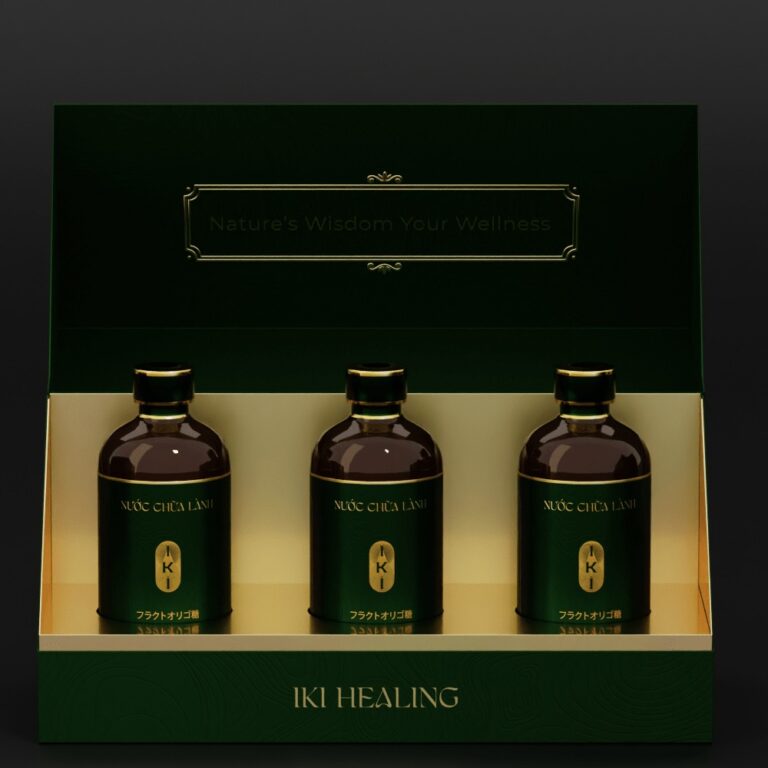
Wenn Ihr Anliegen über die Verpackungsstruktur oder technische Details hinausgeht, ist unser Managementteam bereit, einzugreifen. Sie können direkt mit uns über die Preisgestaltung, dringende Zeitpläne, besondere Anforderungen oder ungelöste Probleme sprechen, die Projektentscheidungen auf höherer Ebene erfordern.
Wir konzentrieren uns darauf, praktische Lösungen zu finden, die Ihr Verpackungsprojekt vorantreiben, sei es bei der Überprüfung von Kosten, der Anpassung von Produktionsplänen, der Koordinierung von Exportdetails oder der Erörterung einer langfristigen Zusammenarbeit mit dem Großhandel.
Mit dem Verpackungsingenieur sprechen
Technik-Team
Holen Sie sich eine fachkundige Beratung zu Schachtelstruktur, Kartonauswahl, Stanzformaufbau, Druck, Veredelung, MOQ, Bemusterung und Produktionsdetails, bevor Sie Ihr Angebot für eine individuelle Verpackung erstellen.
Die Verpackungstechnik umfasst in der Regel die Bereiche Struktur, Materialien, Herstellungsverfahren, Kosteneffizienz und Produktschutz, so dass diese Formulierung mit den tatsächlichen Entscheidungspunkten für Markenverpackungen übereinstimmt.
Heben Sie Ihre Marke mit individuellen Bekleidungsboxen hervor: Tipps für elegante Verpackung und Veredelung
Wenn Sie Bekleidung verkaufen, erfüllt Ihre Verpackung mehr als nur die Aufgabe, ein Produkt zu “enthalten”. Sie setzt Erwartungen, bevor jemand den Stoff berührt. Wenn Sie ein DTC-Geschäft betreiben, Massenware an Einzelhändler versenden oder eine Eigenmarkenlinie aufbauen, ist die Verpackung eine der schnellsten Möglichkeiten, Ihr Markenimage zu verbessern, ohne das Kleidungsstück selbst zu verändern.
Zhibang ist eine Papierverpackungsfabrik in Shenzhen, die sich auf Schachteln und Druck nach Maß, mit OEM/ODM, Unterstützung für den Großhandel und die Art von Qualitätskontrolle, die Sie benötigen, wenn Sie SKUs über Märkte hinweg skalieren. Sie können mit dem Zhibang-Homepage und durchsuchen Sie die vollständige Produkte Liste, um Stile und Ausführungsoptionen zu sehen.
Verpackungsentscheidungen, die die Markenwahrnehmung beeinflussen
Hier finden Sie eine schnelle, praktische Karte, die Sie bei der Planung einer neuen Serie verwenden können. Es ist keine “Theorie” - es ist die gleiche Checkliste, die Käufer verwenden, wenn sie die Regaloptik, den Inhalt der Verpackung und das Rückgaberisiko beurteilen.
Bessere Markengeschichte, leichtere Akzeptanz im Einzelhandel in ökologisch ausgerichteten Märkten
Schachtelform und Materialien für individuelle Bekleidungsschachteln
Beginnen Sie mit der Struktur. Fühlt sich die Schachtel wackelig an, kann keine Nachbearbeitung sie vollständig retten.
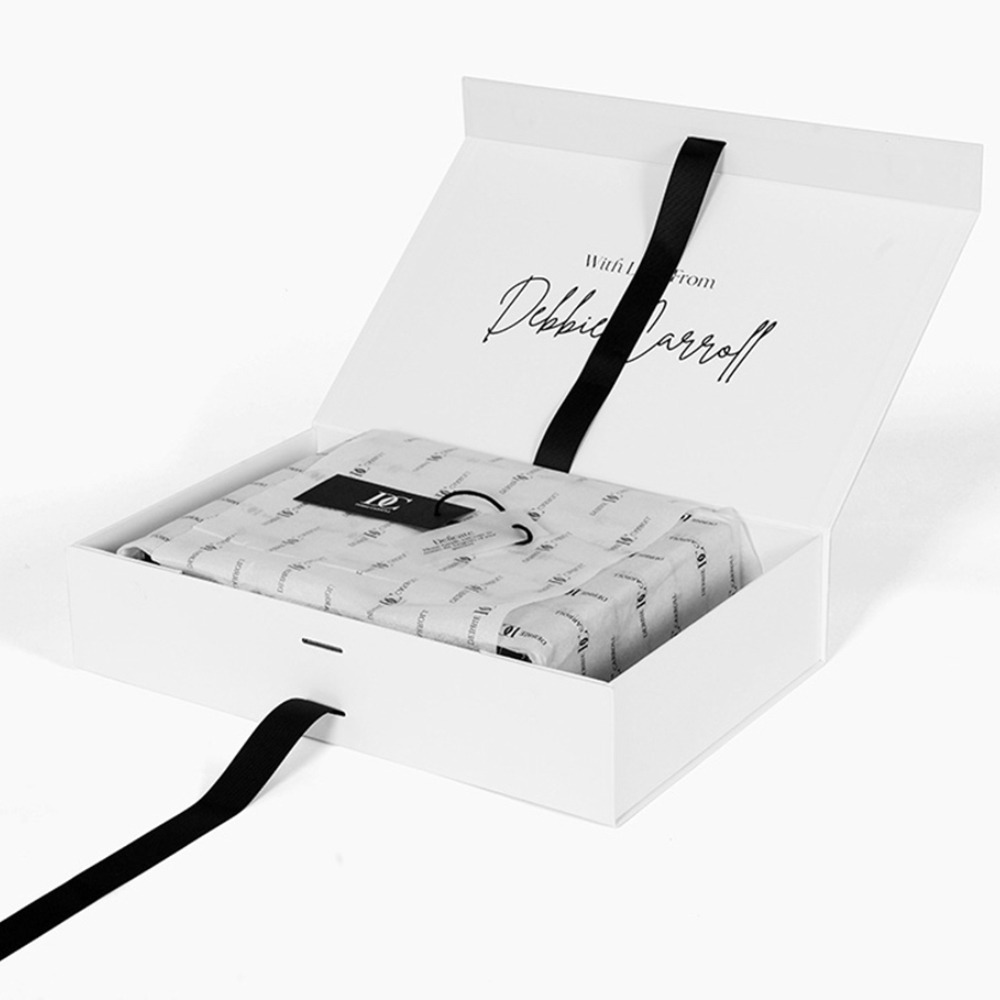
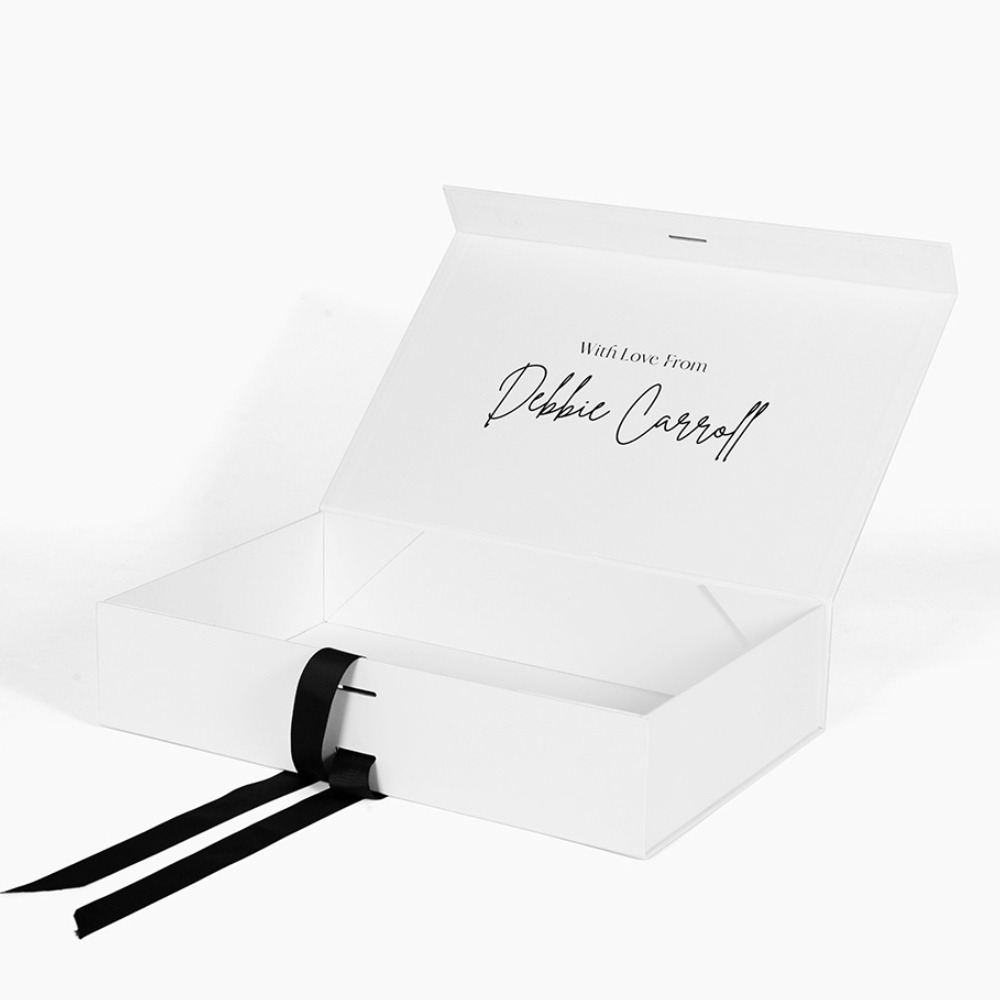
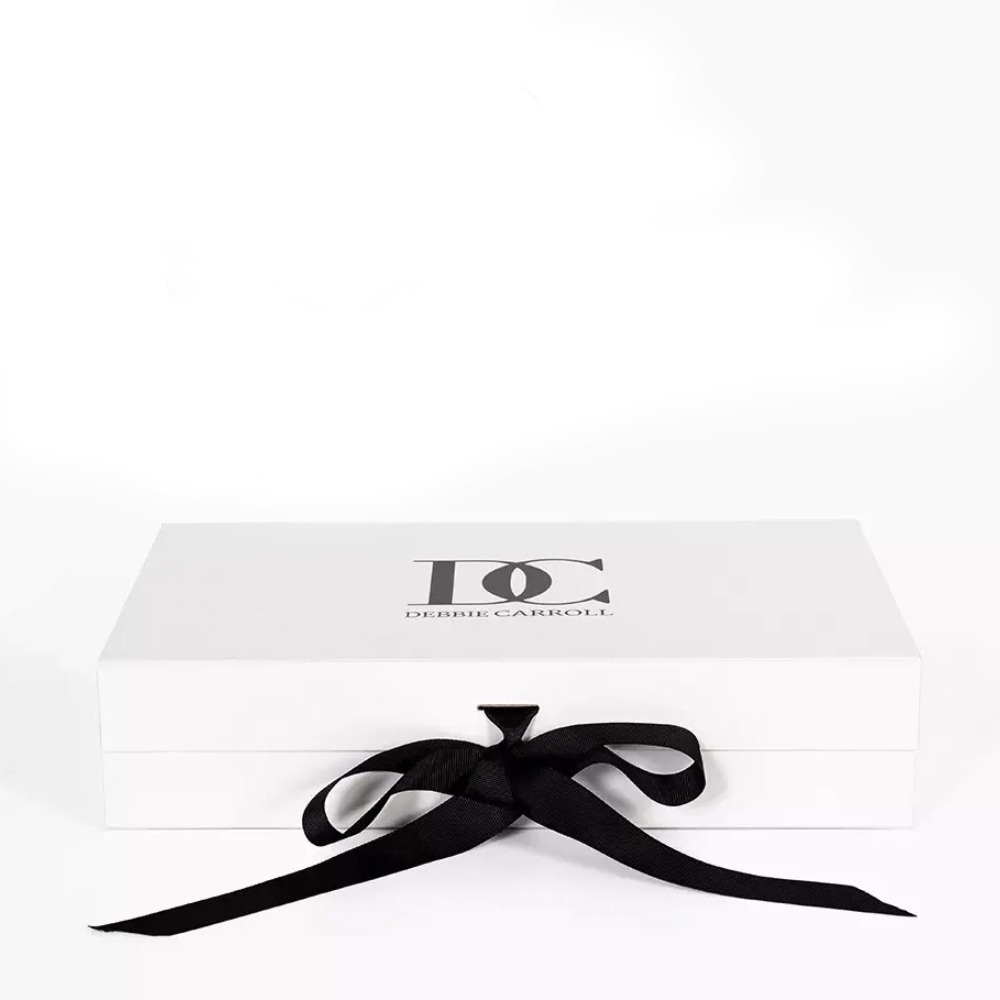
Boxen mit Magnetverschluss eignen sich gut für hochwertige Kleidungsstücke, Bademode und Geschenkartikel. Der Verschluss ist knackig, und es steht “beabsichtigt” und nicht “gerade versandt”. Wenn Sie ein hochwertiges Unboxing für kleine Kleidungsstücke entwerfen, werfen Sie einen Blick auf die faltbare Bikini-Geschenkboxen mit Magnetverschluss .
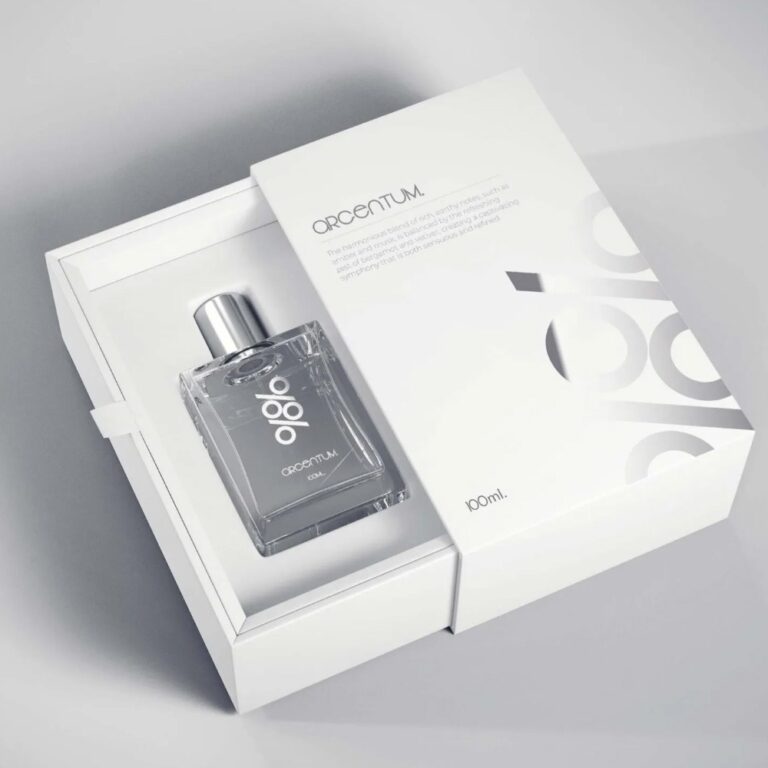
Starre Kisten mit Deckel und Boden für Dessous und empfindliche Kleidungsstücke, denn Sie können die Enthüllung kontrollieren. Sie öffnen es wie eine Präsentation, nicht wie einen Versandkarton. Die Deckel und Boden Dessous-Verpackung mit Satinträger zeigt, wie die Beilage das Produkt unterstützt, nicht nur die Schachtel.
Zusammenlegbare starre Kisten sind hilfreich, wenn Sie in großen Mengen einkaufen und auf Frachteffizienz achten. Sie lassen sich flacher lagern und springen bei Bedarf wieder in Form. Für ein hochwertigeres Gefühl bietet die klappbare magnetische kunstlederboxen für kleidung sind ein starker Bezugspunkt.
Wenn Sie nicht sicher sind, welche Struktur zu Ihrer SKU passt, sehen Sie sich die Produkte Seite und wählen Sie 2-3 Kartontypen aus. Dann können Sie auf der Grundlage Ihres tatsächlichen Arbeitsablaufs entscheiden: Faltmethode, durchschnittliche Auftragsgröße und wie Ihr 3PL Pakete bearbeitet.
Budgetplanung für individuelle Verpackungen
Sie müssen nicht jede Spezifikation “ausreizen”. Sie müssen dort ausgeben, wo die Kunden es tatsächlich bemerken.
Eine einfache Art, darüber nachzudenken:
Setzen Sie Ihre besten Materialien und Verarbeitungen ein die Berührungspunkte: Deckel, Logobereich, Ränder und die erste innere Schicht.
Halten Sie den Rest sauber und einheitlich. Eine ruhige Box sieht oft hochwertiger aus als eine unruhige.
Wenn Sie auf Marktplätzen verkaufen, ist dies sogar noch wichtiger. Kunden beurteilen schnell, und sie beurteilen anhand von Fotos. Eine saubere, matte Schachtel mit einem scharfen Logo schneidet in der Regel besser ab als eine Schachtel, die versucht, alles auf einmal zu machen.
Zusammenarbeit mit einem Verpackungshersteller in Shenzhen für OEM/ODM
Verpackungen werden unübersichtlich, wenn man sie wie einen einmaligen Druckauftrag behandelt. In der realen Produktion müssen Sie Fristen, Toleranzen, Farbe, Klebstoff und Chargenstabilität verwalten.
Deshalb ist die Unterstützung durch den Hersteller so wichtig:
Dieline-DisziplinEine saubere Stanzlinie verhindert Passformprobleme, wenn Sie die Stärke oder das Material der Einlage ändern.
Farbsteuerung: Sie wünschen sich einen einheitlichen Druck bei wiederholten Bestellungen, insbesondere wenn Ihre Marke bestimmte Farbtöne verwendet.
QC-KontrollpunkteKanten, Ecken, Magnetausrichtung, Folienregistrierung und Abriebfestigkeit können abdriften, wenn niemand sie kontrolliert.
Wenn Sie Verpackungen für Eigenmarken herstellen oder mehrere SKUs anbieten, ist die OEM/ODM-Unterstützung ein echter Vorteil. Mehr dazu erfahren Sie unter Über uns und erreichen Sie durch Kontakt für ein schnelles Angebot und eine Überprüfung der Spezifikationen.
Druck und Veredelung für Luxusverpackungen
Der Druck sorgt für das grundlegende Aussehen. Das Finishing ist das, was die Menschen fühlen, was sie im Licht kippen und woran sie sich später erinnern.
Wenn Sie eine “leise Luxus”-Verpackung für Bekleidung wünschen, funktioniert diese Kombination in vielen Kategorien:
matte Laminierung
ein kontrolliertes Folienlogo
ein Texturdetail (Prägung/Entprägung oder ein dezentes Muster)
Das ist genug, um hochwertig auszusehen, ohne wie eine Werbebox zu wirken.
Logo in Folienprägung
Die Folienprägung ist eine der saubersten Möglichkeiten, ein Logo teuer aussehen zu lassen, ohne grelle Farben zu verwenden. Außerdem lässt es sich unter Ringlicht gut fotografieren, was hilfreich ist, wenn Ihre Kunden Unboxings posten.
Praktischer Tipp: Halten Sie die Folienflächen eng. Große Folienflächen können in der Logistik schneller Kratzer aufweisen.
Laminierung: matte Laminierung und glänzende Laminierung
Bei der Laminierung geht es nicht nur um das Aussehen. Sie ist Ihr erster Schutz gegen Kratzer, Fingerabdrücke und leichte Feuchtigkeit bei der Handhabung.
Matte Laminierung wirkt modern und hochwertig. Es lässt sich gut mit minimalem Branding kombinieren.
Glänzende Laminierung drängt die Farbe in den Vordergrund und eignet sich für gewagte saisonale Tropfen.
Wenn Sie ein weicheres “Handgefühl” wünschen, fragen Sie nach Soft-Touch-Optionen, wenn Sie die Spezifikationen anfordern. Dadurch fühlt sich die erste Berührung bewusst an, was bei Kleidung wichtig ist.
Dies ist besonders nützlich für grenzüberschreitende Verkäufer. Ihr Paket wird durch mehrere Hände gehen, bevor es den Kunden erreicht.
Geprägtes Logo und entprägtes Muster
Prägung und Entprägung sorgen für eine dezente Textur, die der Kunde wahrnimmt, ohne darüber nachzudenken. Es ist die Art von Detail, die sich “handwerklich” anfühlt, nicht wie Massenware.
Wo es glänzt:
minimale Boxen, die auf Texturen statt auf schwere Grafiken setzen
Wenn Ihre Produktlinie einen minimalistischen Look hat, kann eine Prägung bzw. ein Abdruck eine zusätzliche Farbdeckung ersetzen und trotzdem edel wirken.
Bekleidungsspezifische Verpackungen: Faltungen, Beilagen und Unboxing Flow
Kleidung hat ihre eigenen Probleme: Falten, Stoffknicke und “sieht nach dem Auspacken billig aus”-Momente.
Hier finden Sie reale Verpackungsszenarien und wie Sie diese lösen können:
Badebekleidung und kleine Kleidungsstücke: kompakt und starr, damit das Produkt nicht hin und her springt. Eine faltbare magnetische Struktur wie die Bikini-Geschenkbox hält es straff und geschenktauglich.
Unterwäsche: Verwenden Sie einen Satinträger oder einen strukturierten Einsatz, damit die Träger und die Spitze nicht verheddert aussehen. Die Dessous-Deckel und -Boden-Box mit Satinhalter zeigt diesen “Präsentationsstil” deutlich.
Hochwertige Bekleidungssets: Wenn Sie Bündel (oben + unten oder Geschenksets) versenden, können faltbare, starre Boxen die Lagerung für Großhändler sauber halten und für den Endkunden trotzdem hochwertig aussehen. Die Kunstleder-Klappbox mit magnetischem Deckel für Kleidung gibt Ihnen das Gefühl von mehr Erhabenheit.
Das Ziel ist einfach: Wenn der Kunde die Schachtel öffnet, sollte das Produkt “verkaufsfertig” aussehen, nicht “gerade aus einem Behälter gezogen”.”
Umweltfreundliche Verpackung: recycelbare Materialien und umweltfreundlicher Druck
Umweltfreundlich muss nicht gleichbedeutend mit “schlicht” sein. Sie können Krafttöne, recycelbare Kartons und intelligente Veredelungen verwenden, um die Box sauber und markengerecht zu gestalten.
Wenn Ihre Markengeschichte auf Nachhaltigkeit ausgerichtet ist, sollten Sie die Botschaft zunächst in Ihre Materialien und Struktur einbauen und dann den Druck straff halten. Als Referenz finden Sie die Umweltfreundliche faltbare magnetische Geschenkboxen aus Kraft.
Dieser Ansatz ist auch hilfreich, wenn Sie sich an Einzelhandelskunden wenden. Viele Einzelhändler bevorzugen Verpackungen, die verantwortungsvoll aussehen, ohne “billig” zu wirken.”
Kurze Checkliste, bevor Sie Ihre Großbestellung aufgeben
Verwenden Sie dies, bevor Sie Ihre Bestellung abschließen und mit der Probenahme beginnen:
Bestätigen Sie Ihre Box-Stil (magnetisch / Deckel und Boden / zusammenklappbar) und wie es zu Ihrem SKU-Mix passt.
Definieren Sie die Plan einfügen (Tissue, Satin, Papierschachtel) aufgrund von Falten und Stoffverhalten.
Schloss Logoplatzierung und die Bereiche, in denen die Endbearbeitung am wichtigsten sein wird.
Wählen Sie Veredelung die Ihren Vertriebskanal unterstützt (matt für Premium, glänzend für fette Tropfen, Folie für Markenfokus).
Erwartungen festlegen für Farbkonsistenz und Wiederholbarkeit über Chargen hinweg.
Ausrichten an QC-PunkteEckenknautschen, Magnetausrichtung, Folienausrichtung, Scheuerfestigkeit.
Plan für Lagerung und Versand von Massengütern wenn Sie ein Großhändler oder ein grenzüberschreitender Verkäufer sind.
Wenn Sie schnell vorankommen wollen, fangen Sie mit dem Stil Ihrer Zielbox und einigen Referenzlinks an und schicken Sie sie dann durch Kontakt. Zhibang kann Ihnen helfen, die Spezifikationen frühzeitig zu bereinigen, damit Sie später keine Zeit verlieren, um Probleme mit der Passform oder der Endbearbeitung zu lösen.