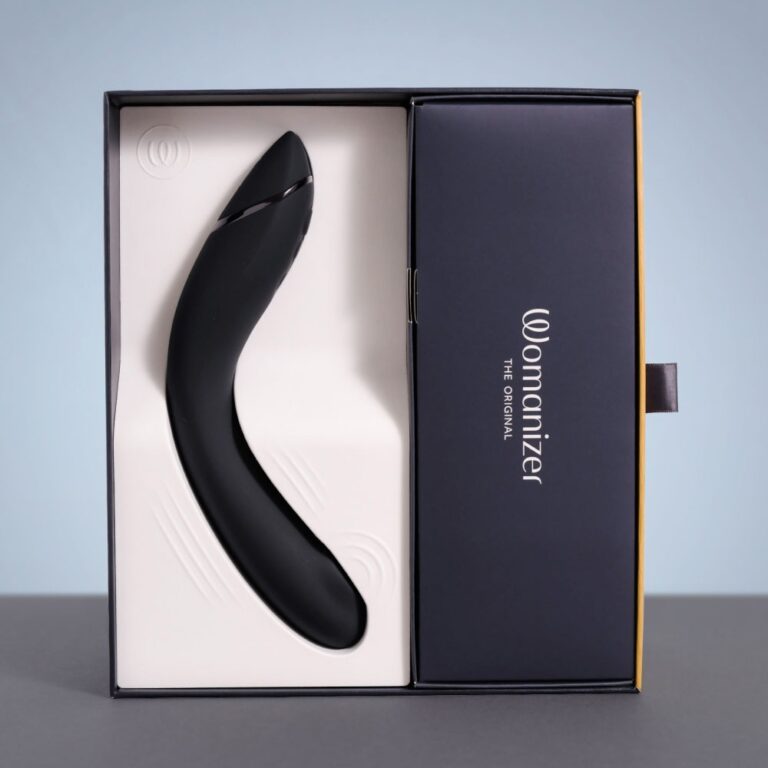
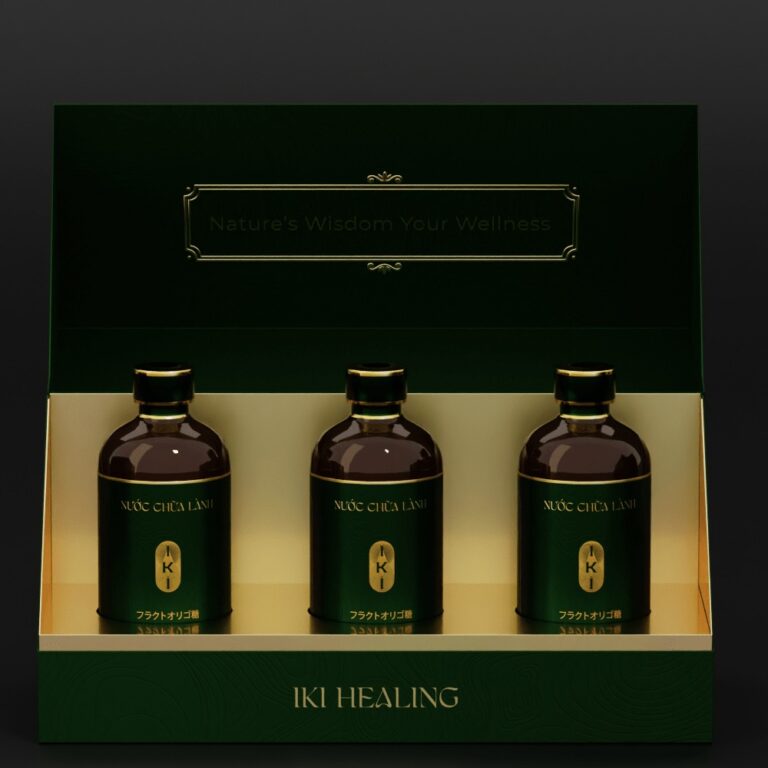
Wenn Ihr Anliegen über die Verpackungsstruktur oder technische Details hinausgeht, ist unser Managementteam bereit, einzugreifen. Sie können direkt mit uns über die Preisgestaltung, dringende Zeitpläne, besondere Anforderungen oder ungelöste Probleme sprechen, die Projektentscheidungen auf höherer Ebene erfordern.
Wir konzentrieren uns darauf, praktische Lösungen zu finden, die Ihr Verpackungsprojekt vorantreiben, sei es bei der Überprüfung von Kosten, der Anpassung von Produktionsplänen, der Koordinierung von Exportdetails oder der Erörterung einer langfristigen Zusammenarbeit mit dem Großhandel.
Mit dem Verpackungsingenieur sprechen
Technik-Team
Holen Sie sich eine fachkundige Beratung zu Schachtelstruktur, Kartonauswahl, Stanzformaufbau, Druck, Veredelung, MOQ, Bemusterung und Produktionsdetails, bevor Sie Ihr Angebot für eine individuelle Verpackung erstellen.
Die Verpackungstechnik umfasst in der Regel die Bereiche Struktur, Materialien, Herstellungsverfahren, Kosteneffizienz und Produktschutz, so dass diese Formulierung mit den tatsächlichen Entscheidungspunkten für Markenverpackungen übereinstimmt.
Die Auswahl der besten Druckverfahren für individuelle Hartschalen
Wenn Sie kaufen Starre Kisten nach Maß in großen Mengen ist das Druckverfahren kein “Nice-to-have”. Es entscheidet darüber, ob Ihre Schachtel in einem Einzelhandelsregal hochwertig aussieht, den Versand ohne Kratzer übersteht und auch bei Nachbestellungen farblich konsistent bleibt.
Bei Zhibang (einer Papierverpackungsfabrik in Shenzhen, die sich auf Schachteln und Druck nach Maß, OEM/ODM und Großhandel) sehen wir jede Woche dieselben Probleme: Farbabweichungen zwischen den einzelnen Chargen, feine Details, die schlammig werden, Logos, die an den Falzungen reißen, und “schöne Muster”, die bei der Massenproduktion auseinanderfallen.
In diesem Leitfaden werden die Kompromisse zwischen den wichtigsten Druckverfahren für starre Schachteln sowie die Veredelungstechniken aufgezeigt, die bei den Käufern den Eindruck erwecken: “Okay, das fühlt sich teuer an.” Sie erhalten auch eine schnelle Entscheidungstabelle, die Sie mit Ihrem Team teilen können.
Wenn Sie zunächst die Boxstile durchsuchen möchten, beginnen Sie mit der Zhibang-Homepage oder springen in Produkte .
Offsetdruck für starre Schachteln
Der Offsetdruck ist die erste Wahl für Marken, die Wert auf scharfe Bilder, saubere Farbverläufe und zuverlässige Farbanpassung. Wenn Ihre Verpackung das Aussehen eines Kaufhauses haben soll, ist der Offsetdruck in der Regel die beste Wahl.
Hochauflösende Druckvorlagen und Farbkonsistenz
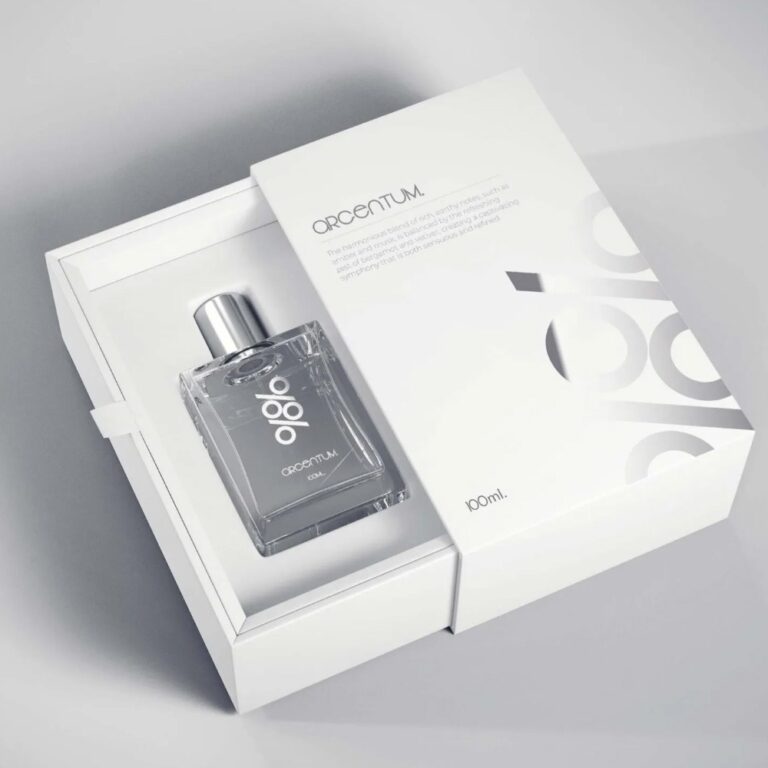
Der Offsetdruck eignet sich besser für detaillierte Grafiken, kleine Texte und sanfte Farbübergänge als die meisten anderen Optionen. Das ist wichtig für Kosmetika, Parfüms und Geschenksets, bei denen die Vorderseite der Schachtel im Grunde eine Werbetafel ist.
Beste Szenarien für den Offsetdruck
Regale im Einzelhandel: Sie brauchen eine straffe Registrierung und scharfe Markenfarben.
Hochwertige Einführungen: Sie möchten, dass sich das Unboxing bewusst anfühlt, nicht “gut genug”.”
Wiederholte Bestellungen: Ihr Markenteam möchte bei jeder Nachbestellung das gleiche Aussehen, keine Überraschung.
Wenn Ihre Schachtel auch eine hochwertige Veredelung benötigt, lässt sich der Offsetdruck gut mit Upgrades wie Folie, Spot-UV und Laminierung kombinieren (mehr dazu weiter unten).
Digitaldruck für kundenspezifische Hartschachteln
Der Digitaldruck bietet sich an, wenn es um Schnelligkeit, Flexibilität oder Personalisierung geht - ohne dass Sie sich mit Druckplatten herumschlagen müssen.
Schnelle Durchlaufzeiten und Flexibilität bei niedrigen Bestellmengen
Wenn Sie eine neue SKU testen, Influencer-Mailings durchführen oder saisonal verpacken möchten, bietet Ihnen die digitale Technik einen schnelleren Weg von der Datei zum Karton.
Beste Szenarien für den Digitaldruck
Musterläufe und Vorproduktion: Legen Sie den Look fest, bevor Sie skalieren.
Versionierung: Mehrere Sprachen, QR-Codes, regionale Compliance-Panels.
Digital kann großartig aussehen, aber bei großen Auflagen hat der Offsetdruck oft die Nase vorn, wenn es um die Konsistenz der Einheiten und die Effizienz bei langen Laufzeiten geht.
Flexodruck für starre Schachteln
Der Flexodruck ist auf Durchsatz ausgelegt. Er wird häufig bei größeren Verpackungen eingesetzt, insbesondere dort, wo Geschwindigkeit und Volumen wichtiger sind als ultrafeine Details.
Großserienproduktion und einfache Grafiken
Flexodruck eignet sich gut für kräftige Logos, große Farbblöcke und einfachere Layouts. Wenn Ihr starres Schachteldesign eher minimalistisch ist und Sie große Mengen drucken wollen, kann Flexodruck eine praktische Wahl sein.
Beste Szenarien für den Flexodruck
Großhandelsprogramme mit ständigen, wiederholten Befehlen
Einfache Markenzeichen (ein bis zwei Farben, weniger Farbverläufe)
Innere Verpackung wo die äußere Umhüllung keine Luxusdetails braucht
Wenn Ihr Design feine Farbverläufe oder winzige Typografie enthält, kann der Flexodruck im Vergleich zum Offsetdruck Probleme bereiten.
Tiefdruck für starre Schachteln
Der Tiefdruck (Rotationstiefdruck) kann großformatige, konsistente Drucke erzeugen, ist aber in der Regel für extrem große Produktionen reserviert, da die Einrichtung schwer ist.
Ultrahohe Lautstärke und stabile lange Laufzeiten
Der Tiefdruck ist sinnvoll, wenn man ein Design über einen langen Zeitraum hinweg verwendet und eine gleichbleibende Qualität in großen Mengen wünscht.
Beste Szenarien für den Tiefdruck
Immergrüne Produkte mit stabiler Verpackungsvorlage
Fertigung in sehr großem Maßstab wobei sich die Einrichtung im Laufe der Zeit amortisiert
Hohe Farbsättigung Bedürfnisse, insbesondere bei langen Läufen
Die meisten wachsenden Marken fangen nicht hier an. Sie skalieren in der Regel zuerst durch Offset.
Siebdruck für starre Schachteln
Der Siebdruck ist ein spezielles Werkzeug. Es ist nicht das schnellste, aber es ist großartig, wenn Sie bestimmte Farben oder haptische Effekte wünschen.
Spezieller Farbauftrag und kräftige Oberflächen
Das Siebdruckverfahren kann dickere Farbe auftragen. Dadurch können kräftige Farben und bestimmte Texturen entstehen, die man mit Standardverfahren nicht erhält.
Beste Szenarien für den Siebdruck
Kleine Chargen wo Einzigartigkeit zählt
Markenzeichen, die auffallen sollten mit kräftiger Farbdeckung
Besondere Effekte die dickere Farbschichten benötigen
Wenn Sie mehrfarbige Grafiken in Fotoqualität benötigen, ist der Siebdruck in der Regel nicht der effizienteste Weg.
Folienprägung, Prägung, Spot-UV- und Laminierveredelung
Mit dem Druck erhalten Sie das Basisdesign. Die Veredelung schafft das “Premium-Gefühl”, das die Kunden in zwei Sekunden bemerken.
Heißfolienprägung für starre Schachteln
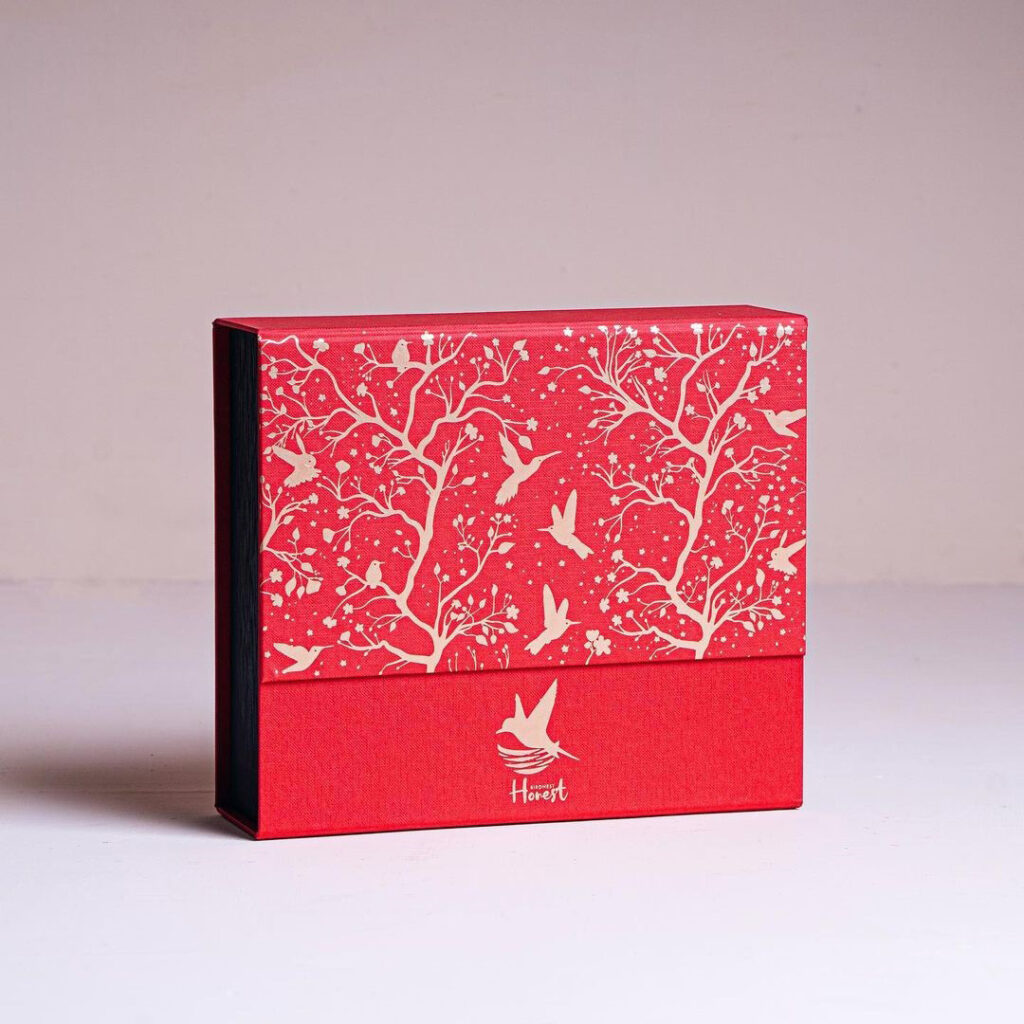
Folienprägung verkauft sich schnell als Luxus. Sie ist perfekt für Logos, Bordüren und Akzente, wenn Sie metallischen Glanz ohne Drucktricks wünschen.
Prägung (erhaben) und Entprägung (gepresst) sorgen für ein haptisches Branding. Es ist subtil, aber es wirkt teuer - vor allem, wenn es mit einer matten Laminierung kombiniert wird.
Spot UV für starre Schachteln
Spot-UV verleiht bestimmten Bereichen - Logo, Muster oder Typografie - Glanz, während der Rest matt bleibt. Dies ist ein intelligenter Weg, um das Auge zu lenken, ohne dass es zu Störungen kommt.
Wenn Sie Elektronik oder Zubehör verpacken, tragen UV-Spots oft dazu bei, dass die Schachtel mehr “technisch” wirkt. Hier ist eine relevante Stilreferenz: Smartwatch-Verpackung mit Spot-UV-Muster .
Laminierung für Abriebfestigkeit und Haltbarkeit im Regal
Die Laminierung schützt den Druck und hilft, Kratzer durch Transport und Handhabung zu vermeiden. Matt verleiht Ihnen ein weiches, modernes Aussehen, während Glanz die Farben kräftiger erscheinen lässt. Wenn Sie online verkaufen, trägt die Laminierung auch dazu bei, Reklamationen zu vermeiden, die durch Kratzer auf der Oberfläche verursacht wurden.
Vergleichstabelle der Druckverfahren für kundenspezifische starre Boxen
Hier finden Sie einen praktischen Vergleich, den Sie bei der Beschaffung verwenden können. Er gibt nicht vor, dass es eine perfekte Methode gibt, sondern nur die, die am besten zu Ihrer Box, Ihrem Kanal und Ihrem Bestellrhythmus passt.
Druckverfahren
Detail drucken
Farbkonsistenz
Turnaround
Beste Passform für MOQ
Gemeinsame Verwendung der Rigid Box
Watch-outs
Offsetdruck
Sehr hoch
Stark
Mittel
Mittel-hoch
Luxuseinzelhandel, Kosmetik, Parfüm
Braucht eine solide Druckvorstufe + Proofing
Digitaldruck
Hoch
Gut
Schnell
Niedrig-mittel
Sampling, limitierte Auflagen, Versionierung
Pro-Einheit-Effizienz sinkt bei Skalierung
Flexodruck
Mittel
Gut
Schnell
Hoch
Einfaches Design, gleichbleibende Masse
Feine Farbverläufe und kleiner Text können die
Tiefdruck
Sehr hoch
Sehr stark
Langsamere Einrichtung
Sehr hoch
Langfristig immergrüne Verpackungen
Die Einrichtung ist nur bei großen Mengen sinnvoll
Siebdruck
Mittel
Gut
Langsamer
Niedrig
Spezialeffekte, fette Markierungen
Mehrfarbige Fotokunst wird ineffizient
Wie wählt man ein Druckverfahren für individuelle starre Boxen aus?
Die meisten Käufer scheitern nicht, weil sie das “falsche Druckverfahren” gewählt haben. Sie scheitern, weil sie den Druck nicht an die Vertriebskanal + Komplexität der Druckvorlagen + Anforderungen an die Haltbarkeit.
Passen Sie den Druck an Ihren Vertriebskanal an
Einzelhandel: Legen Sie Wert auf Details und Farbgenauigkeit. Offsetdruck und hochwertige Veredelung erzielen in der Regel die besten Ergebnisse.
Grenzüberschreitender elektronischer Handel: Legen Sie Wert auf Haltbarkeit und Unboxing. Matte Laminierung und Spot-UV können Kratzer reduzieren und den wahrgenommenen Wert steigern.
Großhandel und Vertrieb: Priorisieren Sie die Konsistenz bei Nachbestellungen und stabile Vorlaufzeiten.
Anpassen des Drucks an die Komplexität der Druckvorlage
Wenn Ihr Design mit Farbverläufen, Hauttönen oder feiner Typografie arbeitet, sollten Sie auf Offset- oder hochwertige Digitaldrucke setzen.
Wenn Ihr Design kühn, minimalistisch und großvolumig ist, kann der Flexodruck geeignet sein.
Wenn Ihr Branding von der Haptik abhängt, sollten Sie Präge-, Folien- oder Spot-UV-Effekte frühzeitig einplanen - und nicht erst später hinzufügen, wenn die Stanzform bereits feststeht.
Lösen Sie häufige Produktionsprobleme, bevor sie entstehen
Hier ist, was erfahrene Käufer im Vorfeld verlangen:
Farbige Ziele: CMYK vs. Pantone Entscheidungen vor dem Proofing
Produktionsprüfplan: eine echte Druckprobe, nicht nur eine Bildschirmvorschau
Scuff-Strategie: Auswahl der Laminierung/Beschichtung basierend auf der Versandrealität
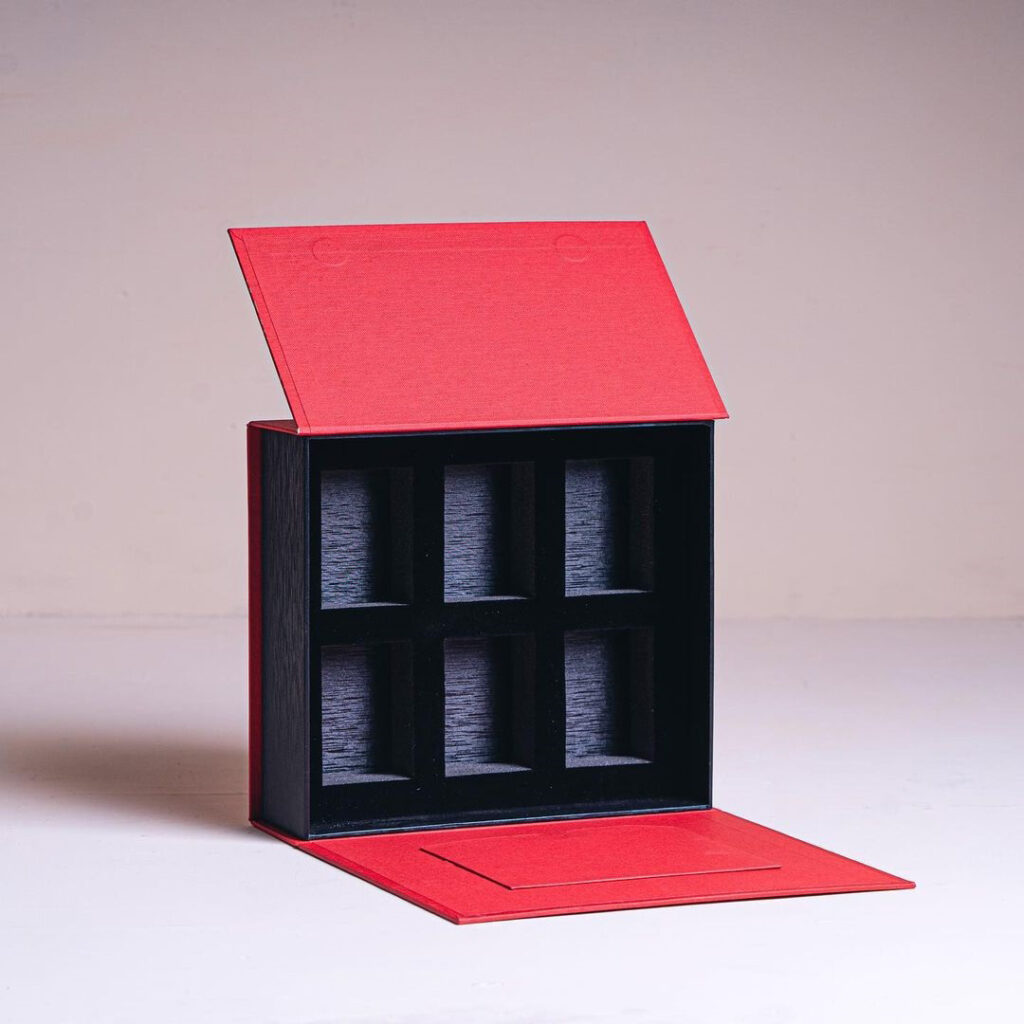
Einfügen passen: EVA-, Schaumstoff- oder Papierhalter werden frühzeitig spezifiziert, um Nacharbeit zu vermeiden
Wenn Sie Schmuck oder kleine, hochwertige Gegenstände verpacken möchten, eignen sich starre Schubladenboxen oft sehr gut, da sie sowohl Schutz als auch Erfahrung bieten. Hier ist ein Beispiel für einen Stil, den Sie verwenden können: starre schubladenbox für schmuckverpackungen .
Warum Zhibang für OEM/ODM Druck auf starre Boxen
Wenn Sie Waren aus China beziehen, wollen Sie mehr als nur eine Fabrik, die “eine Schachtel herstellen kann”. Sie wollen einen Partner, der die Qualität stabil hält, wenn Sie skalieren, der OEM/ODM-Anfragen sauber abwickelt und schnell handelt, wenn Ihr Zeitplan für die Markteinführung eng wird.
Zhibang unterstützt:
Starre Kisten nach Maß für Großeinkäufe und Wiederholungsproduktionen gebaut
OEM/ODM-Arbeitsabläufe für Marken, Hersteller und Verpackungsgroßhändler
Umweltfreundliche Druckoptionen und zuverlässige Qualitätskontrolle, mit Sitz in Shenzhen
Schnelle Kostenvoranschläge und praktische Anleitungen, wenn Stanzform, Einlage und Endbearbeitung zusammenarbeiten müssen
Wenn Sie wissen möchten, wie Zhibang funktioniert, lesen Sie Über uns . Wenn Sie bereit sind, ein Projekt zu spezifizieren, verwenden Sie Kontakt und senden Sie uns Ihre Druckvorlage + Kartongröße + Zielmenge.