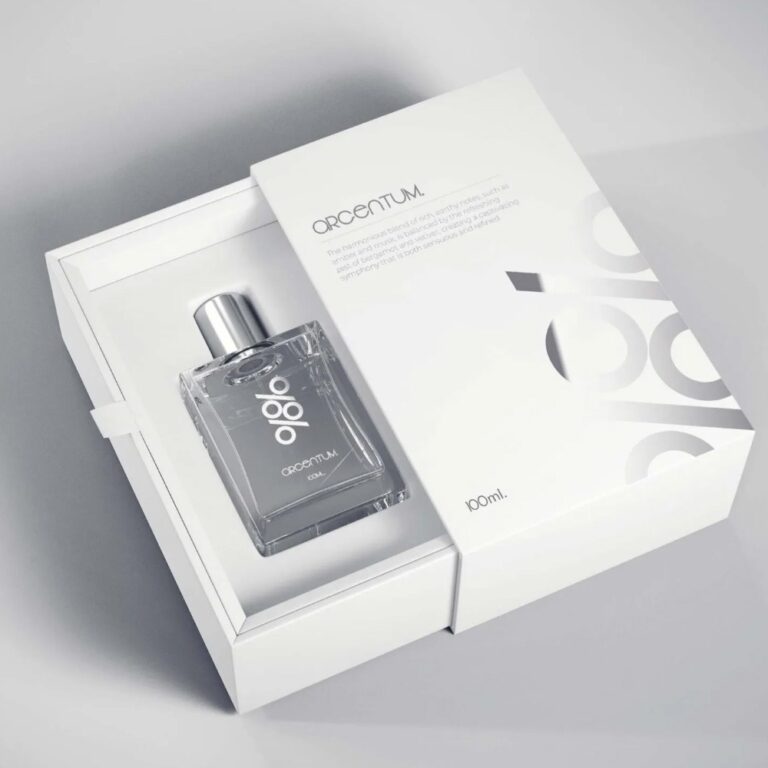
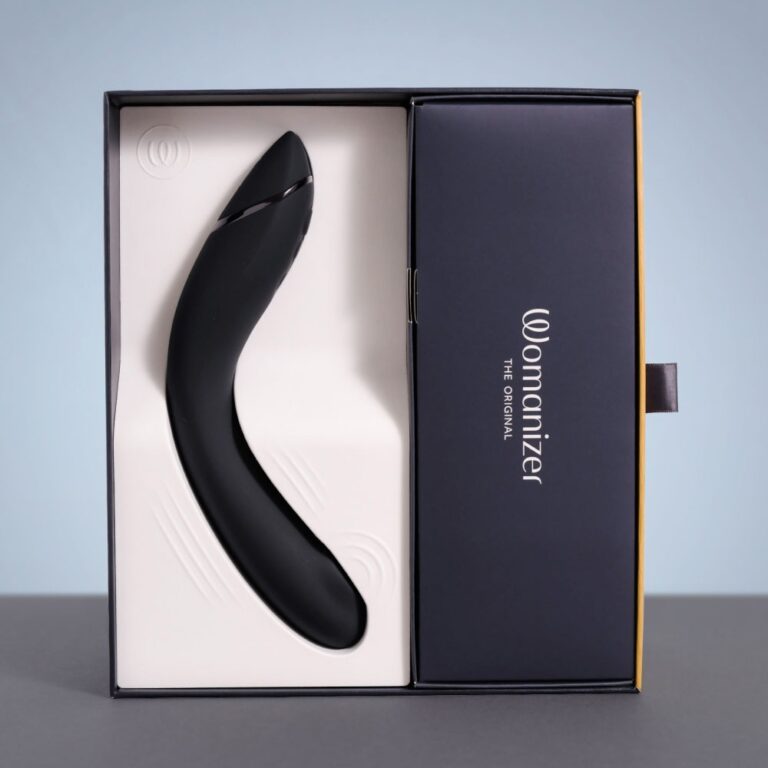
Если ваши проблемы выходят за рамки структуры упаковки или технических деталей, наша команда менеджеров готова вмешаться. Вы можете напрямую поговорить с нами о ценах, сроках, особых требованиях или нерешенных вопросах, требующих принятия решений на более высоком уровне.
Мы нацелены на поиск практических решений, которые позволят вашему упаковочному проекту двигаться вперед, будь то пересмотр затрат, корректировка производственных планов, согласование деталей экспорта или обсуждение долгосрочного оптового сотрудничества.
Поговорите с инженером по упаковке
Команда инженеров
Прежде чем приступить к составлению сметы на изготовление индивидуальной упаковки, получите рекомендации экспертов по структуре коробки, выбору картона, настройке линии, печати, отделке, MOQ, отбору образцов и деталям производства.
Инженерия упаковки обычно охватывает структуру, материалы, процесс производства, экономическую эффективность и защиту продукта, поэтому данная формулировка соответствует реальным точкам принятия решений по упаковке для брендов.
Экологически чистый подъем: Путешествие за компостируемой упаковкой для каннабиса
Если вы продаете продукты каннабиса, вам уже знакома эта боль: коробка должна не просто хорошо выглядеть. Она должна пройти проверку на соответствие нормативным требованиям, защитить то, что находится внутри, доставить товар в чистом виде и при этом соответствовать вашему бренду. Теперь покупатели также ожидают, что материалы будут менее вредными. Именно здесь на помощь приходит компостируемая бумажная упаковка для каннабиса.
В этом руководстве вы найдете практические советы. Вы узнаете, что на самом деле означает термин “компостируемый” в упаковочных терминах, где лучше всего использовать бумагу и как создать упаковку, которая не нарушит ваш рабочий процесс. Я также укажу вам на реальные структуры упаковки из Домашняя страница Zhibangpack чтобы вы могли сопоставить идеи с реальными форматами.
Компостируемая упаковка для каннабиса
“Слово ”компостируемый" звучит просто, но именно от деталей зависит, пройдет ли ваш проект гладко или превратится в цикл переделок.
100% Компостируемая упаковка
Если вы стремитесь к “только бумажным” ощущениям, вам следует придерживаться чистой структуры: внешний картон, бумажные вкладыши и минимум смешанных материалов. Если вы добавите не тот вкладыш, пленочное окно или клеевую систему, ваша претензия на компостируемость может стать бесполезной.
Что делать вместо этого:
По возможности сохраняйте картонную конструкцию.
Используйте вкладыши, которые плотно удерживают товар без лишнего пластика (например, вырубной картон, бумажная масса или умные складки).
Относитесь к фольге, ламинации и окнам как к “обновлениям бренда”, которые вы добавляете только тогда, когда они действительно нужны.
Компостируемая и биоразлагаемая упаковка
Люди постоянно путают эти понятия. “Биоразлагаемый” - это расплывчатое понятие. “Компостируемый” - более строгий термин, который обычно связан с определенным поведением при распаде в определенной среде. Если вы пишете утверждения на упаковке, вам нужна последовательная формулировка, иначе вы вызовете недовольство ритейлеров и жалобы покупателей.
Простое правило: если вы не можете четко объяснить где он компостируется и какие условия не печатайте большие заявления.
Знакомство с брендом и распаковка
Покупатели каннабиса делают покупки глазами и руками. Они обращают внимание на текстуру, застежки и то, как открывается коробка. Компостируемая упаковка не означает “базовая”. Благодаря продуманной структуре картон может быстро стать премиальным.
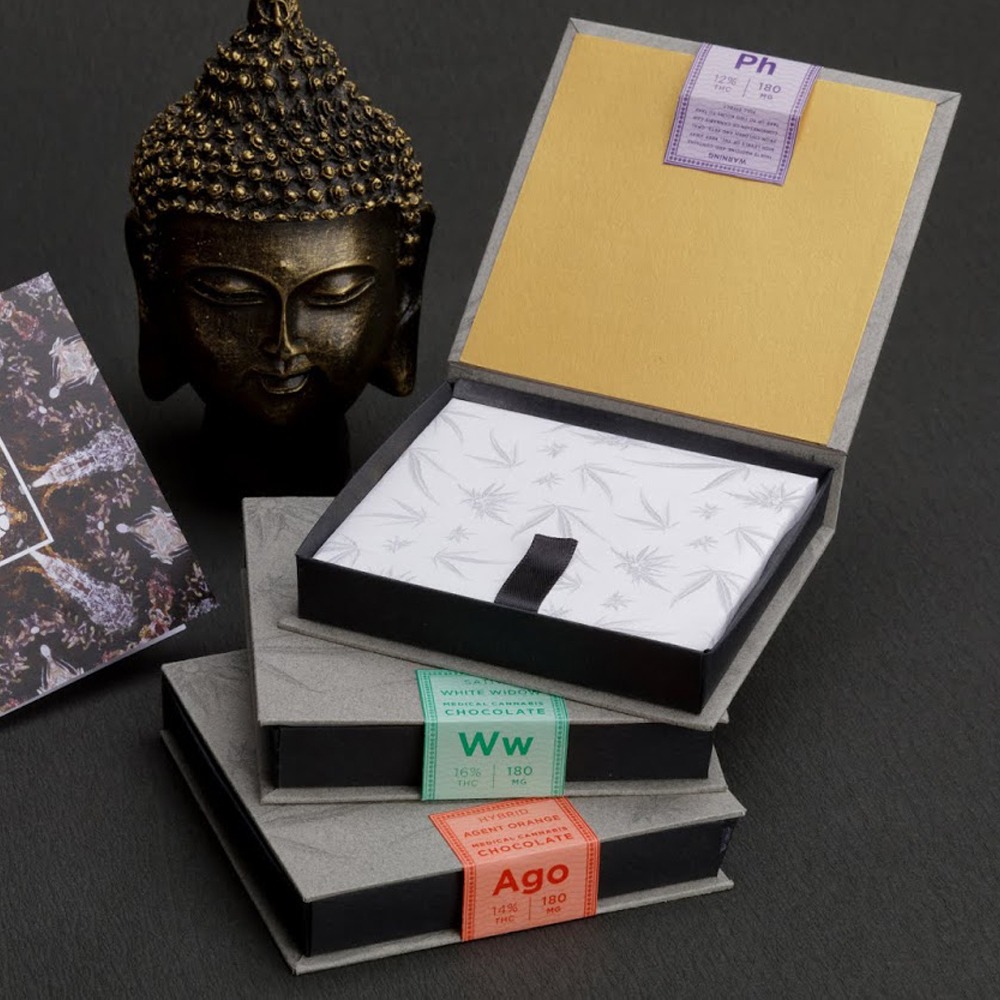
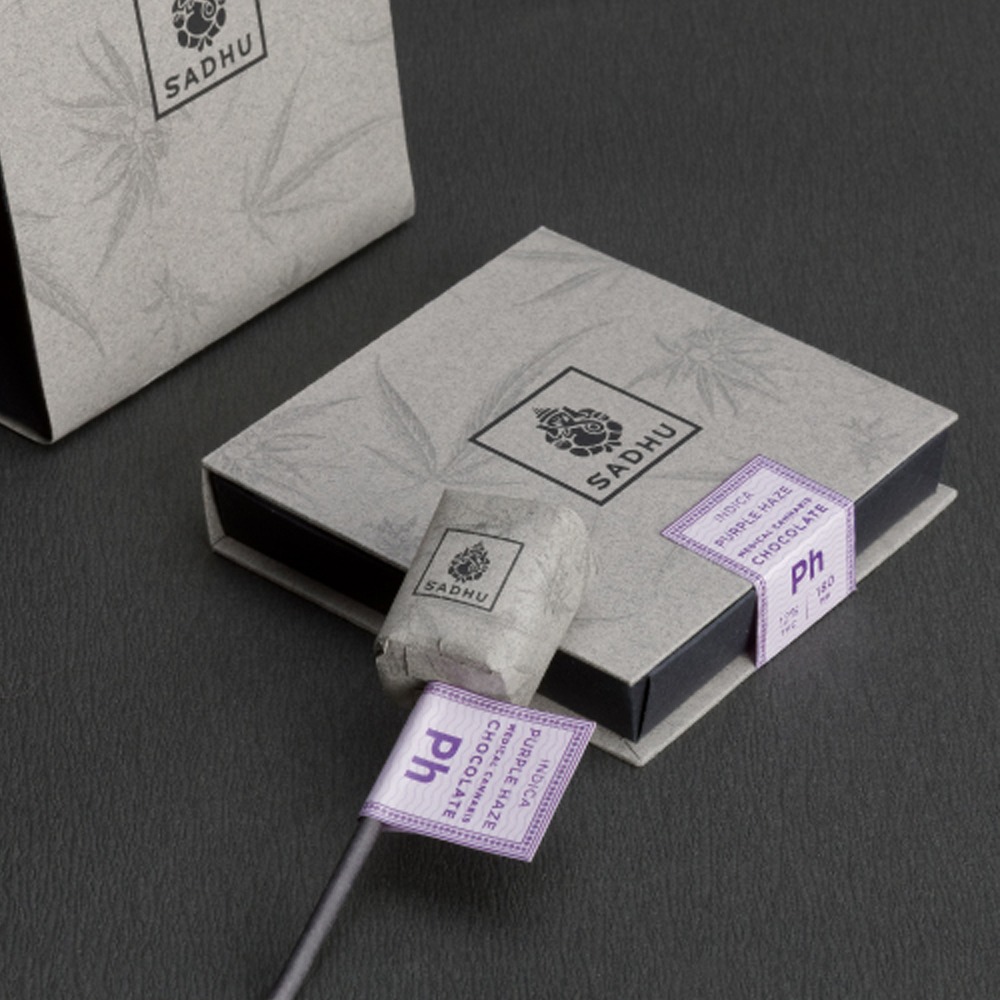
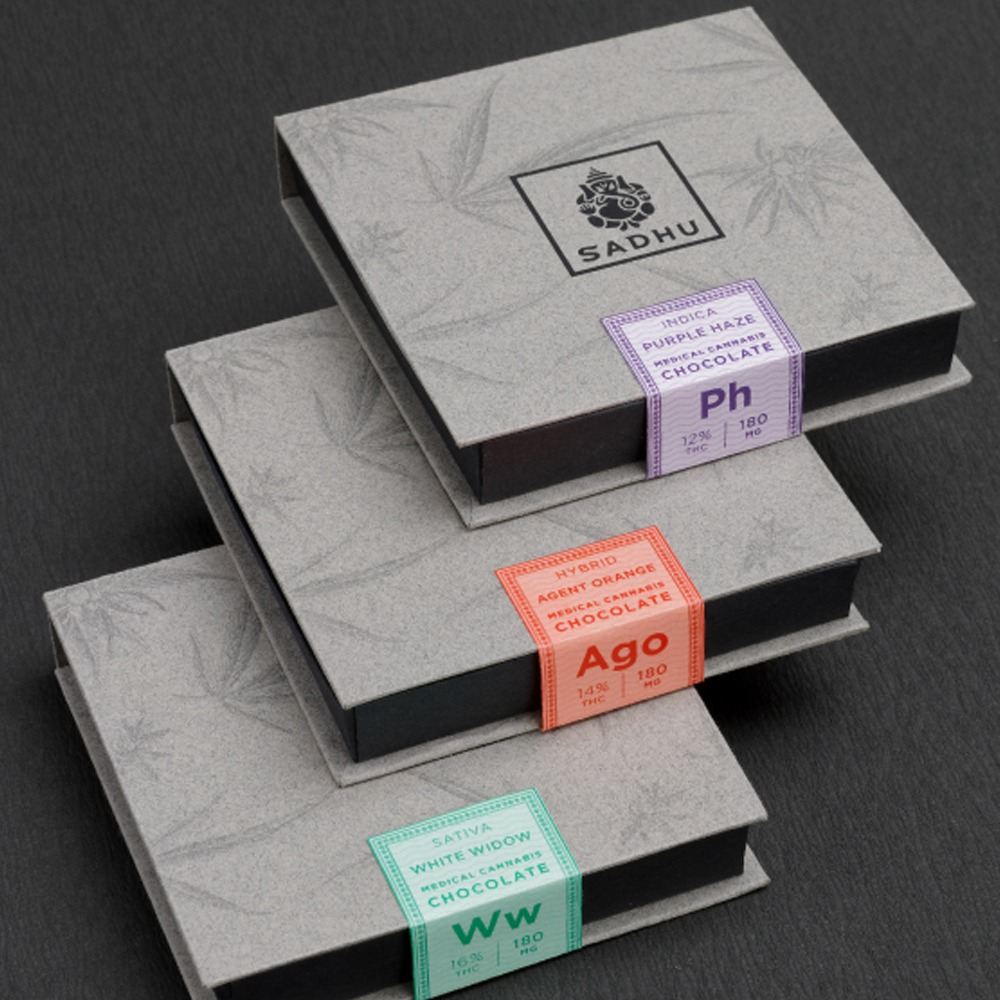
Яркий пример - жесткий формат подарочной коробки с приятным движением открытия/закрытия. Если вы создаете линию кремов или “оздоровительных” SKU, проверьте структуру, например Коробки для упаковки каннабиса с жесткой магнитной застежкой и соотнесите свой брендинг с таким же тактильным потоком.
Упаковочные материалы на основе бумаги
Бумага гибкая. Но у нее есть и пределы. Фокус в том, чтобы подобрать подложку и структуру в соответствии с заданием.
Жесткие коробки из картона
Жесткие коробки подходят для премиального позиционирования, розничных полок и подарочных наборов. В зависимости от вида продукции вы можете использовать их в паре с пенопластом EVA, картонными вставками или формованными лотками.
Когда жесткость имеет смысл:
Концентраты в стеклянных банках
Высокодоходные пакеты
Лимитированные поставки, где важна упаковка
Для банок с концентратами используйте такие форматы, как упаковочные коробки для концентрата каннабиса . Это та же основная идея, которую вы используете при создании линейки банок, готовых к экспонированию: устойчивые стенки, контролируемая посадка и сильное присутствие на полке.
Упаковка из крафт-бумаги
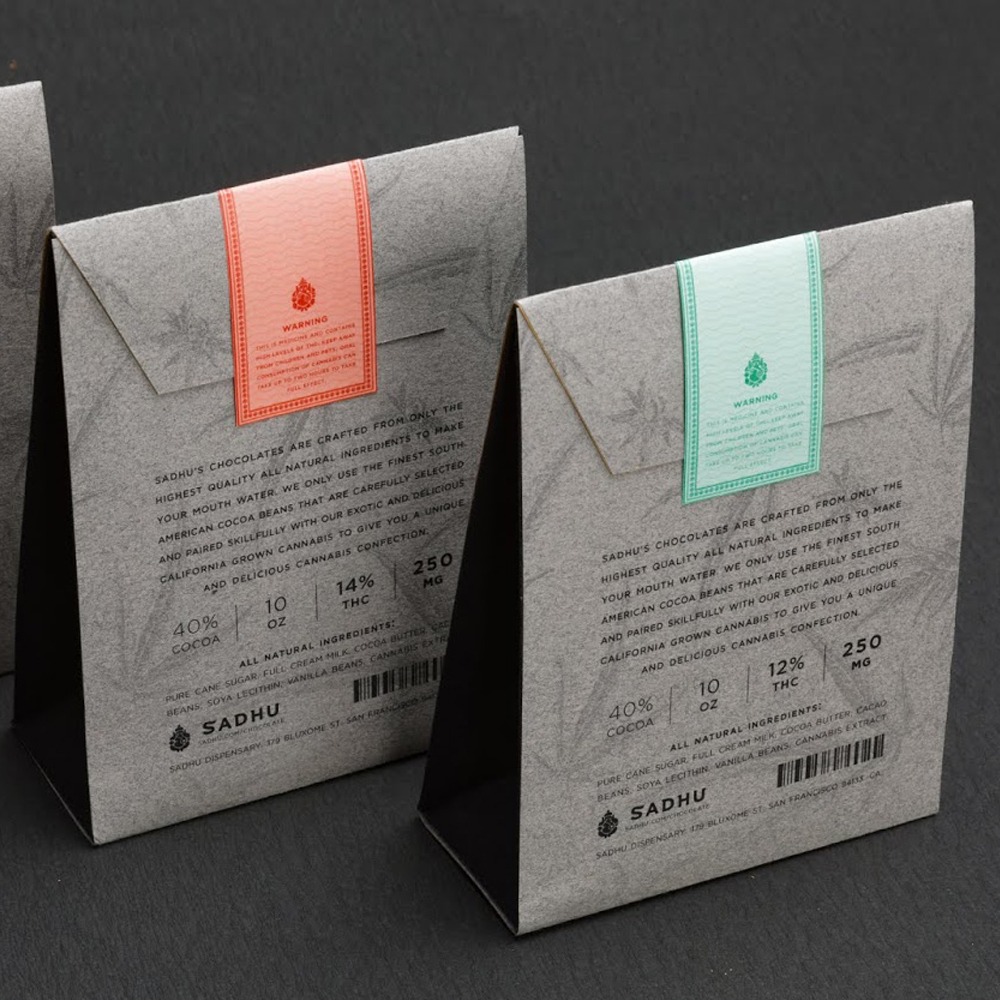
Крафт хорошо сочетается с “естественным” расположением. Кроме того, он лучше скрывает потертости при транспортировке. Если ваш покупатель склоняется к экологической тематике, крафт может многое рассказать без дополнительных ухищрений с чернилами.
Используйте крафт, когда:
Вам нужен приземленный, минималистичный образ
Вы отправляете DTC и нуждаетесь в более жесткой поверхности.
Вам нужен легкий путь к более простому изложению материала.
Устойчивая к воздействию детей упаковка для каннабиса
Соответствие требованиям определяет структуру. Вы не можете “разработать свой способ обойти его”. Вы разрабатываете через это.
Упаковка в виде бумажных туб, устойчивых к воздействию детей
Трубки отлично подходят для картриджей vape и небольших форм-факторов. Они также выглядят чище, чем мягкие пакеты. Если вы хотите ориентироваться на бумагу, то трубка CR - отличный вариант.
Ритейлеры ненавидят возвраты. Покупатели ненавидят сомнения. Если ваша печать выглядит слабой, вы быстро об этом узнаете.
Практические варианты защиты от несанкционированного доступа в бумажных системах:
Рукава с рваными полосками
Пломбировочные этикетки, размещенные по краям отверстия
Внутренняя картонная коробка, которая заметно разрывается при первом открытии
Вам не нужно перестраивать его. Вам нужен четкий сигнал “первый-открыть”.
Многоразовая упаковка для каннабиса
Мультирюкзаки - это все, что нужно, - удобная посадка, защита от дребезга и быстрая упаковка.
Многослойная упаковка с предварительным рулоном
В случае с пре-роллами вы балансируете между тремя вещами:
Не раздавите шишки
Не позволяйте им дрожать
Не замедляйте работу упаковочной линии
Помогает структурированная форма. Например, упаковка мультипаков для прероллов показывает, как нескучный силуэт может также улучшить управляемость и привлекательность на полке.
Упаковка для ящиков
Коробки с ящиками выглядят премиально и практичны для наборов. Они также помогут вашей команде по выполнению заказов, потому что внутренний лоток может “поставить” продукцию перед окончательным закрытием.
Если вы используете связки (прероллы + аксессуар + карта-вкладыш), выдвижные ящики помогут сохранить все на своих местах без дополнительного заполнения пустот.
Упаковка для концентратов каннабиса
Стеклянные банки тяжелы для своего размера. Они раскалываются. Они пропускают аромат. Ваша коробка должна справиться со всем этим.
Коробки для воска каннабиса
Линии воска и концентратов часто нуждаются в более плотных вкладышах и лучшей “безопасности падения”. Твердый формат - это жесткая внешняя + вставка, которая фиксирует банку.
Стратегия борьбы с запахами (часто определяется внутренними компонентами)
Ключевые утверждения и подтверждающие доказательства
Ниже приведен рабочий набор пунктов, готовых для статьи, а также внутренние примеры, которые вы можете привести, когда будете оформлять эту статью в виде продающей страницы или статьи в блоге.
Претензия (название аргумента)
Что это решает для вас
Реальная упаковка на Zhibangpack
Источник
100% Компостируемая упаковка
Более чистая история устойчивого развития, более простой штабель материалов
Большинство брендов терпят неудачу не из-за дизайнерского вкуса. Они терпят неудачу в передаче.
Вам потребуется:
Линия штампа соответствует тому, как на самом деле сидит ваш продукт
Спецификация печати, которую ваш поставщик может повторить в масштабе (CMYK/Pantone, точечная УФ-печать, фольга, тиснение).
Вставки, которые быстро упаковываются и не смещаются при транспортировке
Zhibang - это фабрика по производству бумажной упаковки в Шэньчжэне, специализирующаяся на изготовлении коробок и печати на заказ, с поддержкой OEM/ODM и оптовыми продажами. Если вы розничный продавец, дистрибьютор, владелец бренда или агентство, работающее с множеством SKU, это имеет значение, потому что вам нужны последовательность и скорость, а не сюрпризы.
Практичный способ начать:
Выберите структуру, которая подходит для вашего самого продаваемого SKU.
Сначала заблокируйте вставку и крышку
Затем масштабируйте одну и ту же “платформу” на разные вкусы, штаммы или размеры.
Контроль качества и быстрые расценки
В упаковке “контроль качества” - это не лозунг. Это скучные проверки, которые сохраняют вашу прибыль.
О чем вам следует попросить заранее:
Цели соответствия цветов (чтобы ваш следующий заказ не сбился)
Подгонка образцов (чтобы банка/пробирка не шаталась)
Заметки по упаковке (чтобы ваша линейная команда не импровизировала)
Если вы хотите двигаться быстро, начните с Продукция библиотеку, составить список из 2-3 структур, затем отправить чистую спецификацию через Свяжитесь с нами страница . Так вы быстрее доберетесь до цитаты, не тратя циклы.
Сценарии реального мира
Вот распространенные случаи использования компостируемой и бумажной упаковки для каннабиса:
Розничные полки диспансеров: Жесткие коробки и фигурные картонные коробки обеспечивают более прочную полку и меньшее количество смятых углов.
Доставка DTC: Крафт и более плотный картон уменьшают видимость потертостей и помогают сохранить свежий вид коробки при доставке.
Премиальные капли: Жесткие конструкции с магнитной застежкой создают ощущение “сувенира”, который запомнится покупателям.
Картриджи для вейпа: Устойчивые к воздействию детей трубки сохраняют компактность форм-фактора и улучшают управляемость при хранении и демонстрации.
Концентраты: Вставки в банках и жесткие стенки предотвращают повреждения и сохраняют центрирование продукта.
Финальный дубль
Компостируемая упаковка для каннабиса - это не один волшебный материал. Это системный выбор: структура, вкладыш, крышка и спецификация печати - все это работает вместе. Если вы будете использовать бумагу там, где это имеет смысл, будете честны в своих заявлениях и с самого первого дня будете разрабатывать упаковку с учетом требований, вы будете быстрее доставлять товар и меньше спорить с собственной цепочкой поставок.
Просмотреть Домашняя страница Zhibangpack , Затем переходите к готовым для каннабиса конструкциям, приведенным выше. Если вы сообщите нам тип вашего SKU (pre-roll, vape, концентрат, крем) и ваш поток упаковки, мы сможем подобрать вам подходящий стиль коробки, не превращая это в долгий процесс, заполненный шаблонами.