Si su preocupación va más allá de la estructura del envase o los detalles técnicos, nuestro equipo de gestión está preparado para intervenir. Puede hablar con nosotros directamente sobre precios, plazos urgentes, requisitos especiales o cuestiones sin resolver que requieran decisiones de proyecto de mayor nivel.
Nos centramos en encontrar soluciones prácticas para que su proyecto de envasado siga avanzando, ya sea revisando costes, ajustando planes de producción, coordinando detalles de exportación o debatiendo una cooperación mayorista a largo plazo.
Hable con el ingeniero de envasado
Equipo de ingeniería
Obtenga asesoramiento experto sobre la estructura de la caja, la selección del cartón, la configuración de la línea de producción, la impresión, el acabado, la cantidad mínima de piezas, el muestreo y los detalles de producción antes de comenzar su presupuesto de envasado personalizado.
La ingeniería de envasado suele abarcar la estructura, los materiales, el proceso de fabricación, la rentabilidad y la protección del producto, por lo que esta redacción se ajusta a los puntos de decisión reales de los envases de marca.
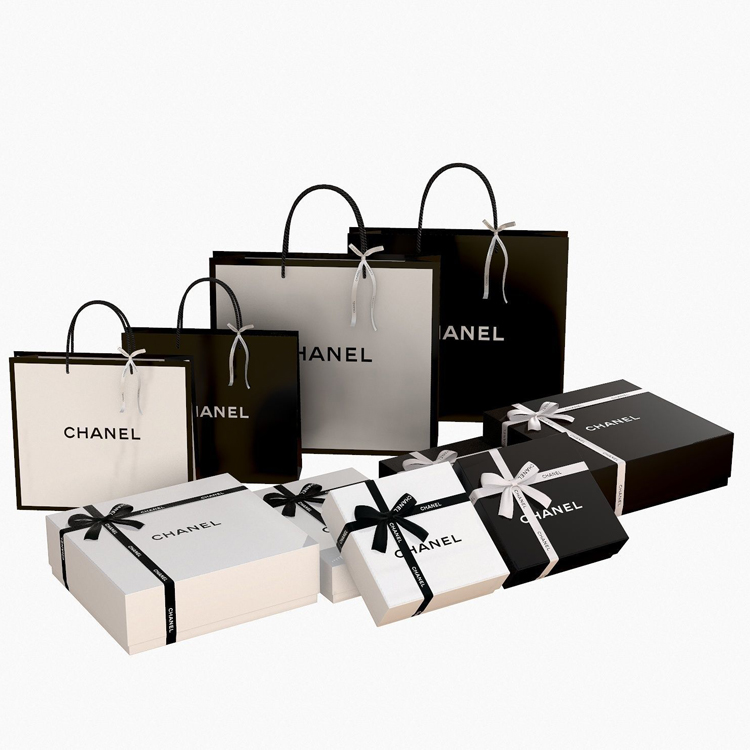
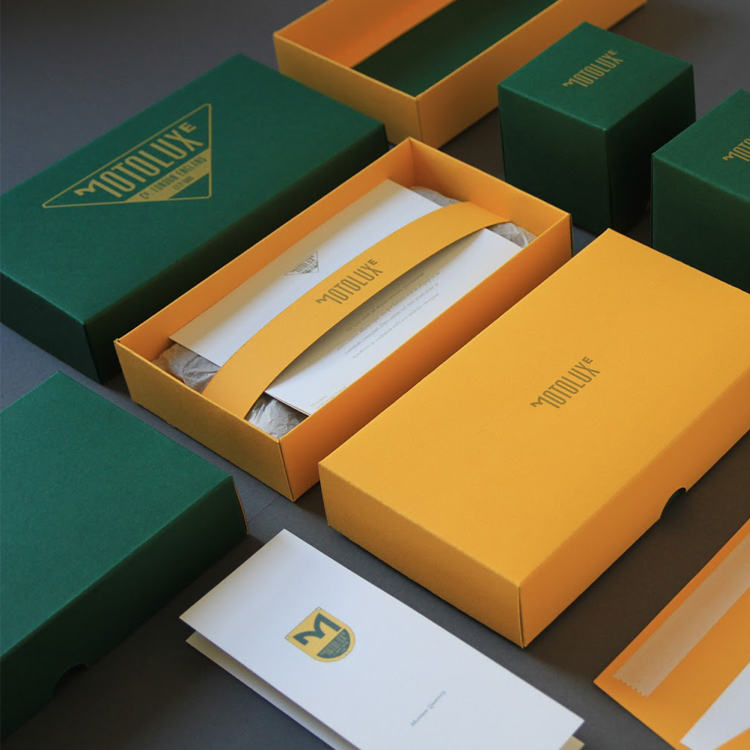
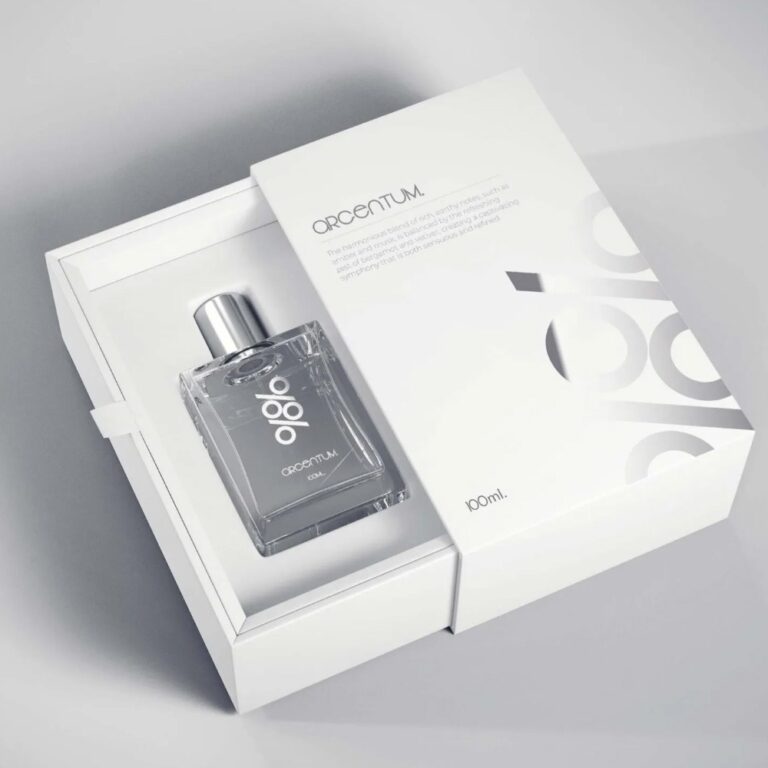
Si vende ropa de gama alta, ya sabe que el producto no lo es todo. La caja es el “primer toque” de su marca. Crea expectativas incluso antes de que el cliente vea la tela. En la Caja de embalaje para ropa de gama alta, un patrón se repite una y otra vez: los envases premium ganan cuando controla la experiencia, se mantiene constante, y se siente intencionado-no cuando intenta presumir.
Si se abastece de un Fábrica de envases de papel de Shenzhen como Zhibang, puede convertir esas ideas en especificaciones repetibles para pedidos al por mayor, tiradas OEM/ODM y cumplimiento transfronterizo.
Experiencia del cliente y repetición de compra
Los envases premium no “retienen” el producto. Es etapas el producto.
Experiencia de desembalaje del cliente
Piense en lo que hace su cliente en los primeros 10 segundos:
Notan la textura exterior y la rigidez.
Buscan el logotipo y lo leen como una señal.
Abren la caja y juzgan el ajuste interior.
Ellos deciden si “merece la pena” guardarlo, regalarlo o publicarlo.
Si la caja parece endeble o la plantilla no mantiene la prenda en su sitio, se crea fricción. Y la fricción mata la recompra.
Envases listos para la venta y coherencia de marca
Para DTC y el comercio minorista, la coherencia es más importante que la “elegancia”. Cuando sus cajas coinciden en todas las referencias, su marca parece más grande. También hace más felices a los compradores al por mayor, ya que su exposición en los estantes se mantiene limpia y predecible.
Si desea una forma rápida de traducir esto en SKUs, empiece por su catálogo de cajas personalizadas y bloquear un “aspecto familiar” en todos los tamaños y estilos.
Papel reciclable y envases sostenibles
Las marcas de gama alta se ven presionadas para prescindir de materiales mixtos difíciles de reciclar. Se puede mantener la sensación de calidad, pero hay que tomar decisiones más inteligentes.
Estructura y acabado superficial del cartón
Ésta es la regla práctica: la estructura crea lujo de forma más fiable que los revestimientos. Una caja de montaje rígida con bordes limpios suele ser mejor que una caja fina con laminado grueso.
Si desea una sensación de calidad con una apertura ordenada y lista para regalo, un estilo magnético plegable es una elección popular. Ejemplo caja magnética plegable para regalo con lazo le ofrece un “momento unboxing” intenso sin una apertura complicada.
Papel kraft ecológico y bolsas de la compra
No olvides la bolsa para llevar. En las tiendas y pop-ups, la bolsa de papel forma parte del conjunto. Si quieres una opción que se incline por lo ecológico sin dejar de tener un aspecto presentable, piensa en bolsas de la compra ecológicas de papel kraft.
Diseño mínimo del logotipo y reconocimiento de la marca
En el estudio de caso, las cajas más limpias son las más caras. No porque estén vacías, sino porque cada elemento tiene un trabajo.
Colocación del logotipo y espacio negativo
No necesitas un patrón estridente. Úsalo:
Una posición del logotipo (centro o parte inferior derecha)
Espaciado controlado (más margen del que cree)
Un método de acabado de primera calidad (elija uno y hágalo bien)
Así tu marca será legible a dos metros de distancia. También reduce el ruido visual en las fotos de influencers y los expositores de las tiendas.
Estampación en caliente y gofrado
Si estás decidiendo entre distintos acabados, aquí tienes una forma sencilla de elegir:
Lámina caliente = nítido, alto contraste, ideal para marcas
UV directo = realce moderno, mejor si se usa con moderación
Puede especificar estos detalles en los flujos de trabajo OEM/ODM para que cada lote de producción sea coherente en todas las fábricas y ciclos de pedido.
Sistema de color de la marca y coherencia del envasado
Los colores funcionan como un atajo en el cerebro del cliente. Si los cambias una y otra vez, reinicias esa memoria.
Igualación de Pantone e impresión CMYK
Cuando se pasa de una “pequeña prueba” a la venta al por mayor, el cambio de color se convierte en un verdadero problema. La solución no es mágica. Es un proceso:
Bloquear los colores de la marca (Pantone cuando sea necesario)
Utilice un método de impresión estándar para todas las referencias
Aprobar una muestra de producción antes de la tirada masiva
Color blocking y gotas de temporada
¿Quiere variedad estacional sin romper su marca? Mantenga la consistencia de la caja exterior y luego cambie:
tejido interno
insertar tarjeta
color de la cinta
funda de edición limitada
Eso le da frescura sin un rediseño completo.
Elementos distintivos y memoria de marca
Un solo detalle repetido puede vencer a una impresión a sangre completa.
Elemento de icono de marca y patrón
Elija un elemento reconocible y repítalo en todas partes:
un pequeño icono
una textura característica
una colocación coherente de la cinta
un patrón repetido sólo en la tapa interior
Es fácil de vigilar en el control de calidad y se adapta bien a todas las líneas de productos.
Tarjeta de agradecimiento e insertos de embalaje
Aquí es donde puedes vender sin parecer un vendedor. Una tarjeta pequeña puede valer:
instrucciones de cuidado
mensaje de autenticidad
venta cruzada (juego a juego, nueva entrega, aviso de reposición)
Es una forma barata de elevar el LTV, y funciona tanto para los compradores DTC como para los mayoristas.
Lujo y deporte en los envases de ropa
No todas las marcas de ropa “premium” quieren un look formal. Algunas quieren alta gama + deportivo, o sexy + minimal, o streetwear + limpio.
Caja de embalaje para prendas de baño y lencería
Las categorías de ropa como los trajes de baño y la lencería necesitan dos cosas:
una presentación limpia
un ajuste interior estable para que los artículos no se deslicen durante el transporte
Esta es la parte que la gente se salta y luego lamenta. Las inserciones reducen las devoluciones porque evitan las arrugas y mantienen el aspecto “original” del juego. En términos industriales índice de daños y proteger su venta directa.
Opciones comunes:
Soporte de EVA/espuma para artículos estructurados
separador de cartón para juegos
tejido plegado + banda ventral para prendas suaves
Experiencia unboxing y “frescura” entre temporadas
Los clientes se acostumbran a lo que haces. Si nunca se actualiza, la experiencia se desinfla.
Estrategia de renovación de envases
No necesitas un rediseño completo cada temporada. En su lugar:
Mantener la forma de la caja
Intercambie 1-2 elementos por gota (tarjeta de inserción, funda, cinta, impresión interior)
Mantener bloqueados los códigos de la marca (logotipo, sistema de colores, tipografía)
Comercio electrónico transfronterizo
Para los vendedores transfronterizos y las tiendas de plataforma, el embalaje tiene que sobrevivir a un viaje más duro. Así que hay que equilibrar:
aspecto premium
protección del transporte
velocidad de embalaje en el almacén
Aquí es donde la producción a granel y el proceso OEM/ODM de Zhibang resultan útiles. Su equipo de operaciones obtiene un embalaje predecible y sus compradores una experiencia de marca estable.
Tabla de argumentos: puntos de envasado premium que puede especificar y escalar
Título del argumento (de la lógica del caso)
Qué significa en especificaciones reales
Dirección de caja recomendada (ejemplos de Zhibang)
Fuente
Experiencia del cliente y repetición de compra
Fuerte sensación de apertura/cierre, revelado limpio, ajuste estable
Fabricación OEM/ODM y ejecución de pedidos al por mayor
Aquí es donde muchas marcas se quedan atascadas: el diseño parece estupendo en una maqueta, pero luego llega la realidad: las cantidades máximas, los plazos de entrega, los cambios de color y los problemas de control de calidad.
Aquí tienes una forma limpia de des-riesgarte con Zhibang:
Elige una estructura de héroe (pliegue magnético, tapa y base, cajón)
Bloquee las líneas de producción y las especificaciones de marca una vez
Ejecutar un bucle de aprobación de muestra
Escala a granel, luego reordena usando el mismo SOP
Si coordina varias SKU o realiza envíos a distintos almacenes, un sistema de embalaje estable le ahorra tener que estar constantemente apagando fuegos. Y cuando esté listo para moverse, empiece por el página de contacto para que pueda alinear las especificaciones, los plazos y las necesidades de OEM/ODM con antelación.