Wenn Ihr Anliegen über die Verpackungsstruktur oder technische Details hinausgeht, ist unser Managementteam bereit, einzugreifen. Sie können direkt mit uns über die Preisgestaltung, dringende Zeitpläne, besondere Anforderungen oder ungelöste Probleme sprechen, die Projektentscheidungen auf höherer Ebene erfordern.
Wir konzentrieren uns darauf, praktische Lösungen zu finden, die Ihr Verpackungsprojekt vorantreiben, sei es bei der Überprüfung von Kosten, der Anpassung von Produktionsplänen, der Koordinierung von Exportdetails oder der Erörterung einer langfristigen Zusammenarbeit mit dem Großhandel.
Mit dem Verpackungsingenieur sprechen
Technik-Team
Holen Sie sich eine fachkundige Beratung zu Schachtelstruktur, Kartonauswahl, Stanzformaufbau, Druck, Veredelung, MOQ, Bemusterung und Produktionsdetails, bevor Sie Ihr Angebot für eine individuelle Verpackung erstellen.
Die Verpackungstechnik umfasst in der Regel die Bereiche Struktur, Materialien, Herstellungsverfahren, Kosteneffizienz und Produktschutz, so dass diese Formulierung mit den tatsächlichen Entscheidungspunkten für Markenverpackungen übereinstimmt.
Umfassender Leitfaden für maßgeschneiderte Verpackungskartons: Fünf Kernstrategien vom Entwurf bis zur Auslieferung
Bestellung kundenspezifische Verpackungskartons Von außen sieht es einfach aus.
Maße übermitteln. Druckvorlage hochladen. Material auswählen. Muster freigeben. Bestellung aufgeben.
So beginnen viele Projekte.
So entstehen auch kostspielige Probleme.
Ein Fachmann maßgeschneiderter Verpackungsprozess ist im Grunde eine Abfolge von fundierten Entscheidungen. Jede Entscheidung beseitigt Unsicherheiten, bevor die nächste, kostspieligere Phase beginnt. Das Ziel besteht nicht einfach darin, eine Verpackung zu entwerfen, die gut aussieht. Die Verpackung muss das Produkt schützen, den Produktionsprozess reibungslos durchlaufen, den Markenanforderungen entsprechen, den Vertrieb überstehen, pünktlich ankommen und bei der erforderlichen Stückzahl dennoch wirtschaftlich sinnvoll sein.
Für Beschaffungsmanager, Verpackungsingenieure, Produktmanager und Markenteams ist es am sichersten, die Verpackungsentwicklung eher als ein technisches und logistisches Projekt denn als ein Gestaltungsprojekt zu betrachten.
Hier sind die fünf Strategien, mit denen wir ein Verpackungsprojekt vom Konzept bis zur Auslieferung mit möglichst wenigen Überraschungen umsetzen.
Der Prozess der kundenspezifischen Verpackung auf einen Blick
Die Kartons sind zwar rechtzeitig fertig, aber die Markteinführung verzögert sich weiterhin
Die Reihenfolge ist entscheidend.
Das Ändern einer Stanzlinie während der Konstruktionsphase ist mit nur geringen Kosten verbunden.
Eine Änderung nach der Fertigung der Werkzeuge ist mit höheren Kosten verbunden.
Wenn man es erst ändert, nachdem 20.000 gedruckte Bögen bereits zu fertigen Schachteln verarbeitet wurden, ist das eine ganz andere Geschichte.
Strategie 1: Die Spezifikation festlegen, bevor die Entwicklung eines individuellen Verpackungsdesigns zu teuer wird
Der erste Fehler bei der Beschaffung von Sonderverpackungen passiert oft schon, bevor eine Fabrik überhaupt mit dem Druck beginnt.
Die Aufgabenstellung ist unvollständig.
Ein Käufer könnte Folgendes senden:
“Wir benötigen eine hochwertige, stabile Schachtel, mattschwarz, mit goldenem Logo, etwa 20.000 Stück.”
Das reicht für ein grobes Gespräch. Für die Produktion reicht es jedoch nicht aus.
Professionell Individuelles Verpackungsdesign sollte eine Marketingidee in messbare Fertigungsanforderungen umsetzen: Produktabmessungen, Produktgewicht, Kartonqualität, Kartonkonstruktion, Geometrie der Einlegeformen, Öffnungsmechanismus, Druckflächen, Fertigungstoleranzen, Verpackungsanforderungen, Versandbedingungen und das gewünschte Kundenerlebnis.
Eine nützliche Verpackungsspezifikation sollte Fragen wie die folgenden beantworten:
Wie lauten die genauen Produktabmessungen und Maßtoleranzen?
Wie schwer ist das Produkt?
Ist es zerbrechlich?
Soll der Einsatz eine Bewegung verhindern oder lediglich das Produkt präsentieren?
Wird das Paket direkt an den Verbraucher versandt oder befindet es sich in einem weiteren Versandkarton?
Wird es im Verkaufsregal ausgestellt?
Muss es manipulationssicher sein?
Sind Unterlagen zu Lebensmittelkontakt, Nachhaltigkeit, Recycling, Kennzeichnung oder marktspezifischen Anforderungen erforderlich?
Welches Erscheinungsbild erwartet die Marke?
Ist eine exakte Pantone-Farbe erforderlich?
Welche Oberflächen sind vorgeschrieben und welche sind optional?
Welche Mängel würden zu einer Ablehnung führen?
Wie viele fertige Kartons müssen in einen Umkarton passen?
Wie viel Stauraum hat der Käufer?
Wann ist die Anreise vorgesehen?
Das klingt detailliert, weil es das auch sein muss.
Beginnen Sie mit dem Produkt, nicht mit der Verpackung
Wir beobachten oft, dass Käufer zunächst von dem Verpackungsstil ausgehen, der ihnen gefällt.
Das ist verkehrt herum.
Fangen Sie mit dem Produkt an.
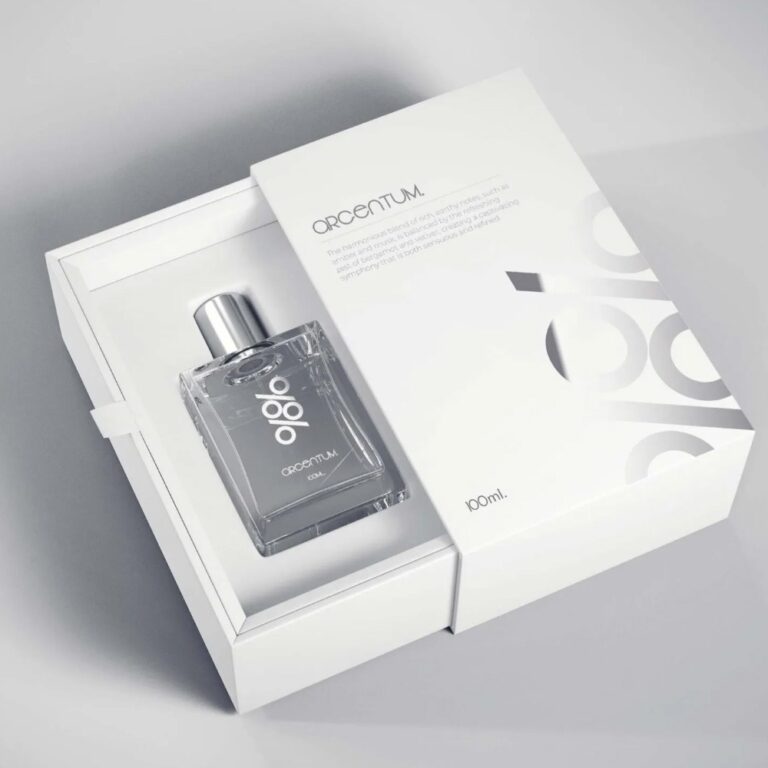
Nehmen wir als Beispiel eine Parfümflasche. Eine hohe Glasflasche mit einem schweren Verschluss stellt andere Anforderungen an die Verpackung als eine leichte Hautpflegetube, auch wenn beide Marken dieselbe magnetische Hartkartonschachtel wünschen.
Der Schwerpunkt der Flasche spielt eine Rolle.
Seine Zerbrechlichkeit spielt eine Rolle.
Der Abstand zwischen Flasche und Einsatz ist entscheidend.
Der Abstand zwischen dem Produkt und der Kartonwand spielt eine Rolle.
Es kommt darauf an, wie der Kunde die Flasche herausnimmt.
Ein Paket ist ein System.
Nachhaltigkeit gehört auch in die Planungsphase
“Nachhaltige Verpackungen” klingt nach einer Anforderung.
Das ist es nicht.
Sollte die Priorität folgende sein:
geringerer Materialverbrauch,
Anteil an recyceltem Material,
Recycelbarkeit,
nachwachsende Fasern,
weniger Plastik,
Kompostierbarkeit,
geringeres Transportgewicht,
einfachere Materialtrennung,
oder eine längere Haltbarkeit des Produkts?
Diese Ziele können miteinander in Konflikt stehen.
McKinseys Studie vom September 2025 über Käufer von Verpackungen berichtete, dass einige neuere Materialien, darunter hochleistungsfähiges PHA und zu Hause kompostierbare flexible Folien, kosten könnten vier- bis fünfmal so viel wie herkömmliches Polyolefin, je nach Barriereanforderungen und Spezifikationen. McKinsey schätzte, dass dieser Unterschied den Endpreis des verpackten Produkts um etwa 2% bis 5%.
Das ist kein Argument gegen nachhaltige Materialien.
Das spricht für eine konsequente Spezifikation.
Eine nachhaltige Verpackungswahl muss denselben Fragen standhalten wie jedes andere Material auch:
Wird es das Produkt schützen? Lässt es sich in gleichbleibender Qualität herstellen? Kann die Lieferkette das erforderliche Volumen bewältigen? Werden die Kunden es so sehr schätzen, dass sich die Kosten rechtfertigen lassen?
Es gibt keine allgemeingültige “beste nachhaltige Verpackung”.”
Die Antwort hängt vom Marktkontext ab.
McKinseys globale Verpackungsumfrage 2025 enthalten 11.136 Befragte aus 11 Ländern. Der Anteil derjenigen, die bereit sind, mehr für nachhaltige Verpackungen zu zahlen, lag bei etwa 40% in Japan bis 85% in Indien, während 39% der Befragten weltweit die Umweltauswirkungen bei der Bewertung von Produkten als äußerst oder sehr wichtig einstuften.
Diese Unterschiede spielen eine Rolle.
Eine US-amerikanische Kosmetikmarke, ein deutsches Premium-Lebensmittelunternehmen und eine japanische Elektronikmarke sollten nicht automatisch dieselbe Verpackungsempfehlung erhalten.
Das Gleichgewicht zwischen Aussehen, Kosten, Recyclingfähigkeit, Benutzerfreundlichkeit, Schutz, Nachhaltigkeit und Haltbarkeit kann bei ihnen völlig unterschiedlich sein.
Die richtige Spezifikation orientiert sich am Markt. Nicht am Slogan.
Strategie 2: Erst einen Prototyp der Struktur erstellen, bevor die Gestaltung genehmigt wird
Hier sehe ich, dass Käufer zwar ein paar hundert Dollar sparen, dabei aber versehentlich Zehntausende aufs Spiel setzen.
Ein 3D-Rendering sieht gut aus.
Das Logo ist zentriert.
Die Folie sieht teuer aus.
Alle sind damit einverstanden.
Aber niemand hat das eigentliche Produkt in eine physische Verpackung gepackt.
Ein einfaches Beispiel beantwortet strukturelle Fragen
Bevor Sie sich Gedanken über die Farbe machen, fragen Sie sich:
Passt das Produkt tatsächlich?
Ist genügend Freiraum vorhanden?
Hält die Einlage das Teil sicher fest?
Können die Monteure das Produkt effizient verladen?
Schließt der Deckel richtig?
Ist die Eröffnungsstärke akzeptabel?
Ist die Schachtel ausgebeult?
Lässt sich der Einsatz zusammenklappen?
Kann der Kunde das Produkt entnehmen, ohne sich mit der Verpackung herumschlagen zu müssen?
Diese Etappe ist günstig.
Nutze es.
Ein digitales Beispiel beantwortet visuelle Fragen
Digitale Muster eignen sich zur Überprüfung folgender Punkte:
Maßstab des Kunstwerks,
Kopie,
Typografie,
Positionierung der Blende,
Platzierung des Barcodes,
Logo-Größe,
allgemeine Farbgebung,
visuelle Hierarchie.
Der Digitaldruck gibt jedoch nicht automatisch das Endergebnis des Offsetdrucks wieder.
Auch ein handgefertigter Prototyp spiegelt nicht unbedingt die automatisierte Fertigung wider.
Genau bei dieser Unterscheidung fangen die Probleme an.
Das Beispiel, das eine teure Lektion erteilte
Kürzlich bin ich in einer Branchendiskussion auf einen Fall gestoßen, der dies perfekt veranschaulichte.
Ein Einkäufer holte Muster von mehreren Verpackungsherstellern ein, wählte das Muster aus, das ihm am besten gefiel, und gab die Großbestellung auf.
Als die fertigen Kartons eintrafen, waren die Farben deutlich dunkler.
Schlimmer noch: Sogar das Papier fühlte sich anders an.
Die Erklärung des Lieferanten war zwar unangenehm, aber technisch nachvollziehbar: Der Käufer hatte nie ein echtes Vorserienmuster angefordert, das unter für die Serienfertigung repräsentativen Bedingungen hergestellt worden war. Die Musterherstellung und der eigentliche Druckprozess in der Produktion unterschieden sich voneinander.
Nun stand der Käufer vor einem Problem.
Die Kartons waren bereits fertiggestellt.
Der Starttermin rückte näher.
Für einen vollständigen Nachdruck reichte weder die Zeit noch das Budget aus.
Diese Situation ist einer der Gründe, warum wir es vorziehen, das Substrat, das Druckverfahren, die Pantone- oder Farbreferenz, die Stanzform, die Veredelungen, die Struktur der Beilagen, die Anforderungen an die Werkzeuge und die Toleranzen vor der Produktionsfreigabe festzulegen.
Ein Muster, das nicht für das vorgesehene Herstellungsverfahren repräsentativ ist, ist kein echter Produktionsstandard.
Es handelt sich um eine visuelle Referenz.
Das ist nicht dasselbe.
Und hier kommt der unpopuläre Teil
Ein schönes Verpackungsmuster kann als Freigabe für die Serienproduktion nahezu wertlos sein, wenn es unter Verwendung anderer Materialien, Druckverfahren, Veredelungsmethoden, Werkzeuge oder Konstruktionstechniken hergestellt wurde.
Käufer verbringen manchmal drei Wochen damit, darüber zu diskutieren, ob die Goldfolie etwas wärmer sein sollte, und hinterfragen dabei gleichzeitig die Kosten für einen Prototyp in Serienqualität.
In der Regel sollte die Reihenfolge umgekehrt sein.
Überprüfen Sie die Struktur.
Produktpassform prüfen.
Materialien prüfen.
Den Produktionsprozess validieren.
Dann streitet euch über den genauen Goldton.
Mehr für einen repräsentativen Prototyp zu bezahlen, mag zunächst wehtun.
Genehmigung von 30.000 kundenspezifische Verpackungskartons Die Umsetzung anhand einer Visualisierung, eines digitalen Proofs oder eines handgefertigten Modells kann deutlich länger dauern.
Strategie 3: Das freigegebene Muster in eine Produktionsspezifikation umwandeln
Eine Probe ist ein Sachbeweis.
Es handelt sich nicht um eine vollständige Fertigungsdokumentation.
Bevor die Serienproduktion beginnt, muss die genehmigte Verpackung in eine kontrollierte Produktionsspezifikation umgesetzt werden.
“Verwenden Sie dasselbe Material wie im Muster” ist eine schwache Formulierung.
“1200 g/m² Graupappe, ummantelt mit 157 g/m² C2S-Kunstdruckpapier, matt laminiert, zugelassener Lieferant/Materialcode XYZ” ist wesentlich aussagekräftiger.
“Das goldene Logo” ist schwach.
“Pantone 872 C-Referenz mit freigegebenem Folienmuster und Prägeposition gemäß Druckvorlage, Revision V6” klingt überzeugender.
Was sollte vor der Produktion eingefroren werden?
Zumindest:
Konstruktionsspezifikation
Fertigmaße
Offene Dimensionen
Überarbeitung der Dieline
Plattenstärke oder Dicke
Maße einfügen
Material einfügen
Verschlusskonstruktion
Magnetposition, falls zutreffend
Klebeflächen
Toleranzanforderungen
Materialspezifikation
Papierart
Papiergewicht
Brettklasse
Wellpappe
Dicke der Graupappe
Anforderung an den Recyclinganteil
FSC-Anforderung, sofern zutreffend
Beschichtung oder Laminierung
Substrat einlegen
Druckspezifikation
CMYK-Druckvorlage
Pantone-Farben
Sonderfarben
Gegebenenfalls weiße Tinte
Farbreferenz
Druckverfahren
Anmeldevoraussetzungen
Spezifikation der Oberflächenbehandlung
Folientyp
Folienfarbe
Erwartete Präge-/Vertiefungstiefe
Spot-UV-Bereich
Kaschierung
Lackierung
Textur
Spezialbeschichtung
Verpackungsspezifikation
Stückzahl pro Innenverpackung
Stück pro Umkarton
Schutzverpackung
Abmessungen des Kartons
Bruttogewichtsgrenze
Palettenmuster
Versandkennzeichnungen
Außerdem sollte es eine abschließende, freigegebene Überarbeitung der Druckvorlage geben.
Nicht “die neueste Datei in WhatsApp”.”
Nicht “das PDF, das Michael letzten Dienstag geschickt hat”.”
Eine kontrollierte Datei.
Eine Revisionsnummer.
Eine Veröffentlichung.
Muster in Gold im Vergleich zum Datenblatt
Am besten ist es, beides zu verwenden.
Das freigegebene Muster dient den Produktions- und Qualitätskontrollteams als visueller und haptischer Maßstab.
Das Datenblatt legt die messbaren Anforderungen fest.
Das eine ohne das andere führt zu Lücken.
Ein physisches Muster mag zwar den richtigen Blauton aufweisen, gibt einem Prüfer jedoch keinen Aufschluss über die Maßtoleranz.
In einer Spezifikation kann zwar die Materialstärke angegeben sein, es wird jedoch möglicherweise nicht genau beschrieben, wie sich die Soft-Touch-Oberfläche anfühlen soll.
Zusammen lassen sie sich viel schwerer falsch interpretieren.
Strategie 4: Die Qualitätskontrolle der Verpackungen bereits in die Produktion integrieren, nicht erst danach
Beim Einkauf von Verpackungsmaterial gibt es einen gefährlichen Satz:
“Wir werden es prüfen, sobald es fertig ist.”
Bis dahin hat der Nutzen einer Inspektion drastisch abgenommen.
Wenn bereits 50 Kartons falsch bedruckt wurden, halten Sie die Maschine an.
Wenn bereits 50.000 Kartons falsch bedruckt, gestanzt, laminiert, geklebt, zusammengebaut, verpackt und auf Paletten gestapelt wurden, steht Ihnen nun eine Verhandlung bevor.
Ein praktischer Kontrollplan kann die Prüfung des eingehenden Materials, die Erstmusterabnahme, Druckkontrollen, Kontrollen während der Weiterverarbeitung, Montagekontrollen, die Überprüfung der Verpackung sowie die Prüfung vor dem Versand umfassen. Die aktuellen Qualitätsmanagement-Unterlagen von Zhibang Pack beschreiben zudem Materialprüfungen, Erstmusterabnahme, Zwischenkontrollen, die Prüfung vor dem Versand, die Kontrolle von Druckvorlagen sowie Prüfprotokolle als Teil dieses Arbeitsablaufs.
Gate 1: Wareneingang
Überprüfen Sie das Substrat, bevor Sie den Wert eingeben.
Überprüfen Sie unter anderem folgende Punkte:
Materialart,
Dicke,
GSM,
Steifigkeit des Boards,
Papierlampenschirm,
Oberflächenbeschaffenheit,
Zertifikatsanforderungen,
Lieferantencharge.
Eine Materialersetzung sollte niemals unbemerkt erfolgen.
“Gleichwertiges Papier” ist möglicherweise nicht mehr gleichwertig, sobald es bedruckt, laminiert, gefaltet oder unter den Lichtverhältnissen im Einzelhandel ausgestellt wird.
Gate 2: Freigabe des Erstmusters
Überprüfen Sie die ersten fertigen Teile, bevor Sie die Produktion auf Hochtouren bringen.
Dies ist einer der wichtigsten Kontrollpunkte im gesamten Prozess.
Bestätigen:
Abmessungen,
Überarbeitung der Grafik,
Druckausrichtung,
Farbe,
Stanzen,
Faltenbildung,
Anordnung der Folie,
Prägung,
Laminieren,
Klebestelle,
Einfügen, passen,
Schließverhalten.
Sollte etwas nicht in Ordnung sein, kann die Produktion noch gestoppt werden.
Station 3: Zwischenprüfung
Abweichungen in der Produktion kommen vor.
Farbveränderungen.
Papier verhält sich anders.
Verschiebungen bei der Folienregistrierung.
Änderungen beim Klebstoffauftrag.
Die Mitarbeiter wechseln die Schicht.
Werkzeuge nutzen sich ab.
Ein gutes Werk überprüft den Prozess während des laufenden Betriebs, anstatt davon auszugehen, dass das erste freigegebene Stück garantiert, dass der endgültige Karton identisch sein wird.
Station 4: Endkontrolle
Sehen Sie sich nun die vollständig zusammengebaute Schachtel an.
Zu den häufigsten Mängeln zählen unter anderem:
Kratzer,
Kleberückstände,
eingedrückte Ecken,
verformte Deckel,
mangelhafte Verpackung,
Farbabweichung,
Fehlausrichtung der Folie,
Luftblasen unter der Laminierung,
freiliegende Graupappe,
verschmutzte Oberflächen,
lose Magnete,
falsch ausgerichtete Einsätze,
falsche Maße.
Käufer benötigen jedoch noch eine weitere Ebene: Definitionen der Schweregrade.
Ist eine Folienverschiebung von 0,5 mm akzeptabel?
Wie wäre es mit 1 mm?
Ist ein winziger Kleberfleck im Inneren der Schachtel akzeptabel?
Ist das auf der Vorderseite nicht akzeptabel?
Ohne Abnahmekriterien können der Lieferant und der Käufer genau dieselbe Verpackung prüfen und dennoch zu unterschiedlichen Schlussfolgerungen gelangen.
Schritt 5: Verpackung und Überprüfung vor dem Versand
Selbst perfekt verpackte Verkaufsverpackungen können beschädigt ankommen, wenn sie unsachgemäß verpackt wurden.
Überprüfen:
Abmessungen des Umkartons,
Stückzahl pro Karton,
Schutzverpackung,
Eckenschutz,
Kartonfestigkeit,
Feuchtigkeitsschutz dort, wo er benötigt wird,
Etiketten,
Versandkennzeichen,
Palettenkonfiguration,
Palettenhöhe,
Anzahl der Kartons.
Exportverpackungen müssen nicht nur den Einsatz in der Fertigung, sondern auch den Transport überstehen.
Strategie 5: Die Vorlaufzeit für kundenspezifische Verpackungen rückwärts vom Liefertermin aus planen
Wenn Käufer fragen: “Wie lang ist Ihre Lieferzeit?”, erwarten sie oft eine konkrete Zahl.
Zwanzig Tage.
Dreißig Tage.
Vierzig Tage.
Diese Zahl kann irreführend sein.
Die wirtschaftliche Frage lautet nicht:
Wie viele Tage dauert die Fertigung?
Die eigentliche Frage lautet:
Was muss zwischen heute und dem Zeitpunkt geschehen, zu dem diese Kartons in meinem Lager, bei meinem Co-Packer, in meinem Fulfillment-Center oder an meiner Produktionslinie bereitstehen müssen?
Das ist Ihr tatsächlicher Projektzeitplan.
Die Vorlaufzeit für die Verpackung ist ein Kettenprozess
Ein typisches Projekt kann Folgendes umfassen:
Erläuterung zur Angebotsanfrage
Bauingenieurwesen
Freigabe der Dieline
Prototypenfertigung
Musterversand
Kundenbewertung
Überarbeitung
Zweites Beispiel
Endgültige Genehmigung
Materialbeschaffung
Druckvorstufe
Drucken
Laminierung oder Beschichtung
Heißprägung
Prägung/Tiefprägung
Stanzen
Kleben oder manuelle Montage
QC
Verpackung
Exportunterlagen
Fracht
Zollabfertigung
Endlieferung
Jeder zusätzliche Prozess führt zu einer weiteren Abhängigkeit.
Wenn bei Ihrer Verpackung mehrere Druck- und Veredelungsschritte zum Einsatz kommen, Lieferzeit für Sonderverpackungen sollte sich nach dem tatsächlichen Produktionsablauf richten. Folienprägung, Prägung, Spot-UV-Lackierung, Kaschierung, Stanzen und andere Nachbearbeitungsschritte finden nicht alle gleichzeitig statt; jeder dieser Schritte kann einen weiteren Kontrollpunkt in der Produktion und Qualitätskontrolle darstellen.
Arbeite rückwärts, nicht vorwärts
Angenommen, Ihre Produkte müssen am 15. Oktober in ein Fulfillment-Center angeliefert werden.
Sagen Sie Ihrem Verpackungslieferanten auf keinen Fall:
“Bitte nehmen Sie die Produktion im September auf.”
Gehen Sie stattdessen rückwärts vor:
15. Oktober: Verpackung im Fulfillment-Center erforderlich 10. Oktober: Empfangs- und Notfallpuffer Ende September: Fracht-/Zollschalter Mitte September: Waren verpackt und freigegeben Anfang September: Produktion abgeschlossen Ende August: Material und Produktionstermin bestätigt Mitte August: Serienmuster freigegeben Anfang August: Überarbeitung des Prototyps abgeschlossen Ende Juli: Die technischen Arbeiten beginnen
Jetzt hast du einen Zeitplan.
Die Genehmigungszeit ist Teil der Durchlaufzeit
Das wird oft vergessen.
Ein Lieferant kann ein Muster innerhalb von fünf Tagen anfertigen.
Dann liegt das Muster neun Tage lang im Büro des Einkäufers und wartet darauf, dass die Abteilungen Marketing, Einkauf, Compliance und der Gründer es genehmigen.
Bei dem Projekt gab es bisher noch keinen fünftägigen Probenahmezyklus.
Es hat einen vierzehntägigen Zyklus durchlaufen.
Falls fünf Abteilungen eine Genehmigung erteilen müssen, legen Sie den Genehmigungsverantwortlichen fest, bevor mit der Stichprobenentnahme begonnen wird.
Eine stabile Geschenkbox mit Offsetdruck, matter Laminierung, Folienprägung, Prägung, maßgefertigten Einlagen, Magneten und manueller Montage weist mehr Schwachstellen auf als eine einfarbige Faltschachtel.
Jeder Prozess kann Folgendes erstellen:
Wartezeit,
Einrichtungszeit,
Prüfzeit,
Nacharbeitsrisiko.
Das bedeutet jedoch nicht, dass Sie auf eine hochwertige Verarbeitung verzichten sollten.
Beziehen Sie die Realität einfach in den Zeitplan mit ein.
Warum Nachhaltigkeit über den gesamten Prozess hinweg bewertet werden muss
Nachhaltigkeit bei Verpackungen wird manchmal als reine Frage der Materialauswahl betrachtet.
Entscheiden Sie sich für Recyclingpapier.
Erledigt.
Echte Entscheidungen zur Nachhaltigkeit sind weitreichender.
Materialverbrauch, Umwandlungswirkungsgrad, Verpackungsabmessungen, Produktschutz, Transportvolumen, Recyclingfähigkeit, Verbundkonstruktionen, Beschichtungen, Einlagen und Produktschadensquoten können das Ergebnis beeinflussen.
Angesichts des Ausmaßes des Verpackungsabfalls sind diese Entscheidungen nicht nur aus ökologischer, sondern auch aus wirtschaftlicher Sicht von Bedeutung.
Eurostat berichtete dass die EU erzeugt hat 79,7 Millionen Tonnen Verpackungsabfall im Jahr 2023, was entspricht 177,8 kg pro Person. Auf Papier und Pappe entfielen 40.4%, womit sie die größte Kategorie im Verpackungsabfall darstellen, während Kunststoff einen Anteil von 19.8%.
Eurostat berichtete außerdem 35,3 kg Kunststoffverpackungsabfall pro EU-Einwohner, mit 14,8 kg recycelt. Die Recyclingquote bei Kunststoffverpackungen lag bei 42,11 TP3T im Jahr 2023.
Daher ist es wichtig, Verpackungsmüll zu reduzieren.
Wenn man jedoch ein Material durch ein anderes ersetzt, ohne dabei die Leistungsfähigkeit zu berücksichtigen, kann dies zu einem trügerischen Erfolg führen.
Wenn eine dünnere Verpackung zu Produktbeschädigungen, Ersatzlieferungen, Nachsendungen oder Rückgaben im Einzelhandel führt, kann sich die Gesamtsituation verschlechtern.
Zuerst die richtige Größe finden.
Entfernen Sie überflüssiges Material.
Entwerfen Sie die Konstruktion.
Bewerten Sie anschließend den Nachhaltigkeitspfad im Hinblick auf das tatsächliche Produkt, den tatsächlichen Markt und das tatsächliche Vertriebssystem.
Die Abnahme-Checkliste, die ich vor der Freigabe der Serienproduktion verwenden würde
Bevor ich einen Auftrag unterzeichne oder die Serienfertigung genehmige, möchte ich klare Antworten auf all diese Fragen erhalten:
Struktur
Ist die endgültige Schnittvorlage genehmigt?
Wurde das eigentliche Produkt in der Verpackung getestet?
Sind die Abmessungen der Einsätze genehmigt?
Sind das Schließ- und Öffnungsverhalten akzeptabel?
Sind die Maßtoleranzen dokumentiert?
Materialien
Ist das genaue Substrat angegeben?
Ist die Plattendicke dokumentiert?
Sind Anforderungen hinsichtlich des Recyclinganteils oder des FSC-Zertifikats angegeben?
Sind Auswechslungen ohne schriftliche Genehmigung verboten?
Drucken
Ist die Überarbeitung der Grafik gesperrt?
Sind die Pantone-Referenzen definiert?
Hat der Käufer den entsprechenden Farbproof freigegeben?
Werden Barcodes und Pflichtangaben überprüft?
Fertigstellung
Ist die Folienreferenz genehmigt?
Sind die Bereiche für UV-Lackierung, Prägung, Vertiefung, Beschichtung und Laminierung dokumentiert?
Ist die Toleranz für die Endbearbeitung festgelegt?
Stichproben
Wurde ein struktureller Prototyp getestet?
Hat der Käufer bestätigt, ob es sich bei dem endgültigen Muster um ein handgefertigtes, digital bedrucktes oder serienrepräsentatives Exemplar handelt?
Werden bei dem freigegebenen Muster die vorgesehenen Produktionsmaterialien und -verfahren verwendet?
Gibt es ein signiertes oder aufbewahrtes Goldmuster?
Qualität
Sind die Prüfstandards vereinbart?
Sind Toleranzen festgelegt?
Sind schwerwiegende und geringfügige Mängel definiert?
Wird eine Erstmusterabnahme durchgeführt?
Wird eine Zwischenkontrolle durchgeführt?
Ist eine Inspektion vor dem Versand erforderlich?
Logistik
Ist die Verpackung in Umkartons genehmigt?
Ist die Kartonmenge bestätigt?
Ist die Palettierung bestätigt?
Ist die Beförderungsart bestätigt?
Wird der endgültige Liefertermin an das Lager – und nicht nur der Fertigstellungstermin im Werk – dokumentiert?
Wenn mehrere dieser Antworten “bin mir nicht sicher” lauten, ist das Projekt noch nicht reif für die Serienproduktion.
Auch wenn das Kunstwerk fantastisch aussieht.
Was ein guter Anbieter von maßgeschneiderten Verpackungen Sie fragen sollte
Es gibt eine einfache Möglichkeit, sich vor einer Bestellung über einen Verpackungslieferanten zu informieren.
Achten Sie auf die Fragen, die sie stellen.
Wenn das Gespräch nur aus Folgendem besteht:
Anzahl? Größe? Motiv? Lieferadresse?
Sie erhalten möglicherweise umgehend ein Angebot.
Sie haben nicht unbedingt viel technisches Wissen erworben.
Ein intensiverer Dialog mit den Lieferanten sollte folgende Punkte umfassen:
tatsächliche Produktabmessungen,
Gewicht,
Zerbrechlichkeit,
Vertriebskanal,
Abwicklungsart,
Zielmarkt,
derzeitige Verpackungsprobleme,
Erwartungen an das Substrat,
Nachhaltigkeitsanforderungen,
Druckstandards,
Endbearbeitung,
Prüfnormen,
gewünschter Liefertermin.
Gute Fragen verlangsamen den Ablauf der Angebotserstellung ein wenig.
Sie können das Projekt erheblich beschleunigen.
Denn ein günstiges Angebot, das auf falschen Angaben basiert, ist kein günstiges Angebot.
Es ist einfach nur unvollständig.
Das eigentliche Ziel: Die Massenproduktion langweilig machen
Das mag aus dem Mund eines Verpackungsherstellers seltsam klingen, aber Massenproduktion sollte nicht spannend sein.
Spannung gehört zum Design dazu.
Die Produktion sollte vorhersehbar sein.
Die Konstruktion wurde geprüft.
Die Materialien wurden gesperrt.
Das Kunstwerk ist eingefroren.
Das Serienmuster wurde freigegeben.
Der Qualitätskontrollstandard ist dokumentiert.
Über die Verpackungsart wurde Einigung erzielt.
Der Lieferplan ist klar.
Anschließend wiederholt das Werk das genehmigte Ergebnis tausende Male.
Das ist der eigentliche Zweck einer disziplinierten maßgeschneiderter Verpackungsprozess.
Keine weitere Papierarbeit.
Keine weiteren Besprechungen.
Weniger Überraschungen.
Und bei der kundenspezifischen Fertigung bedeuten weniger Überraschungen in der Regel weniger Verzögerungen, weniger Streitigkeiten, weniger Nacharbeit und eine weitaus bessere Kontrolle über die Gesamtkosten.
Häufig gestellte Fragen
Wie läuft der Prozess der kundenspezifischen Verpackung ab?
Der Prozess der kundenspezifischen Verpackung umfasst alle Schritte von der Anforderungsdefinition und der Konstruktionsplanung über die Prototypenentwicklung, die Produktionsfreigabe, die Fertigung, die Qualitätskontrolle und die Verpackung bis hin zur Auslieferung.
Jede Phase sollte über eine klare Genehmigungsstufe verfügen. Einkäufer verringern das Risiko, indem sie die technischen Anforderungen festlegen, bevor sie Mittel für Werkzeugbau, Druck, Weiterverarbeitung oder Serienfertigung bereitstellen.
Wie gebe ich eine Bestellung für individuell gestaltete Verpackungskartons auf?
Beginnen Sie mit den Produktspezifikationen, der Menge, dem Zielmarkt, den Verpackungsmaßen, der gewünschten Struktur, den Materialvorlieben, dem Stand der Druckvorlagen, der Versandart und dem gewünschten Liefertermin.
Falls die Konstruktion noch nicht fertiggestellt ist, senden Sie bitte zunächst die tatsächlichen Produktabmessungen und Leistungsanforderungen. Ein Verpackungsingenieur kann Ihnen dann geeignete Konstruktionen vorschlagen und die Stanzvorlage erstellen.
Brauche ich vor der Serienfertigung einen Prototyp?
Für wirklich maßgeschneiderte Verpackungen wird dringend empfohlen, vor der Serienfertigung physische Prototypen anzufertigen.
Überprüfen Sie zumindest die Struktur und die Produktkompatibilität. Bei Projekten mit höherem Risiko sollten Sie ein produktionsrepräsentatives Muster verwenden, das das vorgesehene Substrat, das Druckverfahren, die Beschichtungen, die Folie, die Prägung, die Montage und andere wichtige Veredelungen bestätigt.
Was ist der Unterschied zwischen einem digitalen Muster und einem Serienmuster?
Ein digitales Muster dient in erster Linie der Überprüfung des Designs und des Erscheinungsbilds; ein Produktionsmuster soll die Materialien und Verfahren widerspiegeln, die bei der endgültigen Serienfertigung zum Einsatz kommen.
Digitale Muster sind schneller und eignen sich gut für die visuelle Freigabe. Sie sollten jedoch nicht automatisch als Farb- oder Materialstandard für einen anderen Druckprozess herangezogen werden.
Was muss vor Beginn der Herstellung von Sonderverpackungen genehmigt werden?
Genehmigen Sie die Stanzvorlage, die Maße, das Material, die Überarbeitung der Druckvorlage, die Farbreferenzen, das Druckverfahren, die Veredelungen, die Beilage, die Toleranzen, die Verpackungsart, die Qualitätskontrollanforderungen und das repräsentative Muster.
Je mehr subjektive Formulierungen Sie durch messbare Spezifikationen ersetzen können, desto geringer ist das Risiko späterer Streitigkeiten.
Warum können serienmäßig hergestellte Verpackungen anders aussehen als das Muster?
Unterschiede können durch Substrate, Druckverfahren, Druckfarben, Beschichtungen, Maschinen, Werkzeuge, manuelle Musterherstellungsverfahren und normale Prozessschwankungen entstehen.
Fragen Sie nach, durch welches Verfahren das Muster hergestellt wurde. Falls Farbe, Materialbeschaffenheit oder Oberflächenbehandlung geschäftlich sensibel sind, genehmigen Sie ein Muster, das dem beabsichtigten Produktionsverfahren möglichst genau entspricht.
Wie sollte die Qualitätskontrolle bei Verpackungen gehandhabt werden?
Die Qualitätskontrolle sollte die Eingangskontrolle von Materialien, die Erstmusterfreigabe, die Zwischenkontrolle, die Endkontrolle, die Verpackungskontrolle und die Freigabe vor dem Versand umfassen.
Verlassen Sie sich nicht ausschließlich auf die Endkontrolle. Einen Fehler zu entdecken, bevor Tausende von Einheiten verarbeitet werden, ist weitaus kostengünstiger, als ihn erst nach dem Verpacken festzustellen.
Wie lange dauert die Anfertigung einer individuellen Verpackung?
Die Lieferzeit hängt von der Komplexität des Designs, den Musterrunden, den Materialien, dem Druck, der Weiterverarbeitung, der Stückzahl, der Montage, der Qualitätskontrolle, der Versandart und der Geschwindigkeit der Freigabe durch den Käufer ab.
Fragen Sie nach einem Meilensteinplan statt nach einer bestimmten Produktionszahl. Planen Sie rückwärts ausgehend von dem Datum, an dem die Verpackungen in Ihrem Lager oder an Ihrer Abfüllanlage eintreffen müssen.
Können nachhaltige Verpackungen mehr kosten?
Ja. Bei einigen nachhaltigen Materialien können erhebliche Mehrkosten anfallen, insbesondere wenn hohe Anforderungen an die Leistungsfähigkeit oder die Lieferbedingungen gestellt werden.
Bewerten Sie die Nachhaltigkeit unter Berücksichtigung von Schutz, Recyclingfähigkeit, Verfügbarkeit, den Erwartungen der Zielgruppe, der Transporteffizienz und der Stückkosten, anstatt ein Substrat allein aufgrund seiner Umweltangaben auszuwählen.
Sind recycelte Verpackungen immer nachhaltiger?
Es gibt kein Verpackungsmaterial, das in jeder Hinsicht – sei es hinsichtlich der Nachhaltigkeit oder der Anwendungsmöglichkeiten – das beste ist.
Recycelte Anteile können wertvoll sein, doch Käufer sollten auch den Materialverbrauch, die Recyclingfähigkeit, die Beschaffung, die Transporteffizienz, den Produktschutz, Materialmischungen, Beschichtungen, die Lieferzuverlässigkeit sowie die Folgen von Produktschäden berücksichtigen.
Was ist der größte Fehler, den Käufer bei der Bestellung von maßgeschneiderten Verpackungen begehen?
Die Freigabe eines ansprechenden Musters, ohne genau festzulegen, was in der Serienfertigung reproduziert werden muss, ist einer der risikoreichsten Fehler.
Legen Sie das Material, das Druckverfahren, die Veredelungen, die Stanzform, die Toleranzen, die Überarbeitung der Druckvorlage, die Konstruktion der Beilagen, den Qualitätsstandard und die Freigabe eines produktionsrepräsentativen Musters fest, bevor Sie den Großauftrag freigeben.